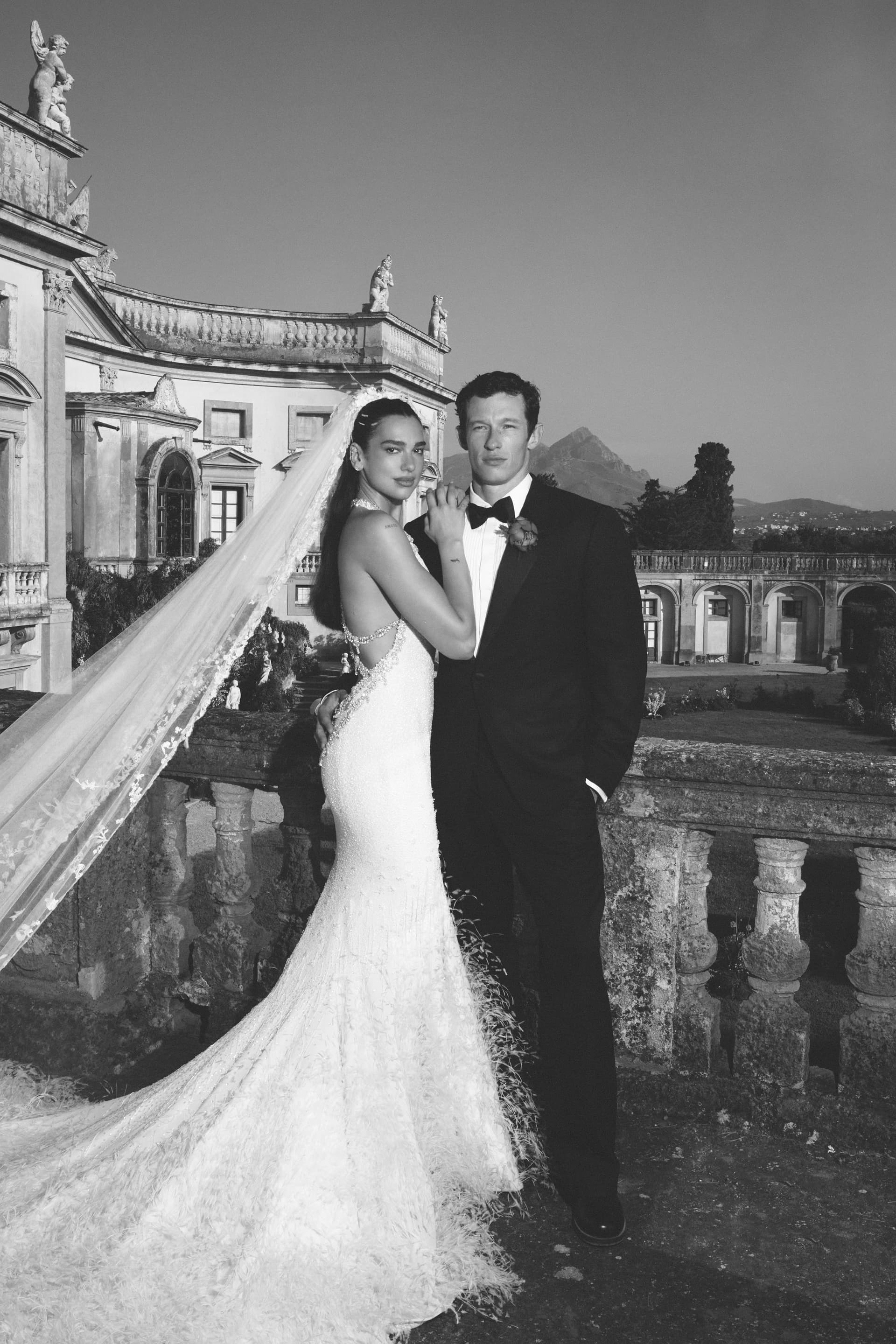
HELLO! curates beach wedding guest outfits for seaside ceremonies
Beach weddings demand more than a pretty dress: think wind-proof silhouettes, breathable fabrics, and shoes that can survive sand without looking casual.
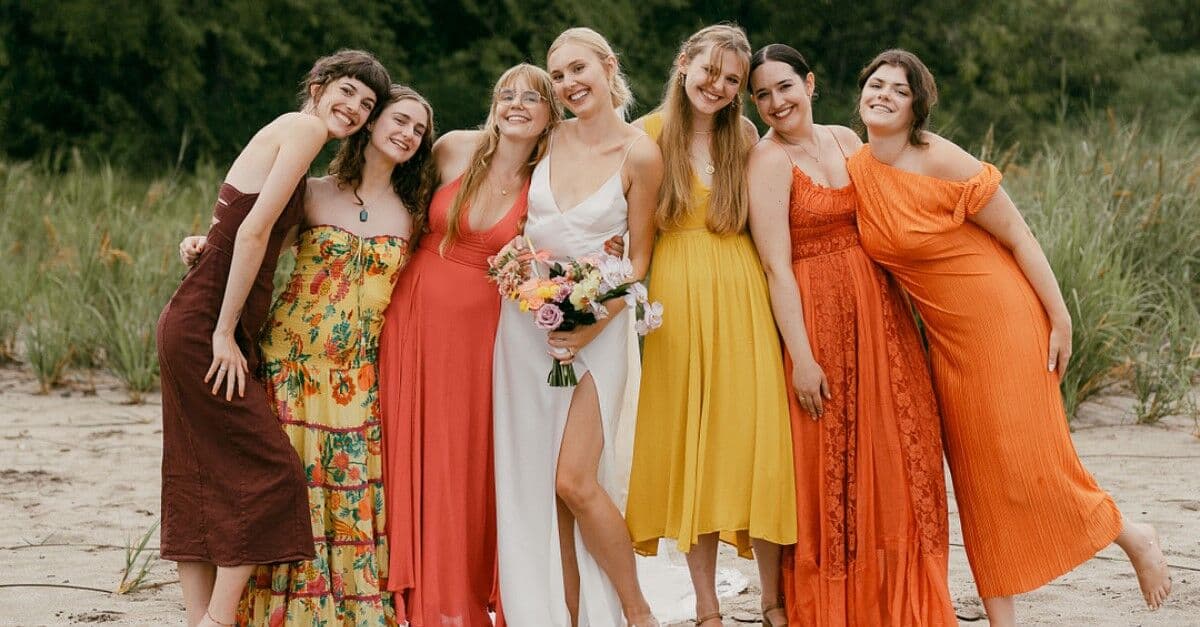
Start with the setting, not the dress
HELLO! Fashion’s beach-wedding guest edit works because it treats seaside dressing as a problem to solve, not a fantasy to sell. Published by Tania Leslau on May 22, 2026 and updated the same week, the guide is built for guests heading to destination wedding locations and beach wedding venues where style has to survive heat, humidity, sand, and a ceremony dress code that can swing from dressy casual to unexpectedly formal.
That is the real appeal of the edit: it acknowledges that beach weddings feel more laid-back and playful than black-tie affairs, but still require clothes that look intentional. HELLO! points readers toward breezy labels such as Oceanus and De La Vali, then grounds the look in practical rules that matter when you are standing on sand instead of polished stone.
Read the invitation before you read the mood
The first decision is not silhouette, it is dress code. The Knot says beach wedding attire often leans dressy casual, but the exact level can change depending on the venue and the style of the event. That means a ceremony on open sand, a reception on a terrace, or a celebration at a more polished resort can call for very different interpretations of “appropriate.”
The safest approach is to check the invitation or wedding website before you commit to anything. The Knot’s formalwear guidance is especially useful here, because it places formal wedding attire between cocktail and black tie, with ankle-length or full-length dresses and dressy separates both fitting the brief. If the couple has chosen a more elevated beach setting, you can still dress with polish without drifting into full gala territory.
Choose fabrics that move with the weather
Beach weddings expose every bad fabric decision. HELLO! recommends lighter fabrics and looser silhouettes, and that advice is doing a lot of heavy lifting: it keeps you cool, lets the breeze move through the outfit, and stops your clothes from clinging when the air turns humid. The Knot agrees, naming breathable linen and cotton as ideal choices for beach weddings and other outdoor summer events.
This is where fabric becomes more important than trend. A silk-like finish may look beautiful in a dressing room, but on a waterfront it can read as sticky and fussy. Linen, cotton, and similarly airy textiles look more relaxed while still feeling considered, which is exactly the balance a seaside ceremony asks for.
Build around silhouettes that can handle wind
Beach dressing is rarely about structure for its own sake. HELLO! recommends looser silhouettes and sleeveless looks, which makes sense when the ceremony takes place in direct sun and there is no guarantee of shelter from the breeze. The Knot adds another useful caution: strapless options may be less practical if the waterfront wind picks up.
That advice should steer the shape of the whole outfit. Flowy maxis, midis, jumpsuits, and dressy separates all make sense at the beach because they move without fighting the environment. If the setting is more formal, a longer hemline or a tailored separate can keep the look elevated while still letting the outfit breathe.
The best beach-wedding guest formula
- Light, breathable fabric
- Looser shape through the body
- Hemline that can tolerate wind and movement
- Shoes that do not sink into sand
- A color choice that respects the couple and the setting
That formula is more useful than any single “perfect” dress, because it solves the actual problems guests face before they ever arrive.

Be careful with white, and even more careful with heels
HELLO! is clear on one of the oldest wedding rules: avoid white unless the couple explicitly says otherwise. On a beach, where outfits already trend lighter and softer, it can be tempting to blur that line. Don’t. White is still the fastest way to look as though you have confused guest attire with bridal territory.
Shoes deserve the same restraint. HELLO! suggests flats, strappy sandals, or wedges rather than flip-flops, which is exactly right for a seaside ceremony where sand makes narrow heels impractical. Wedges give you height without the instability, flats keep the look easy, and strappy sandals land in the elegant middle ground. Flip-flops may survive a walk to the water, but they rarely survive a wedding portrait.
Dress for heat without dressing down
Summer is the second-most-popular wedding season in The Knot’s 2026 Real Weddings Study, which explains why beach and warm-weather guest dressing is such a live topic right now. More couples are planning ceremonies in peak heat, and more guests are having to translate “summer appropriate” into something polished enough for family photographs and formal enough for the occasion.
The Knot’s broader outdoor-wedding advice also helps sharpen the formula. It recommends lightweight, breathable fabrics like cotton and linen for summer events, and notes that darker colors can be useful in extreme heat or when an unexpected rainstorm enters the picture. On a beach, that means you can still wear color, but you should think about how the shade behaves in direct sun and how the fabric feels after an hour outside.
What to wear if the wedding is formal but still on the sand
This is where many guests get stuck. A beach wedding can be relaxed, but it can also lean formal depending on the venue and event style. The Knot’s formal-dress-code guidance is useful because it gives you a bridge between cocktail and black tie: ankle-length dresses, full-length dresses, and dressy separates all fit, provided the fabric and styling stay wedding-appropriate.
For women, that can mean a flowing maxi in linen or a polished midi with enough movement to handle the breeze. It can also mean a jumpsuit with a clean neckline and a sharp sandal, especially if the couple has signaled a more fashion-forward tone. For men, The Knot’s beach-wedding guidance points to button-down shirts, slacks or chinos, and a blazer when the setting is more formal.
Pack like the wedding is mobile
Destination wedding guests have an extra challenge: the outfit has to arrive in one piece. That makes loose silhouettes and lighter fabrics not just comfortable, but smart to pack. Pieces that crease lightly, layer cleanly, and can be worn with one pair of shoes are the easiest to manage when the ceremony is far from home.
This is also where the HELLO! edit feels especially practical. Rather than chasing novelty, it focuses on garments that can travel, tolerate heat, and still look suitable beside an ocean backdrop. That is the real beach-wedding test: if the outfit can survive the journey, the breeze, and the sand without becoming precious, it is doing its job.
The best beach wedding guest outfit is not the one that looks most dramatic on a hanger. It is the one that stays elegant when the wind starts moving, the temperature rises, and the aisle is made of sand.
This article was produced by Prism’s automated news system from verified source data, official records, and press releases, then run through automated quality and moderation checks before publishing. The system is built and supervised by the people who set the standards it runs under. Read our full AI policy.
Did this article answer your question?