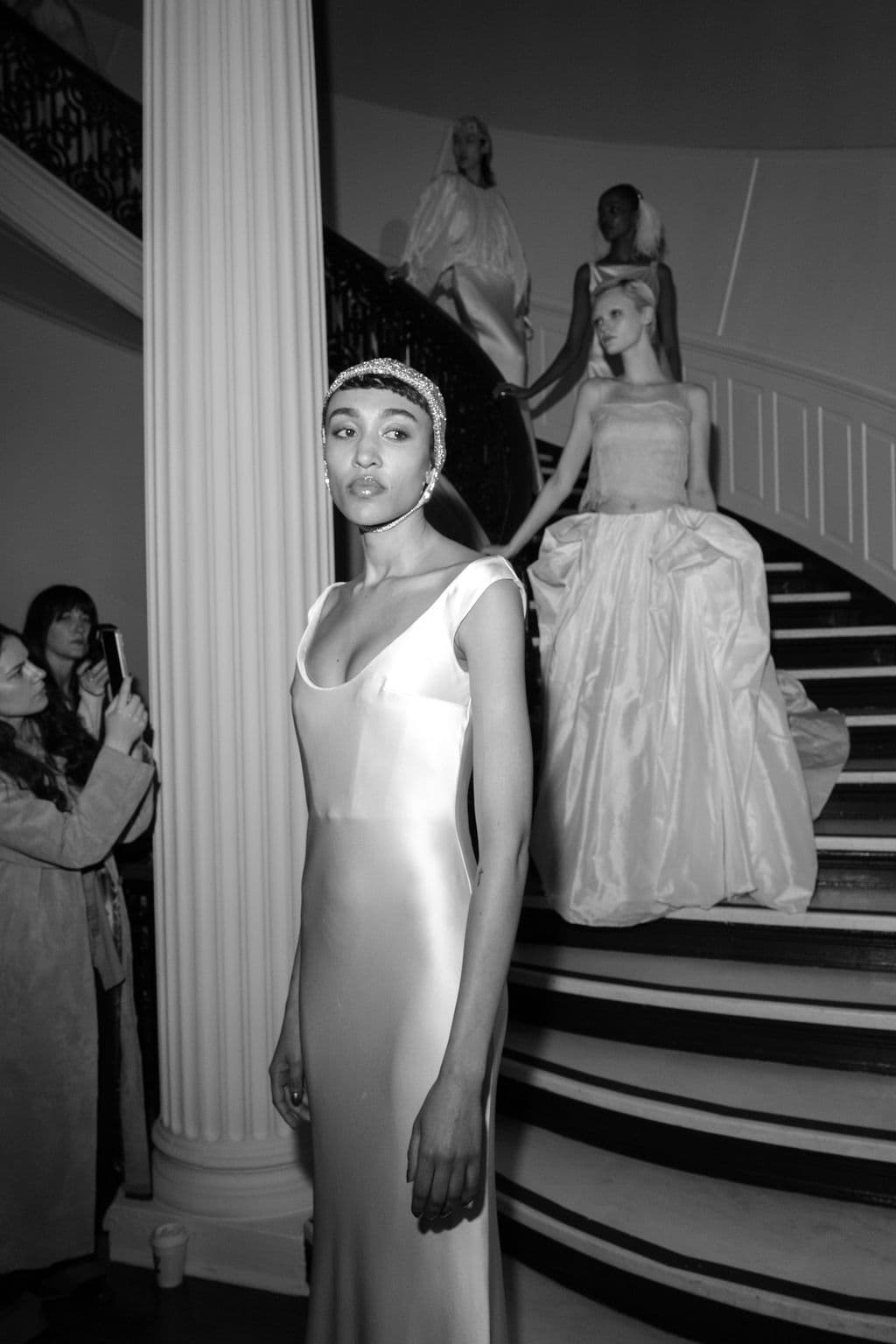
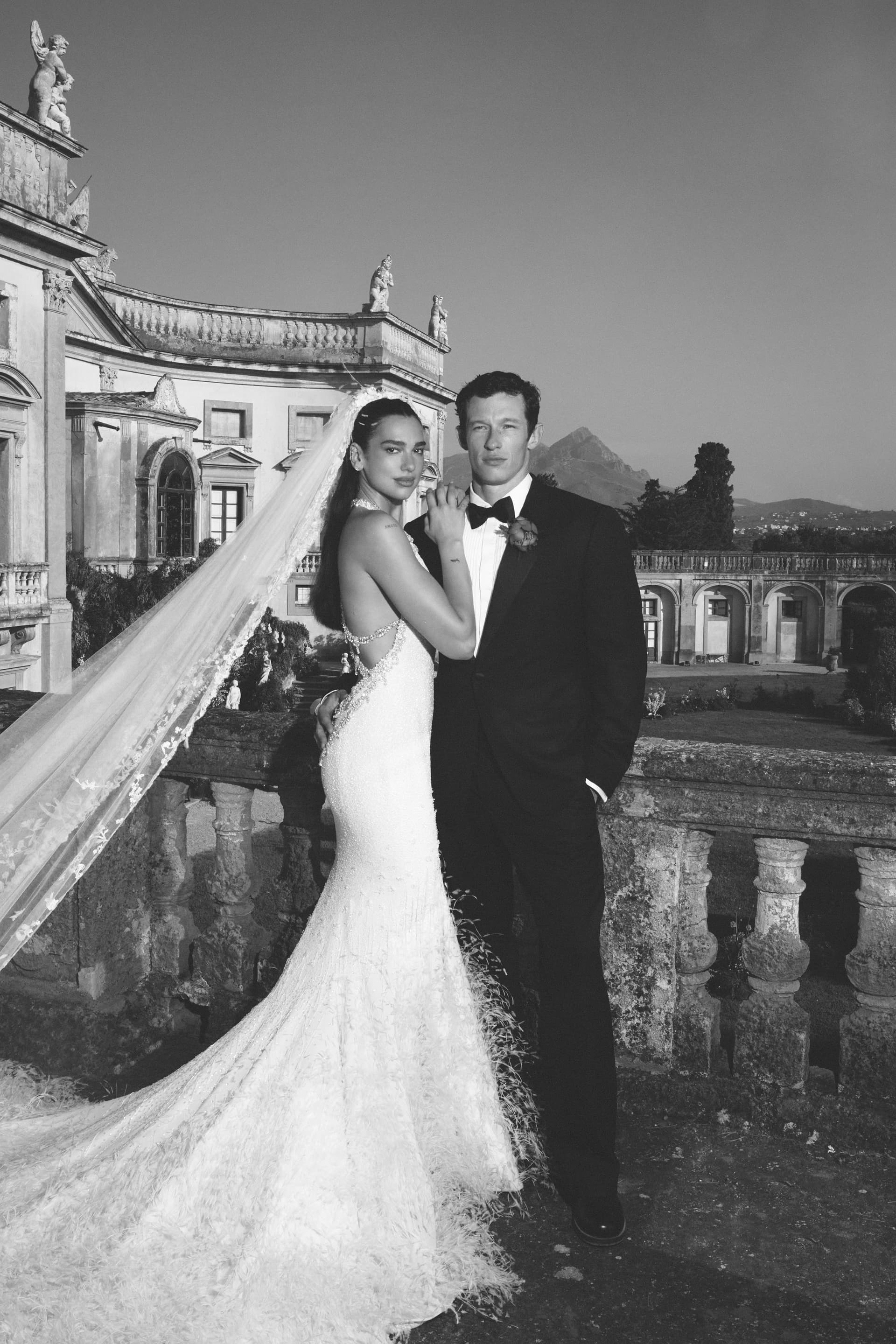
House of Gilles Channels Old Hollywood Glamour in Bridal Fall 2026
House of Gilles makes the case for couture bridal with structure, texture, and old Hollywood drama brides can actually tailor to their own fittings.

Why this collection matters now
If you want a gown that feels cinematic without looking costumed, House of Gilles is offering the sharpest answer in bridal right now. Presented during New York Bridal Fashion Week, the Fall 2026 collection is the house’s third couture bridal chapter, and it leans hard into the opulence and romance of classic Hollywood cinema while keeping the silhouette language disciplined and deeply hand-built.
That balance is what makes the collection distinctive. House of Gilles is not chasing volume for volume’s sake. It is working from the inside out, with bespoke gowns made by appointment in New York and an emphasis on the kind of “invisible architecture” that lets lace, tulle, and feathers float with control instead of collapsing into prettiness. For brides, that matters more than a mood board does: this is a collection that points toward a broader luxury-bridal shift, but it also gives concrete ideas you can use in fittings, customizations, and second-look planning.
The real shift: drama with structure, not drama for its own sake
Luxury bridal has been moving away from flat, decorative surface dressing and back toward gowns that earn their glamour through construction. House of Gilles captures that better than most. Gilles Mendel has called the brand a return to true artistry, and that framing feels right here because the collection is built around hand work, not overstatement. Chloé Mendel Corgan’s own wedding gown became the spark for the house, and that origin story still shapes the way the brand thinks about bridal: personal, intimate, and made to measure rather than produced as a spectacle.
The result is a collection that suggests a larger mood shift in the market. Brides still want drama, but they want drama that moves well, photographs beautifully, and feels comfortable through an entire wedding day. House of Gilles answers with craftsmanship you can feel in the fit, the lightness of the fabric, and the polish of the finish. That is the new luxury code.
The fabrics that do the heavy lifting
The most useful part of the collection is its material vocabulary. Chantilly lace and corded French lace bring two different kinds of romance: one airy and filigreed, the other more dimensional and sculptural. Whisper-light tulle softens the overall effect so the gowns do not read heavy, even when they carry couture-level detail.
Then there are the trompe-l’œil feathers, which give the collection its more theatrical pulse without tipping it into costume. Instead of piling on ornament, the house uses illusion and surface play to create movement and depth. For brides, that translates into a valuable shopping lesson: if you want a gown to feel more expensive, think about texture and construction before you think about sparkle.
- Ask for a structured interior if you want lace or tulle to sit cleanly on the body.
- Choose Chantilly lace when you want softness and close-up detail.
- Choose corded French lace when you want pattern that reads more formally in photos.
- Use whisper-light tulle if you want volume that still feels easy to move in.
- Look at feather effects when you want drama without a heavy trim package.
What to borrow from this approach:
Which bride each direction suits best
The romantic bride who wants a ceremony look with depth will gravitate to the lace pieces. Chantilly lace is especially strong for someone who loves tradition but does not want a heavy, old-fashioned finish. It has the delicacy brides often want for close family portraits and chapel settings, but the handwork keeps it from feeling fragile.
The modern maximalist bride is the one most likely to respond to the trompe-l’œil feather treatment and the collection’s more architectural instincts. If your instinct is to wear one unforgettable dress and let the rest of the styling stay simple, this is the lane. The gown does the talking; jewelry can stay pared back.
The bride planning a second look should pay attention to the whisper-light tulle. Even when a gown is full-length and couture in spirit, a lighter fabric base can make a reception change feel more fluid. It is the difference between looking dressed up and looking weighed down. That kind of ease matters once the ceremony is over and the evening starts moving.
The bride who wants support without stiffness is the one most likely to benefit from the house’s invisible architecture. This is the hidden intelligence of couture: seams, internal shaping, and structure that hold the body elegantly without making the dress look engineered. If you have ever loved the idea of a dramatic gown but worried about feeling trapped in it, this is the kind of construction to ask a designer to study.
A family house with real pedigree
The collection also carries weight because the people behind it do. House of Gilles is led by Gilles Mendel and Chloé Mendel Corgan, and the company describes itself as a small, intimate family business. The Bridal Council has noted that the family’s legacy spans six generations in the industry, which gives this bridal chapter a sense of continuity rather than reinvention for its own sake.
That pedigree matters when you are deciding where couture stops being branding and starts being craft. Gilles Mendel launched his first ready-to-wear collection in 2002 and was inducted into the CFDA in 2003, so House of Gilles is not a side project or a nostalgia exercise. It is a newer chapter in a long career, and that history shows in the confidence of the work. The collection feels grounded enough to serve real brides, not just editorial fantasy.
What brides can take from House of Gilles now
The clearest takeaway is that bridal luxury is moving toward gowns with emotional charge and technical intelligence at the same time. House of Gilles offers the theater of old Hollywood, but the story underneath is about fit, handwork, and the quiet power of a well-built interior. That is what makes the collection feel relevant beyond the runway.
If you are planning appointments now, this is the kind of reference that helps you ask better questions. Bring in lace swatches. Talk about how much structure you want under tulle. Ask where the drama should live, in the surface, the neckline, or the movement of the skirt. House of Gilles suggests the smartest couture is not the loudest gown in the room. It is the one that looks inevitable the moment you put it on.
This article was produced by Prism’s automated news system from verified source data, official records, and press releases, then run through automated quality and moderation checks before publishing. The system is built and supervised by the people who set the standards it runs under. Read our full AI policy.
Did this article answer your question?