How brides bought wedding clothes before modern retail
Brides once entered marriage with a trousseau, not a single shopping appointment. The modern hunt for one defining dress grew out of made-to-order craft, shifting retail, and the rise of white bridal wear.
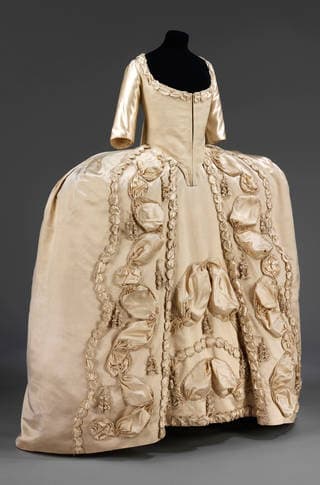
Before there was the bridal salon appointment, there was the dressmaker, the trousseau, and a marriage wardrobe built for a new life rather than a single aisle moment. The Victoria and Albert Museum’s wedding dress collection makes that shift feel vivid: earlier clothes were not generally available "ready to wear," and a bride’s outfit was often part of a wider domestic package of clothing and linen, assembled for rank, household, and practical use. What we now treat as one identity-defining purchase began as a much broader system of making, owning, and inheriting.
From trousseau to bridal appointment
A historical bridal trousseau was never just one dress hanging in a closet. It could include multiple clothing and linen items for married life, which meant wedding dressing sat inside family resources, household planning, and social status long before it became a boutique ritual. That older logic explains why the modern obsession with finding "the one" feels so specific to contemporary retail culture: the bride is no longer choosing among practical pieces for married life, but narrowing a single ceremonial look that will carry the emotional weight of the day.
The modern bridal appointment, with its mirrors, alterations, and entourage, is a relatively recent invention in historical terms. Boutiques, brand collections, fittings, and consumer choice have turned dress buying into a staged event, one that asks brides to make a fast but deeply symbolic decision. The shift matters because it changed not just where women shopped, but how much attention, money, and expectation got concentrated into one garment.
The dressmaker came before the store
One of the V&A’s earliest examples is an 18th-century court dress, and the museum notes that it would have been made by a skilled dressmaker, probably in one of the larger towns. That detail gives the story its real texture: bridal clothing was once a craft economy, shaped by local labor and the reach of trained hands, not a rack of standardized sizes. Even the grandest clothes were often the result of personal commissioning rather than browsing.
The V&A’s wedding-dress collection spans five centuries, which is exactly why it works as a guide to acquisition rather than just adornment. Alongside that court dress sits a 17th-century royal wedding suit, plus wedding attire from Africa and Asia, and accessories such as lace veils and silk slippers. The range makes one thing clear: bridal clothing has never belonged to one silhouette, one color, or one region, even when later fashion culture tries to flatten it that way.
How white became the bridal shortcut
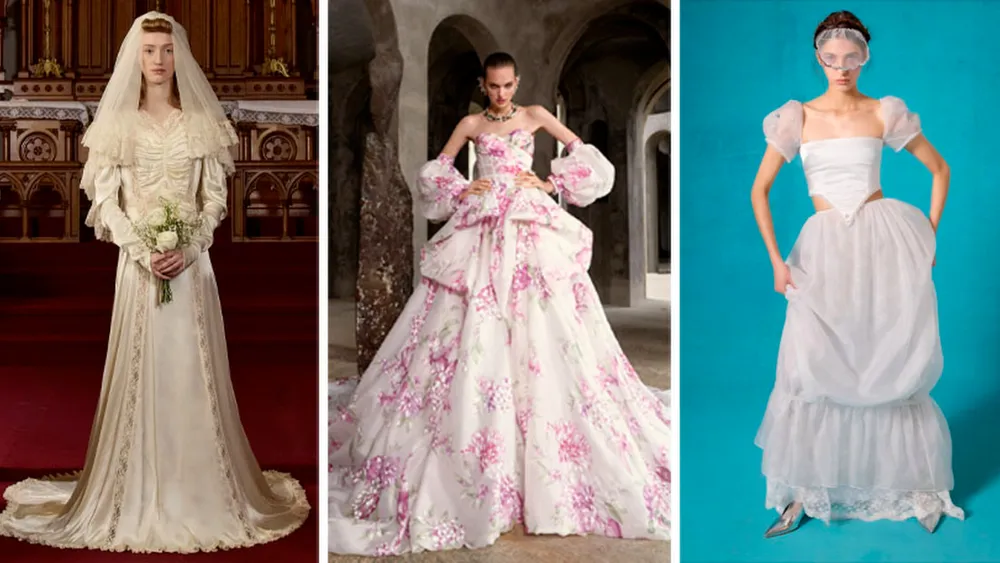
Queen Victoria’s 1840 wedding changed the visual language of bridal fashion in a way that still shapes salon expectations today. The V&A blog frames that marriage as central to the rise of the white wedding dress, and the popularity of white has proved so durable that many brides still arrive at appointments expecting the color to signal purity, formality, or tradition. But the historical record is messier, and more interesting.
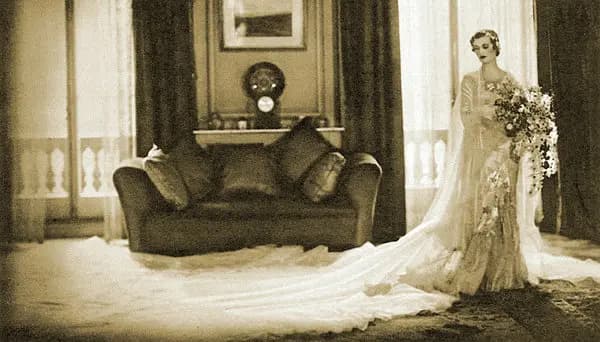
The Fashion History Museum notes that white silk was difficult to clean and expensive, which meant few brides could afford the luxury of a white silk gown. By about 1800, the more practical and easier-to-clean "little white" dress was becoming an option, showing that bridal taste was always entangled with maintenance and cost, not only symbolism. White did not simply appear as an eternal bridal rule; it emerged through class, practicality, and the social power of one royal wedding.
What the V&A exhibition showed about bridal fashion
The V&A’s exhibition Wedding Dresses, 1775-2014, held in 2014, brought that evolution into sharp focus. Secondary coverage described more than 80 dresses in the show, ranging from the late 18th century to modern celebrity dresses, and the point was not just to admire beautiful clothes. The exhibition told the story of how bridal attire changed as fashion production, public taste, and celebrity culture changed with it.
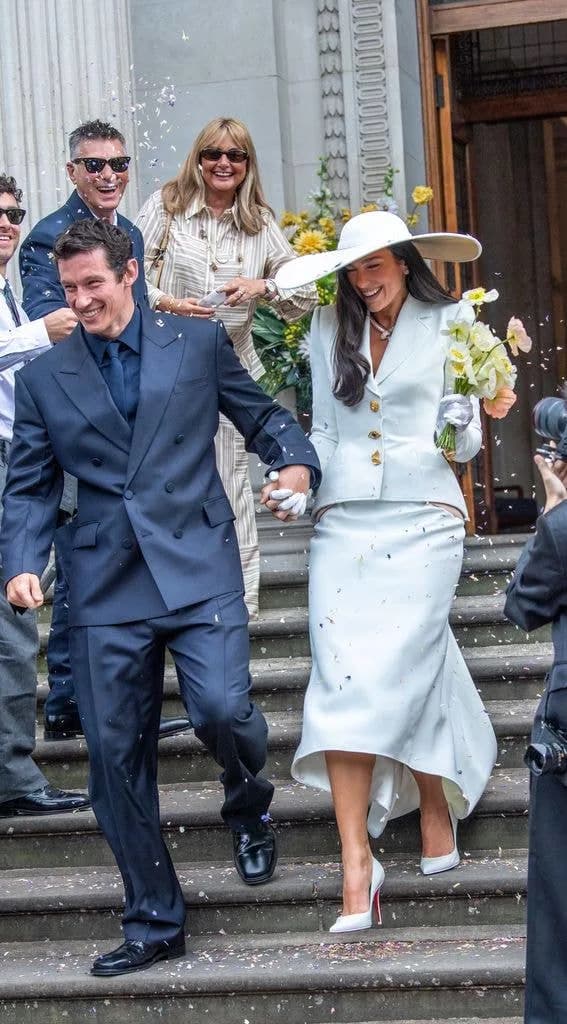
That framing is useful because it mirrors the way brides shop now. A contemporary bride may begin with a mood board, move through designer collections, and finish in a fitting room with a seamstress pinning the hem, but all of that sits atop the older history of bespoke making. The salon experience can feel intimate and personal, yet its structure owes a lot to the broader move from household-made clothing to fashion as a retail event.
Why this history still matters at the fitting table
The old trousseau makes a modern bridal budget look very different. Instead of spending across many garments for married life, brides often concentrate their budget into a single dress, then add veil, shoes, alterations, and accessories to complete the look. That concentration of spending is one reason bridal shopping can feel so emotionally charged: the bride is not just buying clothes, she is purchasing a version of herself to be witnessed.
This is also why the museum’s wider collection matters. By spanning five centuries and including pieces from Africa and Asia, as well as veils and slippers, the V&A shows that bridal wear has always moved between craft, ceremony, and commerce. The modern search for a wedding dress is not a break from history, but the newest form of an older question: what should a bride wear, who should make it, and how much meaning can one garment hold?
This article was produced by Prism’s automated news system from verified source data, official records, and press releases, then run through automated quality and moderation checks before publishing. The system is built and supervised by the people who set the standards it runs under. Read our full AI policy.
Did this article answer your question?