How Israel became a global force in bridal fashion
Israel turned bespoke bridal drama into a global formula, and Galia Lahav shows why the market now watches Tel Aviv before New York or Milan.

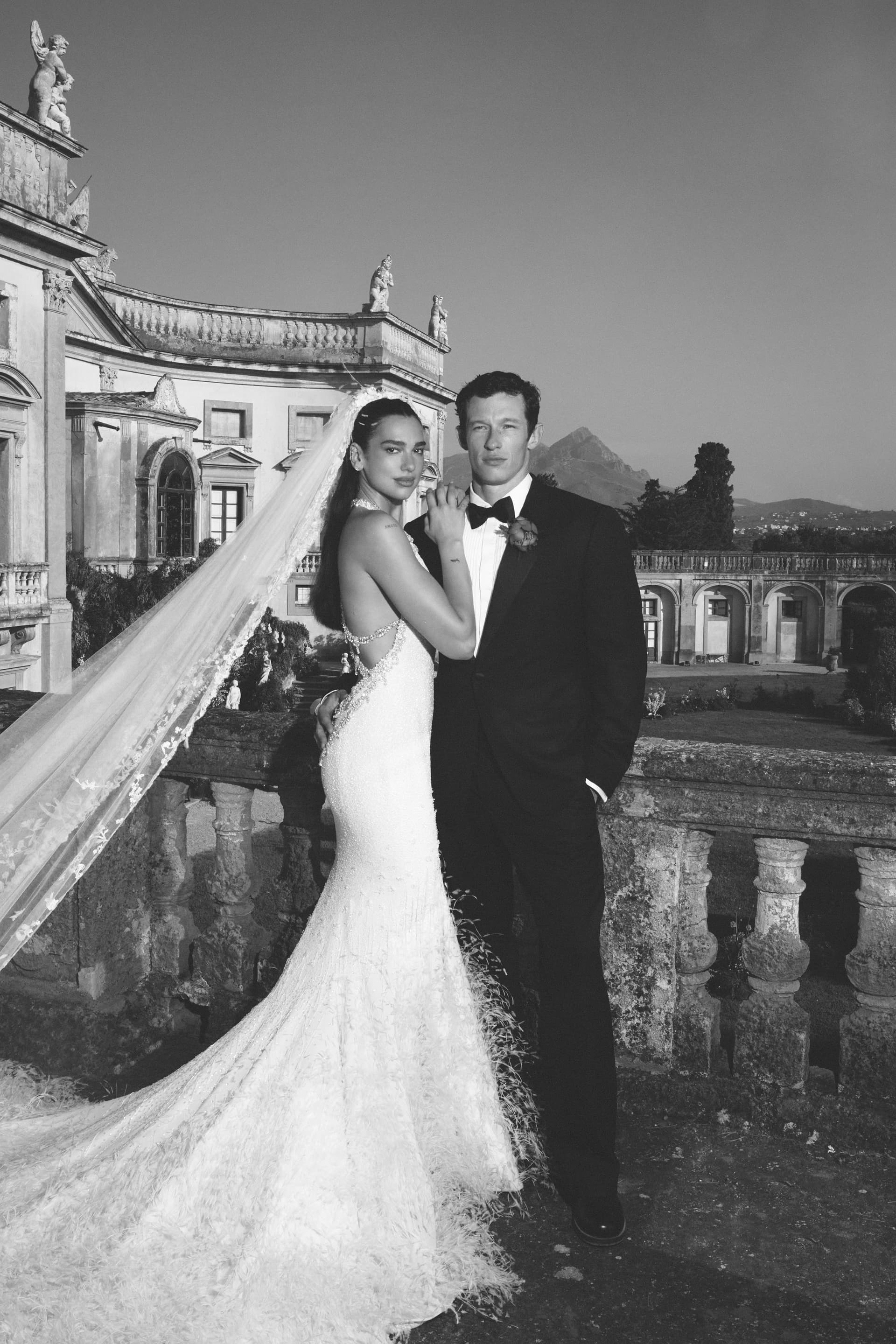
Israel’s bridal influence did not come from scale alone, but from a very specific idea of glamour: sculpted bodices, heavy embellishment, and couture-level customization that makes a gown feel engineered rather than merely designed. Galia Lahav became the clearest expression of that shift, turning a once-regional aesthetic into the template so many luxury brides now expect.
The business of becoming the default
The commercial stakes are enormous. Forbes put the global bridal wear market at $62.2 billion in 2023 and projected it would rise to $65.6 billion in 2024, which helps explain why bridal trendsetting is now a real power struggle, not a niche beauty contest. In that market, Israel’s advantage is not just taste, but a working model that blends atelier intimacy with export-ready ambition.
Galia Lahav is the clearest case study. Forbes described the brand in 2019 as a network of 70 stores across 40 countries, with about 40 percent year-over-year growth for nearly a decade. That kind of international spread tells you something important: Israeli bridal labels were not waiting for global recognition, they were building a distribution system designed to make their point of view unavoidable.
Why the Galia Lahav formula travels
The house’s appeal lies in how precisely it understands what modern bridal customers want from luxury. Its language is body-conscious and high-drama, built around corsetry that defines the waist, dense surface work that catches light, and customization that lets the bride feel as though the dress was made for her and only her. That combination gives the clothes a kind of theatrical intimacy, the sweet spot where red-carpet fantasy meets the emotional stakes of a wedding.
That is also why competitors pay attention. A Galia Lahav gown does not read as minimal, and it does not apologize for being noticed. In a market increasingly shaped by social media, that kind of immediate visual identity matters, because a bride does not only buy a dress, she buys an image of herself in motion, under chandeliers, down an aisle, and in every photograph that will circulate afterward.
The founder story behind the empire
The brand’s rise is inseparable from Galia Lahav herself. The Times of Israel noted that she was born in Belarus, emigrated to Israel in 1957, learned to sew from her mother, and began her fashion career at 36. That late start is part of the mythology, but the more important point is that the house grew from craft rather than corporate abstraction.
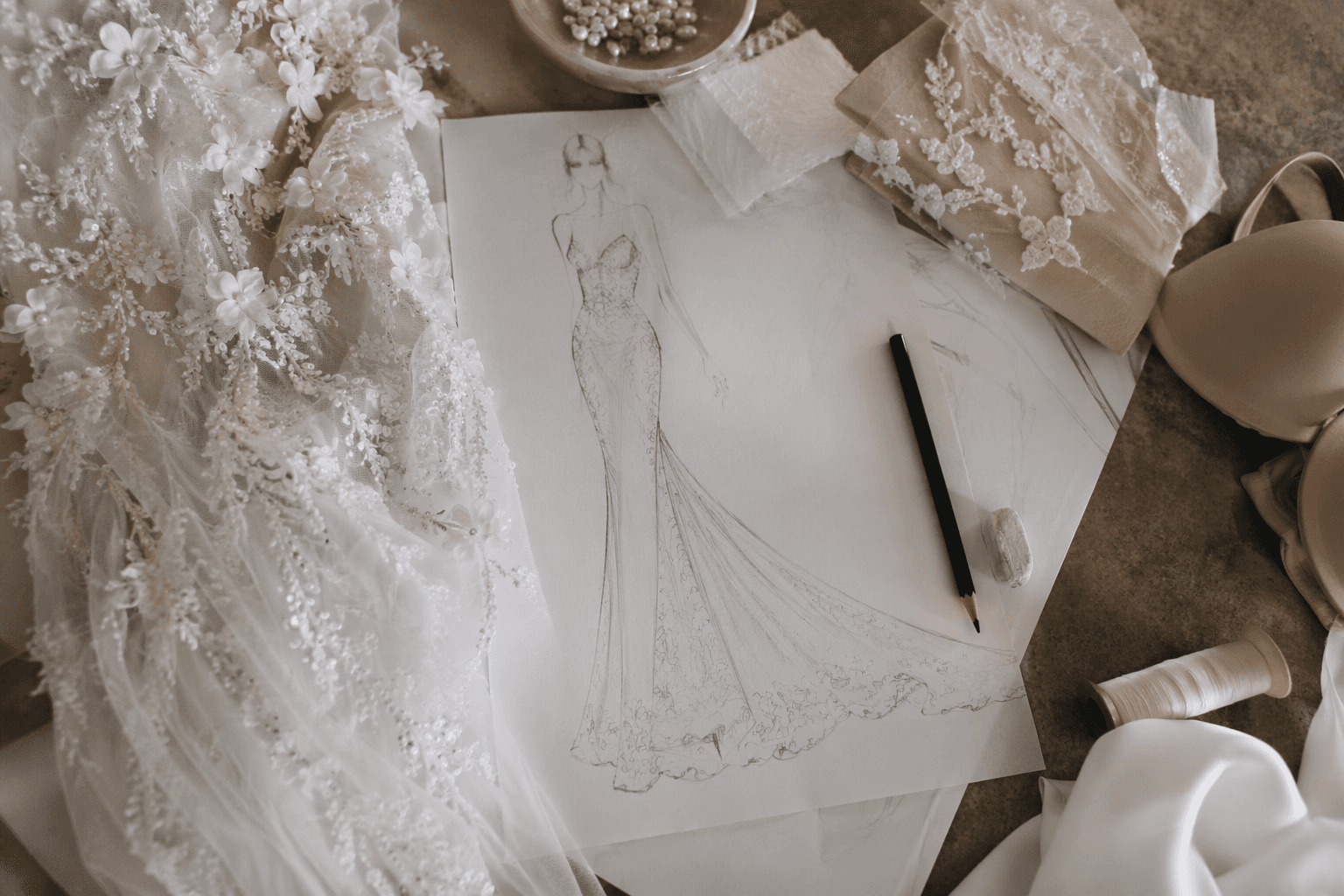
That craft-first identity helps explain why the brand could scale without losing its bridal authority. WWD reported in 2016 that Galia Lahav opened its first Los Angeles flagship on La Brea Avenue in nearly 6,000 square feet, a serious retail footprint for a bridal label and a signal that the brand intended to meet American luxury buyers on their own turf. When the first New York flagship followed in 2022, the move made a second point clear: the company was no longer simply exporting dresses, it was trying to own the full bridal experience.
The Israeli bridal ecosystem, not just one house
Galia Lahav may be the name most shoppers know, but Israel’s bridal influence rests on a broader scene. The Times of Israel described Israel Bridal Fashion Week as a platform where guests can see the newest wedding dresses and meet designers, which matters because the country’s bridal identity is reinforced by repeated visibility, not one-off hype. That kind of ecosystem gives buyers, editors, and brides a way to encounter the aesthetic as a collective movement.
Tel Aviv has also played a central role in that story. In October 2023, WWD reported that Tel Aviv-based bridal designers were in grieve-and-plan mode as the Israel-Hamas war unfolded and the death toll exceeded 1,200. The image is telling: even under pressure, the industry was still thinking in terms of collections, calendars, and survival, which underscores how deeply bridal design is woven into the country’s fashion economy.
Still ascendant, or finally crowded?
Recent collections suggest the answer is not simple saturation. WWD covered Galia Lahav’s bridal spring 2026 and couture bridal fall 2026 collections in June 2026, and The Jerusalem Post reported on a spring 2027 collection framed as redefining the modern bride. The cadence of those releases shows that the brand, and the market around it, is still moving forward rather than resting on legacy.
But dominance changes once a style becomes a standard. Israel helped establish the global luxury bridal template, and that success now raises the pressure to stay distinct while others borrow the language. The next test is not whether Israeli bridal houses can sell drama, they already proved that, but whether they can keep making drama feel new in a market that has learned to expect it from them first.
This article was produced by Prism’s automated news system from verified source data, official records, and press releases, then run through automated quality and moderation checks before publishing. The system is built and supervised by the people who set the standards it runs under. Read our full AI policy.
Did this article answer your question?