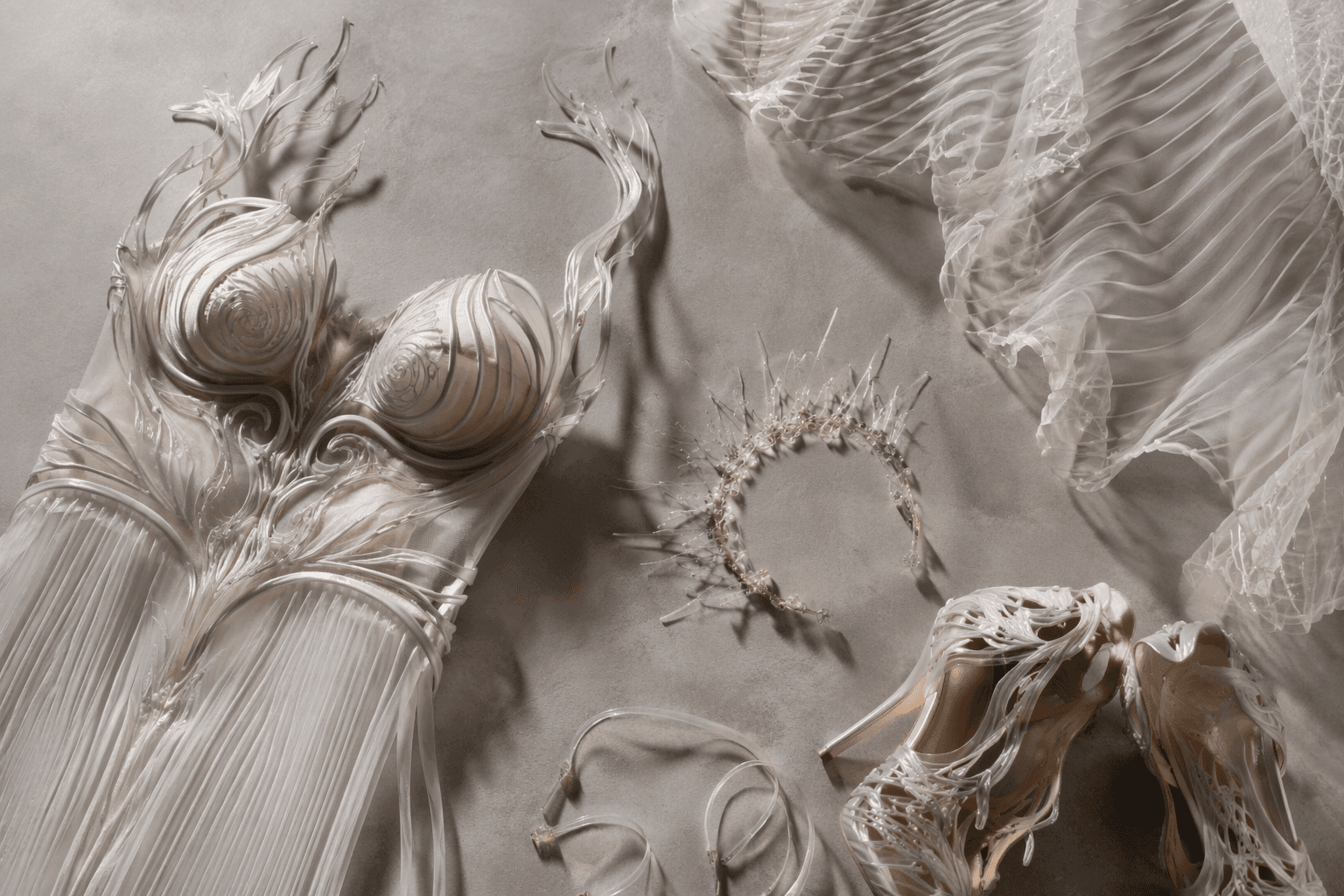
How to preserve your wedding dress for decades
The smartest bridal keepsake move happens before the box is sealed: clean out hidden stains, then store the gown like a museum object so silk, satin and lace age gracefully.
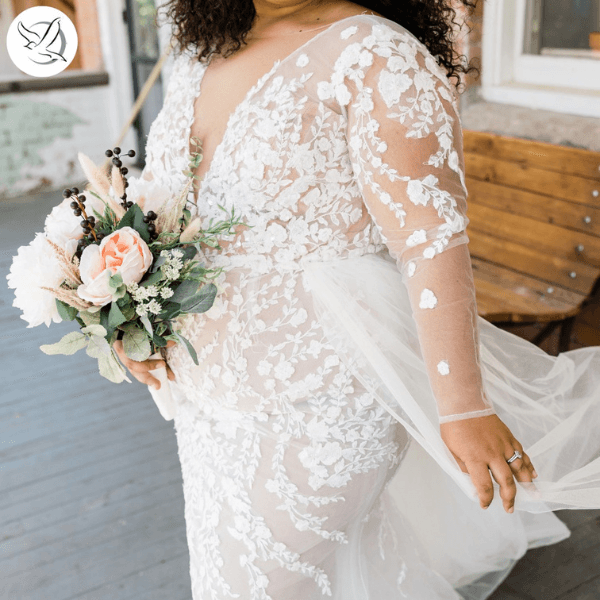
Queen Victoria changed the visual code in 1840 when she married in white. Before the 20th century, an elaborate gown often became a woman’s “best dress,” worn again for special occasions and sometimes even dyed another color. The Victoria and Albert Museum’s wedding-dress holdings stretch across five centuries.
Start with the dress you actually have, not the fantasy version
The biggest mistake is treating every gown like it can be handled the same way. Silk, satin-backed crepe and other delicate bridal textiles do not forgive casual storage, and the stains that look harmless in the rush after the wedding can become the worst problem later. At the Smithsonian Museum Conservation Institute, the older the stain, the harder it is to remove, and success depends on the stain chemistry, the fiber type and the finish of the fabric. That means the difference between saving a dress and aging it fast can come down to one champagne splash, one smear of food, one patch of sweat or one overlooked mark of foxing.
Wet cleaning can help reduce yellowing and slow further degradation, but it is not a slapdash fix. It is a lengthy, complex process that belongs in conversation with a textile conservator, especially if the gown has beadwork, silk, satin or layered construction that can distort under the wrong treatment. Water-based stains also tend to penetrate natural fibers more deeply, which is why a dress that looks “fine” from a distance can still be on the clock.
Know which stains can turn invisible damage into permanent damage
Bridal stains are sneaky because some of the worst ones disappear at first. At the Association of Wedding Gown Specialists, sugar-based spills such as soda, wine and cake are a special problem: they can dry invisibly, then caramelize into brown marks later, at which point ordinary dry cleaning often cannot undo the damage. That is the kind of stain that turns a clean-looking dress into a conservation project.
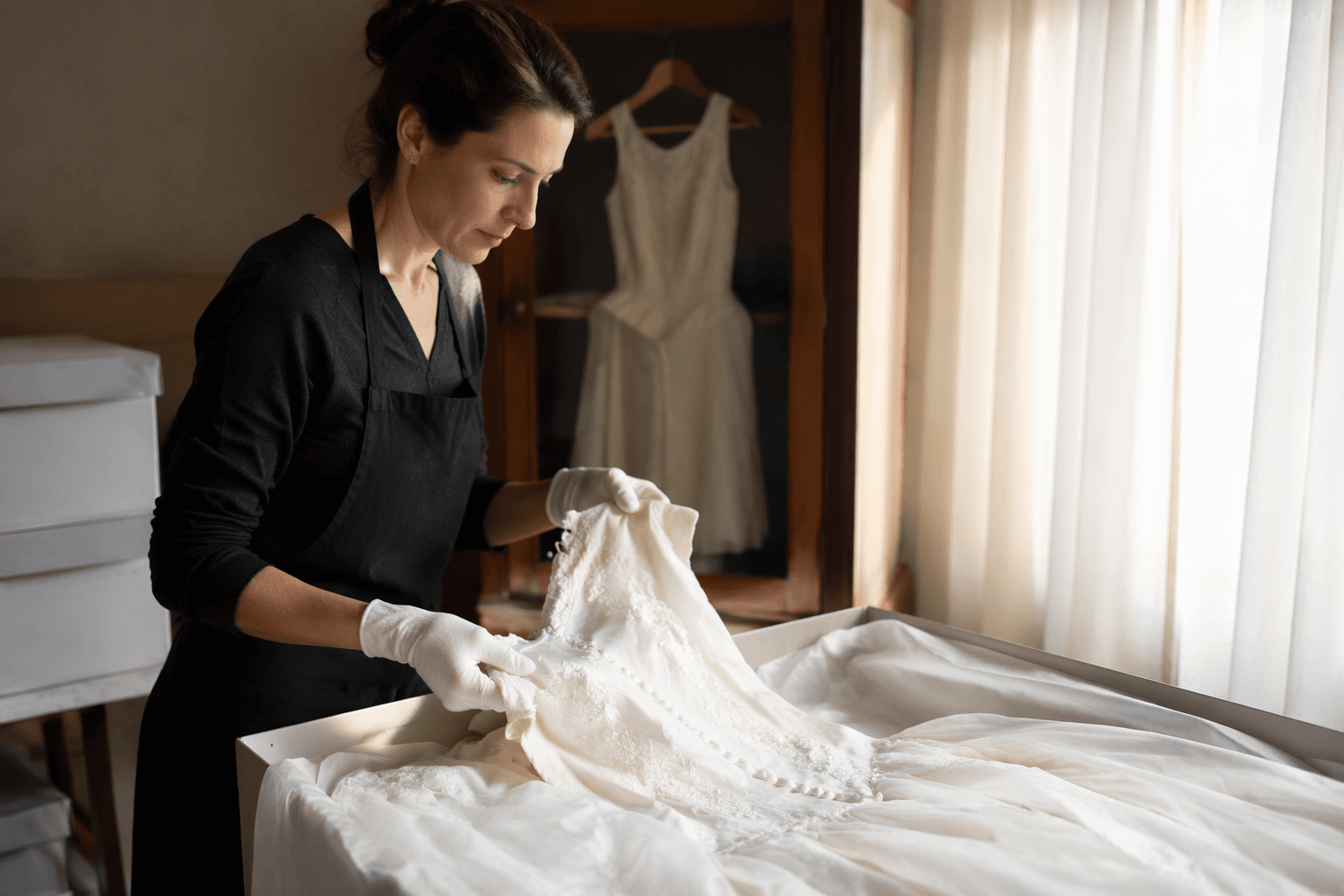
The Victoria and Albert Museum’s common wedding-dress stains include grass, champagne or white wine, food, sweat and foxing. Each of those has a different personality, and each can move differently through silk, lace and crepe. The practical rule is simple: do not assume a stain is minor because it is faint, and do not assume a bridal gown can be treated like everyday formalwear.
Ask the preservation specialist the right questions
A preservation appointment should feel more like a fitting with a conservator than a drop-off at a cleaners. You want to know exactly how the dress will be inspected, whether hidden stains are being checked under the lining and along the hem, and whether the cleaning method changes for silk, cotton, linen or embellished fabric. Since stain-removal success depends on fiber type and finish, that question is not nitpicking.
Ask these things before you hand over the gown:
- What stain types do you look for first, especially sugar, sweat and drink spills?
- Do you recommend wet cleaning, dry cleaning or conservation treatment for this specific fabric?
- What will you do if the dress has silk, satin-backed crepe or mixed fibers?
- How do you handle foxing and discoloration?
- Will the dress be inspected again after cleaning before it goes into storage?
A specialist who answers clearly should be able to explain the method in plain language, not hide behind generic promises. If the answers sound vague, that is your cue to keep looking.
Museum-style storage is the real secret
At the Smithsonian and George Washington University Museum and The Textile Museum, textiles and costumes are commonly interleaved or rolled with acid-free tissue and stored in acid-free boxes, in spaces that stay cool, dry and dark. Big swings in humidity are bad news. So are attics and basements, where heat, damp and fluctuation age fabrics before their time.
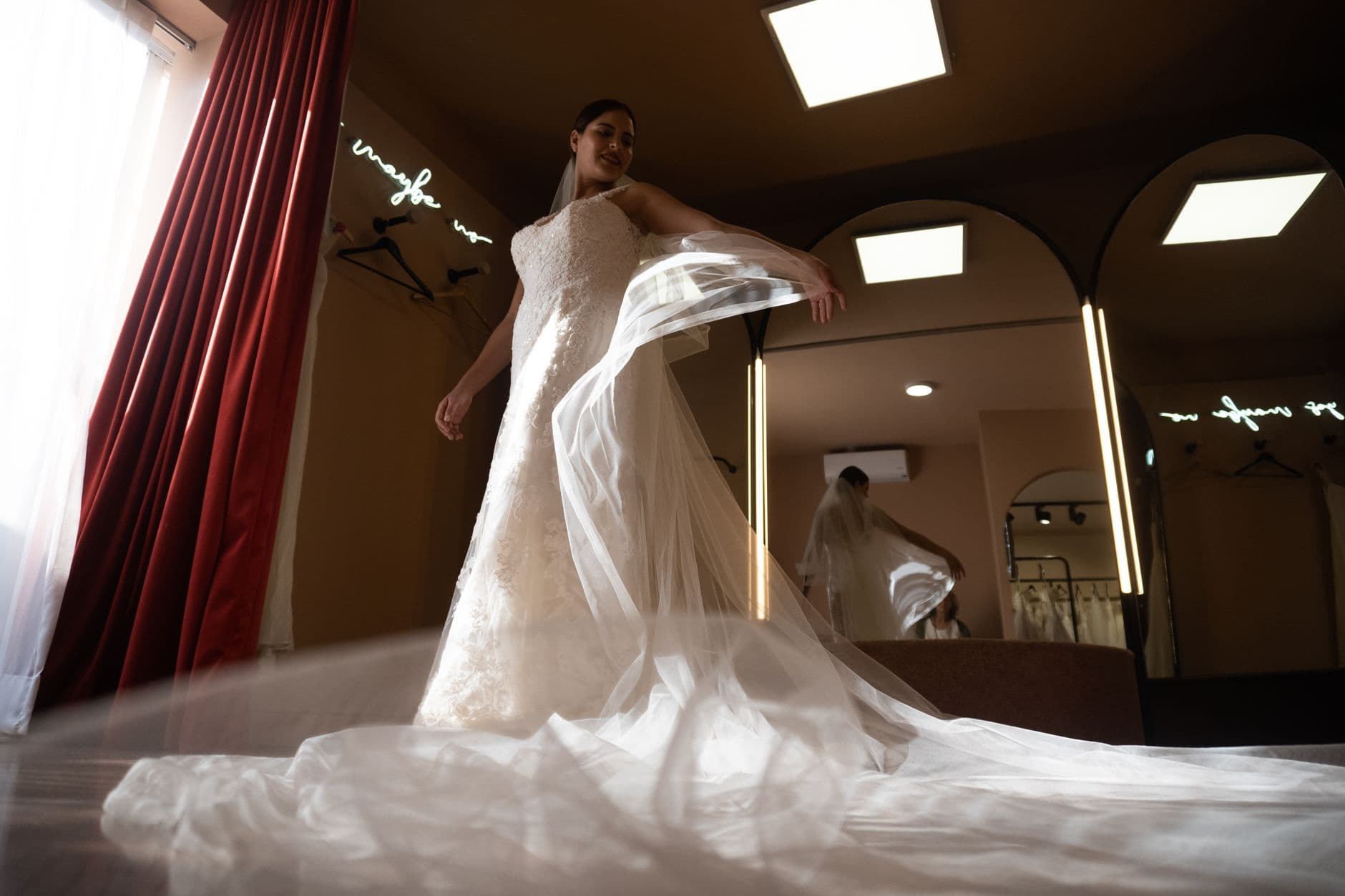
The Smithsonian recommends neutral pH, unbuffered acid-free tissue for general textile storage. Buffered tissue may be acceptable for cotton or linen, but it can be harmful to silk or wool. That one distinction matters because so many wedding gowns mix materials, and a one-size-fits-all box job is exactly how delicate fabric gets quietly damaged.
The Association of Wedding Gown Specialists inspects gowns, layers them with acid-free tissue and folds them into an acid-free archival chest, with no chemicals added.
The price of preservation looks different when you know what the dress cost
The Knot’s 2026 Real Weddings Study puts the average wedding dress at about $2,100, based on 10,474 U.S. couples married in 2025. Its preservation service lists a $299 cleaning-and-preservation package with a lifetime warranty and $500 shipping insurance.
The Metropolitan Museum of Art’s Textile Conservation Department is responsible for preservation, conservation, technical study and research for about 36,000 textiles, and the Costume Institute Conservation supports preservation, conservation and technical research for 33,000 objects.
This article was produced by Prism’s automated news system from verified source data, official records, and press releases, then run through automated quality and moderation checks before publishing. The system is built and supervised by the people who set the standards it runs under. Read our full AI policy.
Did this article answer your question?