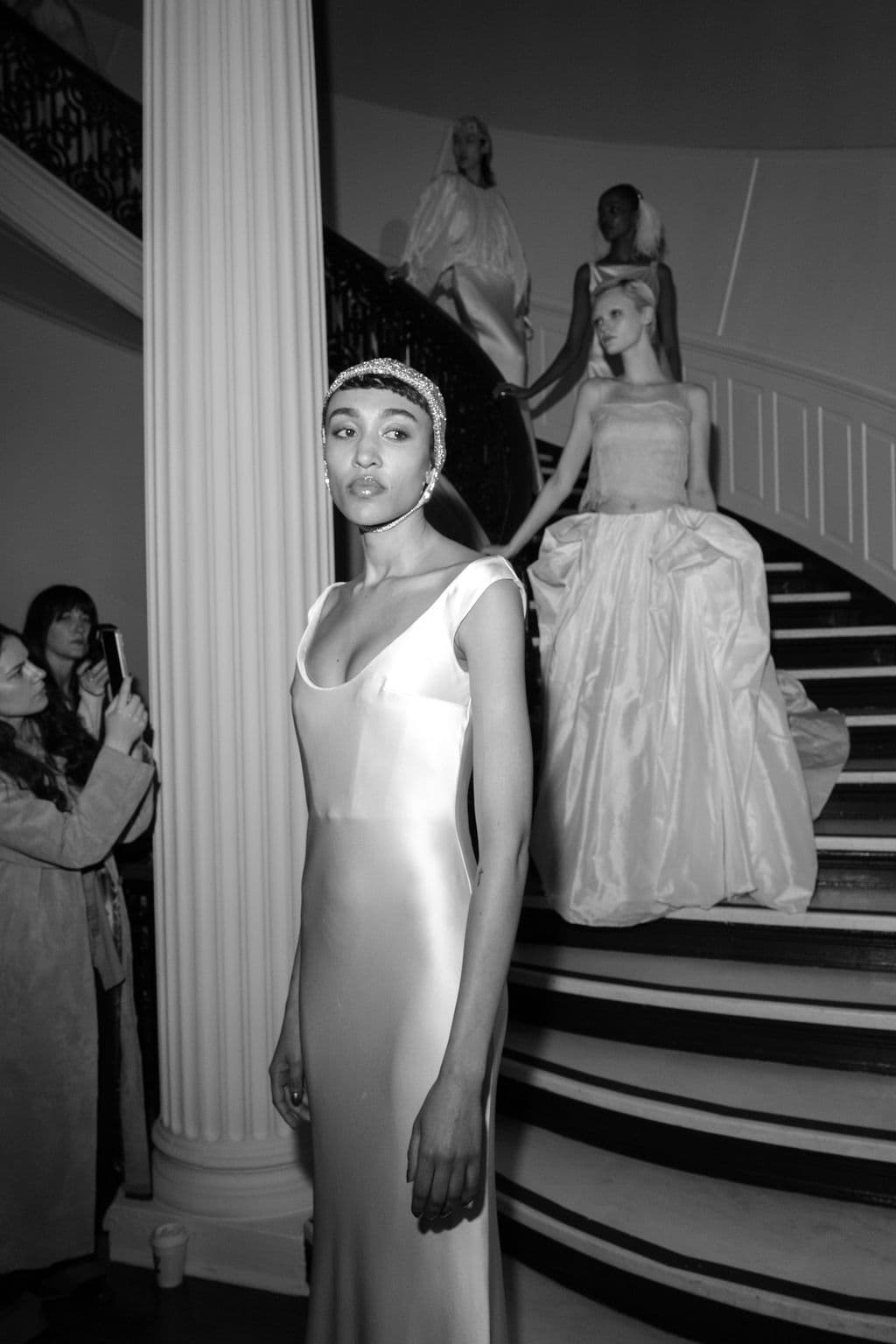
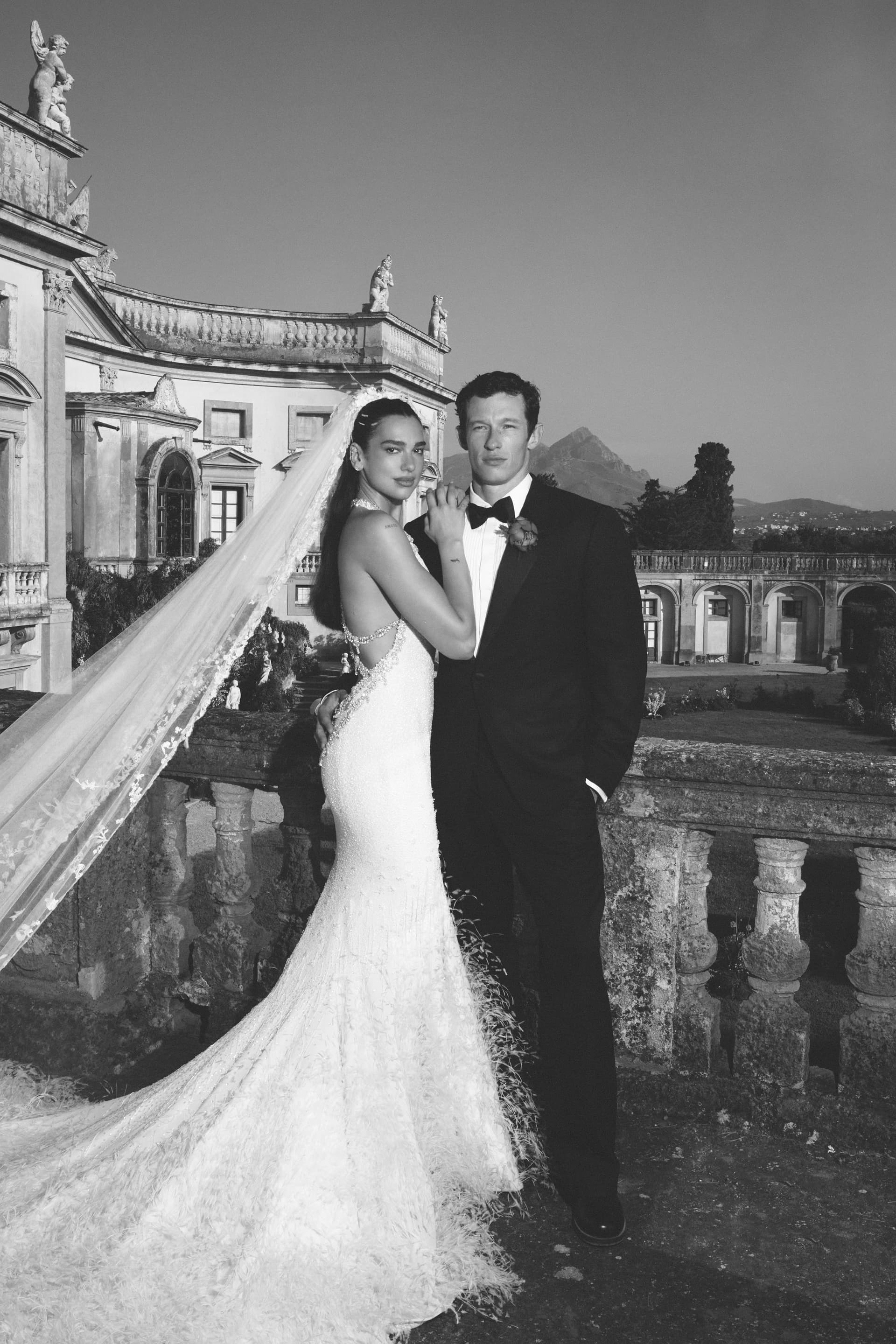
Jackson Wiederhoeft’s bridal gowns push couture prices to $16,000
Wiederhoeft’s bridal pricing is couture by design: corsetry, New York craftsmanship, and made-to-order scarcity push select gowns to $16,500 and beyond.
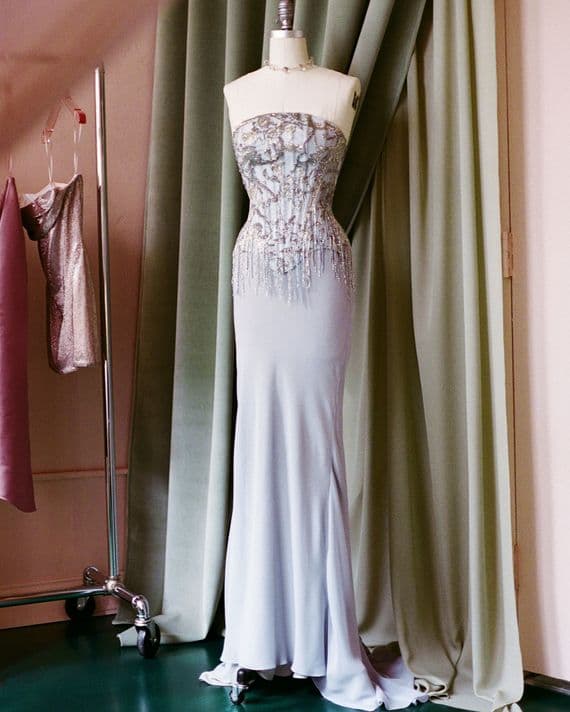
Wiederhoeft’s bridal gowns are priced like couture because they are built like couture: corseted, made-to-order, and deliberately scarce. The label’s most elaborate pieces sit well above the expectations of conventional bridal shopping, but that is exactly the point for brides who want drama, not déjà vu. In this corner of the market, the price buys silhouette engineering, fashion pedigree, and a dress that looks like it belongs on a runway before it belongs in a church aisle.
What makes the price feel justified
The clearest thing about Wiederhoeft’s bridal offer is that nothing is quick or mass-market. Every bridal piece is made-to-order and carries a 24-week lead time, which instantly places the label in a slower, more deliberate tier of bridal luxury. The brand’s own site shows how that tier is priced: an Ivy Gown at $16,500, a Godet Hardware Gown at $18,990, and a Ballgown Skirt at $20,000. Even the smaller entry points are positioned as fashion objects rather than generic add-ons, with accessories and skirts starting around $1,500.
That pricing structure tells you what the buyer is really getting. Wiederhoeft’s clothes are not trying to compete with simple satin columns or pared-back slip dresses. They are selling structure, volume, and hand-finished presence, the kind of look that depends on corsetry and careful construction to hold its shape. The cost reflects the labor of turning a bride into a sculptural figure, not just a dressed one.
A label built on tailoring and theatricality
Jackson Wiederhoeft launched his namesake label in 2019 after working at Thom Browne, and the brand’s point of view has always been sharper than standard bridal romance. He graduated from Parsons School of Design in 2016 as Womenswear Designer of the Year, a title that makes sense when you look at the work: disciplined, performative, and deeply aware of how clothes create character. The company describes itself as “Modern Nostalgia,” which is a fitting shorthand for a label that borrows from romance but recuts it with a contemporary, almost stage-costume intensity.
That aesthetic has real commercial gravity. The CFDA counts Wiederhoeft among the industry’s notable talents, naming him a finalist for the 2022 CFDA/Vogue Fashion Fund, a runner-up in 2024, a 2024 CFDA Emerging Designer nominee, and a 2024 U.S. Fashion Trust finalist. Those credentials matter because they place the label within the broader luxury fashion system, not just the bridal niche. For a bride, that means the gown is not only expensive, it is embedded in a designer career that fashion insiders already recognize.
Why fashion-forward brides are buying in
Brides who choose Wiederhoeft are rarely shopping for understatement. They are looking for a wedding look with a point of view, one that reads as fashion first and bridal second. That is where the brand’s corsetry becomes central: it gives the body an architecture, creating a waist, a line, and a tension between fragility and control that feels unmistakably designer-led. In a market crowded with minimalist white dresses, that kind of construction becomes its own status signal.
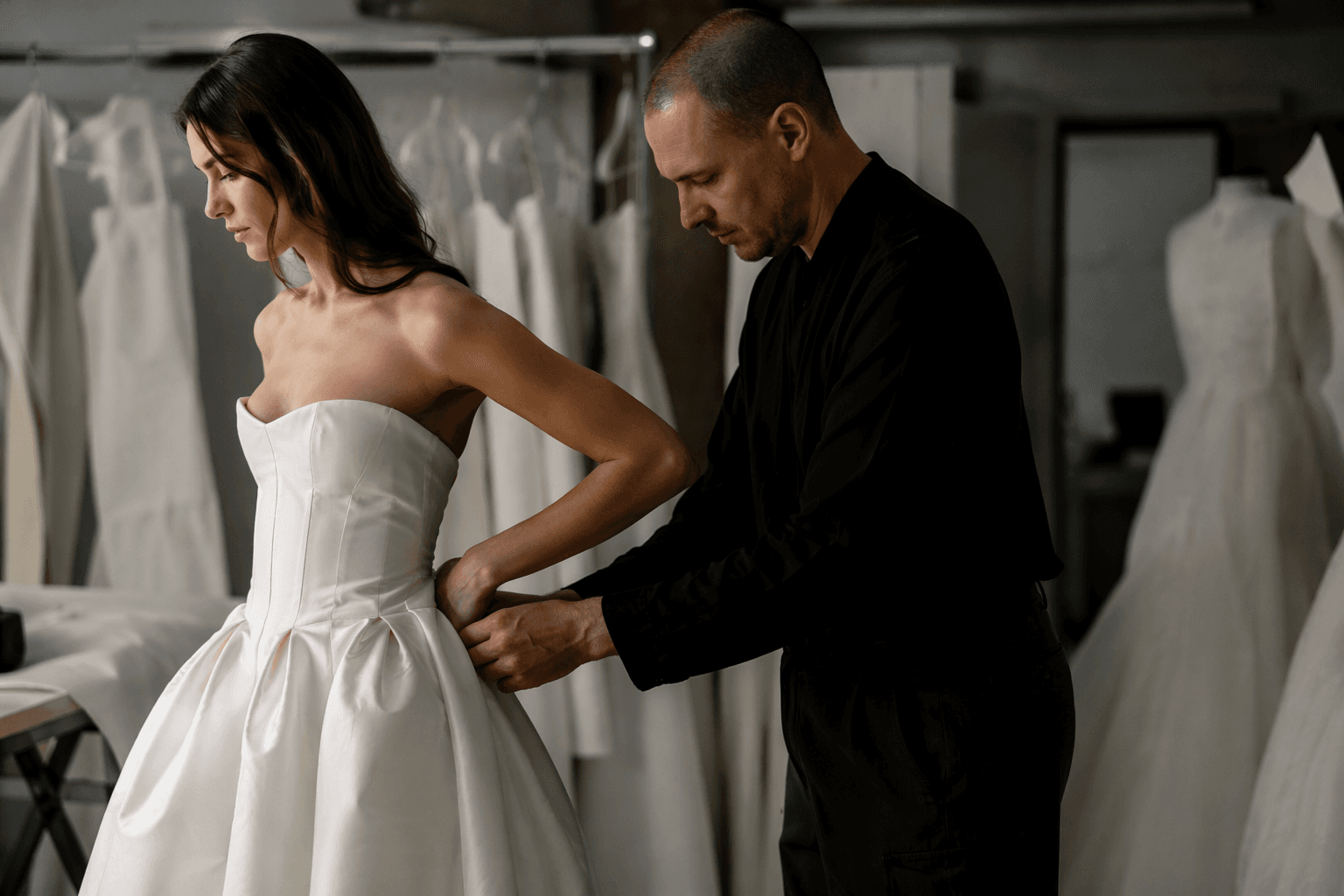
The label’s bridal business appears to be substantial enough to support the high pricing. In August 2025, NYLON reported that Wiederhoeft said bridal accounted for 70 percent of the business. That figure helps explain why the category is not treated as a side project or a ceremonial offshoot. Bridal is a core engine, and the collection’s most expensive pieces exist because customers are willing to pay for a very specific blend of spectacle, fit, and brand identity.
The New York factor matters
Wiederhoeft is made in New York, and that detail is not cosmetic. The brand opened its first bridal studio in New York City in 2020 with Queens Design Team, grounding the line in the city’s garment culture and its appetite for theatrical dressing. New York bridal couture has always had a different temperature from the airy fantasy of destination dressing or the safe polish of department-store bridal. It tends to be sharper, more editorial, and more willing to flirt with excess.
That location also reinforces the label’s value architecture. A gown made in New York carries a different implication than a dress assembled far from the fashion system that designed it. It suggests direct access to fittings, closer control over construction, and a level of specialization that supports the premium. For a bride standing in front of those prices, the location is part of the justification: the work comes from the same city that still defines much of American fashion authority.
What the collection says about designer-led bridal dressing
Wiederhoeft sits inside a larger shift in wedding dressing, where brides increasingly want names, signatures, and a visible fashion point of view. The market has room for a gown that behaves like a collectible because the wedding dress itself has become a cultural statement, not just an item of ceremony. That is why a $16,500 corseted dress can feel less shocking than expected when the dress is clearly doing the work of an entire mood board.
The brand’s mix of made-to-order production, 24-week timing, New York manufacturing, and dramatic corsetry explains how couture-adjacent pricing holds. So does the scarcity of the thing itself: this is not a volume business built on easy repetition. Wiederhoeft’s brides are paying for a specific fashion language, one that turns bridalwear into an authored object, and in that market the price is part of the silhouette.
This article was produced by Prism’s automated news system from verified source data, official records, and press releases, then run through automated quality and moderation checks before publishing. The system is built and supervised by the people who set the standards it runs under. Read our full AI policy.
Did this article answer your question?