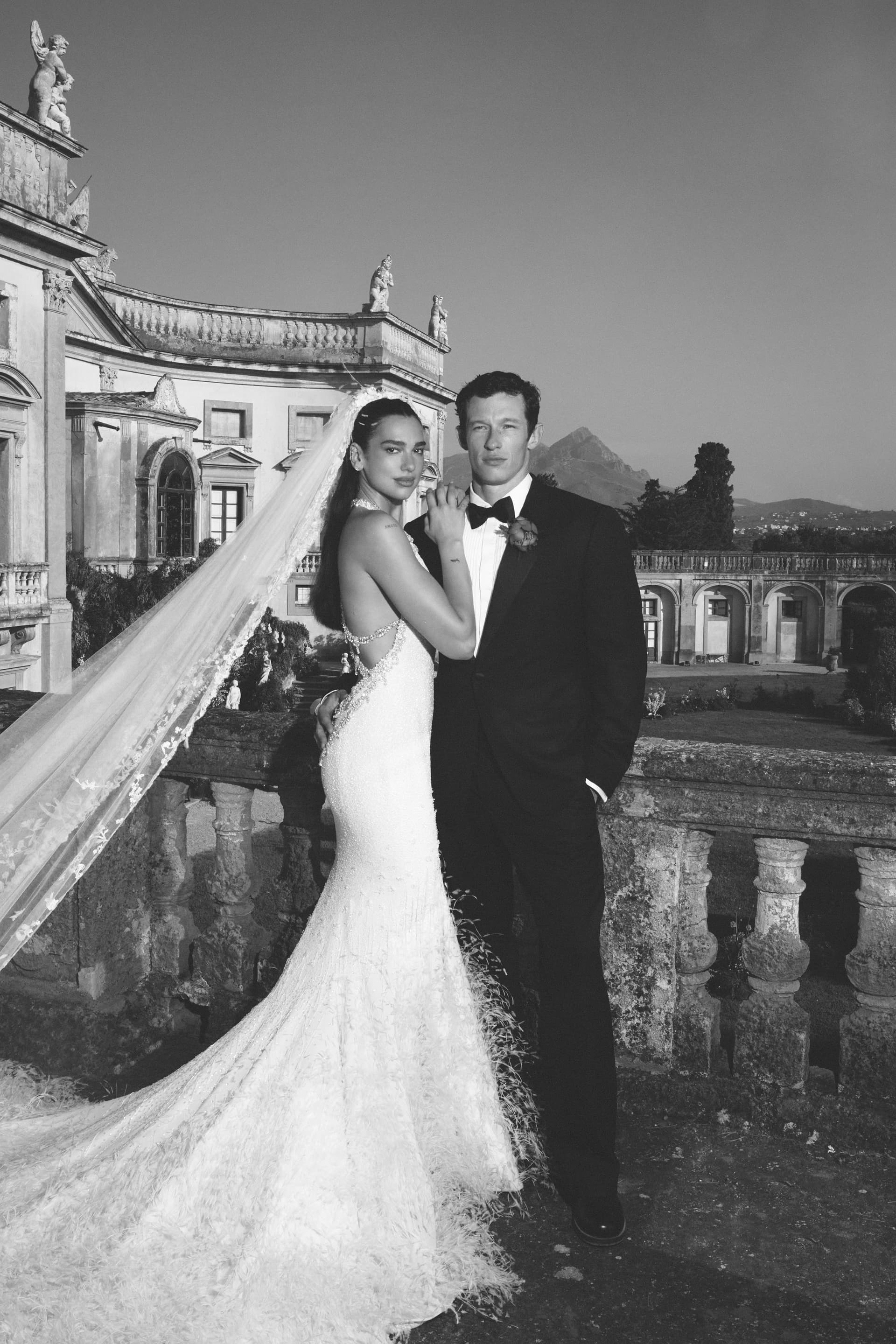
Jaipur wedding diary spotlights block-printing and bridal craft
Jaipur’s hand-printing heritage turned this interfaith wedding into a living wardrobe story, where folk music and craft made the clothes feel rooted, not staged.
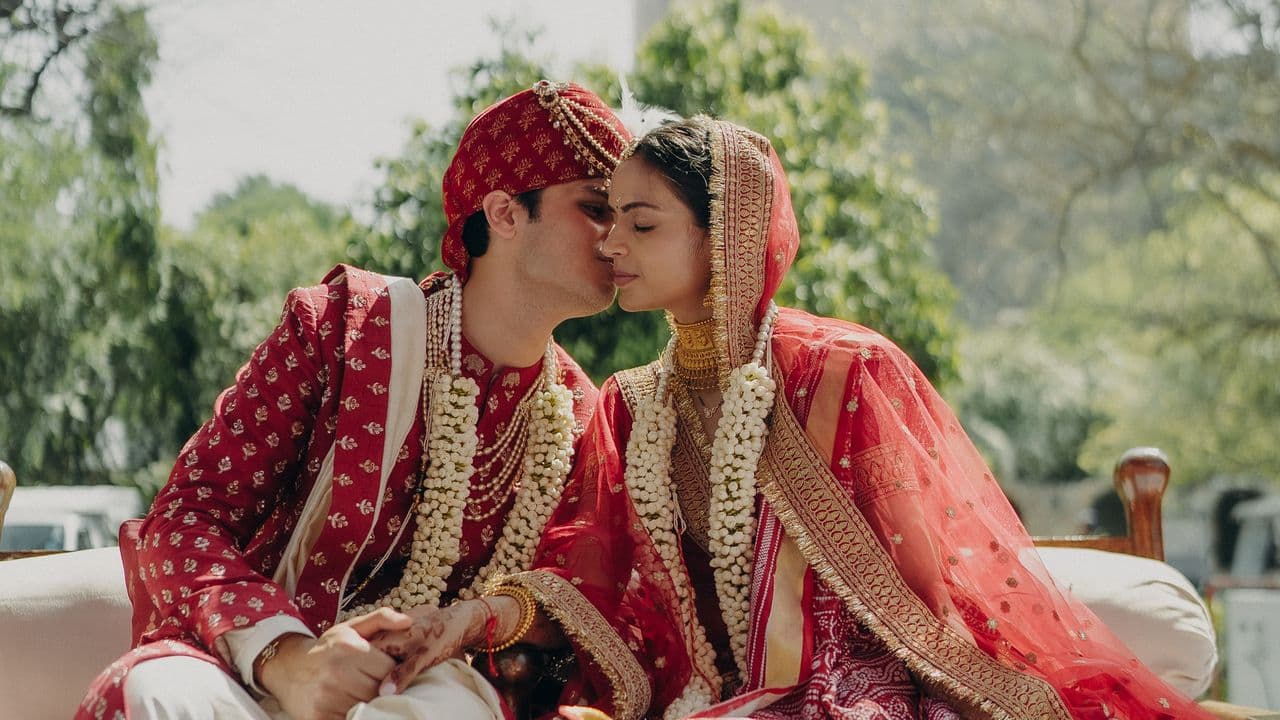
Jaipur sets the tone before the clothes even enter the frame
This Jaipur interfaith wedding works because the setting is doing real fashion work, not just background duty. The May 13 Vogue India Wedding Diaries story by Thea Mulchandani brings in folk singers, a tarot reader and live block-printing, and that mix gives the wedding wardrobe a pulse you can actually feel. The clothes stop being isolated “looks” and start reading like part of a place, a community, and a specific social ritual.
That is the power of Jaipur in a bridal story. The city is known for Sanganeri, Bagru and Dabu block-print traditions, and that craft lineage gives any wedding in the region an immediate sense of authenticity. Jaipur is not a blank luxury canvas. It is a city with textile memory, and when a wedding leans into that reality, the outfits gain weight without needing to shout.
Why live craft changes the way bridal fashion reads
Live block-printing is the kind of detail that turns a wedding from photogenic to memorable. When guests can watch a textile language being made in real time, the clothing feels earned, not simply styled. That matters in bridal fashion, where too many events separate décor from dress, as if the room and the wardrobe were speaking different languages.
In this Jaipur story, the craft is not decorative filler. It reinforces the idea that clothing can be experiential, especially in a wedding where identity is already layered. Block-printing makes the atmosphere tactile. Folk singers make it audible. Together, they create a setting where the bride and groom’s choices feel less like props for a feed and more like a grounded expression of taste.
The Jaipur context makes that even sharper. Incredible India identifies Jaipur as famous for its block print textiles and notes that the process uses natural colors. That detail matters because natural color work has a different feel from slick, over-processed surface treatment. It suggests depth, restraint and a closer relationship between garment and environment, which is exactly what makes craft-led bridal dressing resonate.
The city’s textile history is the point, not a side note
If you want a wedding wardrobe to feel culturally rooted, Jaipur gives you a blueprint. Sanganeri hand block printing originated in Sanganer, a small village near Jaipur, and Jaipur’s broader craft identity is built on that kind of regional specificity. This is not some vague “Indian-inspired” aesthetic. It is a real textile geography with named traditions and visible techniques.
The city’s craft culture also has institutional support, which is part of why it keeps showing up in design conversations. The Anokhi Museum of Hand Printing near Amber Fort is dedicated to hand block printing in the Jaipur region, and that kind of preservation keeps the work legible to visitors, designers and couples looking for more than generic luxury. When wedding fashion borrows from a place with that much textile infrastructure, the result can feel informed instead of opportunistic.

For bridal styling, that means the smartest references are usually the most local ones. Sanganeri, Bagru and Dabu already carry strong visual identities, so the job is not to overcomplicate them. It is to let the cloth breathe, let the print sit against the body with clarity, and let the venue and performance around it deepen the story.
What an interfaith wedding adds to bridal fashion
The interfaith dimension changes the emotional register of the whole event. In India, the Special Marriage Act, 1954 is the secular legal framework commonly used for interfaith marriages, and that legal context matters because it often shapes how couples think about ceremony, privacy and public visibility. Recent legal commentary also notes that current procedures can bring public-notice and registration-related scrutiny, which makes the act of marrying across religions feel both personal and public at once.
That tension is exactly why fashion becomes more meaningful here. Clothes in an interfaith wedding can carry more than aesthetic intention. They can act as a shared language, allowing a couple to build a visual world that does not flatten either background. When the setting includes folk singers, a tarot reader and live block-printing, the wedding signals openness without dissolving specificity.
For couples building a similar look, the lesson is not to over-theme the event. The sharper move is to let each element do a job. Let the music ground the room. Let the craft activate the textiles. Let the wardrobe speak in fabrics, prints and silhouettes that feel connected to the place rather than borrowed from a mood board.
How to build a wardrobe that feels grounded and guest-experiential
The best part of a place-based wedding wardrobe is that it gives guests something to remember beyond the usual couple portrait. The clothes become part of the room’s sensory memory: dyed cloth, printed surface, live music, movement. That is the difference between a wedding that photographs well and one that stays lodged in people’s heads.
A strong approach looks like this:
- Start with a regional craft language, not a generic luxury brief. Jaipur gives you Sanganeri, Bagru and Dabu as real points of reference.
- Keep the materials honest. Natural-color block printing already has texture and depth, so the styling should not smother it.
- Use performance as part of the dress code’s meaning. Folk singers, in particular, make the space feel lived-in rather than staged.
- Build around the location’s institutions and history. Jaipur’s craft culture, including the Anokhi Museum of Hand Printing near Amber Fort, gives the story more than pretty scenery.
- Think about what guests experience as much as what the camera sees. Live block-printing turns the wedding into something happening, not just something being documented.
This is where bridal fashion gets smarter. It stops chasing a purely visual climax and starts creating an atmosphere that people can enter. In Jaipur, that means the clothes do not sit apart from the setting. They belong to it.
Why this wedding lands now
Fashion keeps circling back to authenticity, but authenticity only works when it has structure. This Jaipur wedding does not rely on vague ideas about tradition or heritage. It points to a real city with named block-print traditions, a museum dedicated to the craft, a legal framework that shapes interfaith marriage, and a wedding environment where music and live printing are part of the same conversation as the clothes.
That is the takeaway for bridal fashion right now. The most compelling wedding wardrobes are not necessarily the loudest or the most decorated. They are the ones that understand place, use craft with intent, and let guests feel the making of the moment, not just see the final picture.
This article was produced by Prism’s automated news system from verified source data, official records, and press releases, then run through automated quality and moderation checks before publishing. The system is built and supervised by the people who set the standards it runs under. Read our full AI policy.
Did this article answer your question?