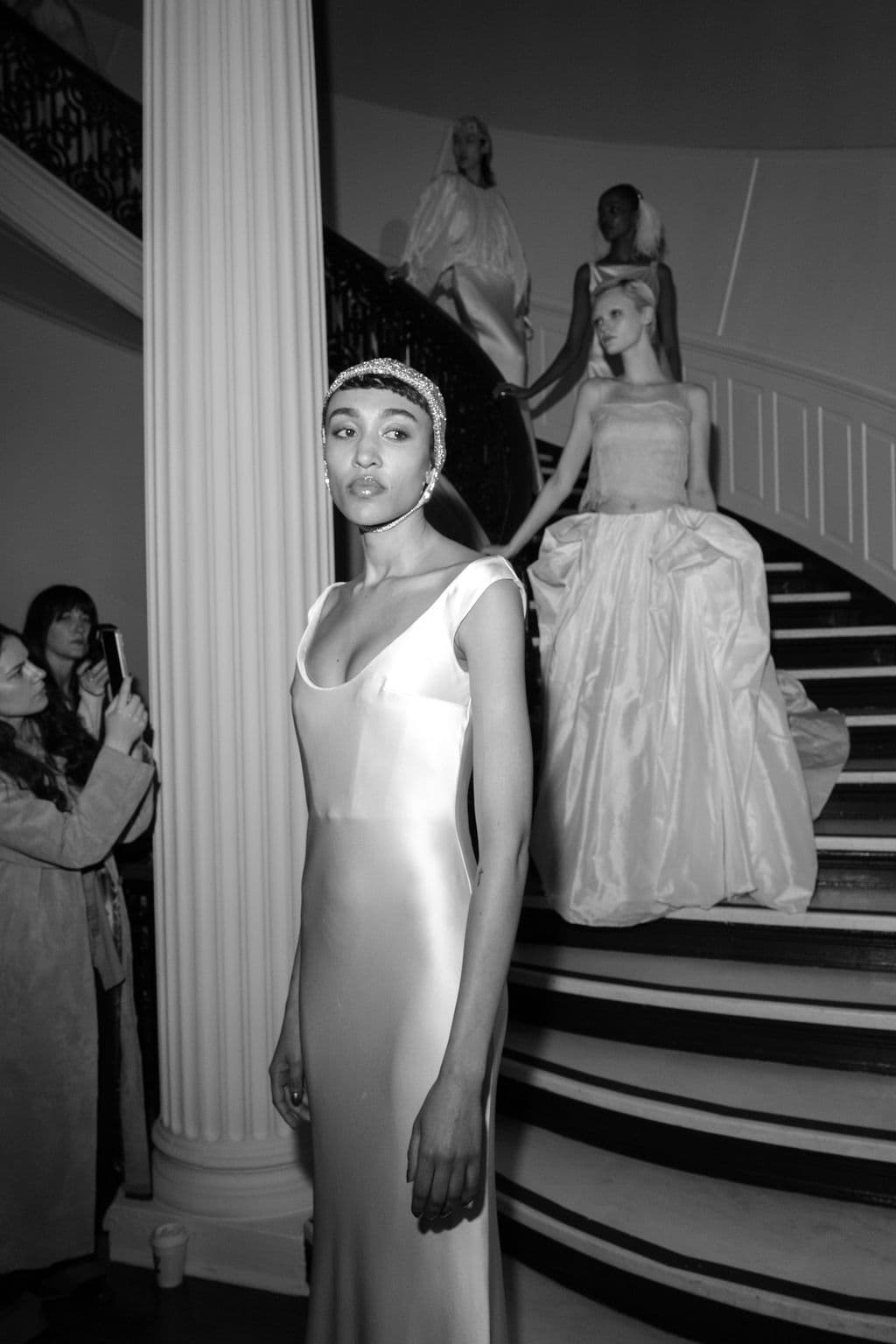
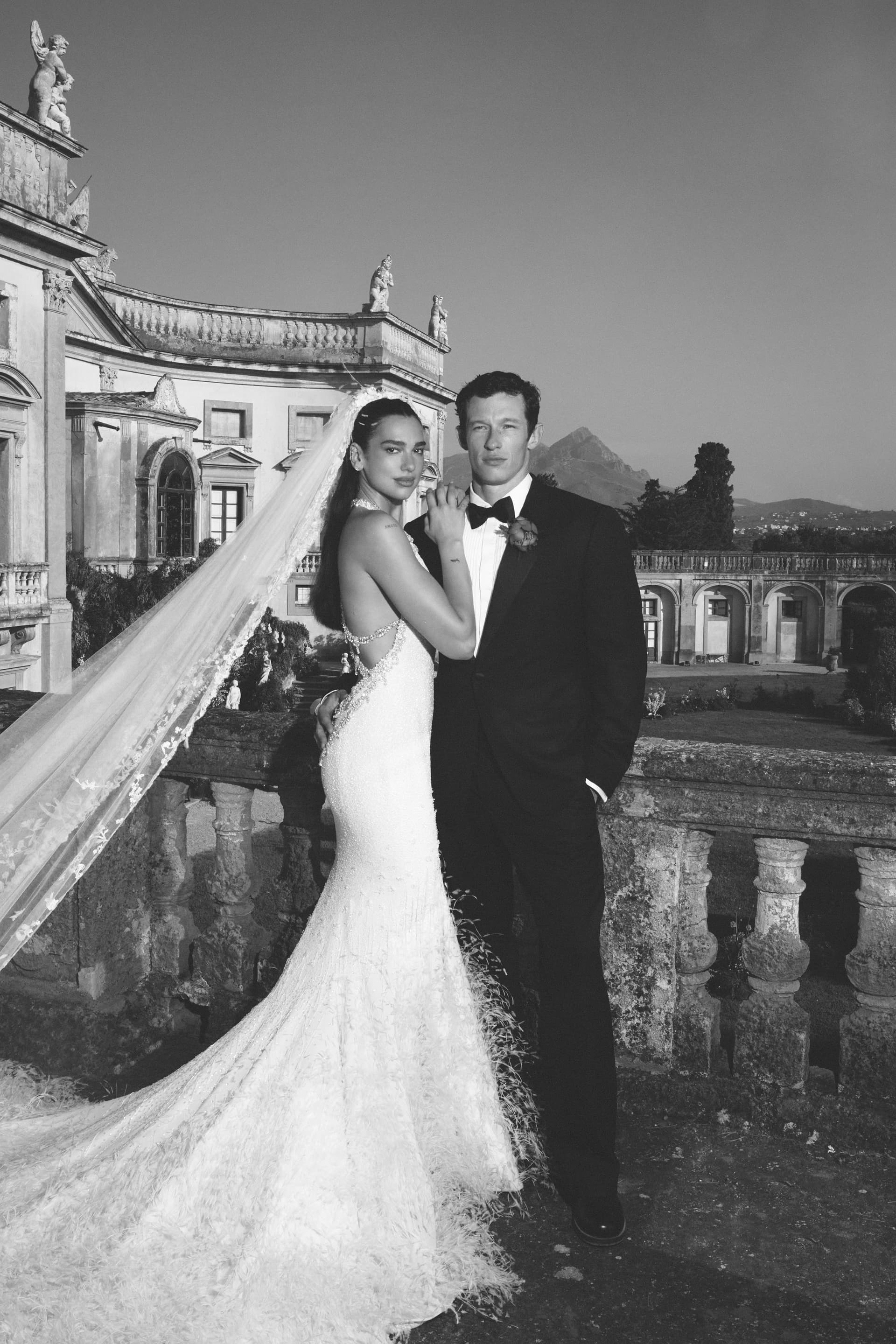
Maids to Measure redefines bridesmaid style with color and individuality
Maids to Measure captures the move from matching bridesmaids to coordinated individuality, with color-led dresses designed to be worn again.

Maids to Measure has become a neat shorthand for where bridesmaid dressing is headed: less uniform, more considered, and far more useful after the confetti settles. The British label is built around a simple but persuasive idea, that a bridal party can look cohesive without looking copied and pasted, and that summer wedding dressing should feel easy rather than prescribed.
A bridesmaid shift with real market stakes
The June 2 editor pick from The Wedding Edition treats Maids to Measure as more than a dress brand. It positions the label as part of a broader change in how bridal parties are being dressed in 2026, where individuality, comfort, coordinated colour families and rewearability are steadily replacing the old insistence on identical gowns. That matters because bridesmaid shopping has become less about finding one uniform look and more about solving a styling problem across different body types, tastes and wedding settings.
Maids to Measure fits that shift especially well because its clothes are built for variety without losing visual harmony. A bridal party can stay inside one colour story while moving between silhouettes, fabrics and levels of formality, which is exactly what modern summer weddings demand. The result is a look that feels polished in photographs, but also practical enough to survive the rest of the season.
How the brand was built
The label was founded in 2012 by sisters Sinclair and India Sellars after they spotted a gap in the market for fashion-forward British-designed bridesmaid dresses. India Sellars had worked at Vera Wang, and that background matters: it gives the brand a point of view shaped by the realities of bridal fashion rather than generic occasionwear. At the time, the sisters have said brides were being pushed either toward big U.S. names or toward slow online options that did little for originality.
That origin story explains why Maids to Measure still reads as a response to a problem rather than a trend-chasing exercise. It describes itself as the UK’s first specialist British bridesmaid brand, and its evolution suggests a business that has grown with the way brides actually shop now. The label moved from bespoke dresses into off-the-peg styles after investment from Dragons’ Den investor Touker Suleyman in 2016, a change that broadened access without abandoning the idea of considered dressing.
Why color is now doing the styling work
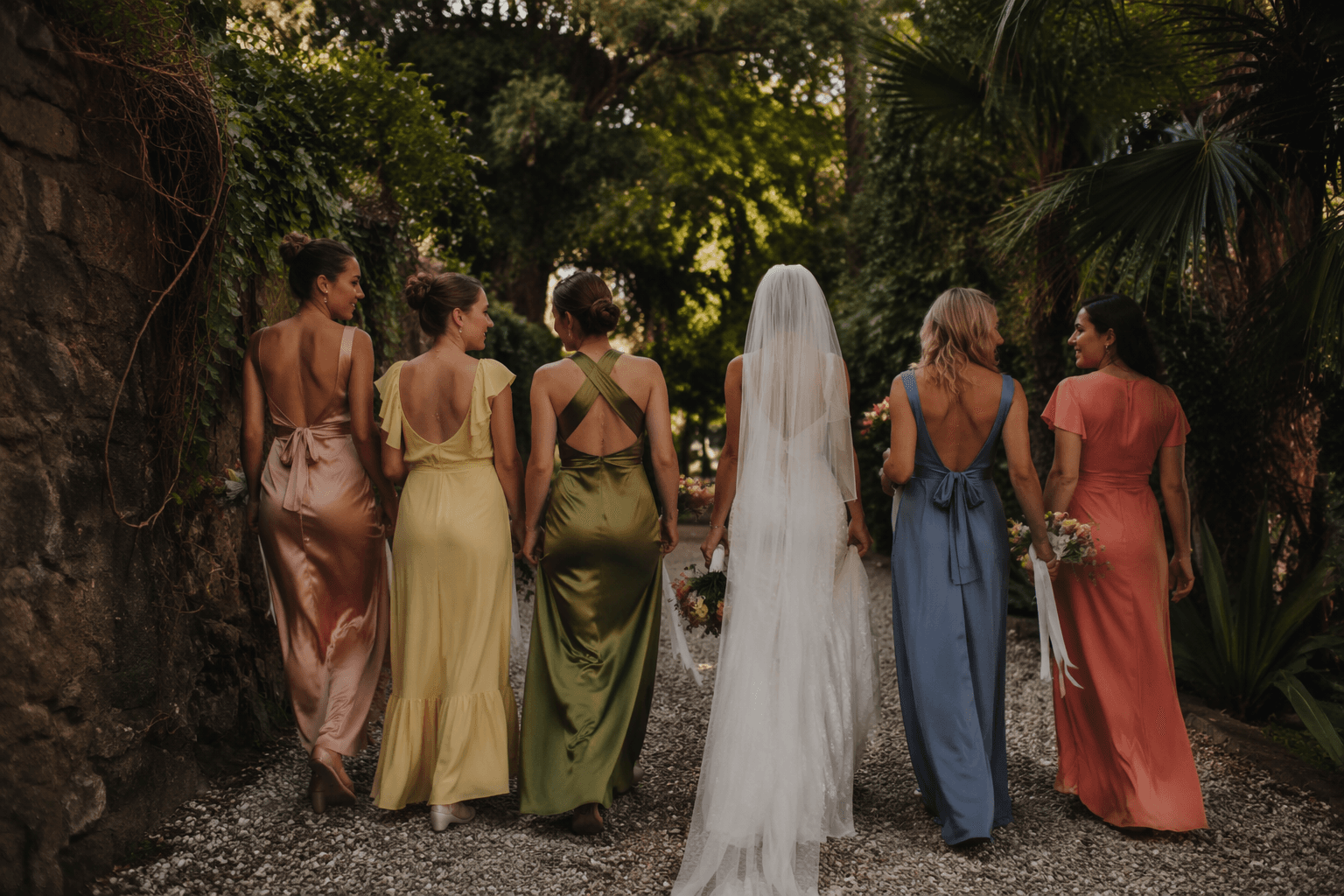
For bridesmaid looks, colour has become the new anchor. Maids to Measure now offers more than 30 styles and colours, including pastel, floral and printed options, which gives brides a way to create a mood without forcing everyone into the same silhouette. That flexibility is one reason the brand feels so current: it understands that a bridal party can be visually unified through tone and texture, not just repetition.
This is also where the summer-event appeal comes in. Pastels soften beautifully in daylight, florals feel festive without tipping into costume, and prints can lend a little movement and personality when a wedding stretches from ceremony to reception to late-night dancing. The smartest bridesmaid wardrobes now borrow the logic of a good capsule wardrobe: one palette, multiple interpretations.
Silhouette flexibility is the real luxury
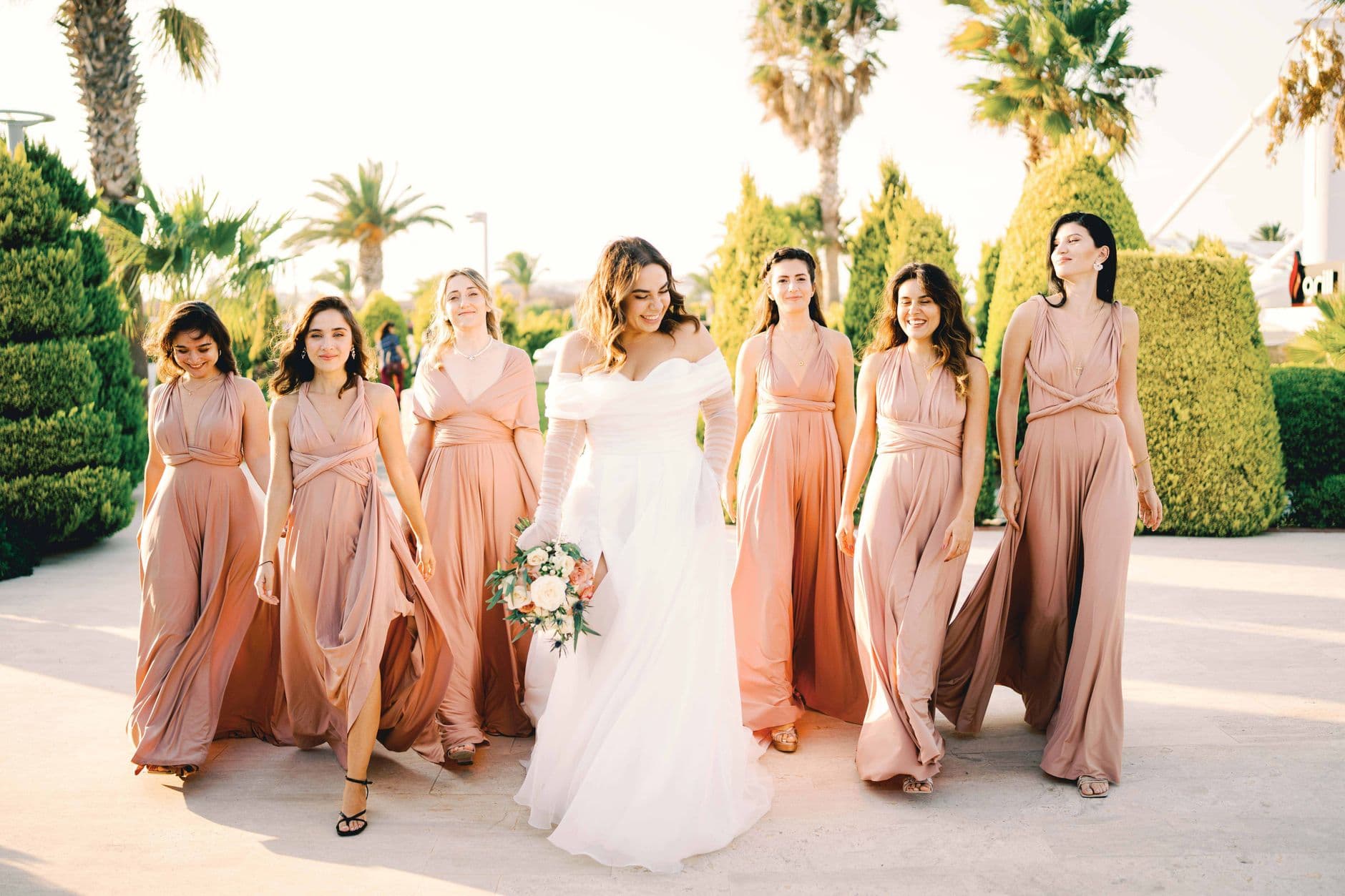
The brand’s sizing and style range tells the same story. Maids to Measure lists sizes 6 to 26 and includes maternity and plus-size bridesmaid dresses, plus mix-and-match options that let a group adapt the look to different figures and preferences. That is not a small detail, because the modern bridal party is expected to look coordinated while accommodating real women, real comfort and real confidence.
Silhouette flexibility also changes how brides shop. Instead of choosing a single dress and hoping it works on everyone, they can build a family of looks that feels deliberate from every angle. One bridesmaid can wear a more structured shape, another a softer line, another a bump-friendly cut, and the overall effect still reads as unified if the colour and fabric story is disciplined.
Rewearability is no longer a nice extra
The push toward dresses that can be worn again after the wedding is one of the most telling changes in bridesmaid style, and Maids to Measure is well placed inside it. Off-the-peg pieces naturally lend themselves to a second outing, whether that means a garden party, a smart summer lunch or another wedding entirely. Brides are increasingly thinking beyond the day itself, and that changes what counts as a successful bridesmaid buy.
That post-wedding value gives the whole category a different tone. Bridesmaids no longer have to feel like they are renting out their personality for one ceremony. When a dress has a clear colour story, a flattering cut and enough polish to live beyond the aisle, it earns a better place in the wardrobe and in the budget.
The Floral Edit and the current bridal mood
Maids to Measure’s June 2026 launch of The Floral Edit collection lands neatly inside this moment. Floral dressing can sometimes feel overly precious, but in the right hands it becomes a way to add movement, softness and seasonal lift without losing structure. Here, it reads less like decoration and more like an argument for bridesmaid dressing that feels fresh, light and tailored to summer.
The collection also reinforces why the brand remains relevant as bridal-party style gets looser and more personal. A bridal luncheon at Four Seasons Hotel London at Ten Trinity Square and the ongoing appetite for modern bridesmaid dressing both point to the same direction of travel: brides want options that look elegant in the room, photograph beautifully, and still feel worth wearing afterward. Maids to Measure understands that the new luxury in bridesmaid dressing is not sameness, but choice with discipline.
This article was produced by Prism’s automated news system from verified source data, official records, and press releases, then run through automated quality and moderation checks before publishing. The system is built and supervised by the people who set the standards it runs under. Read our full AI policy.
Did this article answer your question?