Pippa Middleton's 2013 wedding guest look defines 2010s style
Pippa Middleton’s peplum bodycon moment bottled the 2010s wedding-guest dress code: fitted, glossy, and just dramatic enough to photograph well.

Pippa Middleton’s 2013 look is the peplum dress in full view
At Lady Melissa Percy’s wedding, Pippa Middleton did exactly what the best wedding guests do: she dressed for the room and for the cameras. Her printed peplum dress, black fascinator, and ebony heels made the case for a very specific kind of 2010s polish, one that now reads instantly as a style time capsule.
The wedding took place on June 22, 2013, at St Michael’s Church in Alnwick, Northumberland, with celebrations linked to Alnwick Castle. Getty Images captions confirm Middleton was there that day, and contemporary coverage placed her among the most noticed guests at the society-heavy ceremony. Prince William and Prince Harry attended, along with Chelsy Davy, Cressida Bonas, Princess Beatrice, Princess Eugenie, and James Meade. Kate Middleton missed the wedding because she was pregnant with Prince George, which only sharpened the attention on her sister’s outfit.
The silhouette: why peplum felt so right then
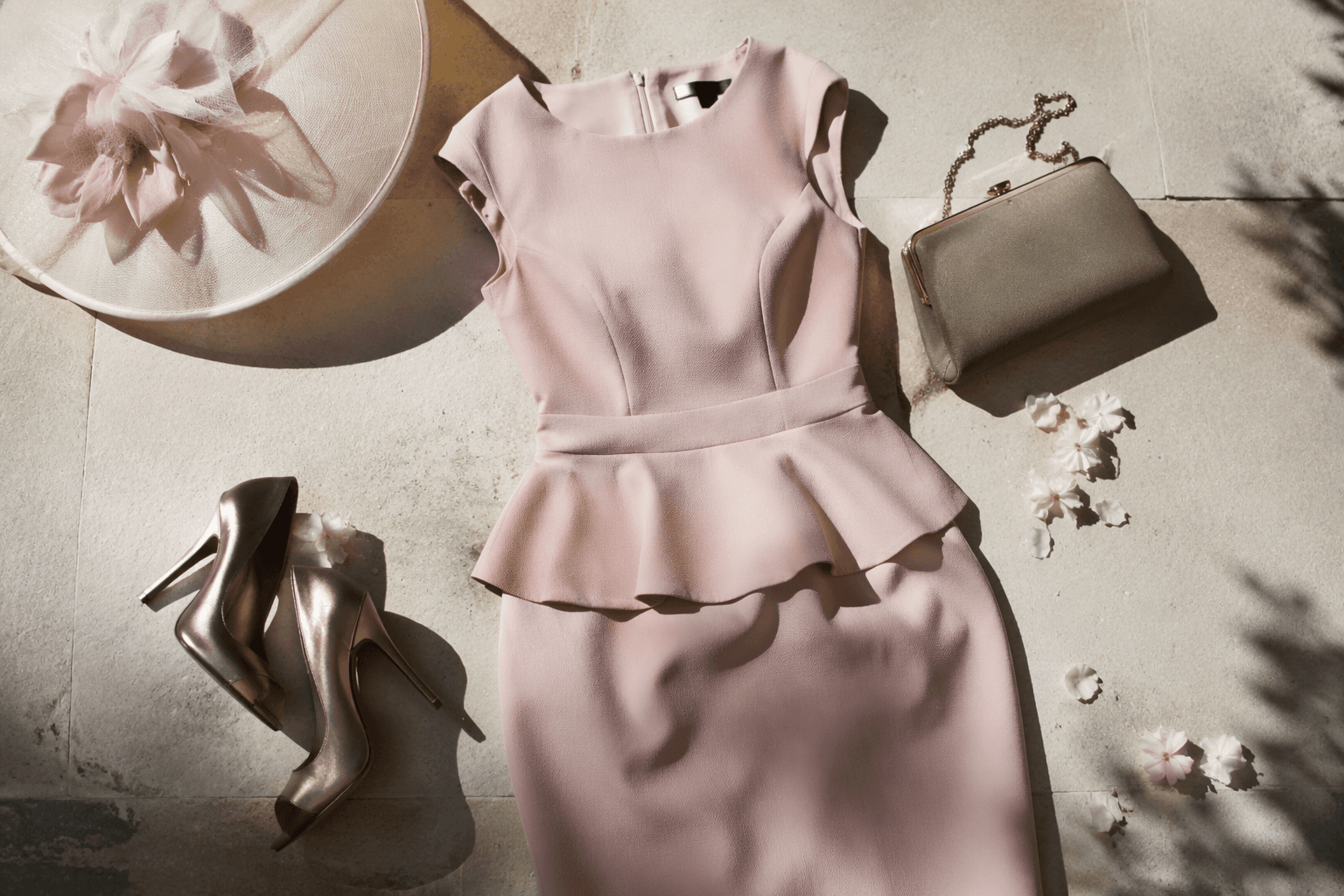
The dress was a Tabitha Webb design from the A/W 2013 collection, and the silhouette says almost everything you need to know about the decade. It was fitted through the body, with a defined peplum at the waist, the kind of shape that created structure without needing much embellishment. In the early 2010s, that was the formula: cinch the waist, skim the hips, keep the line polished and deliberately sculpted.
That bodycon shape worked especially well for wedding-guest dressing because it looked formal without feeling fussy. The peplum gave the dress movement and a little cover, while the narrow skirt kept it sharp. It was a dress meant to be seen from every angle, and it understood the social event as much as the photograph.
The print: how monochrome made the dress wedding-appropriate
The print was doing real work here. HELLO! has described the dress as white with a black paint-splash pattern, while other contemporary coverage called it monochrome printed and black-and-white. Either way, the effect was the same: the pattern softened the severity of the fitted shape and gave the dress enough visual interest to stand up in a crowd of formalwear.
This is one of the most useful lessons from the look. In the 2010s, wedding guests often relied on contrast prints to keep a tight silhouette from feeling too severe. The result was often a little graphic, a little glossy, and unmistakably of its moment. Today, that same move still works if the print is toned down, the palette is restrained, and the overall effect feels clean rather than costume-like.
The accessories: why the styling made the outfit feel complete
Middleton finished the look with a black fascinator, black patent court shoes or ebony heels, and a small clutch. That combination gave the dress its full formal register and anchored the monochrome palette from head to toe. The fascinator mattered as much as the dress itself, because it turned a fitted cocktail-style piece into a proper royal-wedding guest outfit.
This is also where the outfit starts to feel most 2010s. The hat, the high-shine shoes, and the compact clutch created a very coordinated finish, the kind that was once considered impeccable and now can feel a touch over-assembled. The look worked because every piece committed to the same idea. It feels dated now for the same reason: there is no friction, no looseness, no modern restraint.
What still reads as a good idea
Some parts of this outfit have come back into rotation, just in more refined forms. A defined waist is absolutely still relevant, especially for wedding dressing where shape matters in photographs. A monochrome palette also remains one of the easiest ways to look elegant without competing with the occasion.
The piece worth stealing is the discipline. The dress is fitted, but not chaotic. The print is assertive, but not loud. The accessories are coordinated, but not overworked. If you want to reference this era now, that balance is the point: structure, contrast, and polish, all edited down.
What feels dated now
The peplum bodycon combination is the part that most clearly belongs to the 2010s. In 2026, that mix can look too exacting, too aware of the body, and too determined to sculpt every line. HELLO!’s recent framing of the look as a distinctly 2010s wedding-guest moment gets to the heart of it: this is the decade of the fitted dress doing the most.
The black fascinator and patent heels also push the outfit further into period territory. They are not wrong, but they are highly specific. Today’s version of wedding guest dressing tends to feel lighter, softer, and less matchy, with more room for texture, drape, or an easier silhouette.
How to wear the era now without looking stuck in it
If you want to borrow from Pippa Middleton’s 2013 look, keep the idea and lose the rigidity.
- Choose one strong element, not three. A peplum-inspired waist or a monochrome print is enough.
- Replace a bodycon fit with a softer column or a gently tailored midi.
- Keep the palette clean, but swap glossy patent shoes for satin, suede, or matte leather.
- Treat the fascinator as optional, not automatic. A sculptural headpiece or simple hair accessory can feel fresher.
- Use contrast sparingly. A black-and-white dress still looks modern when the silhouette is relaxed.
The reason this outfit keeps coming back into conversation is simple: it captured a clear fashion mood at a very public wedding, with every detail working toward the same polished impression. But the best lesson from it is not how to recreate it exactly. It is how to edit it, so the 2010s remain an influence rather than the whole story.
This article was produced by Prism’s automated news system from verified source data, official records, and press releases, then run through automated quality and moderation checks before publishing. The system is built and supervised by the people who set the standards it runs under. Read our full AI policy.
Did this article answer your question?