Pippa Middleton’s wedding dress still fascinates, designer reveals why
Pippa Middleton’s dress still works because every detail was engineered, from seam-free lace to pearl balance. Giles Deacon’s new comments explain why brides still copy it.
Pippa Middleton’s wedding dress still fascinates, designer reveals why
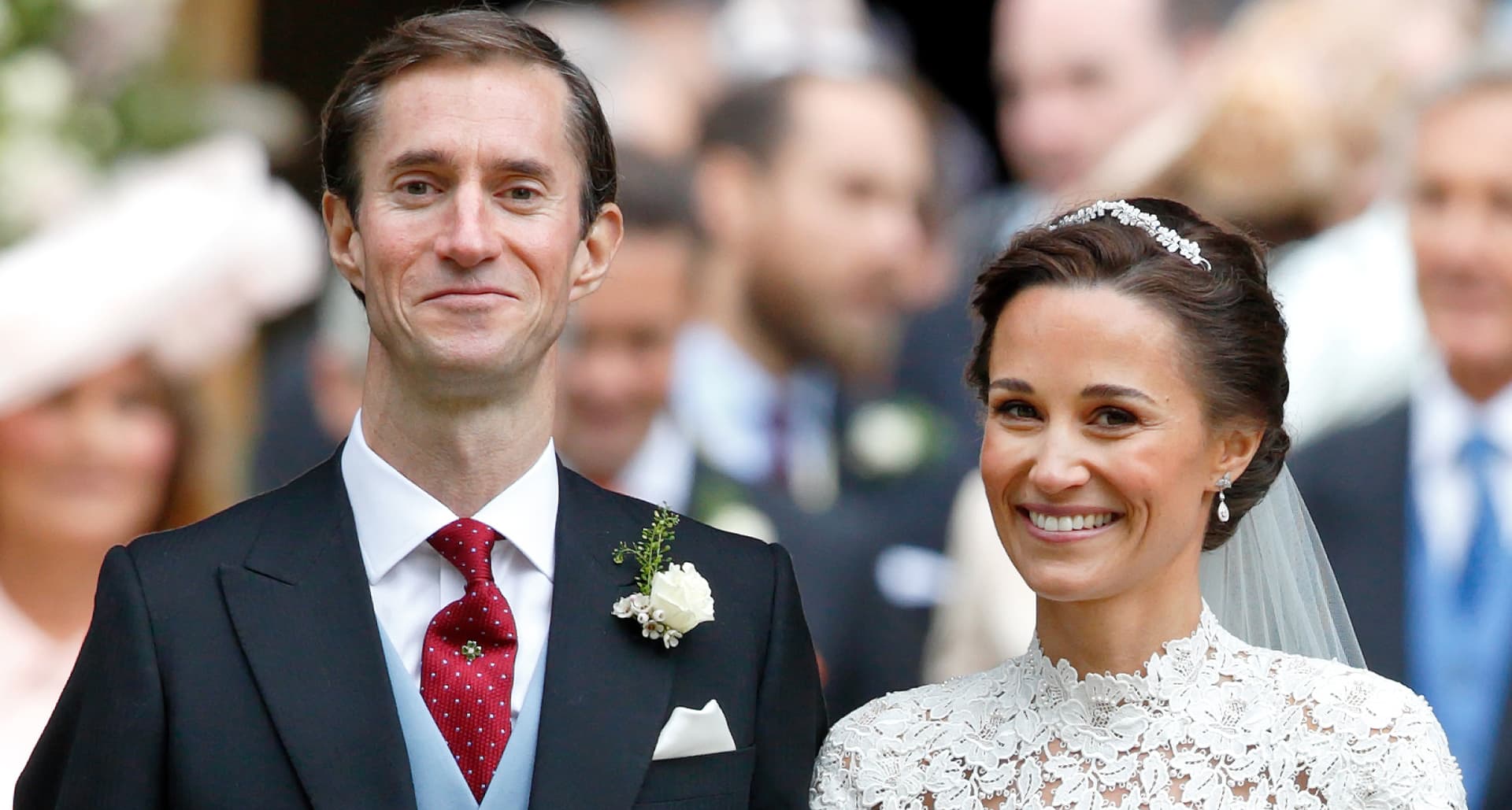
Pippa Middleton’s wedding dress has lasted because it never tried too hard. On her May 20, 2017 wedding day at St. Mark’s Church in Englefield, the look was polished, precise and quietly theatrical, the kind of bridal dressing that still feels modern nine years later. With Giles Deacon now describing how he built the gown, the appeal becomes clearer: this was not simply a pretty lace dress, but a lesson in how construction, proportion and restraint can make a wedding look memorable for all the right reasons.
Why the gown still reads as special
Deacon designed the dress to create what he called a “how-was-that-done?” effect, and that idea is the secret behind its staying power. The gown was hand-pieced so carefully that no seams showed, which gave the lace a seamless, almost floating quality rather than the stiff finish so many bridal dresses can have. That invisible labor is what makes the dress feel expensive in the best way: not loud, not overworked, just immaculate.
The silhouette helped too. A high neck and cap sleeves gave the bodice coverage and structure, while the full skirt softened everything into movement. Add the keyhole back and the heart-shaped detail at the rear, and the dress found the sweet spot between demure and seductive. It was classic, but not sealed off from personality.
The construction details brides can actually borrow
For brides shopping now, the most useful lesson is not “wear lace.” It is place the lace with intention. Pippa Middleton’s dress worked because the lace was not scattered everywhere as decoration; it was built into a disciplined shape, with a silk-cotton lace bodice over an organza and tulle underskirt. That layering matters because it keeps the dress airy and dimensional instead of flat.
- A neckline that frames the face cleanly, like a high neck or soft stand collar.
- Lace placed where structure matters most, especially the bodice and sleeve line.
- An underskirt that gives volume without heaviness, so the gown moves instead of dragging.
If you want the same effect, look for three things:
The real sophistication of the dress is how little it relies on excess. It does not need corsetry shouting from the sidelines or decoration fighting the body. The shape does the work.
Why the skirt still feels fresh
Deacon has said the skirt movement was inspired by the dancing scenes in the 1963 film *The Leopard*, and that reference explains the gown’s cinematic polish. The skirt does not just sit there; it has sweep, rhythm and a little drama in motion. That is one reason the dress photographs so well. From the church doorway to the walk into the reception, the silhouette feels alive.
For brides, that means volume should earn its place. A full skirt is most effective when it moves with you, not against you. If you are choosing a classic gown, focus on how the hem behaves when you walk, turn and climb steps. The best bridal skirt should look graceful from the side and from the back, not only head-on in a mirror.
The accessories were just as deliberate
Pippa Middleton did not overload the dress with competing details. Instead, she let a few carefully chosen pieces sharpen the whole look. She wore the Robinson Pelham pearl drop earrings she had also worn at Princess Kate’s 2011 wedding, which turned the jewelry into a personal “something old” rather than just something sparkly. Her tiara and hairpiece were handmade by Robinson Pelham, and her veil came from Stephen Jones, using tulle with embroidered pearls.
That mix matters because it shows how to balance ceremony with restraint. The veil was decorative, but not busy. The pearls echoed the dress without swallowing it. The Manolo Blahnik pumps, finished with pearl embellishment, extended the same language down to the shoes. Nothing shouted on its own, yet everything belonged to the same sentence.

For modern brides, the styling lesson is simple: if the gown is detailed, keep the veil light and the jewelry coherent. Match texture to texture. Pearls with pearls, lace with lace, structure with a clean heel. The effect should feel edited, not assembled.
The royal framing made the dress unforgettable
The wider wedding scene only amplified the gown’s impact. Catherine, Princess of Wales arrived in blush-pink Alexander McQueen and was photographed adjusting Pippa’s train as she entered the church, a tiny gesture that became part of the visual memory of the day. Prince George, then 3, served as page boy and Princess Charlotte, then 2, was a bridesmaid, both dressed by Pepa & Co. Prince William, Prince Harry, Princess Eugenie, Carole and Michael Middleton, James Middleton, Spencer Matthews, Roger Federer and Mirka Federer were all part of the guest list, giving the wedding the kind of high-profile cast that turns a dress into a reference point.
And then there was the reception at the Middleton family home in Bucklebury, Berkshire, where a glass marquee or glass-enclosed structure reportedly cost more than $100,000. That level of orchestration tells you everything about the mood around the wedding: controlled, elegant and built for privacy. The gown matched that atmosphere perfectly. It looked intimate, but it was designed to hold attention.
Why it still matters for brides now
Pippa Middleton’s dress still resonates because it solves a problem many brides face: how to look classic without looking predictable. The answer is not more embellishment, but better balance. A high neckline can feel fresh when the lace is placed with precision. A full skirt can feel modern when the movement is carefully engineered. Pearl jewelry can feel personal when it connects to family history instead of fashion formula.
That is why the dress endures as a bridal reference point, especially for women who want elegance with backbone. It is the rare wedding gown that feels both rooted in royal fashion history and useful in a fitting room today. Nearly a decade on, the lesson is unchanged: the most compelling bridal style is often the one that looks effortless only because every inch has been considered.
This article was produced by Prism’s automated news system from verified source data, official records, and press releases, then run through automated quality and moderation checks before publishing. The system is built and supervised by the people who set the standards it runs under. Read our full AI policy.
Did this article answer your question?