Pnina Tornai says 2026 brides are choosing dramatic, personalized looks
Tornai’s 2026 read is blunt: brides want drama with a personal signature, from sculpted ball gowns to capes, gloves, and off-the-shoulder lines.

Pnina Tornai’s strongest 2026 message is that bridal drama is no longer about excess alone. It is about giving a bride a silhouette she can recognize instantly as hers, whether that means a full ball gown, a body-skimming mermaid, an off-the-shoulder A-line, or finishing touches like capes and gloves. The point is not restraint. It is intention, and that is exactly why her forecast feels so tuned to the way brides are dressing now.
The shape of the moment
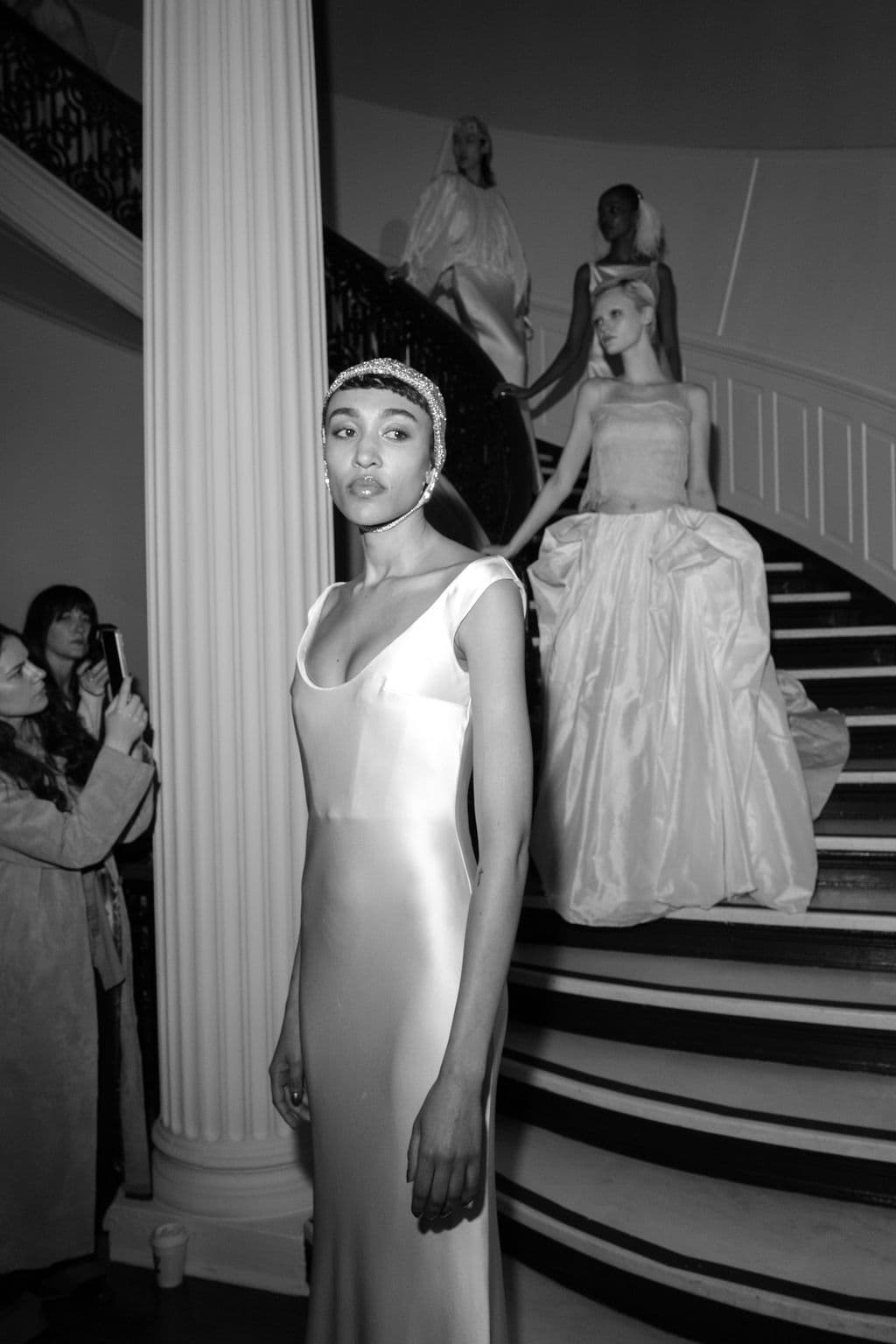
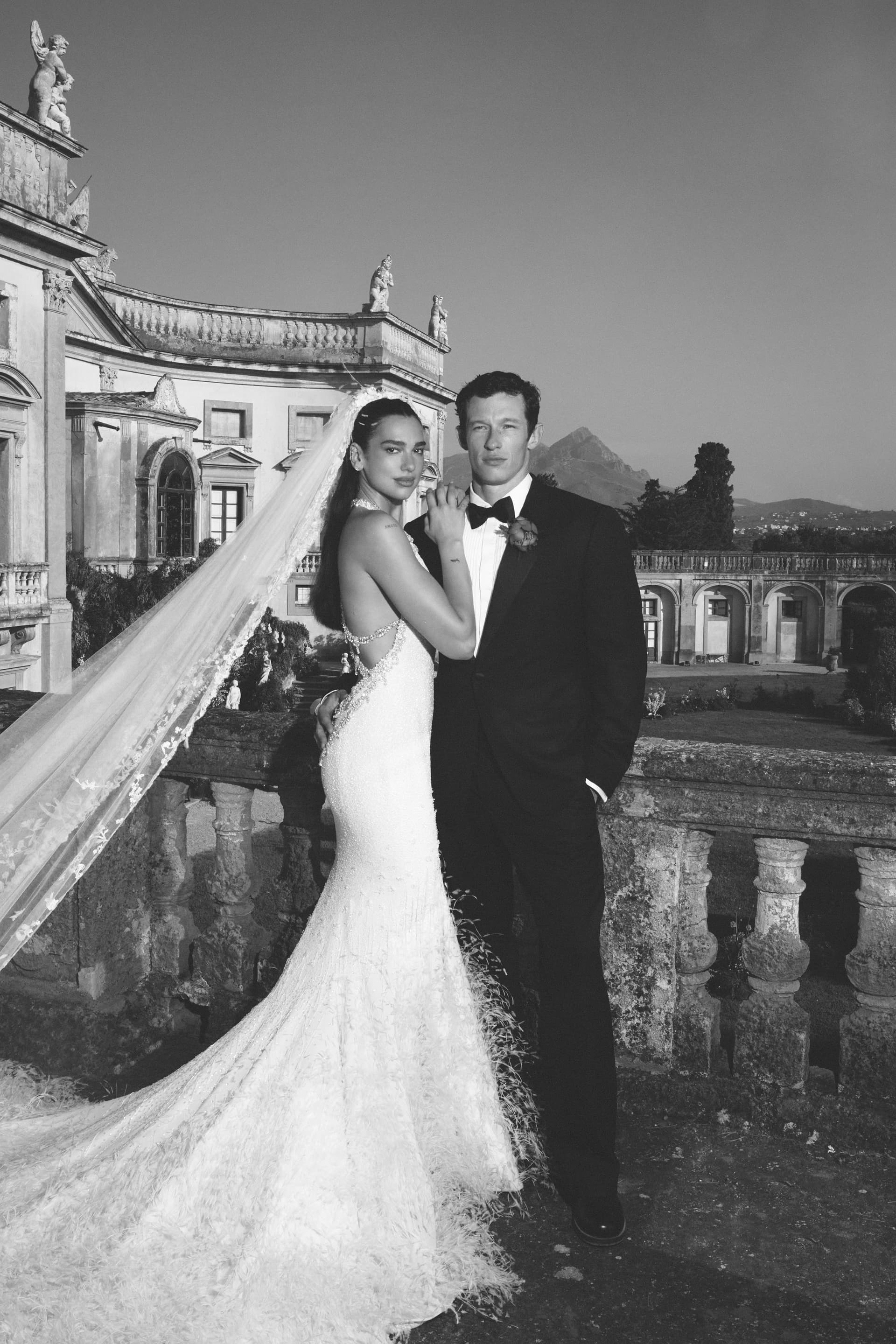
Tornai’s eye has always leaned theatrical, but what makes this forecast distinctive is how clearly it maps to what brides are actually asking for in the salon. A dramatic ball gown still delivers the old fantasy of a grand entrance, yet it can also feel deeply personal when the bodice is precise, the skirt is architectural, and the styling pushes beyond the expected. Mermaid gowns work in a different register, tracing the body with a sharper, more glamorous line, while off-the-shoulder A-lines soften the look without draining it of presence.
That balance matters because the modern bride wants contrast. She wants a dress that looks unforgettable in person, but also reads immediately in photos, on social feeds, and across a crowded room. Tornai’s mix of volume, contour, and finishing layers answers that brief without forcing brides into a single aesthetic lane. Instead, she is sketching a bridal wardrobe that can be dramatic, romantic, and highly individualized all at once.
Why these silhouettes still have real market pull
The reason Tornai’s prediction lands is that these are not fantasy categories floating outside the market. Ball gowns, mermaid dresses, and off-the-shoulder styles are longstanding bridal silhouettes, which means they already have salon credibility and buyer familiarity. The real question is not whether they belong in the conversation, but how they are being refreshed for brides who want something recognizable and still distinctive.
That is where capes and gloves come in. Capes were already a major runway trend at New York Bridal Fashion Week 2024, which gives Tornai’s accessorizing instinct a real commercial backbone rather than a purely editorial one. Gloves do similar work: they sharpen the look, add a note of ceremony, and let a bride customize without rebuilding the dress itself. In a market that rewards individuality, accessories are often the fastest way to move a gown from beautiful to memorable.
The industry machine behind the trend
New York Bridal Fashion Week is where this all gets sorted out in real time. The Knot describes it as the major industry showcase where editors, buyers, stylists, and content creators watch the collections and decide what will eventually appear in bridal salons across the country. That makes Tornai’s forecast more than a mood board. It is a preview of what may survive the filter between runway and retail.
The timing also matters because bridal does not move at fashion-speed. The Knot notes that gown production takes time, from fabric sourcing to stitching and beading, so a silhouette does not become a market reality simply because it appears on a runway. It has to be bought, produced, shipped, and eventually tried on by brides who are making decisions months in advance. That lag is why trend forecasting in bridal is never just about what looks fresh. It is about what can be delivered, repeated, and sold.
Personalization is the real driver
The broader cultural shift underneath Tornai’s forecast is even more revealing. The Knot says Gen Z couples are reshaping wedding planning around personalization and shareability, which explains why a bride might want a recognizable bridal archetype but still insist on a twist that feels distinctly hers. A classic ball gown becomes more current when it is paired with a cape. A mermaid feels more styled when it is finished with gloves. An off-the-shoulder A-line suddenly feels less traditional, more authored.
That instinct is also what keeps these looks from becoming generic bridal talking points. Tornai is not simply repeating the industry’s favorite words, such as romantic, timeless, or modern. She is attaching those ideas to specific, visible decisions in the dress itself. The result is a forecast that understands how brides shop now: they want emotional resonance, but they also want a look that can be shared, saved, and instantly understood.
What the runway is really saying
The Knot’s 2026 and 2027 bridal coverage already looks ahead to collections shown at New York Bridal Fashion Week 2025, which shows how tightly bridal forecasting is tied to the runway calendar. That cycle is important because it explains why Tornai’s ideas feel more like a market signal than a passing mood. Capes have already proven they can dominate a runway. Ball gowns, mermaids, and off-the-shoulder dresses continue to anchor the category. Gloves give the look a sharper point of view.
That is the real read on 2026 bridal style: brides are not abandoning the classics, they are dressing them up with stronger opinions. Tornai understands that the most desirable wedding look right now is not the quietest one in the room, but the one with enough shape, texture, and styling intelligence to feel personal from the first fitting to the final photograph.
This article was produced by Prism’s automated news system from verified source data, official records, and press releases, then run through automated quality and moderation checks before publishing. The system is built and supervised by the people who set the standards it runs under. Read our full AI policy.
Did this article answer your question?