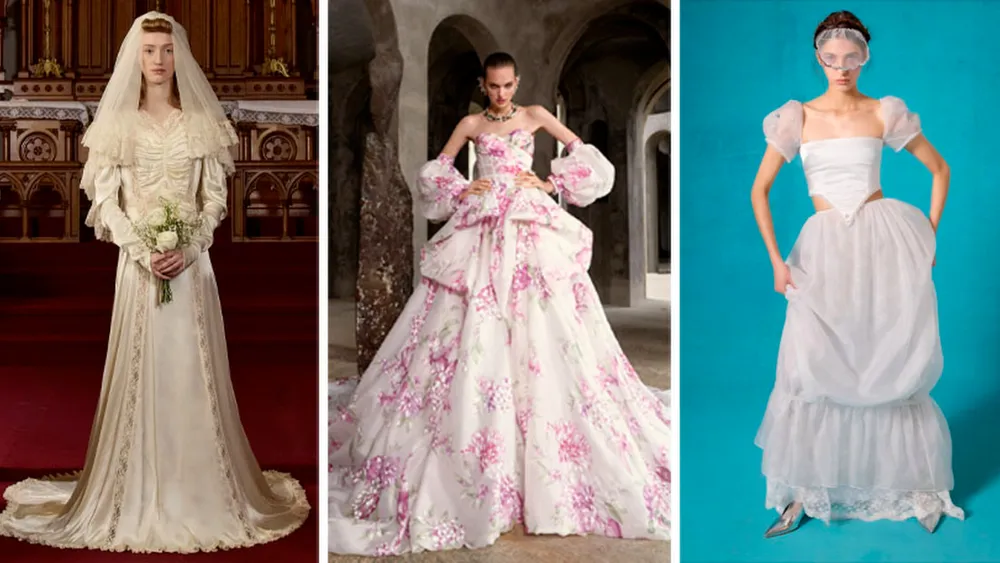
Sara Walker’s pre-loved bridal style shows how to wed sustainably
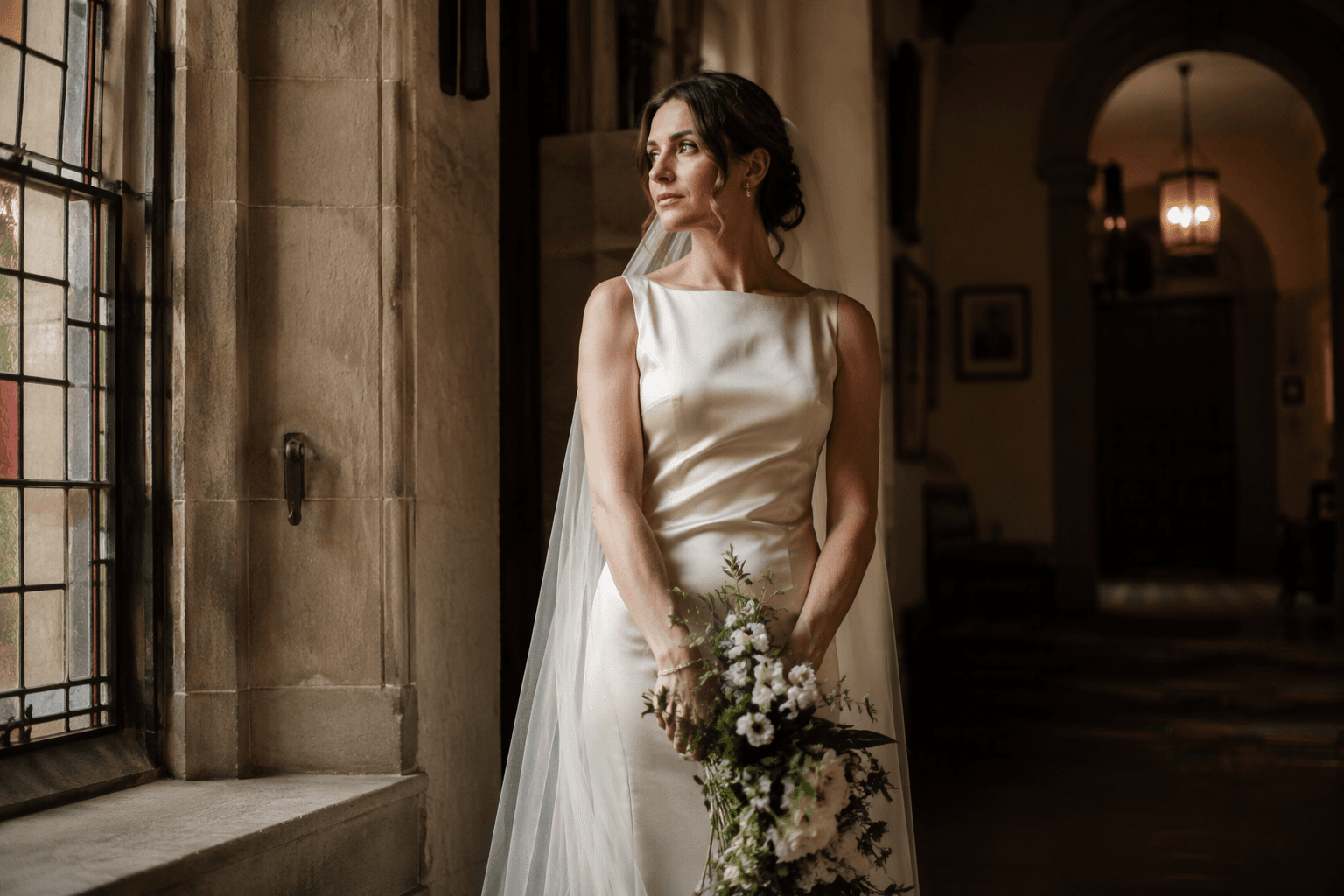
Sara Walker shows how pre-loved bridal dressing can look polished, personal, and genuinely smart when the right pieces are bought secondhand and the rest are tailored or new.
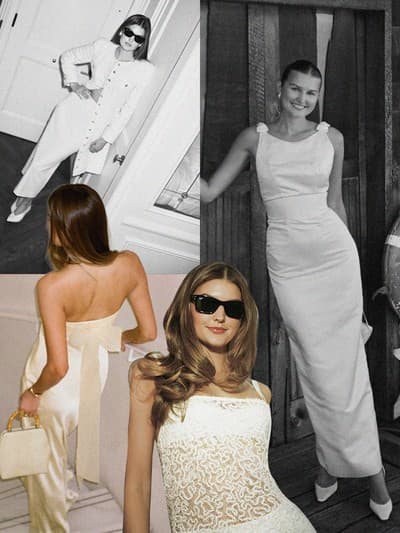
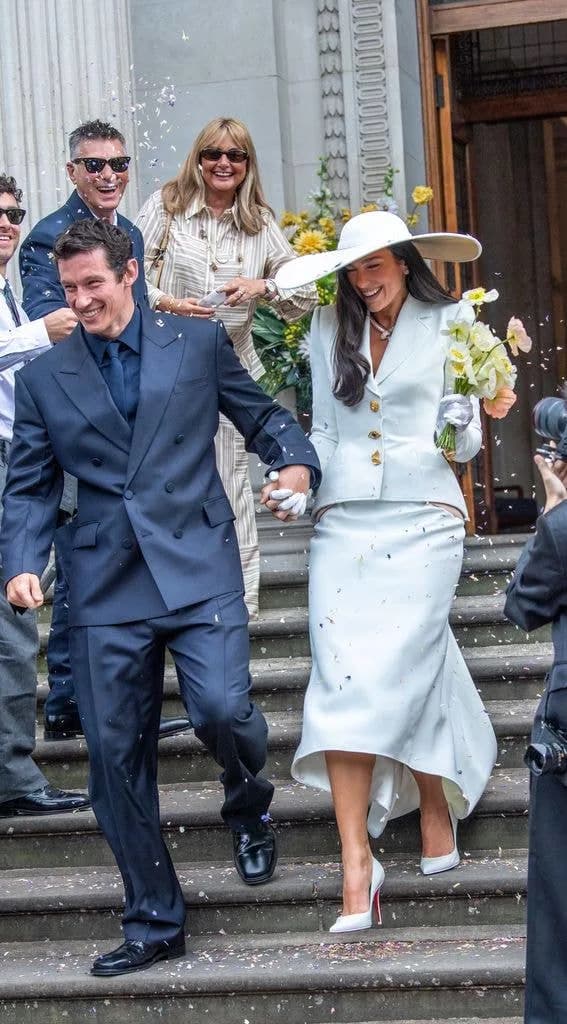
Sara Walker, better known to 160,000 Instagram followers as @StyledSara, got engaged last year and is building her wedding look for the end of this summer. That makes her an unusually useful case study: this is not fantasy dressing, it is a working bridal wardrobe in motion.
In The Knot’s 2026 Real Weddings Study of 10,474 U.S. couples married in 2025, the average wedding dress cost about $2,100 and the average overall wedding cost came in at $34,200. Against numbers like that, pre-loved bridal shopping stops feeling niche and starts looking like common sense with better taste.
Why pre-loved bridal dressing is having a moment
The resale market has matured enough to support real bridal ambition, not just bargain hunting. Online resale accelerated in 2024 and is expected to reach $40 billion by 2029, ThredUp found in its 13th annual Resale Report.
The bridal-specific inventory is deeper too. Vestiaire Collective has 3 million items and more than 12,000 brands on its platform, with luxury pre-loved fashion priced at up to 70 percent off. Stillwhite, the largest global marketplace for preowned wedding dresses, currently lists more than 102,745 gowns. A bride can now search with the same precision she would use for a handbag or shoe.
Even celebrity weddings can move the market. On Vestiaire Collective, searches for vintage wedding dresses spiked 297 percent in the 48 hours after Princess Beatrice’s wedding.
What Sara Walker gets right
Walker’s value lies in the way she makes sustainable bridal style look edited rather than improvised. A fashion-forward bride does not need every piece to be new, and she does not need every piece to be vintage either. The strongest look usually comes from one clear idea, then a careful mix of eras and price points around it.
That is what keeps a pre-loved bridal wardrobe from drifting into costume territory. If the dress has personality, the accessories need discipline. If the silhouette is modern and clean, the vintage element can be more romantic, a lace veil, a pearl earring, a low satin heel, a borrowed-looking clutch with actual provenance.
The same logic applies to the wedding weekend, where the outfit count can climb fast. Rehearsal dinner, welcome drinks, ceremony, after-party, brunch, travel, each one is a chance to overspend on something you will wear once unless you decide in advance which pieces deserve a new purchase and which can come from resale or vintage stock.
What to buy secondhand, what to tailor, what to buy new
The smartest secondhand buys are the pieces that carry mood more than engineering. That usually means accessories, a reception look, and anything that benefits from a little history.
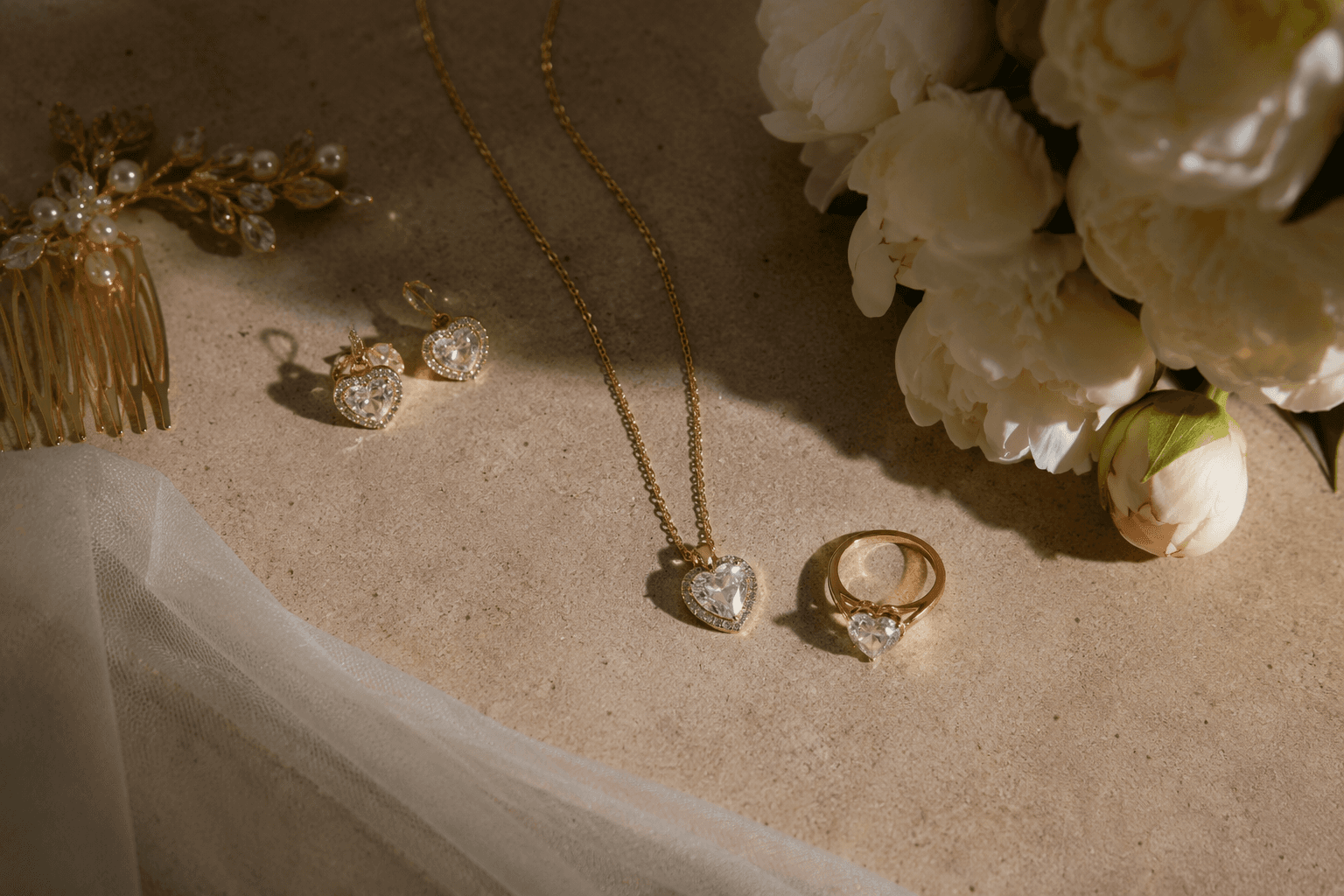
- Buy secondhand: veils, pearl jewelry, hair ornaments, gloves, clutches, evening shoes, capes, shawls, and a second-look dress for the reception or after-party.
- Buy vintage when you want texture: lace, beading, satin with a soft patina, old-world trims, and delicate embellishment that reads more interesting than brand-new shine.
- Buy new or tailor carefully: the main ceremony gown, any corseted bodice, a bustier top, and anything that needs exact support through the waist, bust, and hem.
Bridal construction matters most where fit has to be exact, especially in a ceremony dress that will appear in every photograph. A secondhand velvet heel or pearl drop earring can add character, but a bodice that has not been shaped to your frame can make even a beautiful dress look slightly off.
How to avoid the expensive mistakes
The biggest mistake is buying too many “special” pieces at once. One vintage gown, one archival veil, one statement shoe, and one dramatic bag can easily turn into a costume when what the look really needs is contrast and breathing room. A better edit is one standout pre-loved piece, then quieter support from modern tailoring or clean new accessories.
Fit is the other place where money disappears. Alterations should not be an afterthought, because a bargain gown that needs major reconstruction can erase the savings fast. Search secondhand with your measurements in hand, not your fantasy size, and factor in the cost of hemming, bust adjustments, and any work needed to make the garment sit smoothly under natural light.
Condition matters just as much as the label, especially with bridal whites and creams, which can show wear in a way black eveningwear never will. Look closely at underarms, hems, straps, closures, and beadwork, then decide whether the piece is a true find or a project.
This article was produced by Prism’s automated news system from verified source data, official records, and press releases, then run through automated quality and moderation checks before publishing. The system is built and supervised by the people who set the standards it runs under. Read our full AI policy.
Did this article answer your question?