South Indian heritage meets haute couture in San Miguel de Allende wedding
A Tamil-Punjabi wedding in San Miguel turned Kanchipuram silk and a Gaultier-inspired lehenga into a precise, high-style family story.

The clothes only made sense because the setting did
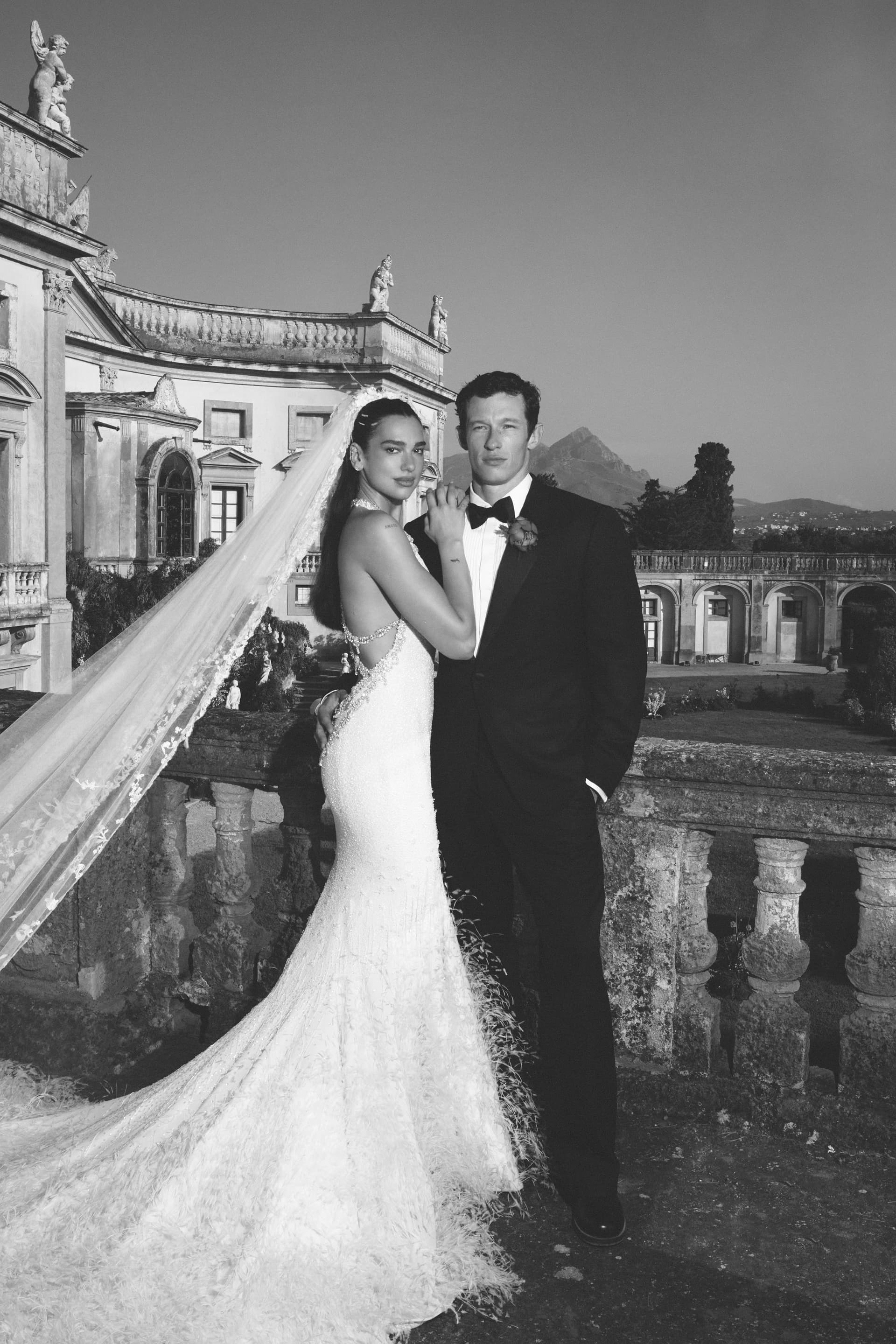
Kimberly Ann Joseph and Evan Charles Benson chose San Miguel de Allende for a wedding that needed room for both family tradition and fashion risk, and the city gave them exactly that. The couple met in 2019 through a casual introduction at a bar in Houston, then built a destination weekend in a place that already knows how to hold ceremony, architecture and romance in the same frame. San Miguel is not a blank backdrop. It is a UNESCO World Heritage site, described by UNESCO as an exceptional example of cultural interchange among Spaniards, Creoles and Amerindians, and Mexico’s INAH notes that the town and the Shrine of Jesús Nazareno de Atotonilco were declared a Zone of Historical Monuments on July 28, 1982 before being inscribed on the UNESCO World Heritage List on July 8, 2008.
That matters because this wedding was not trying to flatten identity into a single aesthetic. It worked because the couple let the location do what it does best: support layered stories. San Miguel’s colonial streets, walkable historic center and established wedding-venue ecosystem make it one of those rare places where a bride can wear temple-rich silk in one moment and a high-fashion silhouette the next without either feeling costume-y. With venues like Quince, Templo de San Francisco and Luna Escondida already part of the town’s luxury wedding language, the weekend had the infrastructure to move from intimate to formal without losing its thread.
Kanchipuram silk gave the wedding its pulse
The most important style decision here was not a trend piece or a dramatic accessory. It was textile specificity. Kanchipuram saris, also called Kanjeevaram, are traditionally woven in Kanchipuram, Tamil Nadu, and they carry deep association with weddings and other auspicious occasions. That gives them a weight that fast fashion could never fake: the sheen of real silk, the density of ceremonial meaning, the sense that the fabric has arrived with generations behind it.
For a wedding like this, Kanchipuram is a smart choice because it does what bridal clothes are supposed to do. It photographs beautifully, it reads as formal instantly, and it speaks to heritage without needing explanation. The Silk Mark Organization of India exists to certify genuine pure silk products, and that kind of authenticity matters in a celebration built around family memory. The point was not to modernize the sari until it disappeared. The point was to let Tamil bridal tradition stand in full view, then build the rest of the wedding around it.
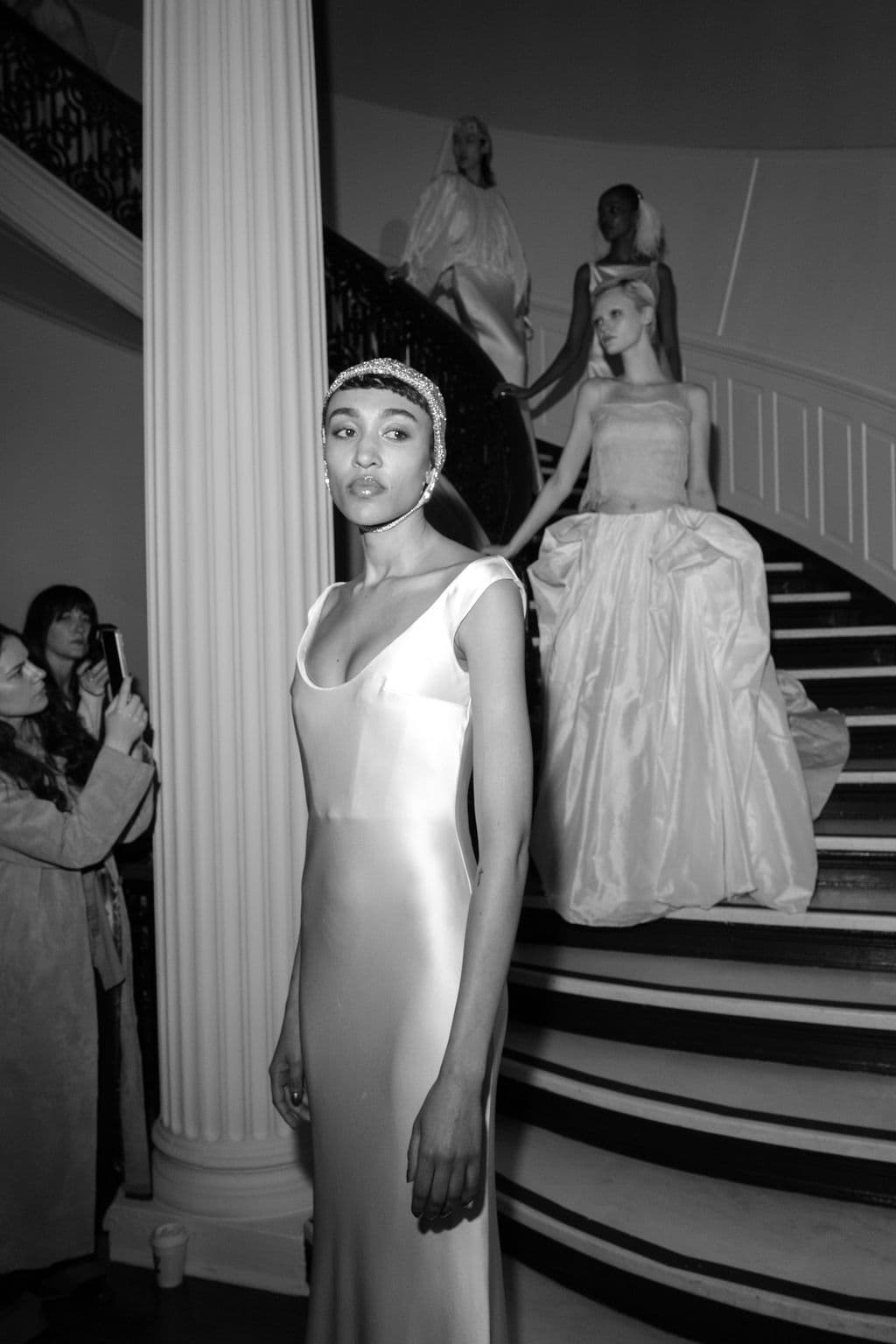
The other half of the fashion story was a Jean Paul Gaultier-inspired lehenga, which brought a very different kind of authority. Gaultier is famous for corsets, body-conscious lines and the kind of design language that turns underwear logic into couture. His corset remains one of fashion’s most recognizable signatures, and the Madonna cone-bra era still defines how many people read his work: sharp, sculpted, a little confrontational, always aware of the body. Translating that into a lehenga is not about imitation. It is about taking the architecture of the silhouette, then folding it into South Asian bridal dress so the result feels fresh without losing bridal gravity.
That is why this wedding lands. It does not treat Tamil and Punjabi heritage as a fusion experiment. It treats them as two strong wardrobes with different forms of elegance. One side gives you woven silk, temple-level richness and auspicious color memory. The other brings corsetry, structure and a little Parisian sting. Put together, they make a bridal language that feels alive.
The weekend unfolded like a proper style narrative
The celebration moved in chapters, and each one served a different visual purpose. The ice-breaker at Quince opened the weekend with sunset views of the Parroquia de San Miguel Arcángel, which is exactly the kind of scene that tells guests this is not going to be a conventional hotel ballroom affair. Quince gave the event height, light and a sense of arrival. It set the tone before the formal clothes came out, letting the destination itself start the conversation.
The ceremony at Templo de San Francisco brought the emotional center. Knanaya Catholic traditions were woven into the ritual to honor the bride’s heritage, which gave the wedding a layer of specificity that so many destination celebrations miss. This is where the fashion and the faith became inseparable. The textiles did not just look beautiful against stone and candlelight. They held meaning because the ceremony itself was built to acknowledge the bride’s lineage with care rather than reducing it to decor.
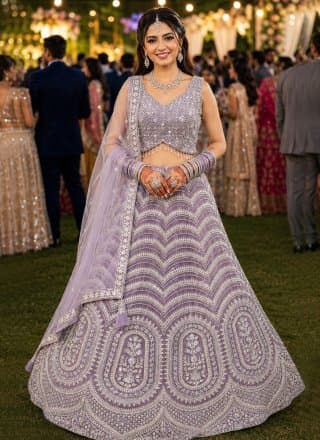
By the time the reception moved to Luna Escondida, the weekend had fully expanded into a feast of atmosphere. Indian cultural heritage and Mexican romance were blended through music, cuisine, florals, layered textiles and warm lighting. That list matters because it shows how to do cross-cultural celebration without turning it into mood-board soup. The textiles were layered, not mashed together. The lighting was warm, not overdone. The music and food were part of the same story as the clothes, which is exactly how a destination wedding should work when it is done well.
Why this is the template to watch
Lucero Álvarez Wedding Agency positioned the weekend as a culturally sensitive celebration where aesthetics, emotion and culture converged, and that is the right way to read it. The Vogue India feature gave the wedding international visibility, but the real significance is practical: this is a blueprint for diaspora couples who want style without erasure. San Miguel de Allende proved it can host a wedding that feels globally polished and locally grounded at the same time.
The lesson is not to chase some vague idea of fusion. It is to be specific. Start with a textile that actually belongs to your family story, like a Kanchipuram sari. Pair it with a silhouette that carries a different reference system, like a Gaultier-inspired lehenga with corset logic and body emphasis. Choose a destination with enough cultural texture to hold both. Then let the ceremony, food, flowers and music follow the same rule: distinct elements, carefully placed, none of them flattened.
That is what made this wedding feel expensive in the best sense of the word. Not because it was loud. Because every detail knew exactly where it came from.
This article was produced by Prism’s automated news system from verified source data, official records, and press releases, then run through automated quality and moderation checks before publishing. The system is built and supervised by the people who set the standards it runs under. Read our full AI policy.
Did this article answer your question?