Spring 2027 Bridal Trends Embrace Color, Texture, and Soft Romance
Spring 2027 bridal steps away from pure white and into color, texture, and soft romance, with the smartest looks feeling sculpted, not costumey.
The new bridal mood
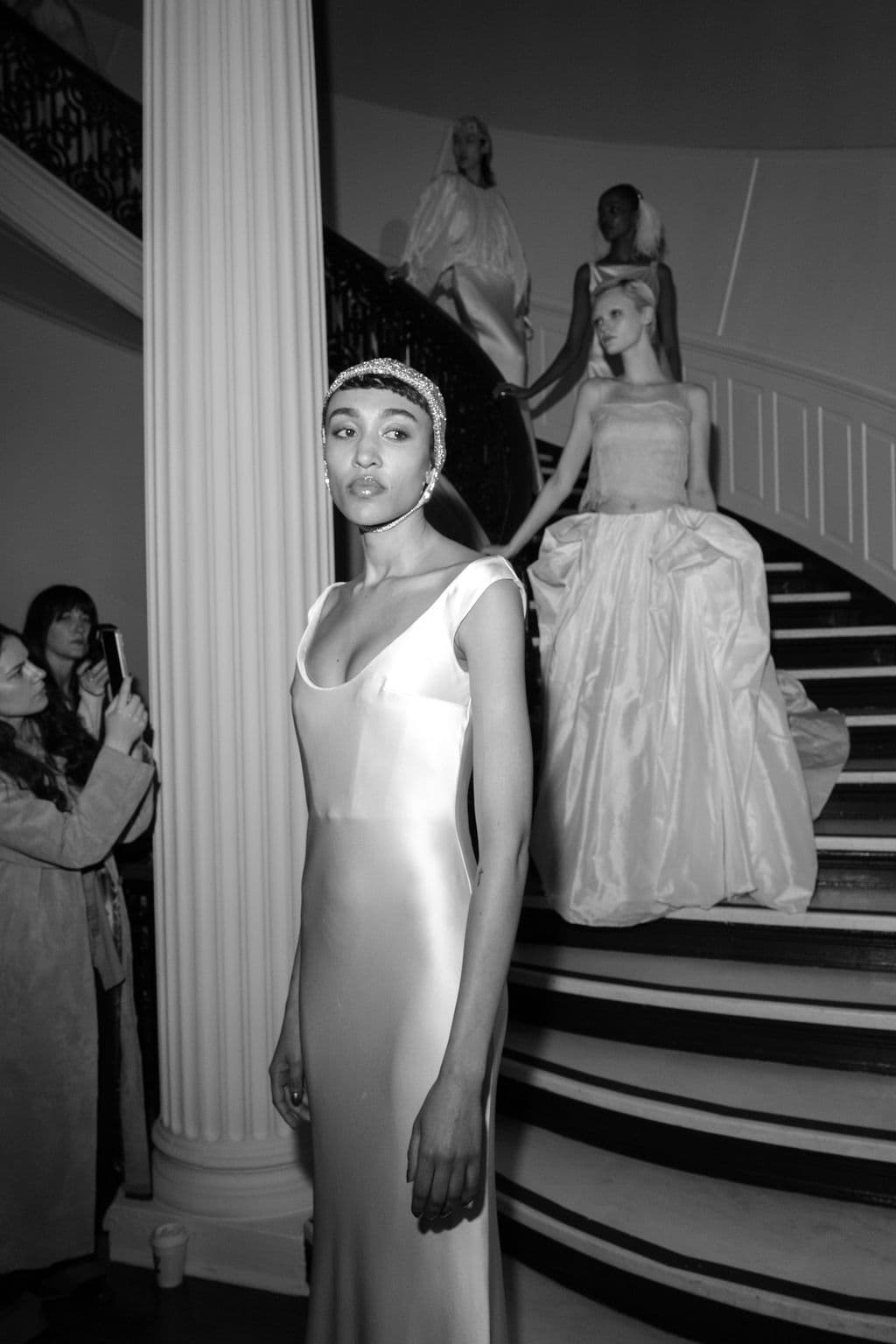
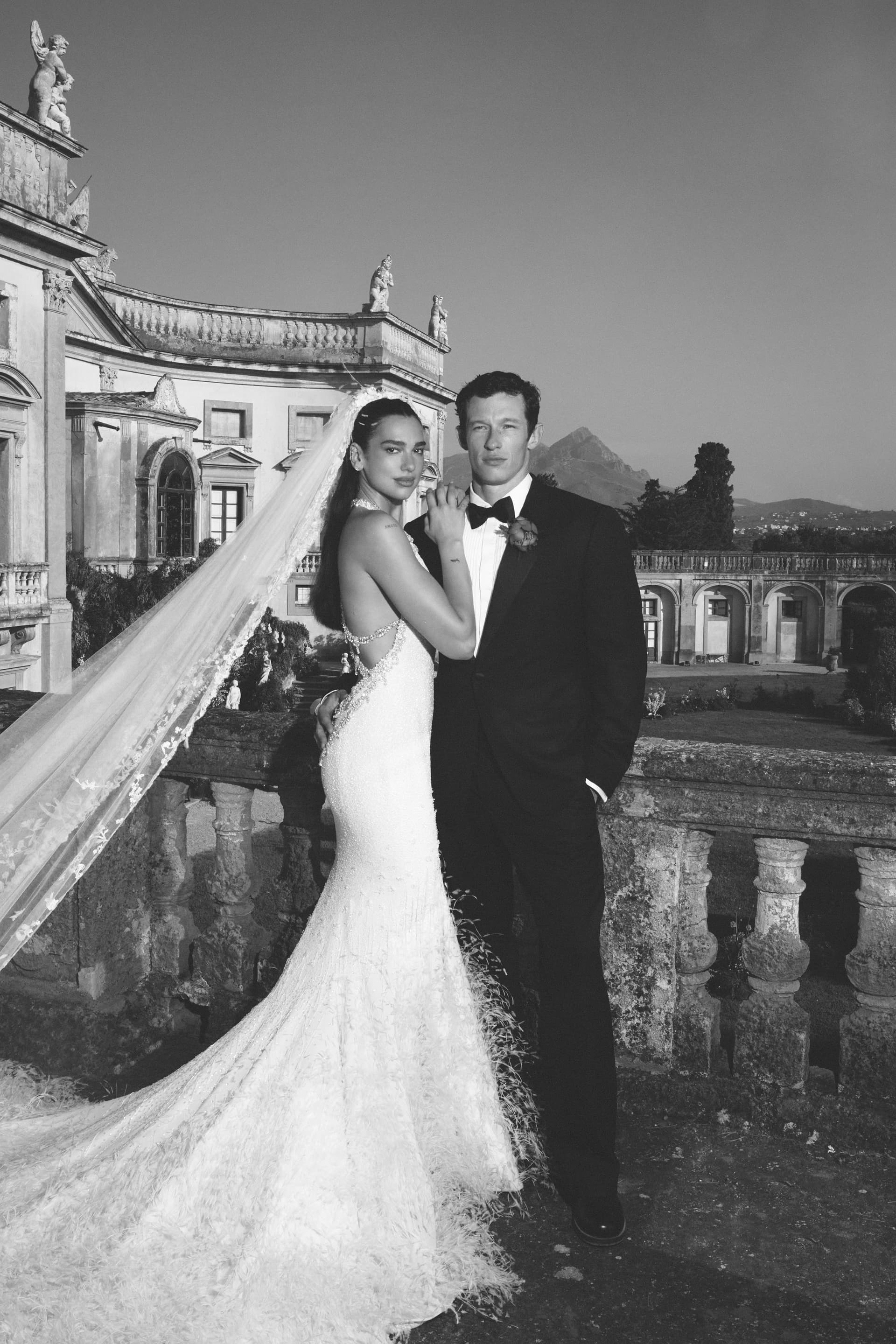
Monique Lhuillier’s spring 2027 bride feels less like a pedestal fantasy and more like a woman who has edited every detail with instinct. Her Brigitte Bardot reference points to the season’s strongest idea: nostalgia is back, but only when it is filtered through craftsmanship, softness, and a silhouette that still feels alive on the body. Around her, Ines di Santo, Kyha, Lein, Alexandra Grecco, and Galia Lahav are pushing the same message in different registers, from airy movement to sharper sculptural lines.
That matters because bridal is not a niche story anymore. One market estimate puts global bridal wear at $5.27 billion in 2024, with growth projected to $7.21 billion by 2032. When a category is this large, the difference between pretty and persuasive is not abstract. It shows up in what brides actually choose to wear down the aisle, where a trend has to survive seating charts, photographs, dancing, and the emotional pressure of looking like yourself.
Color is the season’s quiet revolution
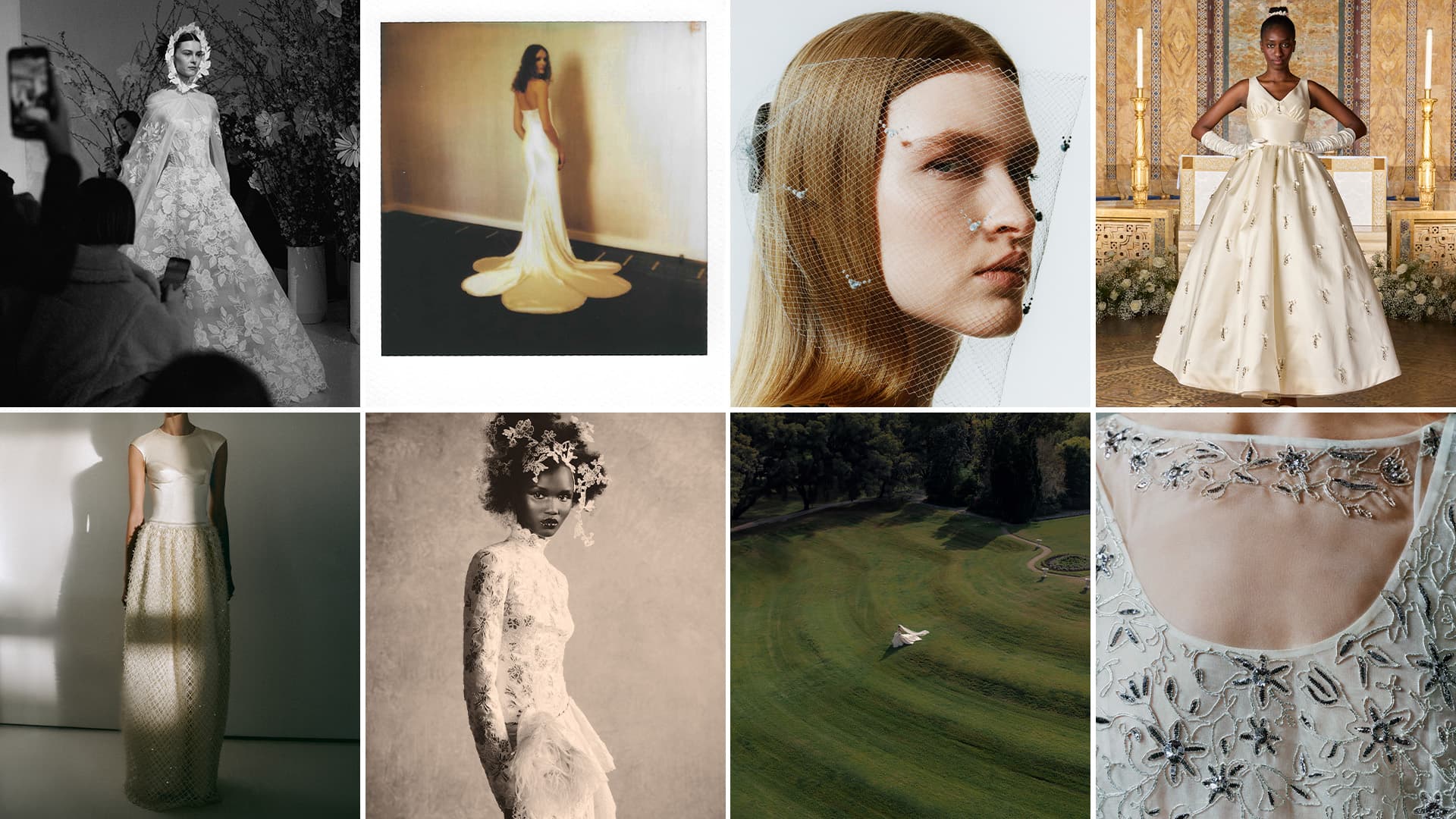
The biggest visual shift is also the simplest to wear: white is no longer the only answer. Spring 2027 bridal color moves toward creamy yellows, dusty pinks, and bolder notes of red, black, and orange, a palette that gives brides room to look intentional instead of standard. Kyha, Monique Lhuillier, Galia Lahav, Ines di Santo, Tanner Fletcher, and Honor all explored that range, proving that color can read romantic rather than rebellious when the fabric and finish are right.
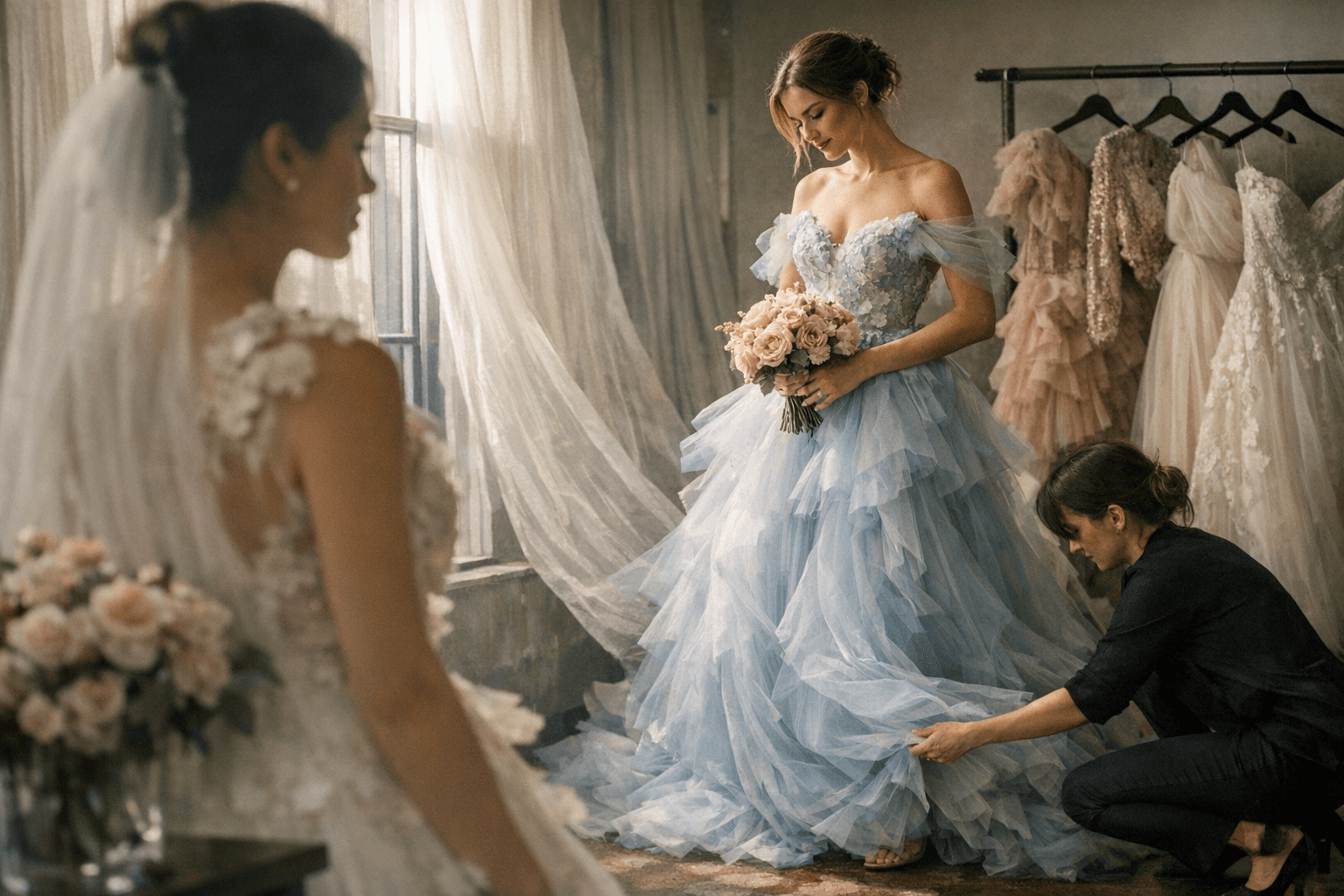
For real weddings, the most flattering versions of this trend are the ones that behave like neutrals in motion. Creamy yellow in silk satin can glow without overpowering skin tone. Dusty pink in tulle softens the face and photographs beautifully at golden hour. Red, black, and orange are the more directional choices, and they work best when the silhouette is clean enough to let the color carry the drama. If the shape is already voluminous, those shades can start to feel costume-like fast.
Texture is doing the emotional work
What keeps the color story from drifting into novelty is texture. Who What Wear’s read on the season describes nostalgic elegance through embellished details, contrasts, and sculptural forms, and that is the real thread running through the collections. The clothes are not relying on decoration alone. They are using surface and structure to create feeling, whether that means embroidery that catches light, a body-skimming seam that sharpens the waist, or a fabric that floats rather than flops.
The materials that feel current
• Tulle that layers lightly instead of ballooning • Embellishment concentrated at the bodice, hem, or sleeve rather than scattered everywhere • Satin and silk with enough weight to hold a shape • Structured organza or corsetry that keeps a romantic silhouette from going limp
WWD’s broader framing helps explain why this matters. Across the spring 2027 collections, the dominant references were “Wuthering Heights” and “Love Story,” two very different emotional poles that still share one thing: heightened feeling. That is why Victorian necklines, pickup skirts, Party Veils, Balle Tulle, Botanical Explosion, and Tulle Skirts all make sense together. The common language is not one specific era. It is drama made legible through technique.
What Monique, Ines, and Lein are really saying
Monique Lhuillier is leaning hardest into soft romance. Brigitte Bardot is an inspired shorthand here because it suggests looseness, femininity, and ease, not just prettiness. That makes her spring 2027 direction especially relevant for brides who want glamour without the stiffness of old-school bridal polish.
Ines di Santo, by contrast, turns to Claude Monet, and you can feel the difference immediately. Monet implies atmosphere, color bleed, and movement, which fits the ethereal, flowing silhouettes associated with her collection. It is a smarter route for brides who want softness but do not want to disappear into it.
Lein’s reference to Jeanne Lanvin and Madame Grès moves the conversation back to construction. Those names signal structural mastery and intricacy, and that is exactly where this trend becomes useful in real life. A gown can be romantic and still be intellectually precise. In practice, that means cleaner drape, a more disciplined waist, and details that reward a second look rather than shouting for attention.
Duality is the season’s most useful styling idea
Kyha, Alexandra Grecco, and Galia Lahav all push one of the most modern ideas in the season: a bride does not have to be one thing. Their use of dueling textures, color pops, and the tension between strength and softness creates a clear answer for brides who want something distinctive without tipping into performance. This is the part of the trend story that feels closest to real weddings, because it mirrors how people actually dress now, with contrast rather than uniformity.
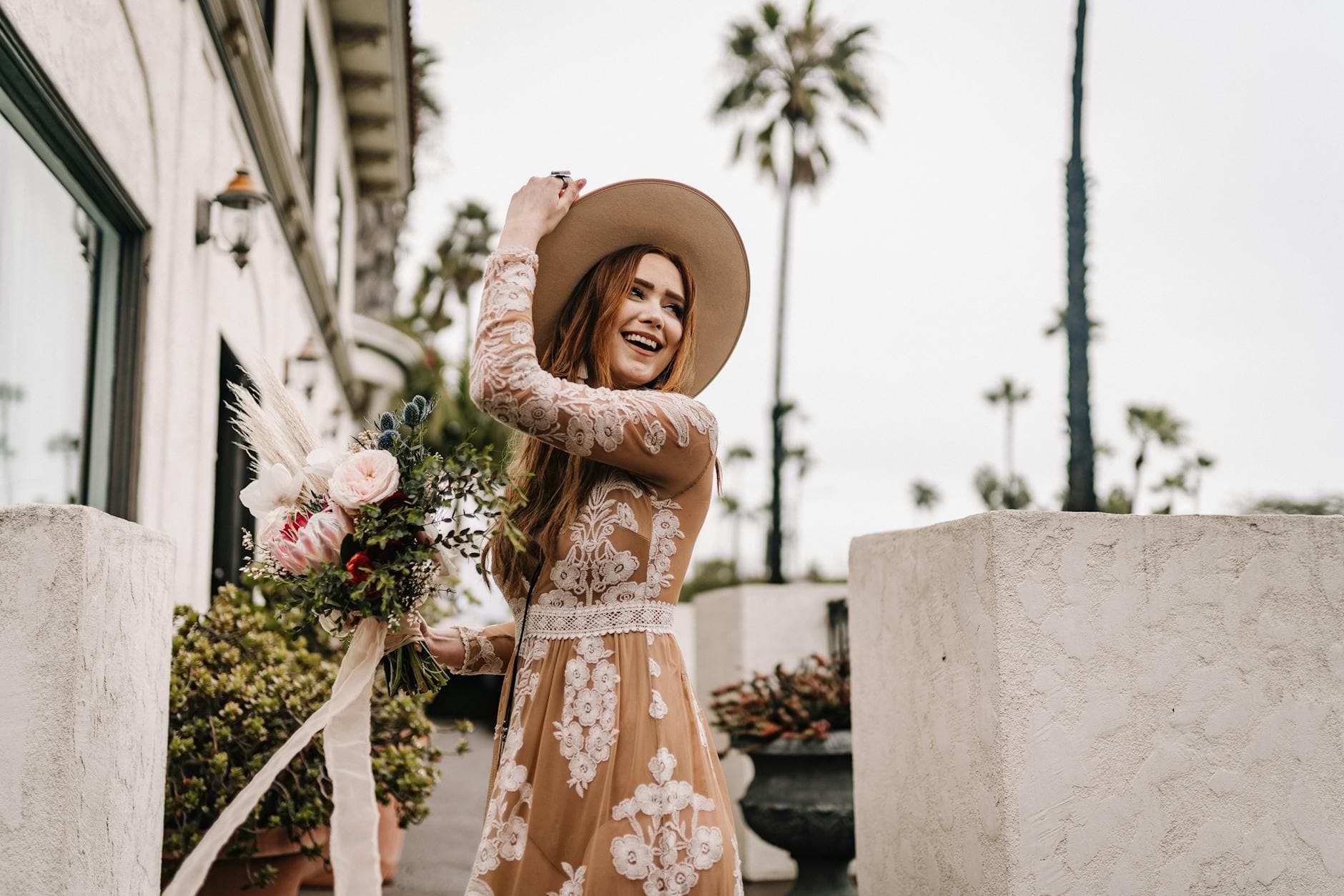
The smartest expression of that duality is restraint paired with one sharp decision. A sleek bodice with a colored skirt. Sheer sleeves against a structured corset. A traditionally romantic shape punctured by black, red, or a more graphic finish. Those combinations feel current because they create tension, and tension is what keeps bridal style from becoming precious.
What will flatter, and what will look too theatrical
The most wearable spring 2027 pieces are the ones that let one idea lead. If the gown has color, keep the silhouette controlled. If the skirt is all volume, let the neckline stay clean. If the look is heavily embellished, choose a shape that skims rather than swallows the body. That is the line between a bride who looks styled and one who looks dressed for a costume drama.
The looks most likely to read too theatrical are the ones that pile on too many references at once, especially when historic mood, oversized tulle, and intense color all compete for attention. Wuthering Heights can be beautiful in bridal, but only when it is translated through proportion and fabric quality. The best spring 2027 gowns are not trying to recreate the past. They are borrowing its romance and then sharpening it with better tailoring, better materials, and a far more relaxed sense of confidence.
Why this bridal week feels bigger than the runway
The CFDA’s NYFW Bridal calendar ran April 7 to 10, 2026, with Monique Lhuillier, Naeem Khan, and Tanner Fletcher anchoring the week and Batsheva making her bridal debut. New additions such as Alyssa Kristin, FERRAH, Netta BenShabu Elite Couture, OUMA Bridal, Poeza, Priscilla Couture, and RENHUE show how quickly the field keeps expanding. Bridal fashion week happens twice a year, in April and October, and that rhythm means these ideas reach fittings and dress appointments well before they reach actual ceremonies.
That is the real value of spring 2027. It is not just giving brides more options. It is giving them a clearer filter: choose the version of nostalgia that flatters your body, the amount of color your life can hold, and the amount of texture your eye can carry without losing the woman inside the dress.
This article was produced by Prism’s automated news system from verified source data, official records, and press releases, then run through automated quality and moderation checks before publishing. The system is built and supervised by the people who set the standards it runs under. Read our full AI policy.
Did this article answer your question?