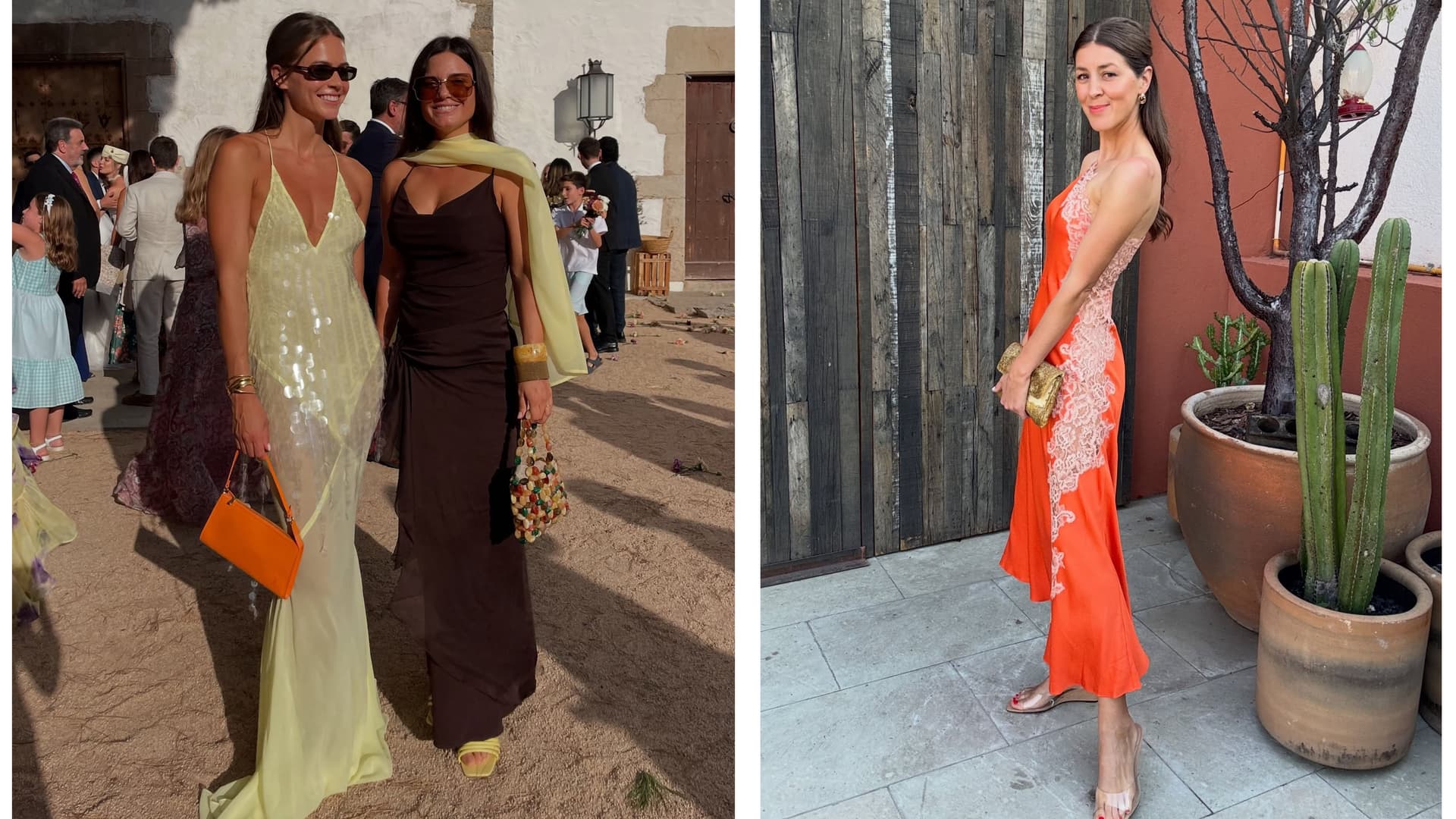
Summer 2026 bridesmaid style embraces mix-and-match, soft neutrals and prints
The new bridesmaid uniform is no uniform at all: soft neutrals, delicate prints and silk scarves are replacing head-to-toe matches.
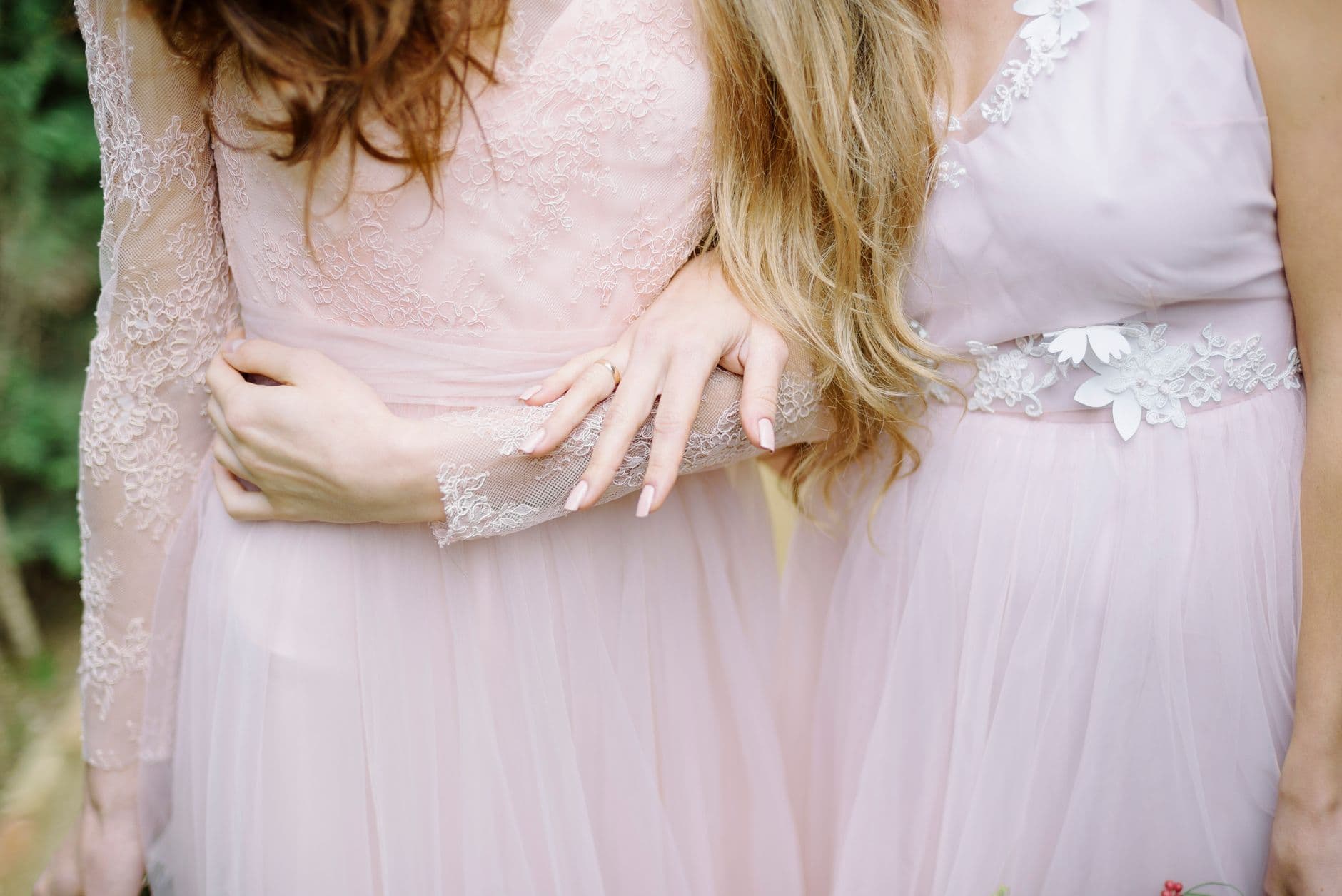
The bridesmaid lineup is getting smarter, softer and far less rigid. This season’s clearest shift is away from identical dresses and toward curated color stories that feel intentional in photos and easier to wear again after the wedding.
The new bridesmaid brief
Bridal Guide’s summer edit makes the case plainly: summer 2026 bridesmaid style is about individuality, but with a polished, fashion-forward finish. The point is not to make everyone look the same; it is to build a group that reads as cohesive without becoming uniform. That is a subtle but important change, because it solves the real problems bridal parties have always faced, from different budgets to different body types to different personal styles.
Mix-and-match dressing continues to dominate in 2026 because it gives the bride a visual throughline without forcing every person into the same silhouette. A thoughtful palette can tie together a mix of necklines, fabrics and lengths, while still giving each bridesmaid a dress she actually wants to wear. The result feels less stiff, more personal and far more modern than the matched sets that once defined the aisle.
The five cues that matter most
Bridal Guide frames the season around five especially useful cues, and they all point in the same direction: softer, more adaptable dressing.
- Soft creams
- Champagne neutrals
- Delicate prints
- Tonal palettes
- Scarf details
Those shades and finishes are doing the heavy lifting because they photograph beautifully and flatter a wide range of skin tones. Instead of locking a bridal party into one flat color, these refined tones create depth, movement and a gentler kind of glamour. The effect is especially strong in summer light, when cream, champagne and layered neutrals pick up a warm glow rather than disappearing into the background.
Why the palette feels so current
The Dessy Group has helped sharpen the argument for this shift. The brand identifies soft creams, champagne neutrals, delicate prints and tonal palettes as key Summer 2026 bridesmaid trends, and it says refined palettes like these create a cohesive visual story instead of a uniform lineup. That language matters because it captures where bridesmaid dressing is headed: less sameness, more styling.
Dessy also describes its 2026 bridesmaid market as “bespoke-inspired,” and that feels right for the moment. Its collection leans into a wide range of colors, fabrics and contemporary silhouettes, which is exactly what the category needs if it wants to move beyond the tired idea that every bridesmaid must wear the same dress in the same shade. A mix of finishes, from matte to soft sheen, makes the lineup feel layered rather than repetitive.
How to mix and match without losing the plot
The best mix-and-match bridal parties still look edited. The trick is to keep one clear visual story running through the group, then vary the details enough that each person feels considered.
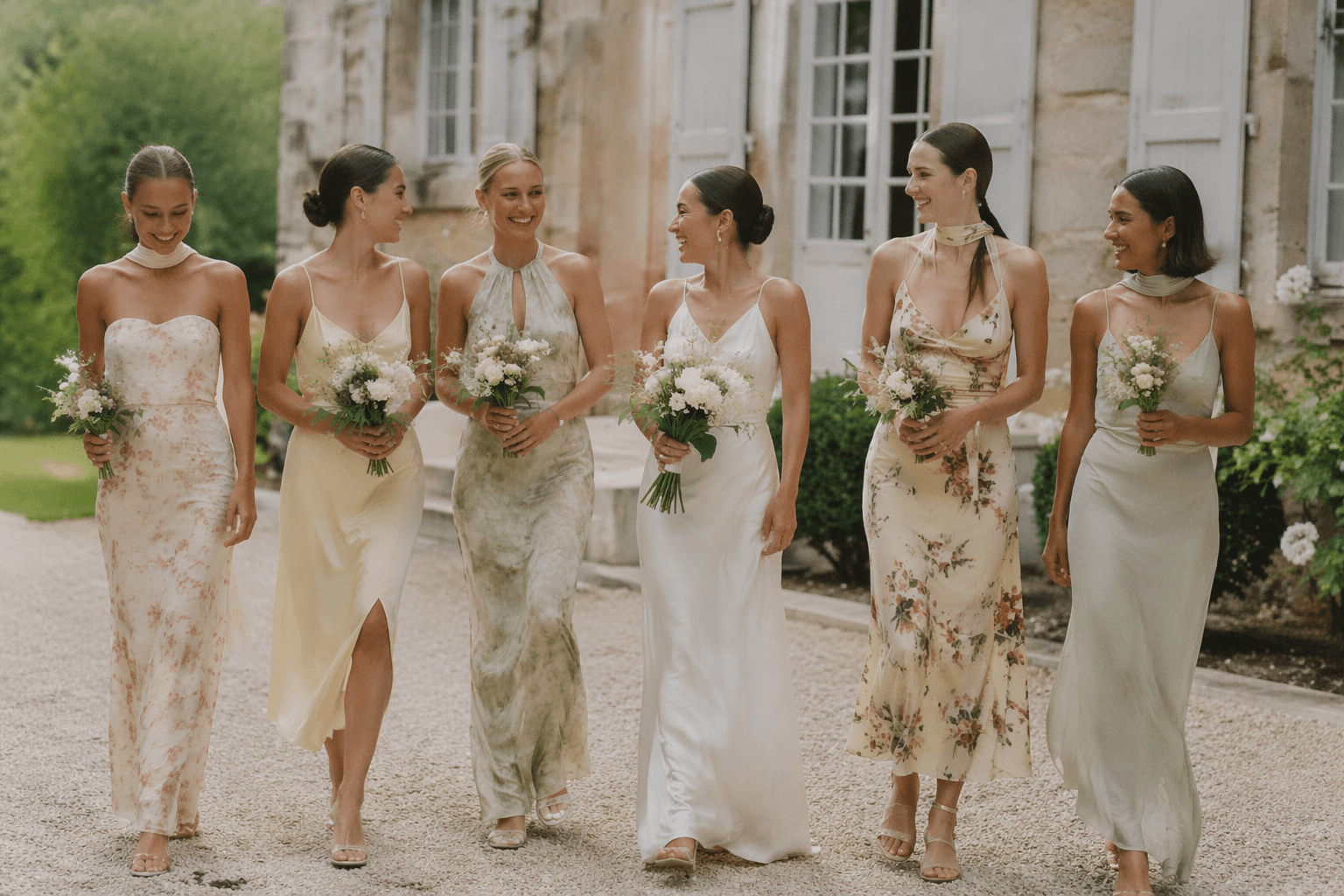
A smart approach starts with color family. Creams and champagnes can live together easily, and tonal dressing keeps the group feeling deliberate even when dresses differ in cut. From there, let the styling breathe: one bridesmaid in a draped slip, another in a more structured column, another in a soft-print option that adds dimension without breaking the palette.
A newer idea is to give the maid of honor a standout shade or print. That small shift creates hierarchy without resorting to old-fashioned matching, and it gives the eye a focal point in group photos. It is a cleaner, more editorial way to signal importance, especially when the rest of the party is built around a restrained neutral story.
The accessory that changes everything
Accessories are no longer being reserved for the bride alone. Silk scarves are emerging as one of the most romantic bridesmaid touches for Summer 2026, and they do more than decorate a look. A scarf can soften a neckline, echo a bouquet ribbon, or add a whisper of movement to a dress that might otherwise feel too plain.
That is part of why the trend works so well. It costs less than a whole new dress formula, but it still gives bridesmaids a sense of styling and individuality. For parties balancing different budgets, that kind of accessory-led personalization is a practical luxury.
Floral prints and more flexible dress codes are part of the same shift
The move toward softer coordination is not happening in isolation. The Knot has described floral bridesmaid dresses as a major 2025-2026 trend, and that lines up neatly with the rise of delicate prints in the bridesmaid conversation. Florals can be sweet or sophisticated depending on scale and color, which makes them especially useful in a mix-and-match lineup.
ASOS has linked the rise of more casual, creative bridal aesthetics to low-key celebrity weddings and more flexible dress codes, and that broader cultural shift helps explain why bridesmaid dressing feels less prescribed now. The bridal party is no longer expected to look locked and identical. It is expected to look considered, wearable and a little more alive.
What boutiques and brands should stock next
For retailers, the message is clear: the bridesmaid category needs breadth, not just repetition. Brands should be stocking more colors, more fabrics and more contemporary silhouettes, because that is where the demand is heading. A store built only around matched dressing will miss the bigger opportunity, which is to sell a bridal-party wardrobe system that can be mixed, re-styled and worn again.
That is why this trend matters beyond the aisle. The strongest bridesmaid dressing now works like good fashion should: it flatters different bodies, respects different budgets and leaves room for personality without sacrificing cohesion. Summer 2026 belongs to bridal parties that look curated, not copied, and that is a much better look for the wedding photos and for the clothes themselves.
This article was produced by Prism’s automated news system from verified source data, official records, and press releases, then run through automated quality and moderation checks before publishing. The system is built and supervised by the people who set the standards it runs under. Read our full AI policy.
Know something we missed? Have a correction or additional information?
Submit a Tip