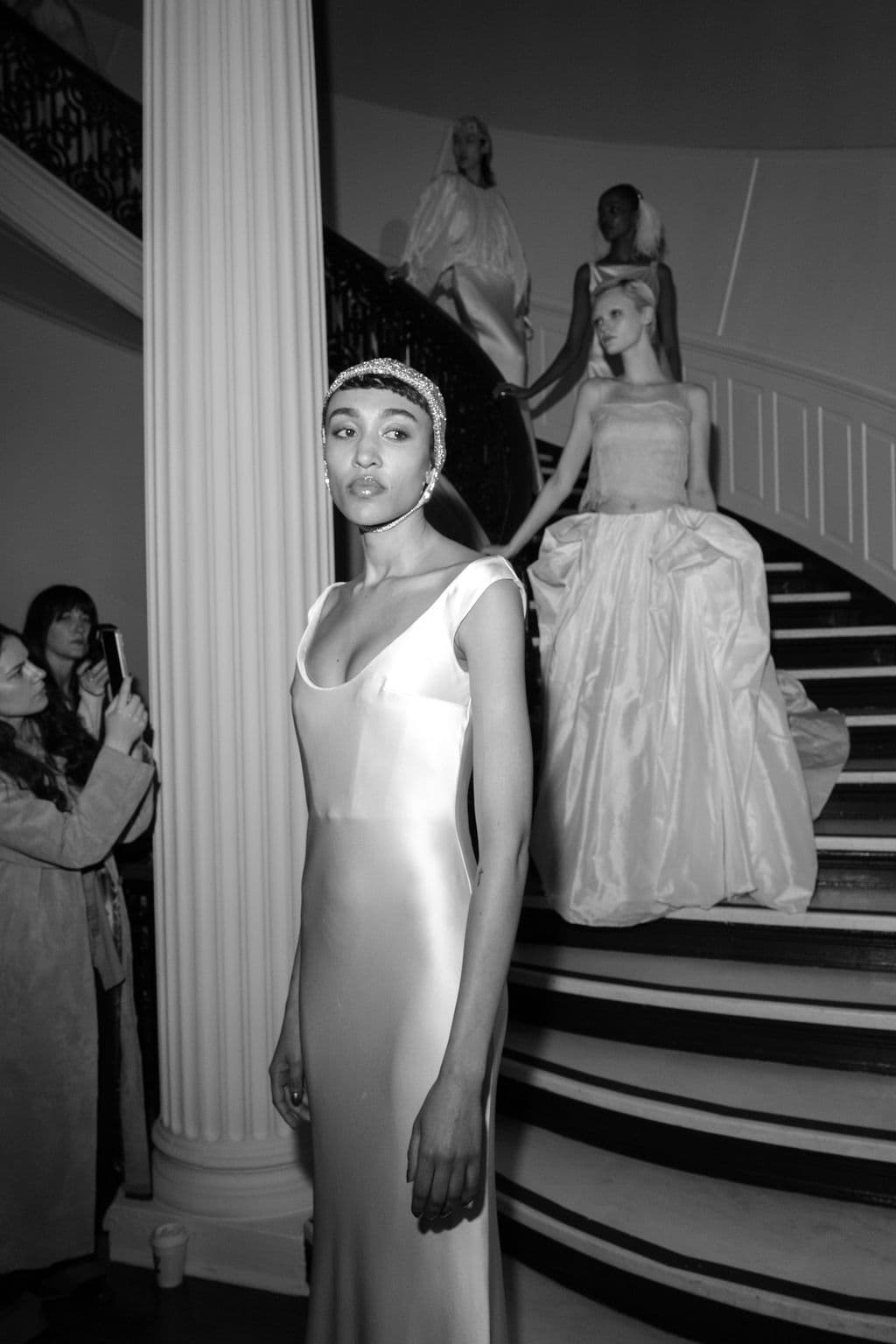
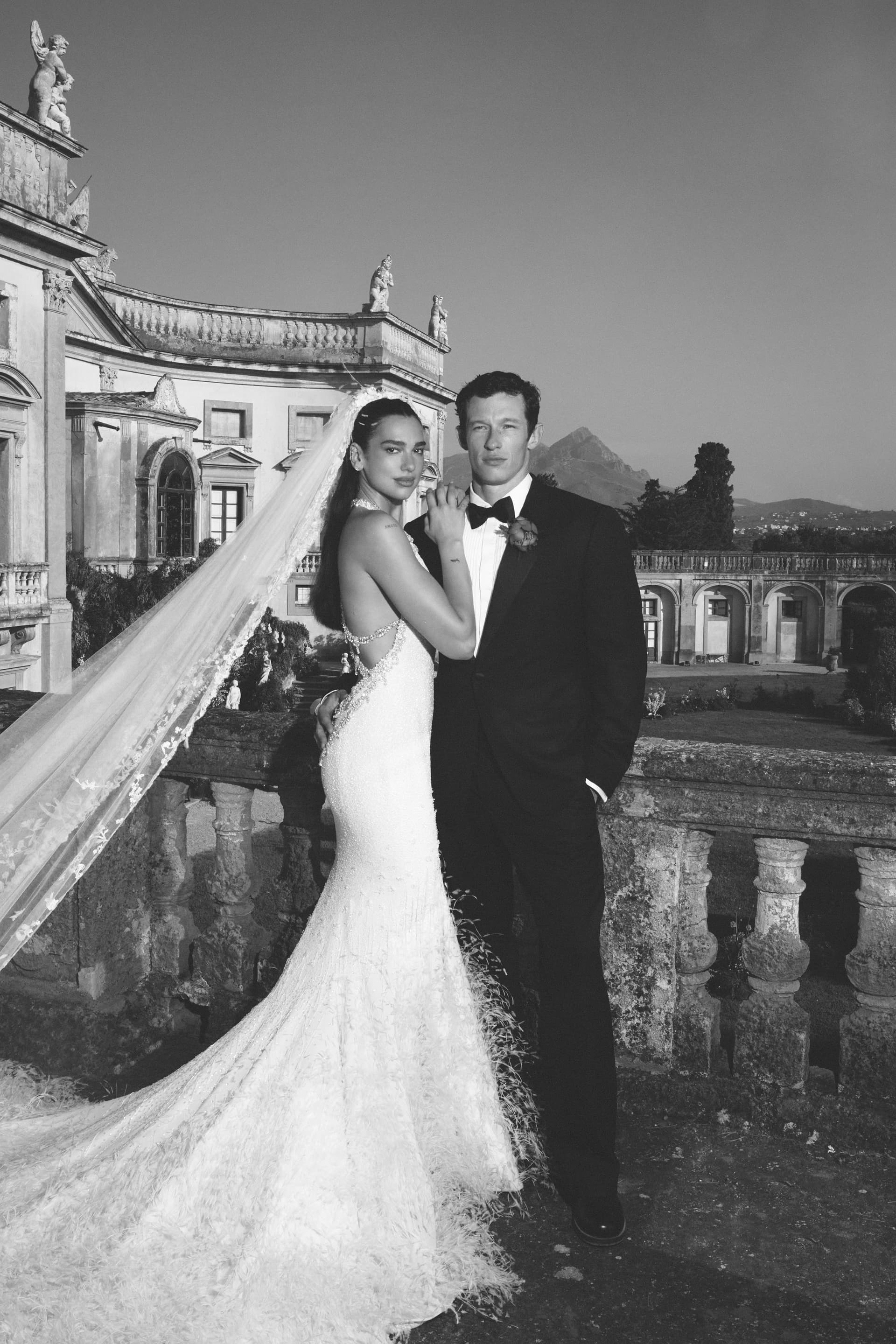
Summer weddings move beyond lehengas as brides embrace fluid couture
Summer wedding dressing is loosening up: lighter sarees, fluid couture and sharper separates are beating heat, movement and repeat-wear fatigue.
Why the lehenga is no longer the only answer
The lehenga is not disappearing. It is just losing its monopoly. Summer wedding wardrobes are getting smarter, less rigid, and far more tuned to the actual realities of the season: heat, humidity, movement, and the very real desire to wear something again without looking like you raided the same outfit trunk twice.
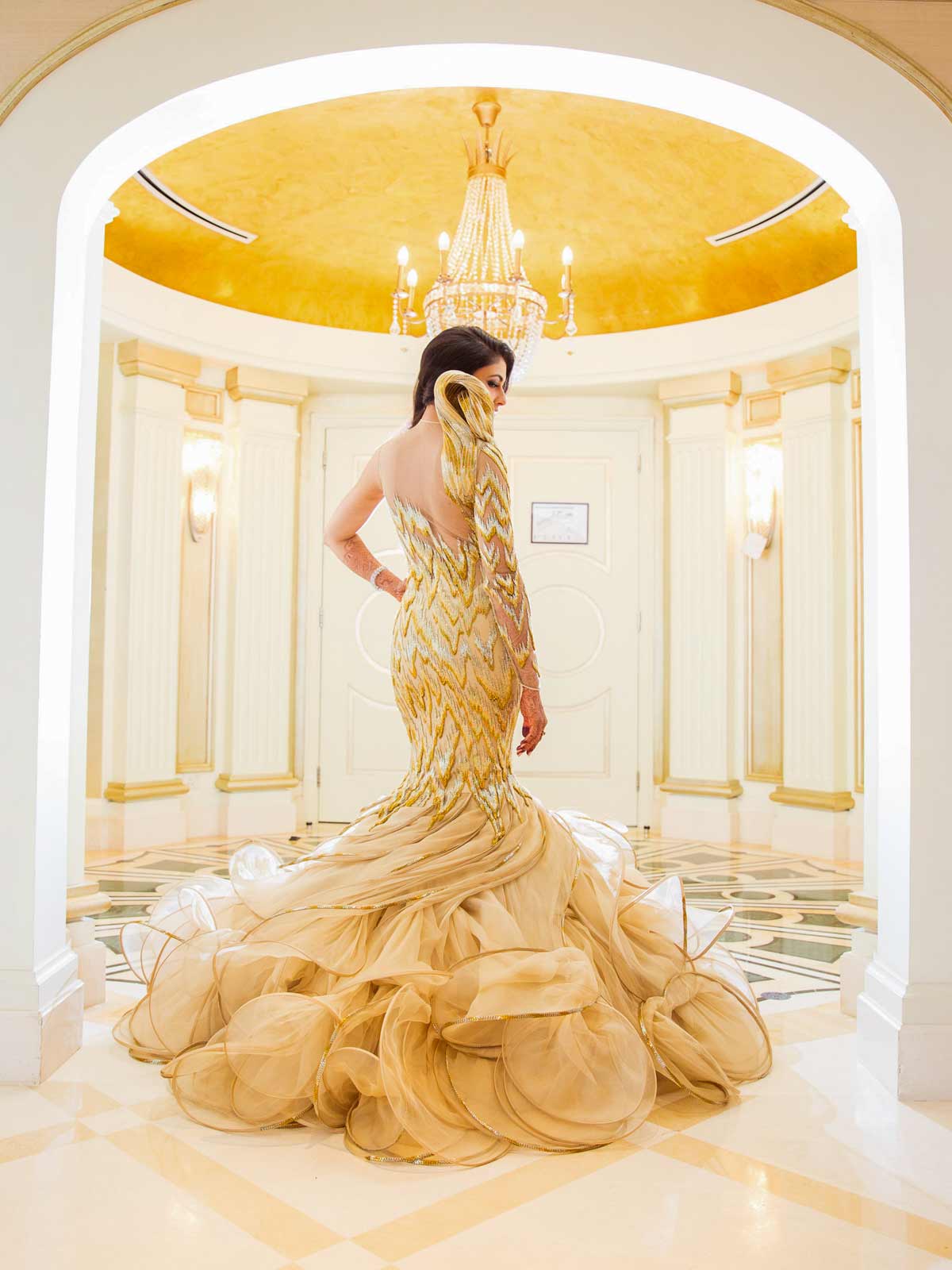
That shift is already visible in the way brides are dressing. Devangi Nishar Parekh has described 2026 bridal fashion as moving away from predictability and toward personalisation, with contemporary pre-draped sarees, modern fusion lehengas, fluid couture sets, statement dupattas, veils, capes, and corset-inspired fits all gaining ground. The point is not to abandon drama. It is to choose drama that bends with the body instead of fighting it.
The new dress code is comfort with intention
Summer weddings punish anything heavy, stiff, or overbuilt. A full lehenga with dense embroidery can look magnificent for the first ten minutes and then start behaving like a portable sauna. That is why lighter silhouettes are taking over function by function, especially for brides who want movement on the dance floor, ease during long ceremonies, and pieces that feel less like costume and more like personal style.
This is also where repeat wear becomes part of the calculation. A fluid saree, a skirt-and-blouse set, or a sharara can be broken apart and styled again, while a highly specific bridal lehenga often lives only one life. Brides are getting sharper about that math. The new luxury is not just handwork; it is versatility, wearability, and the confidence that your clothes will not collapse under a five-hour event and a 35-degree evening.
What to wear for each function
The smartest summer wedding wardrobes are built around function, not fantasy. A pre-draped saree works beautifully for a mehendi or sangeet because it gives you the polish of a drape without the drag of constant adjustment. A modern fusion lehenga, especially one with a lighter skirt and a cleaner blouse, keeps the ceremony look intact while giving you enough ease to move.

For the main wedding ritual, a fluid couture set or a softer lehenga with a strong blouse can read bridal without feeling overdone. Statement dupattas, veils, and capes are doing a lot of the heavy lifting here, letting brides dial up the occasion without piling on weight. Corset-inspired blouses, meanwhile, give structure to otherwise airy silhouettes, which matters when you want shape but not stiffness.
- Choose pre-draped sarees for events where you need speed, movement, and minimal fuss.
- Choose fusion lehengas when you want the bridal silhouette but less bulk.
- Choose fluid couture sets for receptions and cocktail-heavy evenings.
- Choose capes, veils, and statement dupattas when the outfit needs more presence than fabric weight.
A good rule of thumb:
Why the market still loves lehengas
The lehenga still matters because the business of weddings still loves the lehenga. India’s wedding industry is estimated at around Rs 10 lakh crore, about $130 billion, and the spending machine is built on women’s occasionwear. Womenswear accounts for nearly 75 percent of the domestic celebration-wear market, and lehengas alone contribute about 30 percent of Shantnu & Nikhil’s business.
That is not a niche preference. That is a huge slice of the wedding economy. Brides may be reaching for lighter, more flexible options, but the lehenga remains the most emotionally loaded purchase in the room. It is the garment that still says bride in the most immediate, unmissable way.
Cultural pull still beats pure practicality
There is also a reason the lehenga keeps returning even when sarees, shararas, and fluid sets make more practical sense. For many brides, the lehenga is the one chance to wear a heavily invested piece that will not repeat its own category elsewhere in life. Anupriya Paul put that logic plainly when she explained that she loves sarees, but her wedding was the moment to choose a lehenga because she would not otherwise buy one for another function.
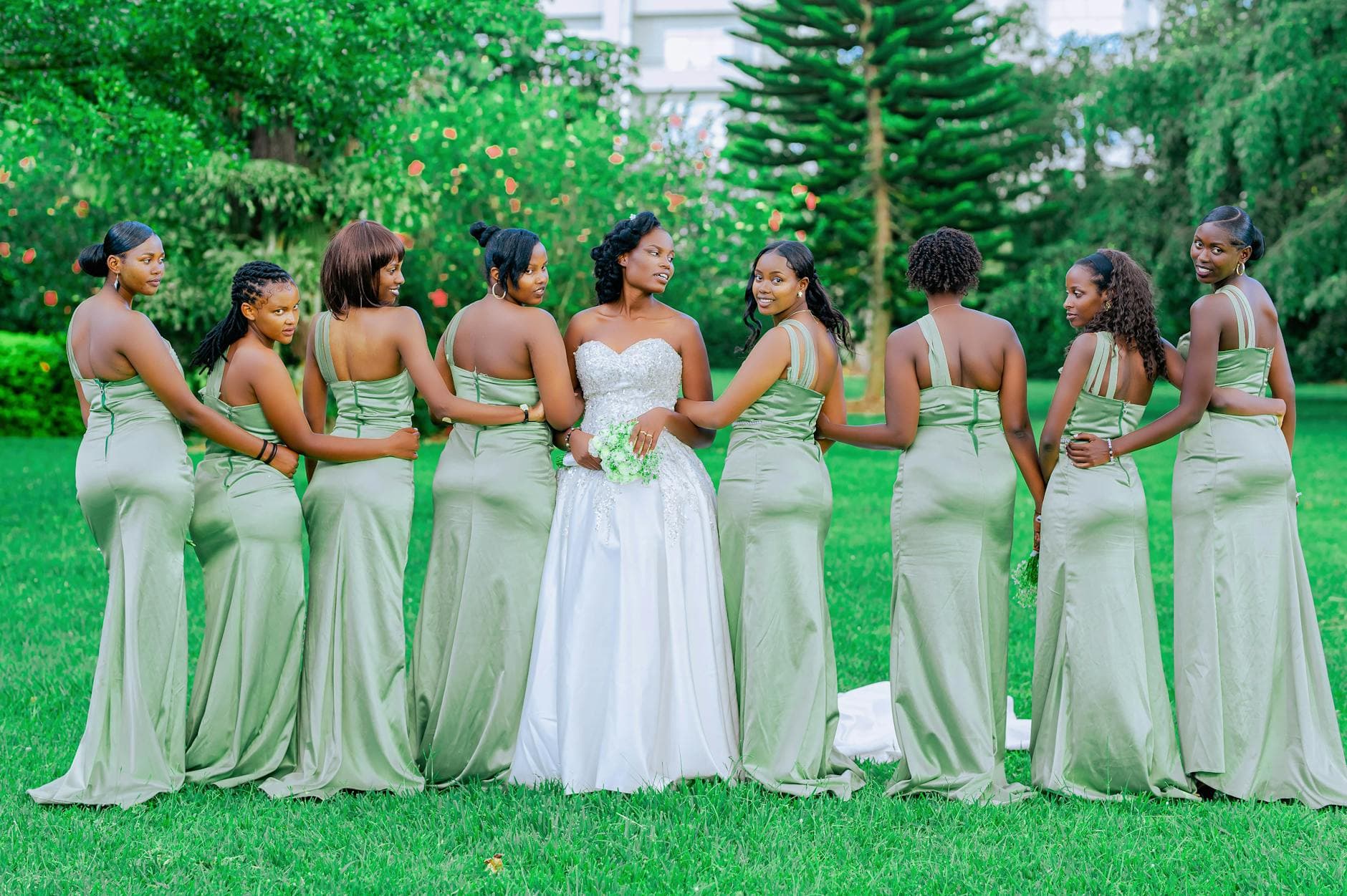
That emotional calculus is hard to beat. In Bengali weddings, the red Banarasi saree still carries deep ritual weight as an inheritance piece, which is exactly why the new looseness in bridal dressing does not read as rejection. It reads as expansion. The modern bride can still honor ceremony and family expectation, but she no longer has to do it through one silhouette alone.
The wedding calendar is pushing the shift
The season itself is helping. There were about 70 auspicious dates between February and May, and that density changes how people shop. When weddings cluster this tightly, outfits have to work harder across multiple functions, multiple cities, and often multiple temperatures. One heavy statement look no longer feels sensible if you are moving from a daytime ceremony to a weekend reception, or from one destination wedding to another.
That pressure is visible in the spending around Akshaya Tritiya too. CAIT said wedding-related spending in Delhi alone exceeded Rs 5,000 crore on Akshaya Tritiya 2025, with more than 20,000 weddings coinciding that day. Anil Chadha of ITC Hotels said there were more than 25 saya dates in April and May, many of them on weekends, and that timing encouraged bleisure or leisure travel. Parthip Thyagarajan of WeddingSutra.com said some families who could not secure December weddings moved to all-weather destinations like Bengaluru or Dehradun. When the calendar gets this crowded, the wardrobe has to become more flexible.
Brands are already building for lighter celebrations
Retail has caught up. Taneira launched its Summer Wedding collection in April 2023 around lightweight celebration sarees, with a campaign featuring Mrunal Thakur and a message that weddings and sarees now sit at the intersection of age-old culture and new-age creativity. That framing matters because it shows where the market is headed: not away from tradition, but toward tradition that feels easier to wear in real heat, real crowds, and real motion.
That is the sweet spot summer weddings are forcing onto the industry. Brides still want ceremony, color, and craft. They just want those things in silhouettes that breathe. The lehenga still owns the bridal imagination, but the smartest wardrobes now know when to trade weight for fluidity, and when a saree, sharara, gown, or clean-lined set tells the story better.
This article was produced by Prism’s automated news system from verified source data, official records, and press releases, then run through automated quality and moderation checks before publishing. The system is built and supervised by the people who set the standards it runs under. Read our full AI policy.
Did this article answer your question?