Taylor Swift and Travis Kelce guests remix black-tie wedding style
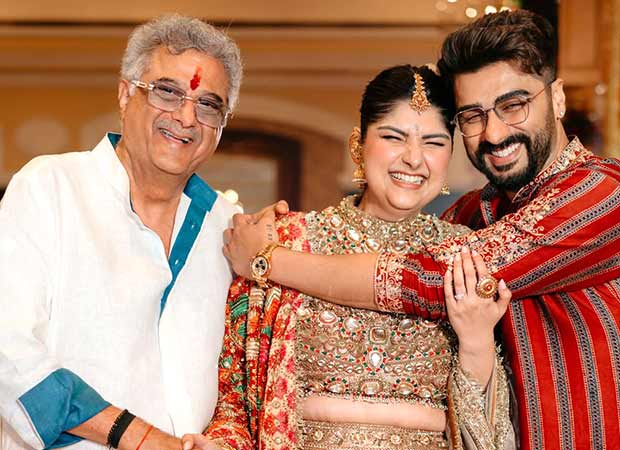
Taylor Swift and Travis Kelce turned black tie into a mood board, with guests splitting between classic eveningwear and fashion-forward interpretations.

Black tie was the official brief, but the guest list treated it like a mood board. At Taylor Swift and Travis Kelce’s wedding at Madison Square Garden in New York City on Friday, July 3, the no-phones policy and phone check made the clothes carry the whole story. The result was a lesson in modern celebrity dress codes: the words were formal, but the reading was personal.
Black tie, written like a mood board
The black-tie label matters because it is one of the most exacting phrases in wedding dressing. The Knot defines it as tuxedos for men and floor-length evening gowns for women, with dark colors and luxe fabrics setting the baseline, while a jumpsuit or women’s tuxedo can still sit comfortably inside the category. That is the frame Swift and Kelce gave their guests, and it explains why so many looks stayed elegant without staying literal.
The couple’s own clothes set the tone. Travis Kelce wore a white tux, Taylor Swift wore a white wedding dress with a long veiled train, and Adam Sandler officiated, which gave the event the surreal polish of a celebrity production without losing the vocabulary of a wedding. If the couple were the headline, the guests were the footnotes, and those footnotes were written in satin, lace, embellishment, and a lot of confidence.
What the guests wore, and what they were really saying
The Cut’s read of the room was that several guests seemed to dress for different occasions at once. Bradley Cooper, Gigi Hadid, Karlie Kloss, and Camila Cabello each looked as if they had interpreted the invitation through a different lens, which is exactly how a black-tie brief turns into a style exercise instead of a uniform. That looseness is the point: the code still demands formality, but it leaves room for mood.
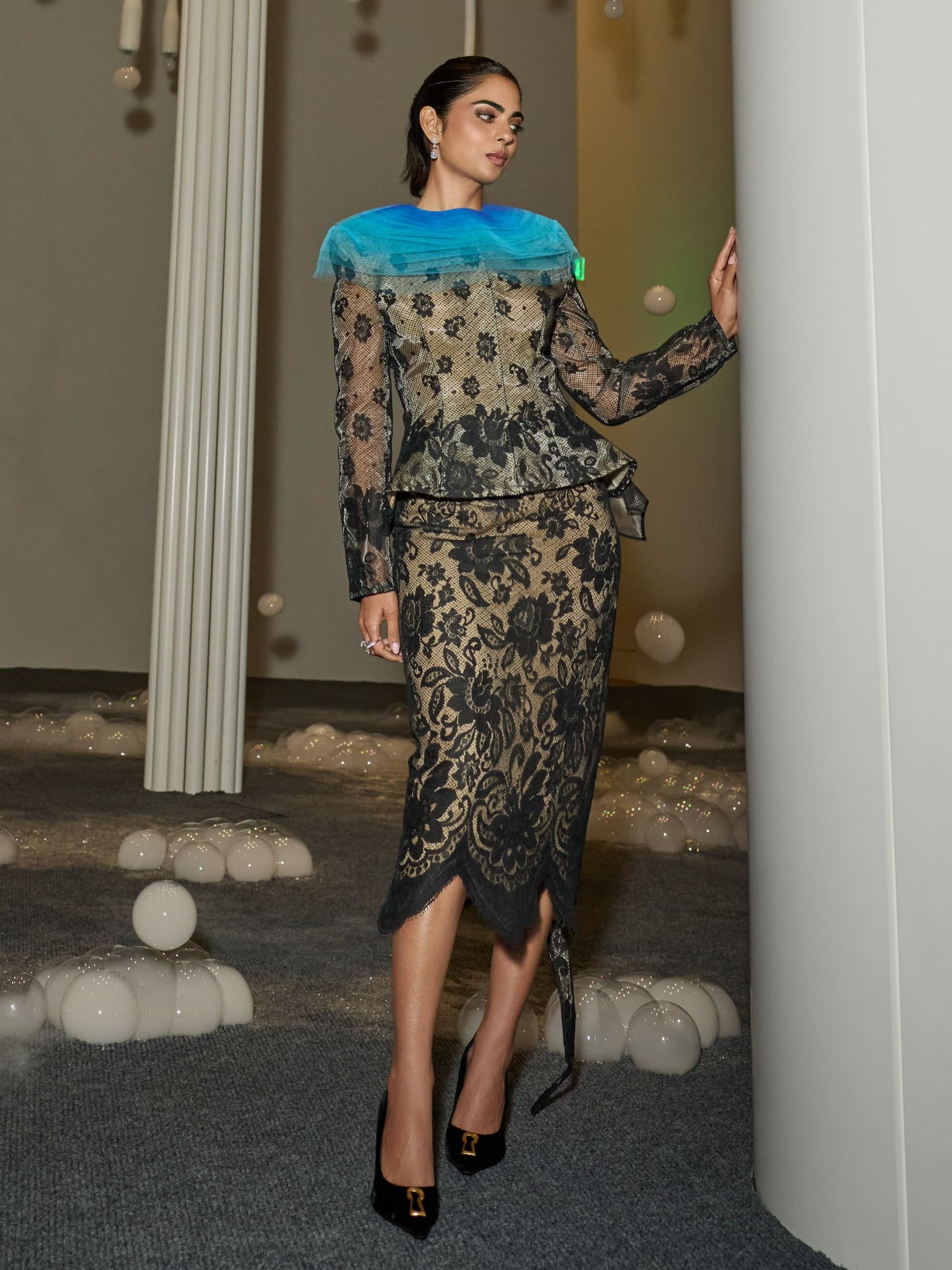
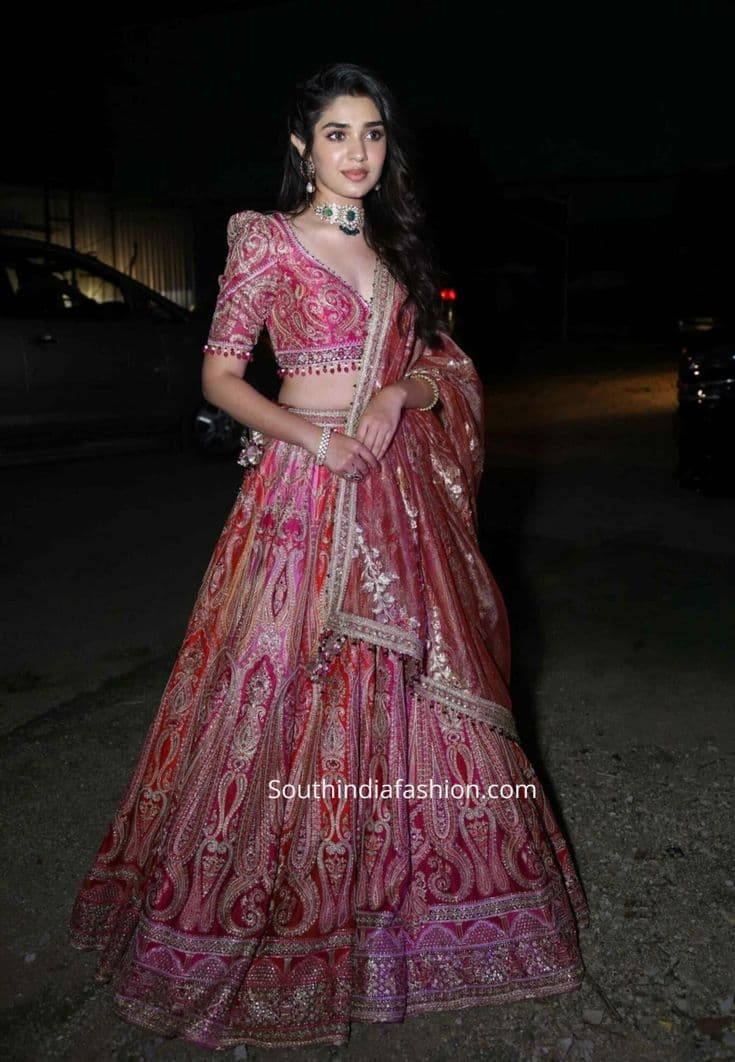
The Zoe Report captured that range through individual outfits. Selena Gomez appeared in embellished champagne Oscar de la Renta, Abigail Anderson in bubblegum-pink Wiederhoeft, Gigi Hadid in embroidered, corseted Sau Lee, and Dakota Johnson in a sheer halter-neck Valentino little black dress. Taken together, the looks moved between LBDs, romantic lace, and overt embellishment, with a few era-coded flourishes woven through the mix. In other words, the guests understood black tie as a polished starting point, not a fixed destination.
E! reinforced that reading with a different slice of the guest list, showing Dakota Johnson, Kesha, Anya Taylor-Joy, and Zoë Kravitz in black dresses or mini dresses. That matters because a black dress at this kind of event is never just a black dress, it is a signal that the wearer is respecting the formality while choosing a sharper or more fashion-editorial silhouette. Even when the hems shortened, the fabrics and styling kept the looks inside the evening register.
Why Madison Square Garden changed the code
Venue always changes dress code, and this one changed it dramatically. Multiple outlets described Madison Square Garden transformed into a garden-like setting, with draping, flowers, and intimate seating that erased the arena’s usual sports-and-concert identity. The scale was still massive, but the design made it feel closer to a private fantasy than a public venue.
The guest count only deepened that contradiction. New York City permits pointed to somewhere between 500 and 999 attendees, while The Zoe Report described a rehearsal dinner with 100 guests and a main event expected to draw more than 1,000 people. It was also described as a celebration that could run as late as 2 a.m., which tells you everything about the event’s energy: formal on paper, sprawling in practice, and built to keep going long after the first toast.
That tension between intimacy and spectacle helps explain why the dress code read so flexibly. When a wedding looks like a garden inside Madison Square Garden, guests are not dressing for a hotel ballroom standard. They are dressing for a staged, highly photographed, celebrity-adjacent moment that still wants softness, romance, and a bit of performance.
How to write a clearer dress code, and how to read the vague invite
If you are writing the invitation, this wedding is proof that “black tie” is precise but not self-explanatory. If you truly want tuxedos and floor-length gowns, say black tie and mean it. If you are open to fashion-forward formalwear, name the alternatives the way The Knot does, with jumpsuits and women’s tuxedos included, so guests know how wide the lane really is.
The details around this wedding show how much atmosphere shapes interpretation. A no-phones policy makes guests think about presence, not content. A garden-like setup inside an arena suggests romance more than rigidity. A celebrity-heavy room full of Swift’s friends and collaborators invites expression, which is why the best-dressed guests leaned into embellishment, lace, LBDs, and evening fabrics rather than one predictable ballroom formula.
For readers trying to decode a deliberately vague invite, the smartest approach is to read the setting and the scale together. Madison Square Garden, the white tux, the veiled train, the intimate seating, the late-night timeline, and the celebrity guest list all pointed to a formal event with room for personality. That is the new celebrity wedding dress code: not one rule, but a tone, and the guests who looked best were the ones who understood the difference.
This article was produced by Prism’s automated news system from verified source data, official records, and press releases, then run through automated quality and moderation checks before publishing. The system is built and supervised by the people who set the standards it runs under. Read our full AI policy.
Did this article answer your question?