The three-dress bride reshapes wedding style and bridal budgets
Three looks now act like a bridal wardrobe strategy, letting brides move from ceremony to dinner to dancing with more ease, style and budget control.
The smartest bridal wardrobes are no longer built around one hero gown. Marie Claire UK has been tracking the rise of the three-dress bride as a deliberate planning strategy, one that moves from a grand ceremony silhouette to a more fluid dinner look and then a mini made for the dance floor, all while keeping the whole story visually connected.
A bridal wardrobe built for movement, not just a single entrance
The appeal is not indulgence for its own sake. Since the pandemic, brides have moved away from traditional one-time-wear gowns and toward pieces they can cherish and re-wear, which makes the three-dress approach feel less like excess and more like modern wardrobe logic. Short hemlines, bridal separates, linen and sequins are all part of that shift for 2025, and the effect is changing how women think about the wedding day itself.
The most compelling version of the trend is not three unrelated outfits. It is a sequence with a clear visual arc: volume at the ceremony, polish at dinner, and freedom at night. When those looks share a color family, a fabrication language or a recurring detail, they read as a considered edit rather than a series of costume changes.
How to assign each look to the day
Ceremony: make the first look the most architectural
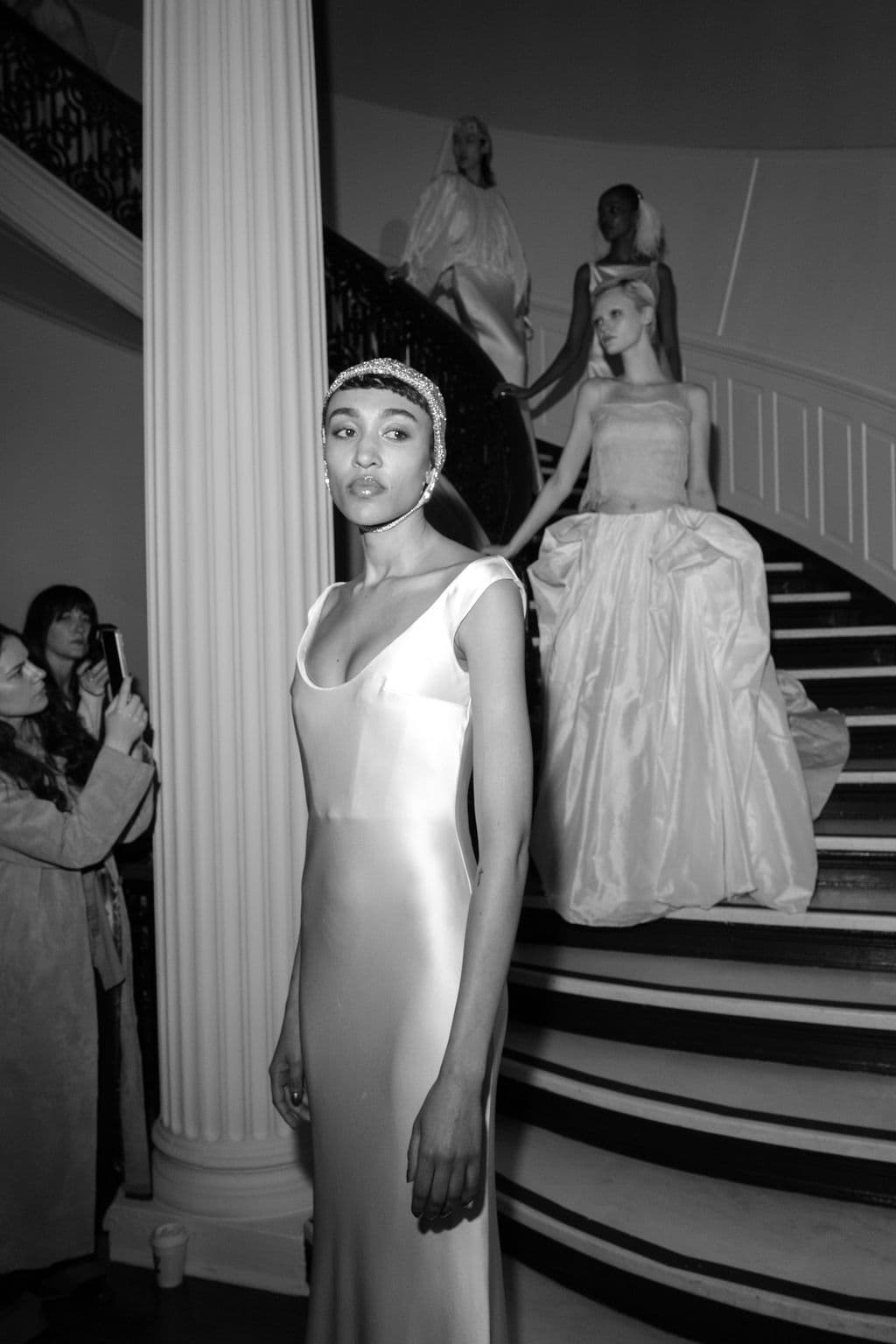
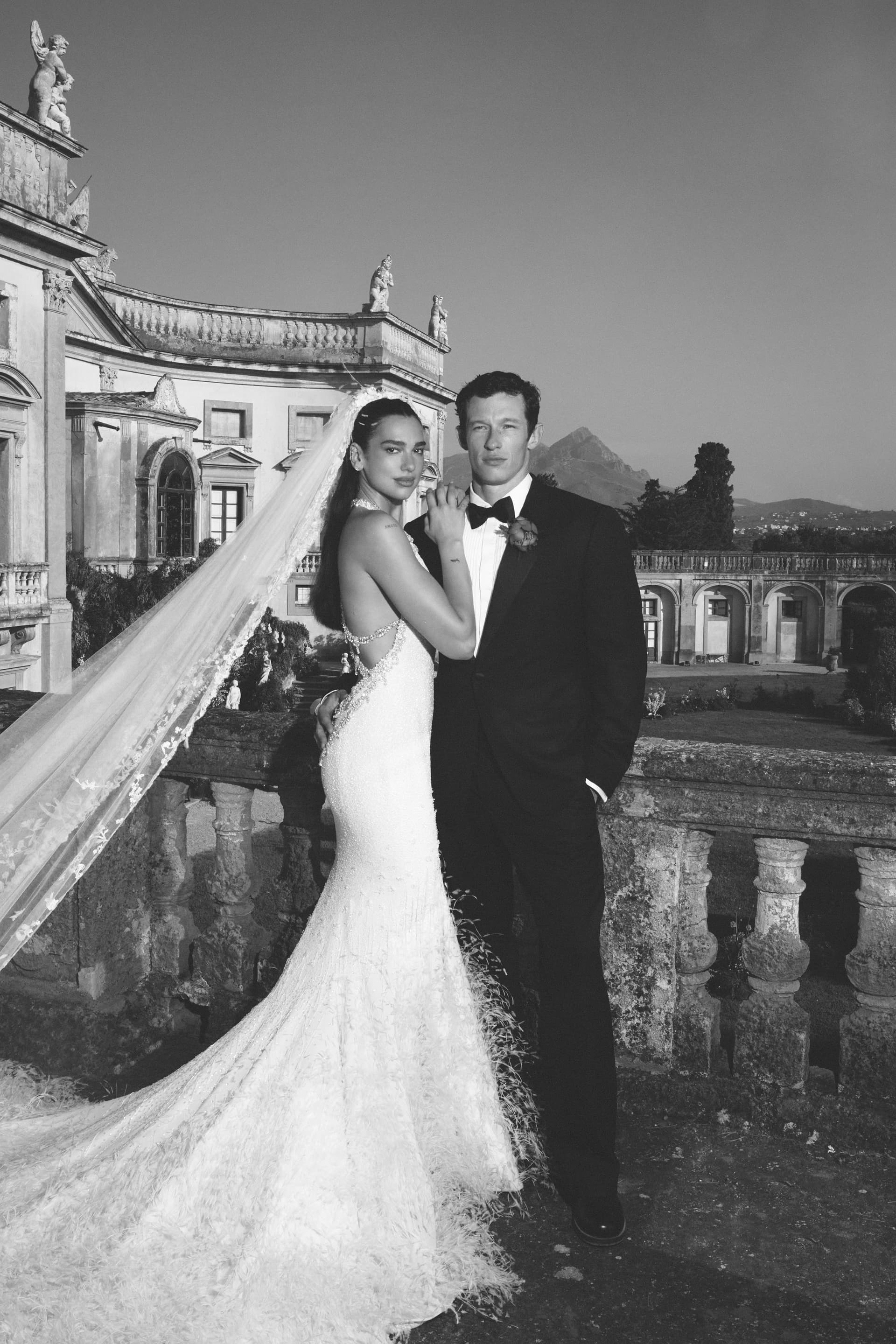
The ceremony dress still earns the drama. A bride who wants the classic emotional payoff can start in a grand silhouette, whether that means a fuller skirt, a cathedral train or a structured bodice that photographs with real authority. This is the moment for presence, for scale, for the kind of entrance that fills a room and holds its shape in the processional.
If the ceremony is the day’s formal anchor, it should also be the look that carries the strongest front-facing detail. Illusion necklines, covered buttons, sculpted seams and a train all create dimension in photographs without needing over-decoration. The key is not to overload the dress, but to let its architecture do the work.
Dinner: ease the silhouette without losing polish
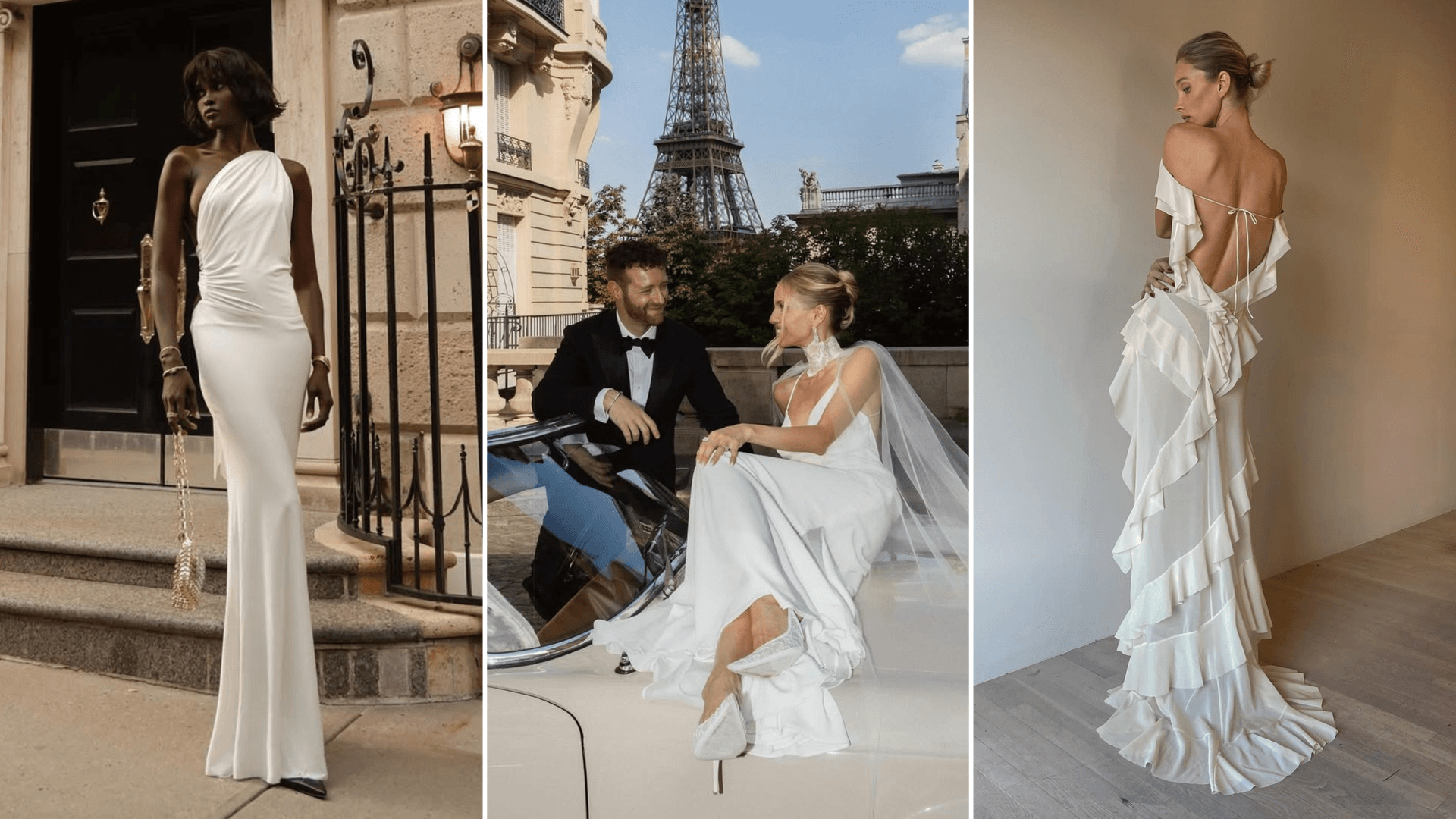
The dinner look is where the wardrobe can soften. Many brides are moving into a column gown or another sleek shape that lets them sit, move and mingle without managing a lot of volume. It is the most practical place in the day to trade drama for line, especially if the reception involves a long dinner, multiple toasts or a change of venue.
This is also the point where the look can become more intimate. A clean satin column, a bias-cut gown or a pared-back style with a refined neckline feels sophisticated without competing with the ceremony dress. If the first look was about arrival, the dinner dress is about control, comfort and quiet luxury.
Dancing: go shorter, lighter and easier to live in
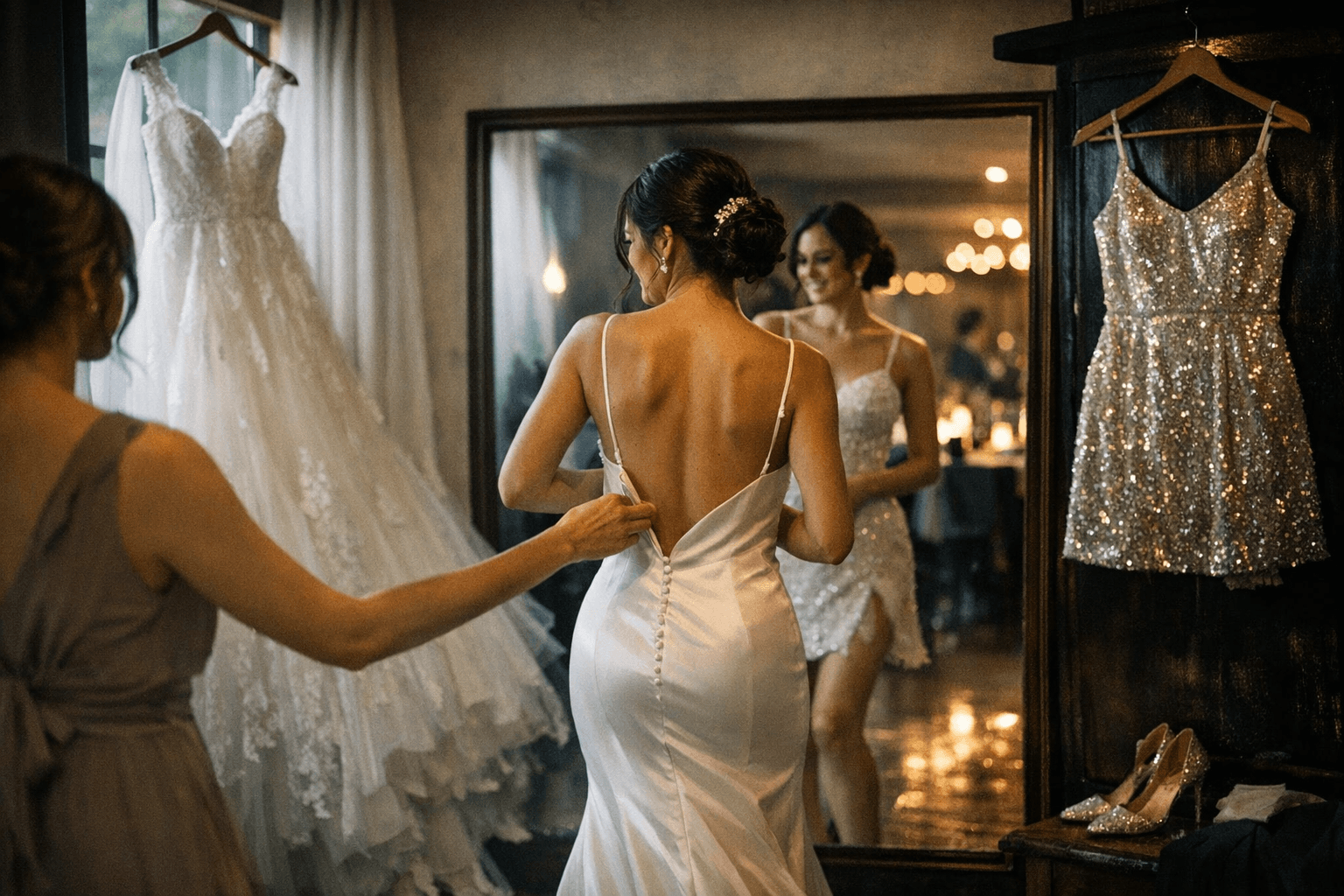
By the time the music starts, the mini has become the obvious finale. Marie Claire UK’s framing of short hemlines and bridal separates makes perfect sense here, because a shorter dress shifts the mood instantly and gives the bride freedom to actually move. The Knot has also noted that shorter hemlines and sleek silhouettes dominated Bridal Fashion Week for 2023-24, which explains why reception-friendly shapes keep returning with more confidence.
A dance-floor dress should feel engineered for movement. A hem that clears the ankle, a lighter fabric, or a dress with a bit of shine all helps the final look read as celebratory rather than secondary. The best versions still feel bridal in photographs, but they allow the night to loosen without the bride ever looking unfinished.
Why the three-dress strategy is also a budget decision
The romance of multiple outfits only works when the numbers make sense. The Knot’s 2026 Real Weddings Study puts the average U.S. wedding cost at $34,200 and the average wedding dress cost at about $2,100, which means every added look matters immediately to the overall budget. A three-dress plan is not automatically extravagant, but it does require discipline about where the money is going and which moment truly deserves the most investment.
That is why the trend is as much logistical as it is aesthetic. The Knot’s study surveyed 10,474 U.S. couples married in 2025, which shows this is not a tiny niche of fashion obsessives but a real shift in how weddings are being planned. For many brides, the decision comes down to whether a second or third look replaces other spending or simply adds pressure.
Cultural memory, modern practicality and the second grand entrance
The Knot has long argued that outfit changes are not new to weddings. They can be rooted in cultural traditions, practical needs and the desire for a second grand entrance, and that matters because the modern trend is expanding an older language rather than inventing one from scratch. The publication specifically points to brides changing into a Chinese qipao as a nod to heritage, which gives the reception change emotional weight beyond styling.
That perspective also helps explain why the look-shift feels meaningful rather than performative. Trish Peng sees the change as tied to both cultural tradition and practicality, while Tina Wong warns that extra outfit decisions can become overwhelming and expensive. Both instincts are true, and the best bridal wardrobe plan acknowledges them at the same time.
How to keep multiple outfits cohesive
The difference between chic and theatrical is continuity. Three dresses should feel like chapters from the same story, not three different weddings. That can come from repeating a fabric family, echoing a neckline shape, keeping accessories restrained or choosing the same hair and makeup logic across the day.
A good rule is to let only one element dominate each look. If the ceremony gown is dramatic in scale, the dinner dress should be clean in line, and the mini should bring the energy through proportion or texture rather than more embellishment. Sequins, linen, satin and crisp crepe can all live together if the palette stays disciplined and the styling does not compete with the dresses themselves.
The runway case for a more personalized bride
Designers have already been testing this appetite for flexibility. The Knot notes that 2024-25 collections included convertible looks and even 3-in-1 dresses, while its editors spent four days at New York Bridal Fashion Week viewing hundreds if not thousands of styles in service of Spring-Summer 2027 trend forecasting. The direction is unmistakable: bridal style is becoming more modular, more personal and less trapped by the idea that one gown must do all the emotional heavy lifting.
That shift also explains why the bridal midi and other reception-friendly silhouettes keep gaining ground. Brides are no longer dressing for a single aisle moment and then enduring the rest of the night. They are building a wardrobe that can hold ceremony gravity, dinner elegance and dance-floor ease in one cohesive arc, and that is changing both the look of weddings and the economics behind them.
This article was produced by Prism’s automated news system from verified source data, official records, and press releases, then run through automated quality and moderation checks before publishing. The system is built and supervised by the people who set the standards it runs under. Read our full AI policy.
Did this article answer your question?