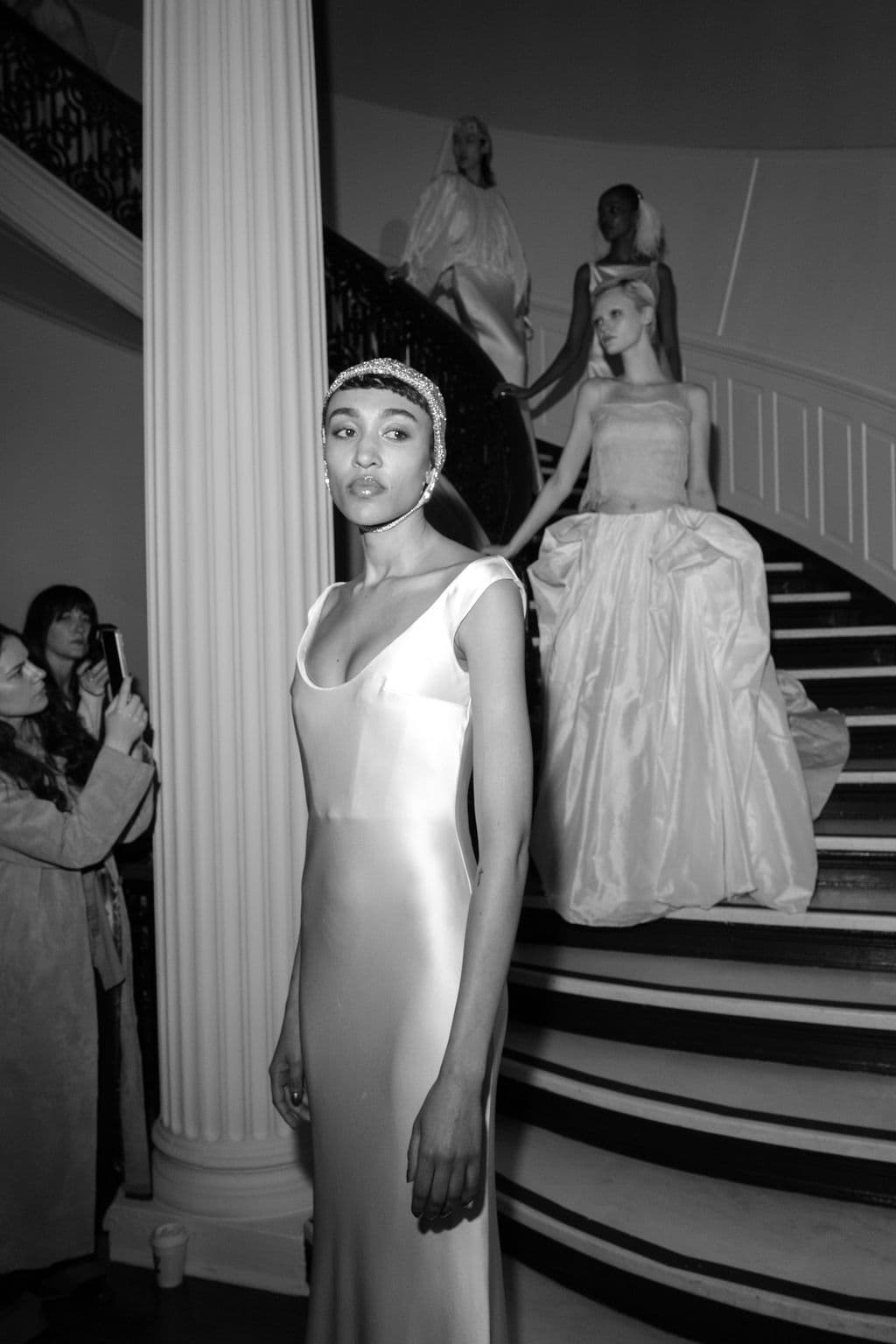
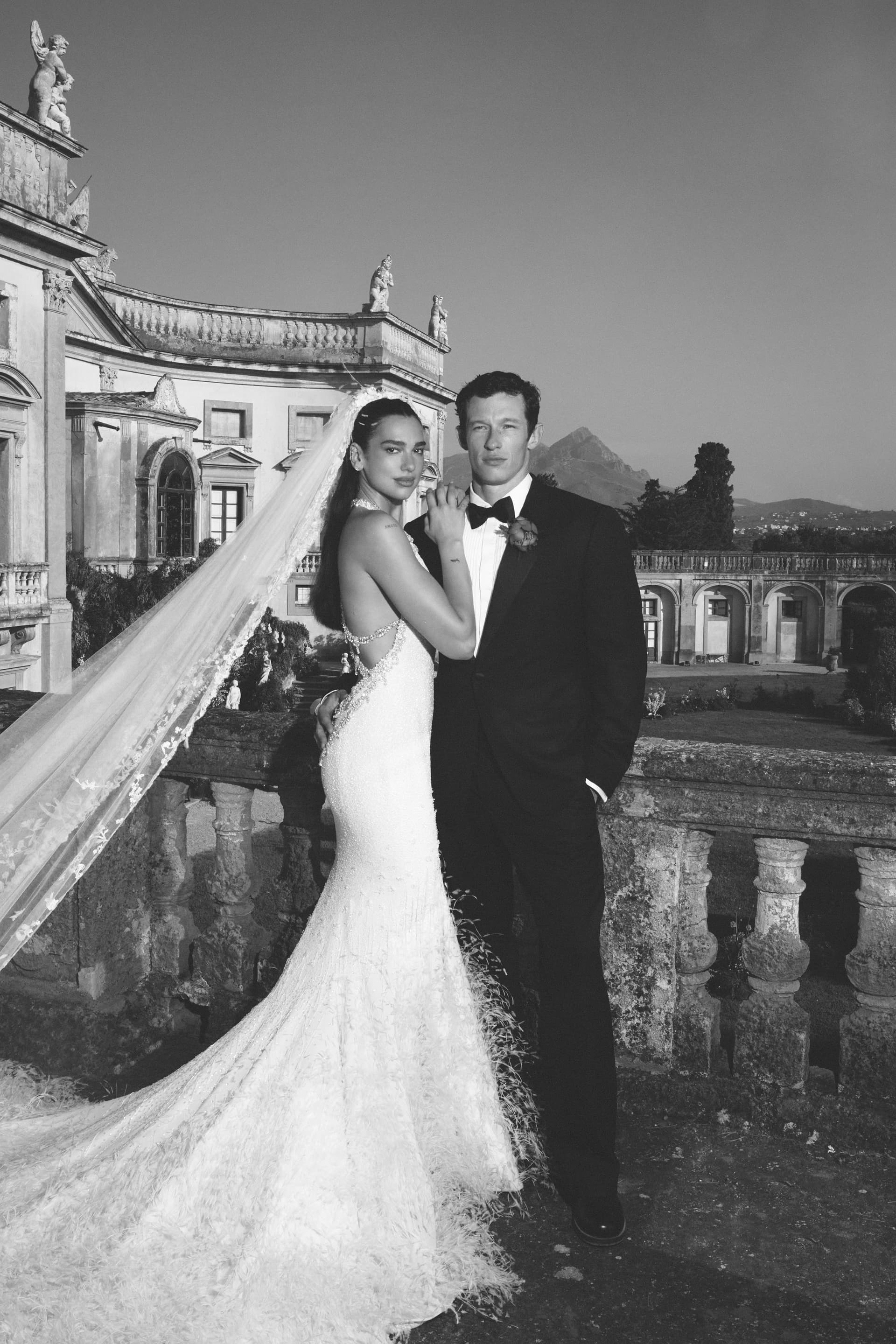
Traditional Vs. Color-Forward Bridal Style, Defining Your Wedding Aesthetic
Your wedding aesthetic starts with one split-second choice: quiet classics or a room full of color. That answer changes the dress, flowers, tables, and beauty.
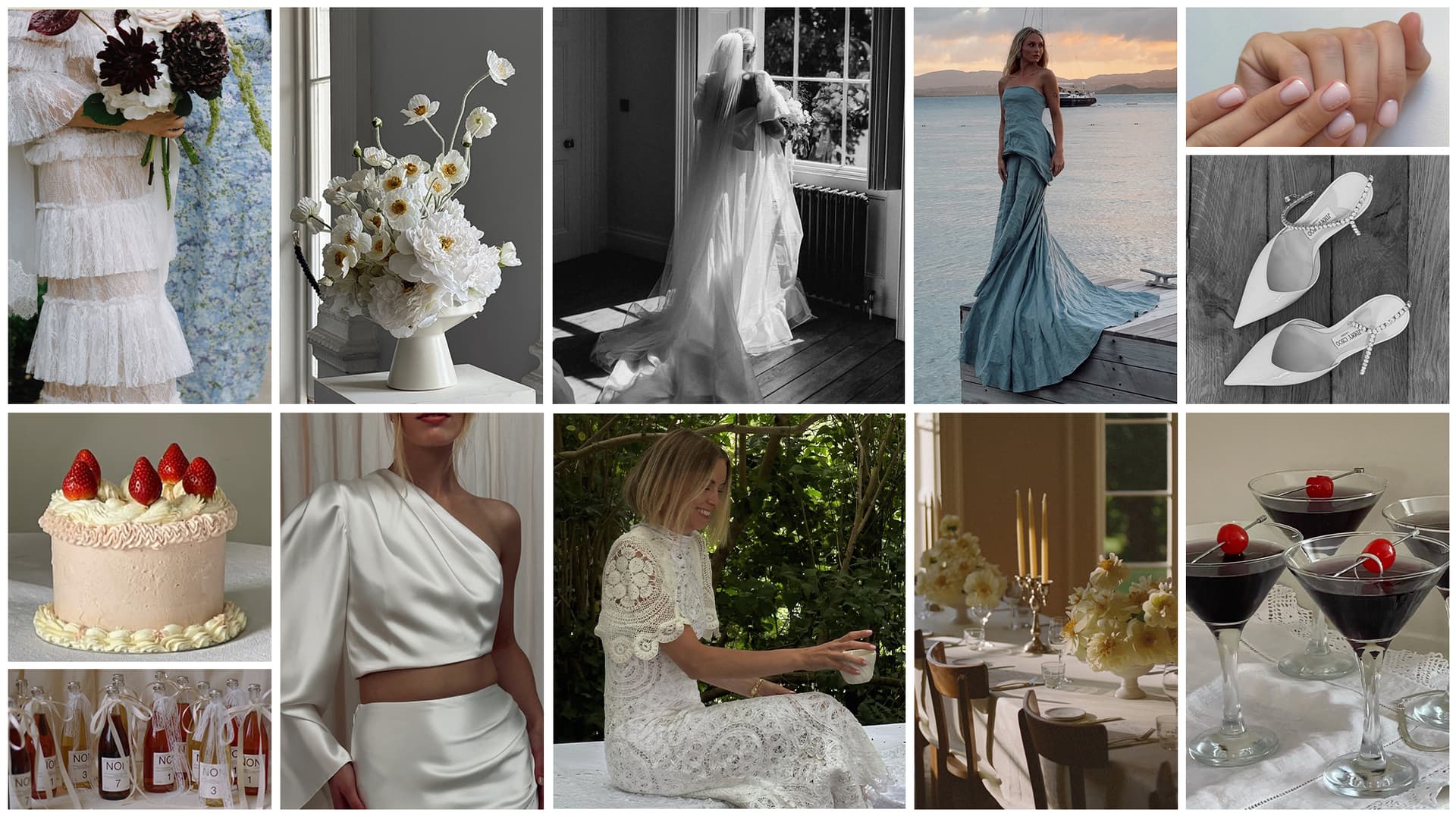
The mood board is where the bride becomes clear
Before you call a florist or pin down a dress, the smartest move is to make the mood board do the heavy lifting. The Knot treats it as the planning tool that helps couples figure out what they do and do not like before the real decisions begin, and that is exactly why it works for undecided brides: it turns taste into a visual yes or no. The best boards are not just dresses and bouquets; they include textures, architectural details, quotes, and even non-wedding imagery that captures the atmosphere you want to live inside for one night.
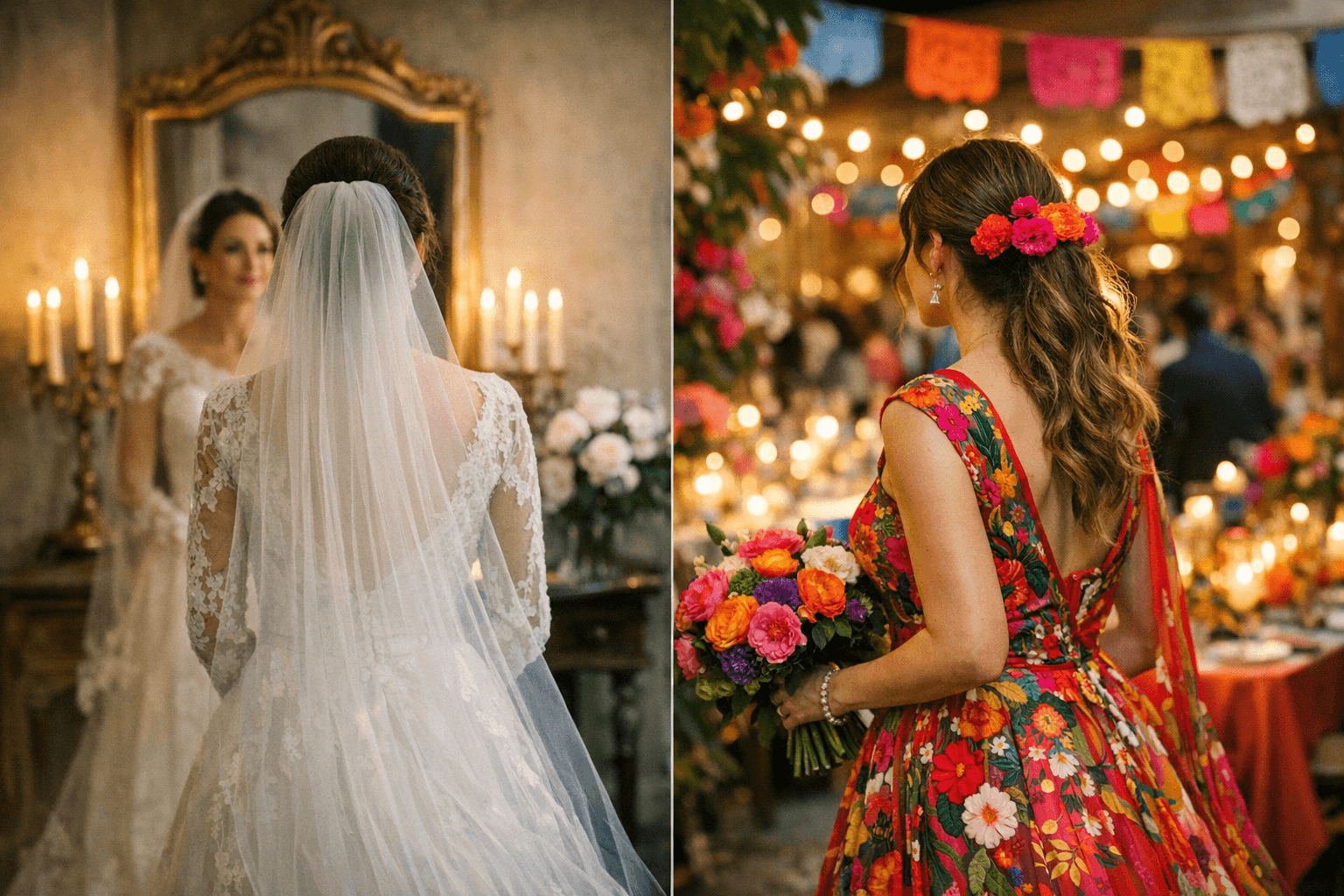
That is where the traditional versus color-forward split becomes so useful. One board leans into restraint, quiet luxury, and neutral harmony; the other embraces pattern, contrast, and richer color. Put them side by side and the difference becomes immediate, from the hem of the gown to the way the table catches candlelight.
The traditional bride: polished, neutral, and unmistakably bridal
Traditional no longer means stiff or dated. In 2026, it reads as edited, composed, and deeply intentional, the kind of wedding that still feels formal without looking performed. The dress usually leads that story: white or ivory, a clean silhouette, and details that flatter without shouting, the opposite of the nontraditional flourishes The Knot lists, such as fringe, feathers, trapeze shapes, two-piece sets, or oversized floral appliqués.
The palette follows suit. Think cream, oyster, champagne, soft blush, and greenery rather than saturated color. Flowers tend to stay in that same lane, with rounded white arrangements, pale roses, and a softer, more structured table design, the kind of room where linen, glassware, and candlelight do the styling for you. Invitations work best when they mirror that discipline, with refined typography and a restrained paper story that feels classic rather than theatrical.
Beauty matters just as much as the dress. The traditional bride usually looks most convincing when hair and makeup feel polished, not overworked: luminous skin, a defined eye, and a finish that reads elegant in photographs without competing with the gown. The overall atmosphere is calm and formal, the visual equivalent of speaking in a lower voice and still being heard.
The color-forward bride: expressive, layered, and memorable from the first glance
The alternative bride is not trying to shock anyone; she is trying to look like herself at full volume. The Knot’s definition of a nontraditional wedding dress makes that clear: color instead of white, a bold print, an unexpected silhouette, or statement details that move the dress away from bridal convention. This is the bride who can make a trapeze gown feel chic, or choose fringe and feathers because movement matters as much as shape.
The strongest 2026 color direction gives this identity a real foothold. The Knot’s trend coverage points to fine art-inspired tones, interior-design-adjacent shades, and richer pinks, especially rose, fuchsia, raspberry, and pink-purple plum. That palette changes everything guests notice first. Florals become more sculptural and more abundant, with cascading blossoms that echo dress trains and even fruit worked into centerpieces for a fresher, more editorial look. Stationery follows the same logic, with up-and-coming colorways and motifs that signal the tone before the ceremony begins.
This bride’s beauty look can be more adventurous too. A color-forward wedding can handle a stronger lip, a glossier finish, or a more graphic eye because the styling is built on contrast. The result is less about matching a standard bridal template and more about creating a room that feels collected, stylish, and slightly unexpected in every frame.
What each style flatters best
Traditional dressing flatters brides who want the architecture of the dress to do the work. A clean line, a quiet fabric surface, and a disciplined color story can sharpen the shoulder line, elongate the body, and keep the eye focused on proportion rather than novelty. It is especially strong for brides who want the atmosphere to feel formal, serene, and cohesive from invitation to final toast.
Color-forward style flatters brides who like movement, personality, and a little tension in the visual mix. If you love flowers that spill across a table, stationery with personality, and a gown that refuses to blend into the background, this is your lane. It is also the better choice if you want your wedding to photograph as a series of distinct, memorable moments rather than one uniform scene.
The larger cultural context helps explain why this divide feels so current. The U.S. marriage rate has stayed essentially flat, from 16.6 in 2012 to 16.7 in 2022 per 1,000 women age 15 and over, while divorce rates fell from 9.8 to 7.1 over the same period. Weddings are not becoming more frequent; they are becoming more self-defined. Add in the fact that Gen Z couples are putting more emphasis on aesthetics, shareability, and personal expression, and it is no surprise that the bride today wants a look with a point of view.
How to mix the two without losing the plot
The easiest way to make a wedding look intentional is to let one identity lead and the other support. A traditional dress can still live in a color-forward world if the flowers, invitations, or tablescape carry the boldness. Likewise, a vivid gown or nontraditional silhouette feels more grounded when the rest of the event quiets down around it.
A few rules keep the styling from feeling inconsistent:
- If the dress is classic, make the color story show up in florals, stationery, or a single strong tablescape moment.
- If the dress is bold, keep the décor cleaner so the room does not compete with the gown.
- Repeat one or two tones throughout the day, such as the bouquet ribbon, invitation palette, and table linen.
- Let texture do part of the work: satin with smooth paper, feathers with crisp florals, or a sculptural dress with more organic arrangements.
- Use mood board images that share the same energy, even if they are not all wedding-related. A room, a painting, a flower, and a dress can still belong to the same story.
That cohesion matters because the modern wedding is no longer asking brides to choose between personality and polish. Pew Research Center notes that U.S. husbands and wives were 2.2 years apart on average in 2022, a narrower gap than in earlier eras, and that sense of closer alignment shows up in planning too: the best weddings feel like a shared visual language, not a compromise.
Which bride are you?
If your eye goes first to white silk, soft light, and a room that feels composed from edge to edge, you are probably in the traditional camp. If you keep coming back to raspberry roses, unexpected silhouettes, fruit on the table, and a dress with fringe or feathers, you are already leaning color-forward. The most convincing weddings do not split the difference for the sake of it; they commit, then repeat that choice beautifully in every visible detail.
In the end, the bride who looks most current is not the one chasing every trend. It is the one whose dress, flowers, invitations, tables, and beauty all tell the same story the moment guests walk in.
This article was produced by Prism’s automated news system from verified source data, official records, and press releases, then run through automated quality and moderation checks before publishing. The system is built and supervised by the people who set the standards it runs under. Read our full AI policy.
Did this article answer your question?