Wedding flowers become personal storytelling in modern bridal style
Wedding flowers now do more than decorate the aisle: they set the color story, signal personality, and claim a real share of the budget.

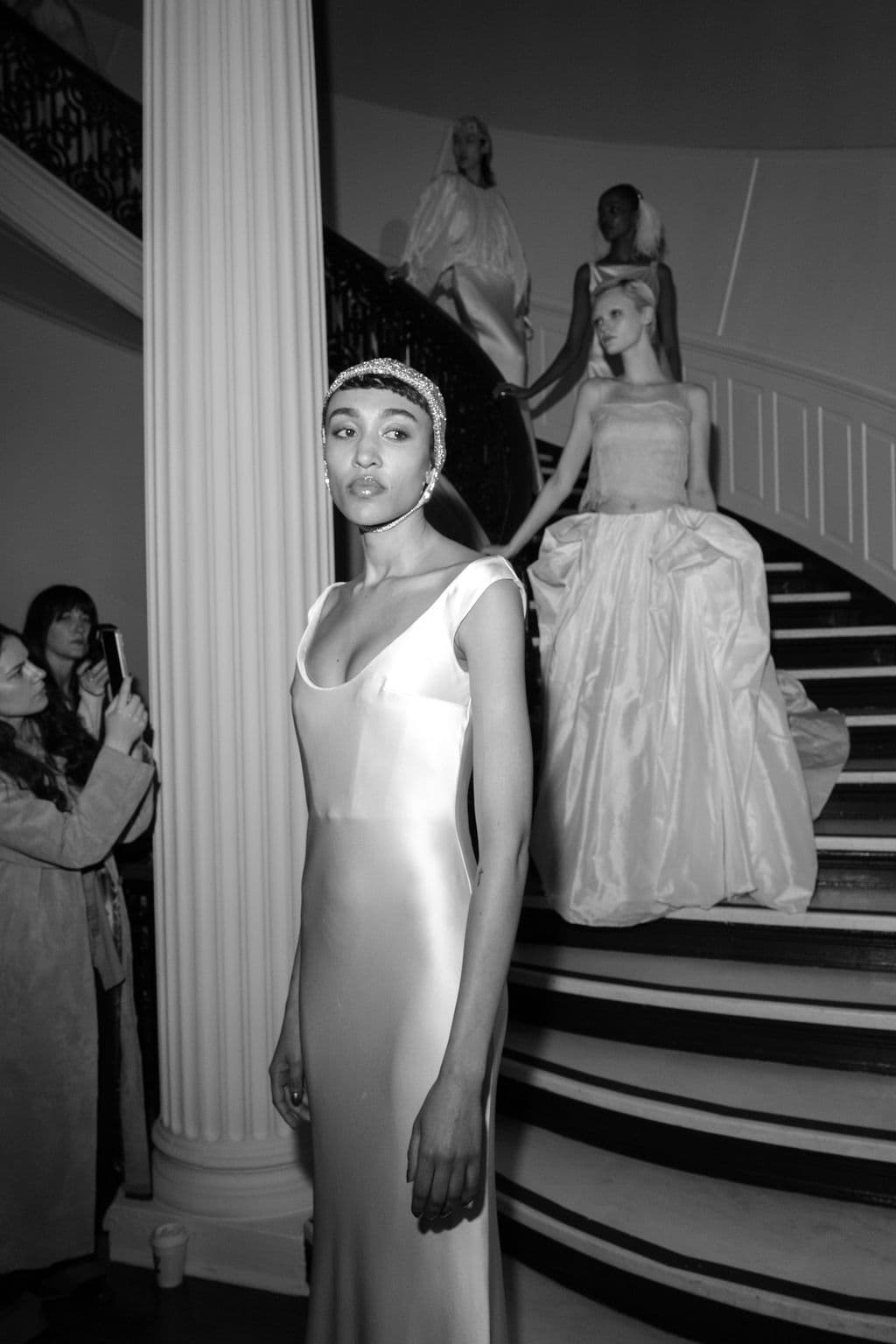
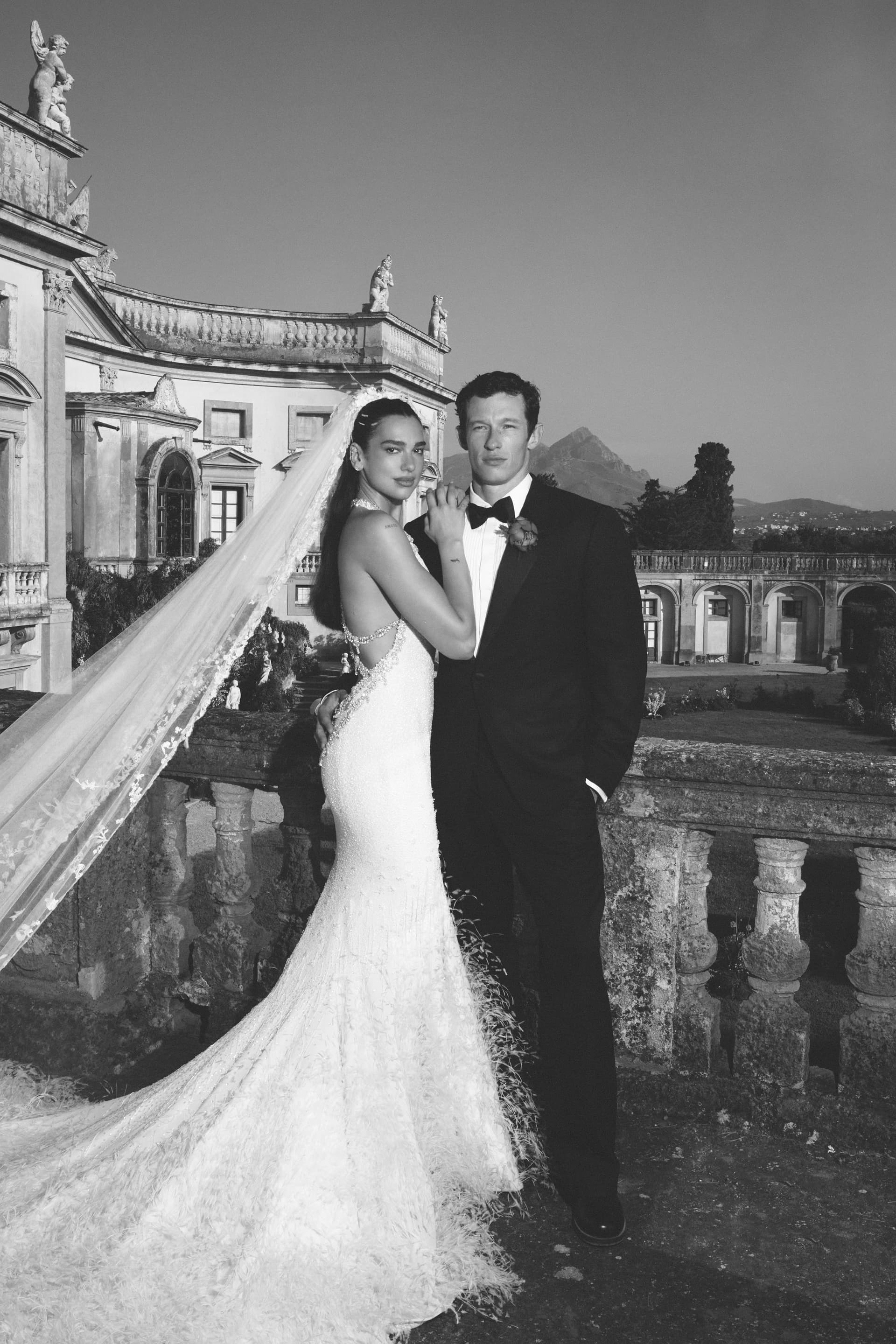
Wedding flowers are no longer the last thing added to a wedding plan. They are part of the look from the first sketch, shaping color, silhouette, and mood across the dress, the tablescape, and even the way the day photographs. The shift is clear in modern bridal style: florals have moved from fixed white-rose formulas to arrangements that feel more personal, more expressive, and much more tied to the couple’s story.
Flowers as the first styling decision
The smartest way to think about wedding flowers is as visual infrastructure. A bouquet can echo the line of a gown, sharpen a minimalist dress with contrast, or soften a structured look with movement and texture. When florals are chosen with the same attention given to fabric and cut, they stop acting like decoration and start doing the work of styling.
That is why the modern bridal brief often begins with mood rather than with a single bloom. A couple is no longer choosing flowers only for tradition or symmetry; they are choosing a palette, a feeling, and a visual language that carries from ceremony to reception to photographs. In that sense, flowers now function the way accessories do in fashion: they define what the dress means in the room.
The budget is part of the story
The Knot’s 2025 Real Weddings Study surveyed 10,474 U.S. couples married between January 1 and December 31, 2025, and found that the average cost of wedding flowers was $2,800. That figure places florals firmly among the major wedding expenses, not a minor add-on. Another wedding-industry source puts floral budgets at about 8 to 10 percent of total wedding cost, which often lands in the $1,800 to $3,500 range.
Those numbers explain why florals carry so much creative weight. When a line item commands that kind of spending, it has to do more than fill space on a table or frame the altar. It has to earn its place by setting the tone, carrying color through the event, and making the wedding feel distinct from every other white-and-green ceremony in the room.
The older language behind the new personalization
Modern bridal floristry may feel current, but its logic is old. Victorian-era floriography, the language of flowers, became widely codified in Britain and the United States during the 19th century, when bouquets were used to communicate meanings that social rules made hard to say out loud. White flowers, including white roses, became linked with purity and true or everlasting love, which is why they settled so deeply into wedding symbolism.

That history matters because it shows why couples are now pushing past the default bouquet. If flowers once carried coded meaning, it makes sense that today’s brides and grooms want them to carry personal meaning again. The difference is that the message is no longer prescribed by etiquette; it is chosen to reflect identity, taste, and the emotional shape of the day.
Myrtle, monarchy, and the pull of tradition
Royal weddings show how strong that symbolic thread can be. English Heritage says myrtle has been the flower of choice for royal brides since the 1850s, and flowers from the same myrtle plant have appeared in the bouquets of Queen Elizabeth II, Catherine Middleton, Meghan Markle, and earlier royal brides. The story begins at Osborne, where the myrtle linked to Queen Victoria and Prince Albert became part of a living bridal tradition.
That lineage is a useful counterpoint to today’s more expressive floristry. On one hand, it proves that wedding flowers can carry family memory across generations. On the other, it shows why couples are comfortable treating florals as something more than a nod to custom: even the most established traditions were built around a plant, a place, and a story.
What expressive floristry changes now
The move toward more story-driven arrangements is not just about choosing bolder blooms. It is about using flowers to build a complete visual world, from the ceremony aisle to the dining table to the final photographs. When a floral palette is treated as part of the wardrobe, it can echo the shape of a veil, the drama of a train, or the clean line of a modern gown without ever repeating it.
That is the real force behind the current bridal mood. Flowers are doing what the best fashion choices do: they tell you who the bride is before she says a word. In a wedding landscape where personalization shapes everything from dress selection to budget decisions, florals have become the clearest way to turn tradition into self-portrait.
This article was produced by Prism’s automated news system from verified source data, official records, and press releases, then run through automated quality and moderation checks before publishing. The system is built and supervised by the people who set the standards it runs under. Read our full AI policy.
Did this article answer your question?