What matters most when choosing a wedding dress, beyond trends
The best wedding dress is the one that fits, feels good and still looks like you in the photos, long after the trend cycle has moved on.
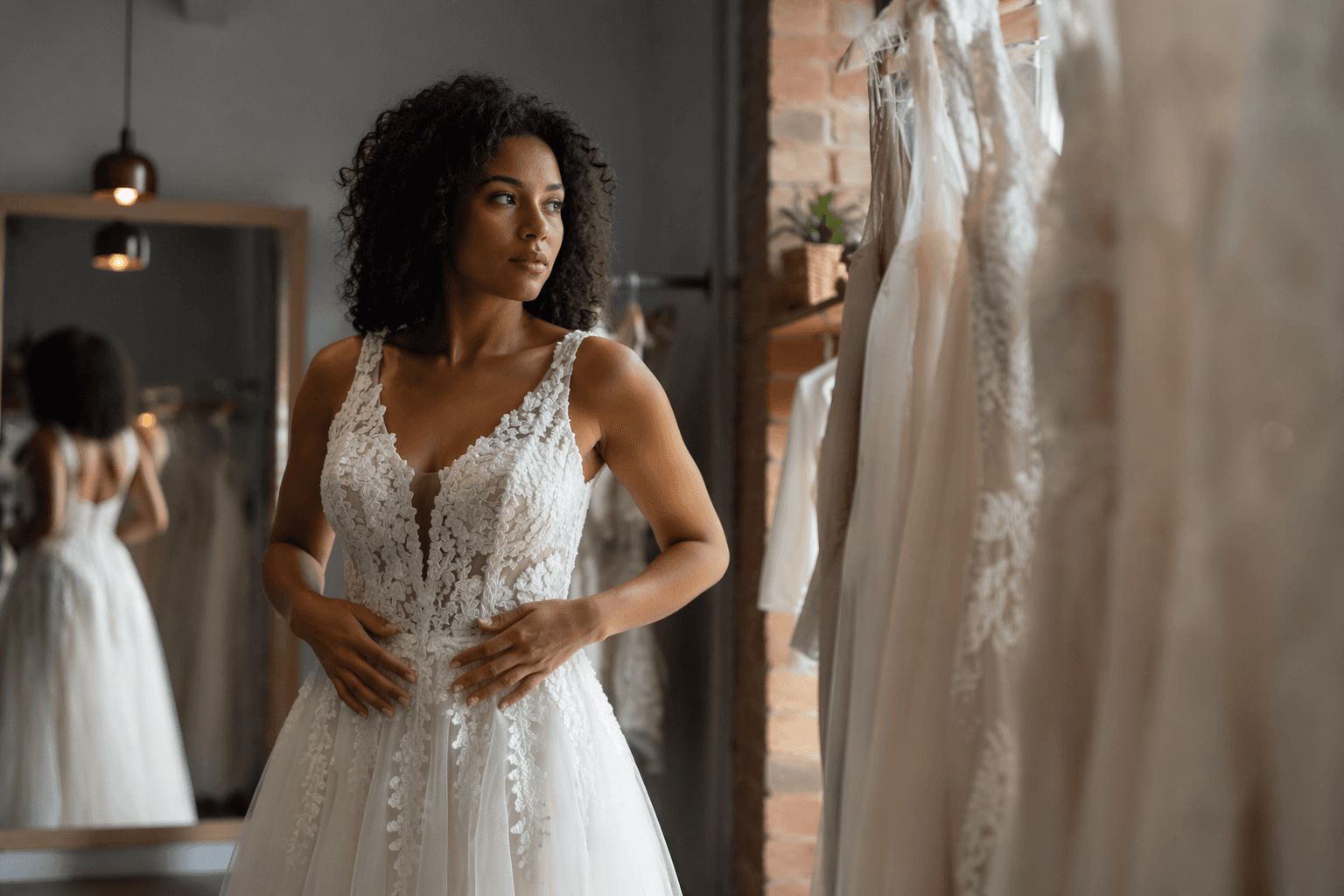
The smartest bridal advice starts with a reality check: the dress has to move, breathe and photograph beautifully, not just stun under showroom lights. Long after the aisle moment fades, it will live in pictures, memories and family stories, which is why fit, comfort, fabric and craftsmanship matter more than any passing trend.
Start with the body, not the fantasy
Across the bridal conversation, the same non-negotiables keep coming up: fit, comfort, fabric, craftsmanship, personal style and timeless appeal. That is the part of dress shopping that cannot be outsourced to a mood board, because a gown that looks dreamy on a hanger can pull at the waist, shift at the bust or feel heavy by the second hour of the reception.
Names such as Polina Bronstein, Gül Hürgel and Marmar Halim sit inside that broader design conversation, but the message remains remarkably consistent: the right dress should still feel like the bride when it is zipped, tailored and worn for real. The most flattering option is not the loudest one on the rack, it is the one that lets the bride stand, sit, walk and dance without thinking about the dress every five minutes.
The fitting-room checklist that actually matters
Kleinfeld Bridal’s dress guidance keeps the decision grounded in concrete details: silhouette, neckline, sleeve, fabric and train length. Its consultants say they have helped thousands of brides choose gowns, and that kind of experience shows why the fitting room is where the real work happens.
Before falling for embellishment or a viral shape, the practical questions should come first:
- Silhouette: Does it support the body you have now, not the one you imagine in six weeks?
- Neckline: Does it frame the face and stay comfortable when you sit, hug and turn?
- Sleeve: Can you lift your arms without tugging at the underarm or shoulder?
- Fabric: Does it hold structure, or does it crease, cling or collapse once you move?
- Train length: Can you walk, climb stairs and cross a floor without needing constant help?
Those details sound unglamorous until the dress is on for six straight hours. Then they become the whole point, because the wrong proportions or the wrong fabric behavior will show up in every candid, every close-up and every step down the aisle.
Budget is part of the style decision
The numbers make the case for restraint. The Knot’s 2026 Real Weddings Study puts the average wedding dress cost at about $2,100, based on nearly 10,474 U.S. couples married in 2025, and says only 19 percent of female participants wore custom-made attire. Zola places the average dress cost between $1,500 and $2,500, which shows how much expectations can shift depending on retailer, construction and how much alteration work is built into the final price.
That price conversation lands in a wedding market where one 2025 U.S. estimate put average spend at $32,899 and median spend at $18,231. In that context, a dress is no longer just an isolated splurge, it is one line in a larger budget shaped by venue, photography, food and everything else that will be remembered alongside the gown. Brides who spend carefully are not being less romantic, they are thinking about whether the dress has enough longevity to justify the investment.
Why the store still matters
The National Bridal Retailers Association says its mission is to strengthen the public image of shopping in brick-and-mortar bridal stores and support independent bridal shop owners. That position makes sense in a category where fit and movement are impossible to understand from a thumbnail or a mirror selfie.
In person, the dress can be judged as a garment, not just as an image. A salon appointment shows how the bodice sits after you sit down, how the skirt behaves when you turn and whether the fabric stays clean under real light, not just under flattering filters. For a purchase this personal, the store is still where instinct gets tested against reality.
Runway ideas should be edited, not copied
The Council of Fashion Designers of America says New York Bridal Fashion Week returned April 7 to 10, 2025 for the spring 2026 bridal collections, with Reem Acra, Amsale, Anne Barge, Berta, Esé Azénabor, Francesca Miranda, Lein, Markarian, Morilee, Odylyne the Ceremony, Scorcesa, Tanner Fletcher, Viktor&Rolf and WONÁ Concept on the schedule. Another bridal week ran October 14 to 16, 2025, which is a reminder that the runway turns fast even when the purchase itself is deeply personal.
The smartest way to read those collections is as a filter, not a mandate. A bride can borrow the feeling of a collection, whether that means sharper structure, softer draping or a cleaner line, then bring it back to her own body, her own venue and her own comfort level. Trend value is real, but only if it survives the practical test of wearability.
The final test is recognition
The best wedding dress is the one that still looks right after alterations, after the ceremony and after hours of movement. It should feel secure enough to forget about, flattering enough to trust in photographs and personal enough that the bride recognizes herself in it immediately.
That is the point the bridal conversation keeps returning to, from designers to retail consultants to the numbers around cost: style matters, but fit, comfort and construction decide whether the dress works. Trends can introduce the idea, but the bride and the fabric have to carry it the rest of the way.
This article was produced by Prism’s automated news system from verified source data, official records, and press releases, then run through automated quality and moderation checks before publishing. The system is built and supervised by the people who set the standards it runs under. Read our full AI policy.
Did this article answer your question?