What to Wear to a Bridal Shower, Etiquette for Guests and Bridesmaids
The best bridal-shower outfit is polished, daytime, and never wedding-adjacent, with bridesmaids usually dressing like guests unless the bride sets a brief.
The real dress code is tone, not trend
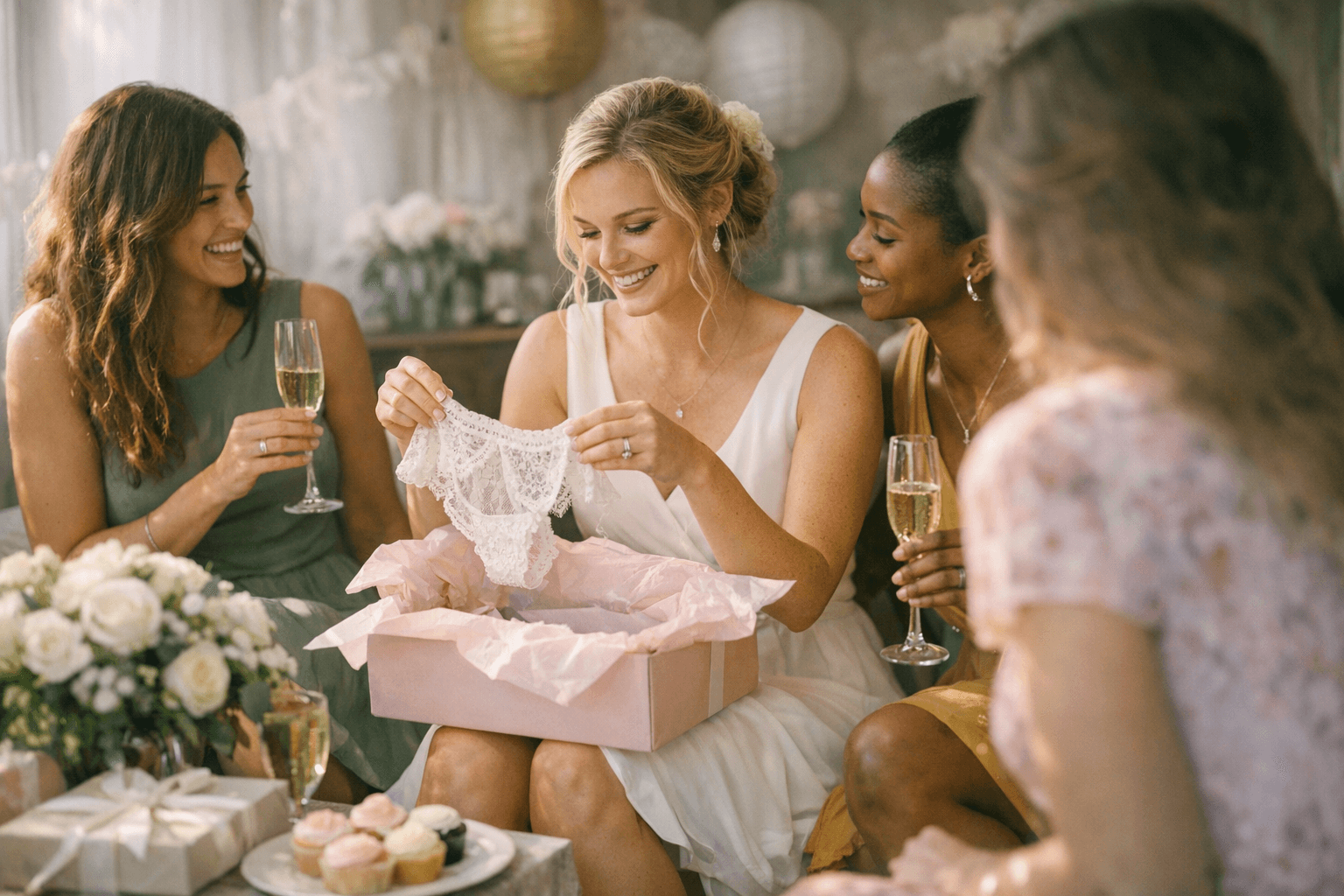
A bridal shower is where etiquette anxiety shows up first in the closet. You want to look celebratory, pretty, and considered, but not so polished that you read as if you are competing with the bride, or so casual that you look as though you wandered in from errands. That balance is why bridal-shower style has its own rules, and why the safest answer is never just “wear a nice dress.”
The occasion has deeper roots than many guests realize. Wedding showers began in the 1890s, when a hostess might fill a paper parasol with small presents and tip it over the bride-to-be’s head. The phrase “bridal shower” appears in North American English by 1899, which helps explain why the event has accumulated its own etiquette, separate from the wedding itself. In modern wedding culture, the shower sits among several prewedding events with distinct expectations, and the wardrobe should reflect that middle ground: festive, but not formal enough to look like you are headed down the aisle.
What works, from dresses to dressy separates
The Knot’s guidance is refreshingly broad, which is part of what makes it useful. Appropriate bridal-shower guest attire includes dresses of any length, jumpsuits, rompers, and dressy separates. The key is not the category but the finish: the look should feel polished, modest, and daytime-appropriate, closer to elevated daytime-date dressing than evening glamour.
That means fabric matters as much as silhouette. A midi dress in a fluid crepe, a tailored jumpsuit with a clean neckline, a soft romper with enough structure to look intentional, or a blouse-and-trouser pairing in a refined fabric all feel right because they have shape without theater. The best shower outfit has ease in it. It should move, sit, and mingle well, because bridal showers are social, not ceremonial.
How to read the room by venue
The venue usually tells you how sharp to go. A restaurant shower can take a sleeker look: a polished midi, a chic jumpsuit, or dressy separates with a little architecture in the shoulder or waist. If the event is in a home, the mood often softens, so a more relaxed silhouette feels natural, as long as it still reads finished rather than everyday.
Garden showers invite the most sensitivity to fabric and footwear. Breathable materials, lighter textures, and hems that do not drag through grass make sense, especially if the host has gone to the trouble of making the setting pretty. For a daytime formal shower, the bar rises slightly. A more refined dress, a longer hem, or a sharper set of separates can work beautifully, but the look should still stop short of wedding territory. If it looks ready for a reception, it is too much.
- Restaurant: tailored, sleek, and easy to sit in
- Home: polished but less rigid
- Garden: breathable, pretty, and sensible underfoot
- Daytime formal: elevated, but still clearly daytime
A practical way to decode the invitation:
What to avoid, beyond white
White is the obvious misstep, and The Knot is blunt on that point: skip it. But the more common mistake is underdressing or overdressing in a way that breaks the mood of the room. Jeans, sneakers, and athleisure are too casual for an event that is meant to feel celebratory. On the other end, anything excessively flashy or too formal can feel off, especially if it reads more like wedding attire or something saved for a bachelor or bachelorette weekend.
The cleanest rule is this: if your outfit could plausibly be worn to the wedding itself, it is probably too much for the shower. If it could be worn to brunch without a second thought, it may be too little. Aim for the elegant middle. That is where bridal-shower style looks most confident.
What bridesmaids should wear
Bridesmaids usually dress like the other guests unless the bride asks for a specific color, pattern, or style. That default is helpful, because it keeps the shower from turning into a parade of coordinated costumes. A bridesmaid does not need to look branded by the bridal party unless that is the stated plan.
There is one important wrinkle: bridesmaids, the maid of honor, or other bridal-party members may also have duties such as setup, gift tracking, or games. That makes practicality part of the dress code. A gown that puddles on the floor or a skirt that limits movement is a poor choice if you are the one arranging chairs, stacking presents, or handing out game cards. In that role, the smartest outfit is one that still looks charming after an hour of standing, bending, and carrying things.
The quiet power of the correct shower outfit
What makes bridal-shower dressing so specific is that the event itself sits between intimacy and ceremony. It is not as formal as the wedding, but it is not casual in the way a weekend lunch is casual. That is why the best outfits tend to be the ones with the most restraint: the beautiful jumpsuit with a clean line, the dress that skims rather than announces, the separates that feel composed without calling too much attention to themselves.
Even as coed wedding showers become increasingly popular, the style logic remains the same. The guest should look like someone who understood the occasion and dressed for it with care. That is the point of bridal-shower etiquette at its best: not decoration, but discernment.
This article was produced by Prism’s automated news system from verified source data, official records, and press releases, then run through automated quality and moderation checks before publishing. The system is built and supervised by the people who set the standards it runs under. Read our full AI policy.
Know something we missed? Have a correction or additional information?
Submit a Tip