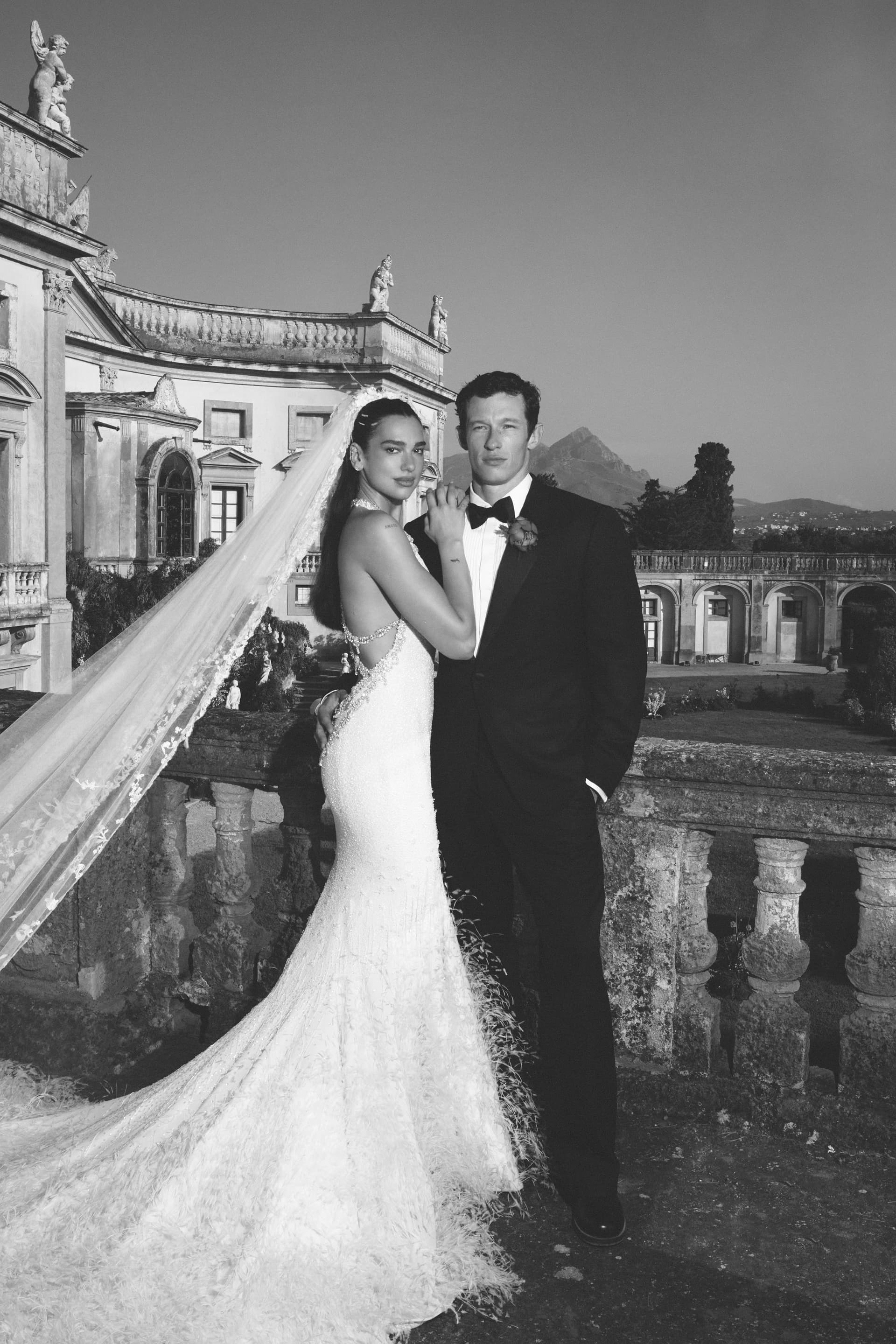
Why brides wear white, and how Queen Victoria made it iconic
Bridal white is a Victorian invention, not a universal law. Queen Victoria made it iconic, but brides have always had color in the mix.
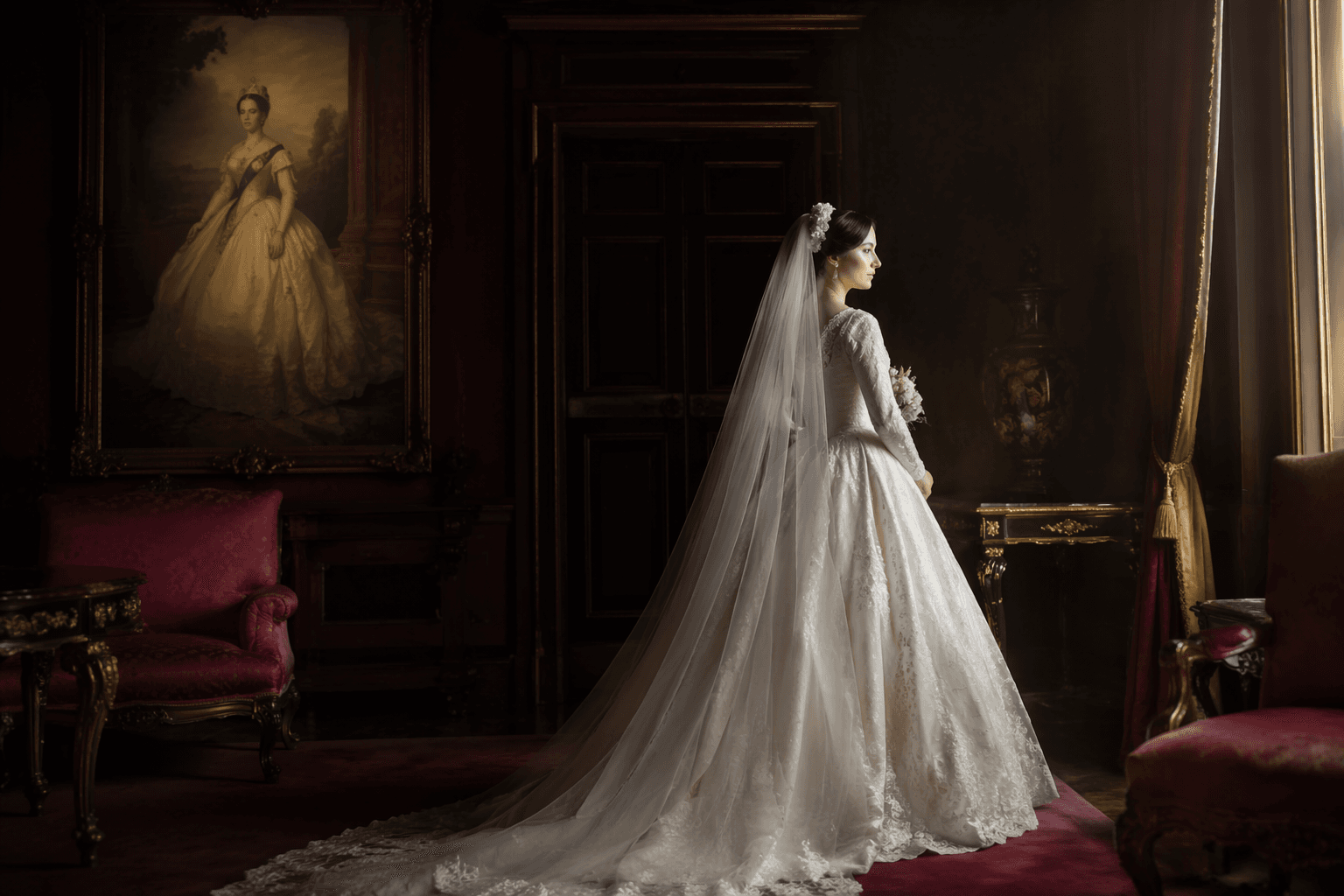
The Metropolitan Museum of Art’s 1824 American wedding dress makes the story easy to see: white was not a commonplace wedding color in the early 19th century. For centuries in Western dress, brides wore whatever made sense, often colored gowns they could wear again, because practical value mattered more than symbolism and white was a pain to keep clean. The white gown became a rule later, after a very specific royal moment turned one wedding into a style template.
White was once just one option
Brides usually chose colored gowns that could return to the wardrobe after the ceremony, which is a much more modern idea than the fantasy of an always-white bridal past. White stayed rare well into the late 19th century, which is why so much of today’s “tradition” is really a slow-fashion aftershock.
Before 1840, the palette was far broader than most salons admit when they line up their rails of ivory and pearl. The Victoria and Albert Museum’s history of bridal dress includes red, pink, blue, brown, or even black as common bridal colors. Bridal dressing used to behave like dressing, full stop, with color choices shaped by money, wearability, and the realities of getting more than one use out of a garment.
Queen Victoria made white feel ceremonial
The hard pivot comes on February 10, 1840, when Queen Victoria married Prince Albert. She wore cream silk satin with Honiton lace and a white lace veil, and the look was deliberate, not accidental. Britannica links the lace choice to support for the struggling lace industry in Honiton, Devon, and the Royal Collection Trust traces the ensemble to East London Spitalfields silk, which gives the dress a very real textile geography instead of a foggy fairytale.
That wedding did not invent white bridal wear from nothing, but it gave it a face, a date, and a royal body to cling to. Victoria’s choice was influential, though not the sole origin of the white wedding dress, and by the mid-19th century white and lace had become customary for bridal wear. In the White House Historical Association’s account, her white silk satin gown had an eighteen-foot court train and helped popularize the bridal look that still dominates the market.
Victoria’s lace flounce was reused at the 1858 wedding of her eldest child and again at the 1893 wedding of her grandson, the future George V.
The purity story came after the dress
The modern idea that white equals purity was attached later, not born in 1840 fully formed. In August 1849, Godey’s Magazine and Lady’s Book described white as the proper wedding hue, “emblematic of the freshness and purity of girlhood.” It turned a fashionable choice into a moral symbol and helped harden the white gown into social expectation.
Even then, the meaning was not universally loved. The Smithsonian records that Victoria’s white dress met criticism at the time.
What this means when you shop now
Modern brides do not have to treat white like a law. If white became bridal shorthand through a particular Western fashion history, then ivory, cream, champagne, blush, silver, and full color are not rebellions for the sake of rebellion. They are continuations of a much older bridal reality, one where women wore what fit their lives, budgets, and taste.
That is why so many salons still sort their racks around pale neutrals: the market is built on the white default, even when the original story is far messier. Brides with cultural traditions rooted in red, pink, blue, or black do not need permission from 19th-century etiquette pages. The same goes for anyone who wants a softer ivory, a dipped-in-champagne sheen, or a full-color statement.
This article was produced by Prism’s automated news system from verified source data, official records, and press releases, then run through automated quality and moderation checks before publishing. The system is built and supervised by the people who set the standards it runs under. Read our full AI policy.
Did this article answer your question?