Capsule wardrobes: how to build a versatile, sustainable closet
Build a capsule around the 30 pieces you truly wear, and the payoff is fewer decisions, more outfit range, and a closet that works harder.
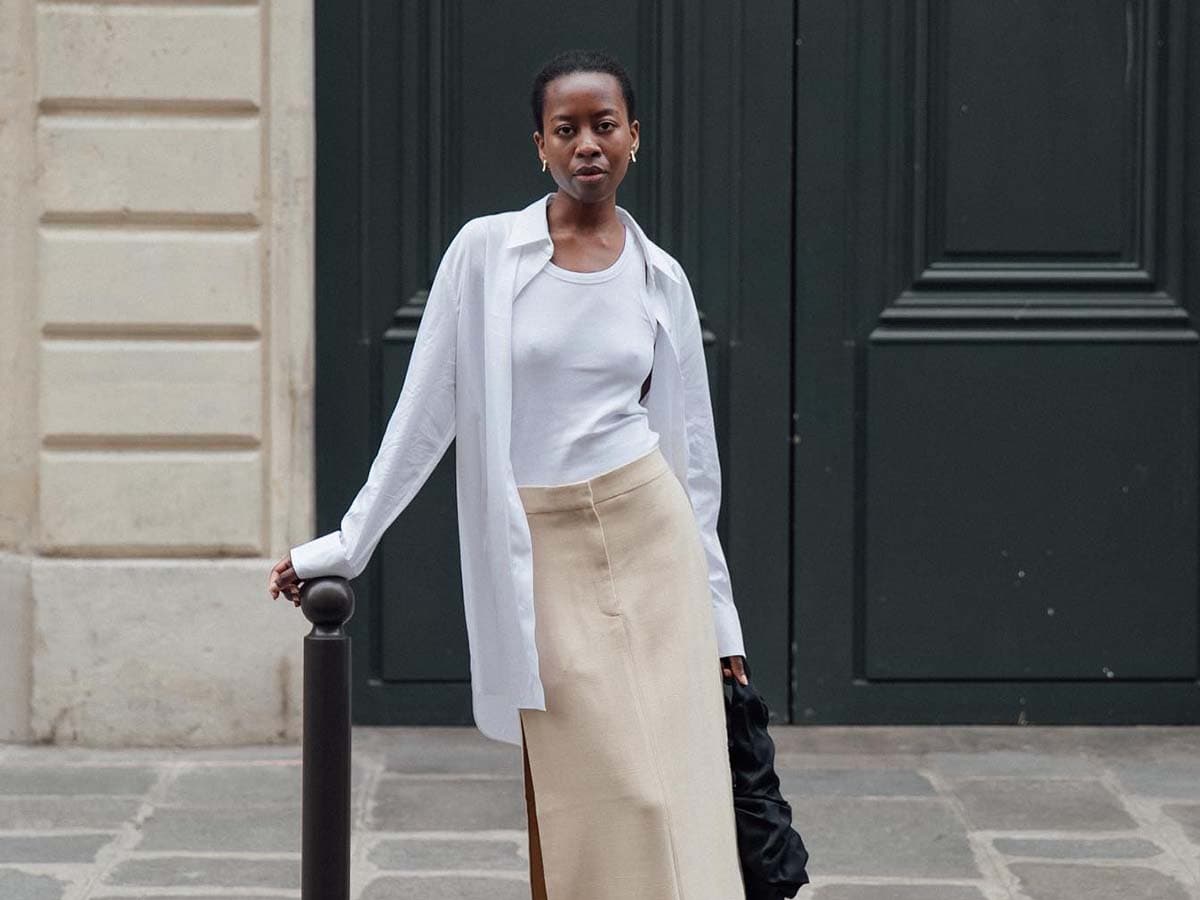
Start with the 30 pieces you repeat across work, weekend, and occasion dressing, then cut everything that cannot earn its place in more than one part of your week. The sharpest capsule wardrobe is not a pledge of austerity, it is a method for dressing with more precision.
What a capsule wardrobe really means
The term is traced to Susie Faux, who owned the London boutique Wardrobe in the 1970s, though related ideas were already surfacing in American publications as early as the 1940s. The modern shorthand arrived later through Courtney Carver’s Project 333, launched in 2010, a minimalist fashion challenge built around 33 items or less for three months.
That challenge is deliberately specific: clothing, shoes, and accessories count, while underwear, sleepwear, and workout clothes do not. Its reach went well beyond a niche internet idea, with Project 333 appearing in mainstream outlets including Real Simple, Vogue, and O, The Oprah Magazine. A smaller, smarter wardrobe can reduce decision fatigue, make mornings quicker, and force you to choose pieces that fit your actual life, not an imaginary one.
Why the idea matters now
Capsule dressing sits inside a much bigger conversation about overproduction and waste. The United Nations Environment Programme estimates that the textile industry produces 2 to 8 percent of global greenhouse gas emissions, and uses the equivalent of 86 million Olympic-sized swimming pools of water every year. In the United States, the Environmental Protection Agency estimated that 17 million tons of textiles were generated in 2018, with 11.3 million tons landfilled.
How to build a 30-piece wardrobe that actually works
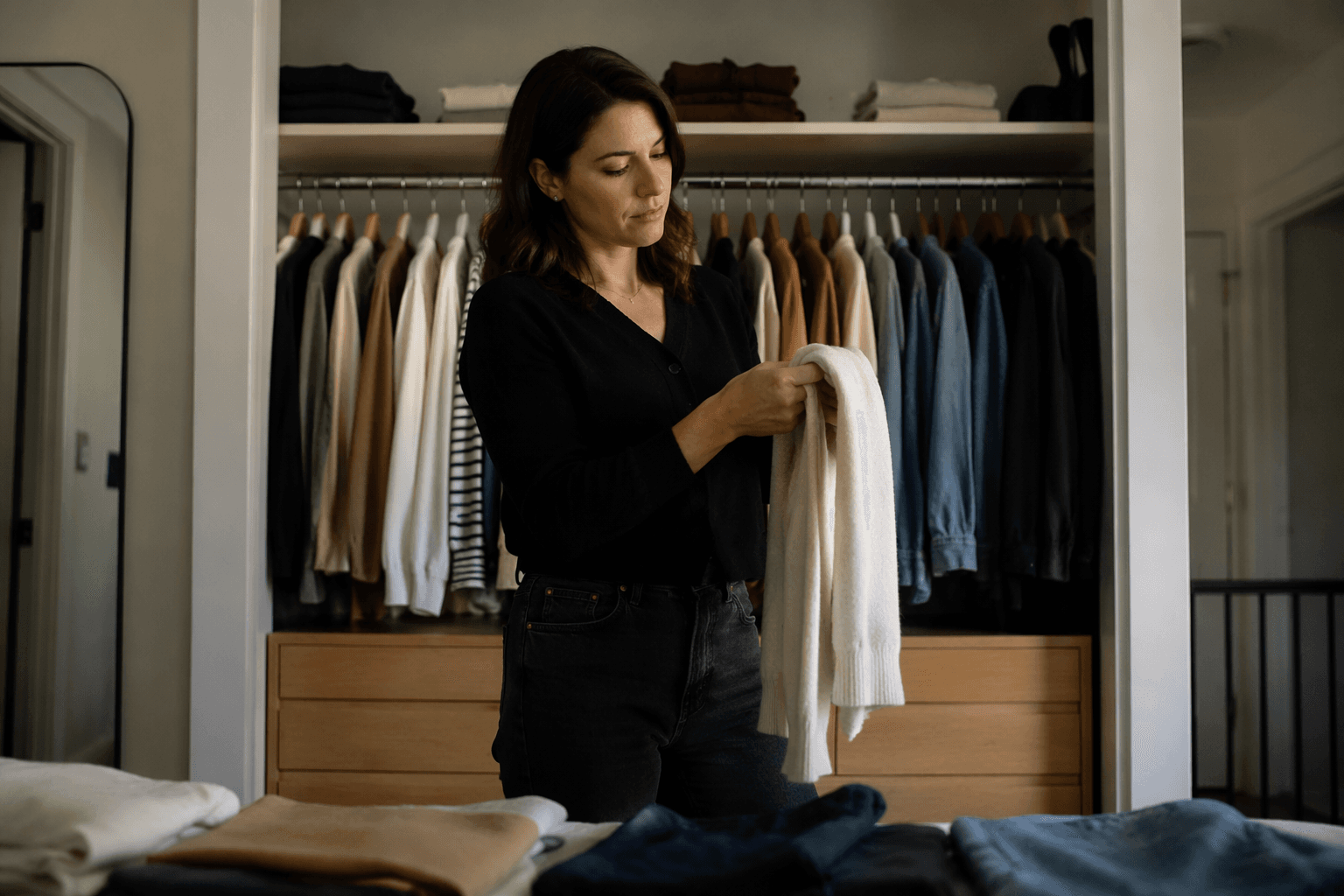
A 30-piece closet is the cleaner, more personal version. Divide it by function, not fantasy: 10 tops, 5 bottoms, 4 layers, 4 shoes, 3 dresses or one-piece outfits, and 4 accessories. That split gives you room for work, weekend, and occasional dressing without turning your wardrobe into a puzzle of single-use items.
The tops should do the heaviest lifting. Think one crisp shirt, one softer blouse, a few tees or tanks, and knitwear that layers without bulk. The bottoms need range, which usually means at least one tailored trouser, one jean, and one skirt or short that works in your climate. Dresses earn their place when they can move from daytime to evening with a shoe change and a blazer or cardigan over the top.
Layers are where a capsule starts to look expensive. A blazer sharpens denim, a cardigan softens a trouser, and a trench or lightweight jacket handles weather without swallowing the outfit. Shoes should cover the ground your life actually covers: a clean sneaker, a flat, a loafer or boot, and one dressier pair that can survive dinner, a wedding, or a formal work event.
Edit like a stylist, not a hoarder
The keep-or-cut test should be brutally practical. Keep a piece if it works in at least three outfits, flatters the silhouette you wear most often, and suits the season you are dressing for. Cut the item if it is beautiful but fragile, special but isolated, or reliant on one perfect occasion that never arrives.
This is where personal style matters more than uniformity. A capsule built for a city office, a warm climate, or a life full of client dinners will look different from one built around remote work and weekends in sneakers.
Build for your real week, not an ideal one
The most successful capsules are specific about lifestyle. If your weekday uniform leans polished, keep a silk blouse or fine-gauge knit that can sit under a blazer without bunching at the arms. If weekends mean errands, gallery visits, and long lunches, give yourself denim with a good rise, a comfortable shoe, and one outer layer that pulls the whole look together.
Occasion dressing belongs in the capsule too, because a wardrobe that fails at weddings, work events, and holiday dinners is incomplete. A bias-cut slip dress, a column skirt, or a tailored jumpsuit can cover that ground if the fabric hangs properly and the proportions work with both a flat and a heel.
This article was produced by Prism’s automated news system from verified source data, official records, and press releases, then run through automated quality and moderation checks before publishing. The system is built and supervised by the people who set the standards it runs under. Read our full AI policy.
Did this article answer your question?