How to build a capsule wardrobe around classic casual staples
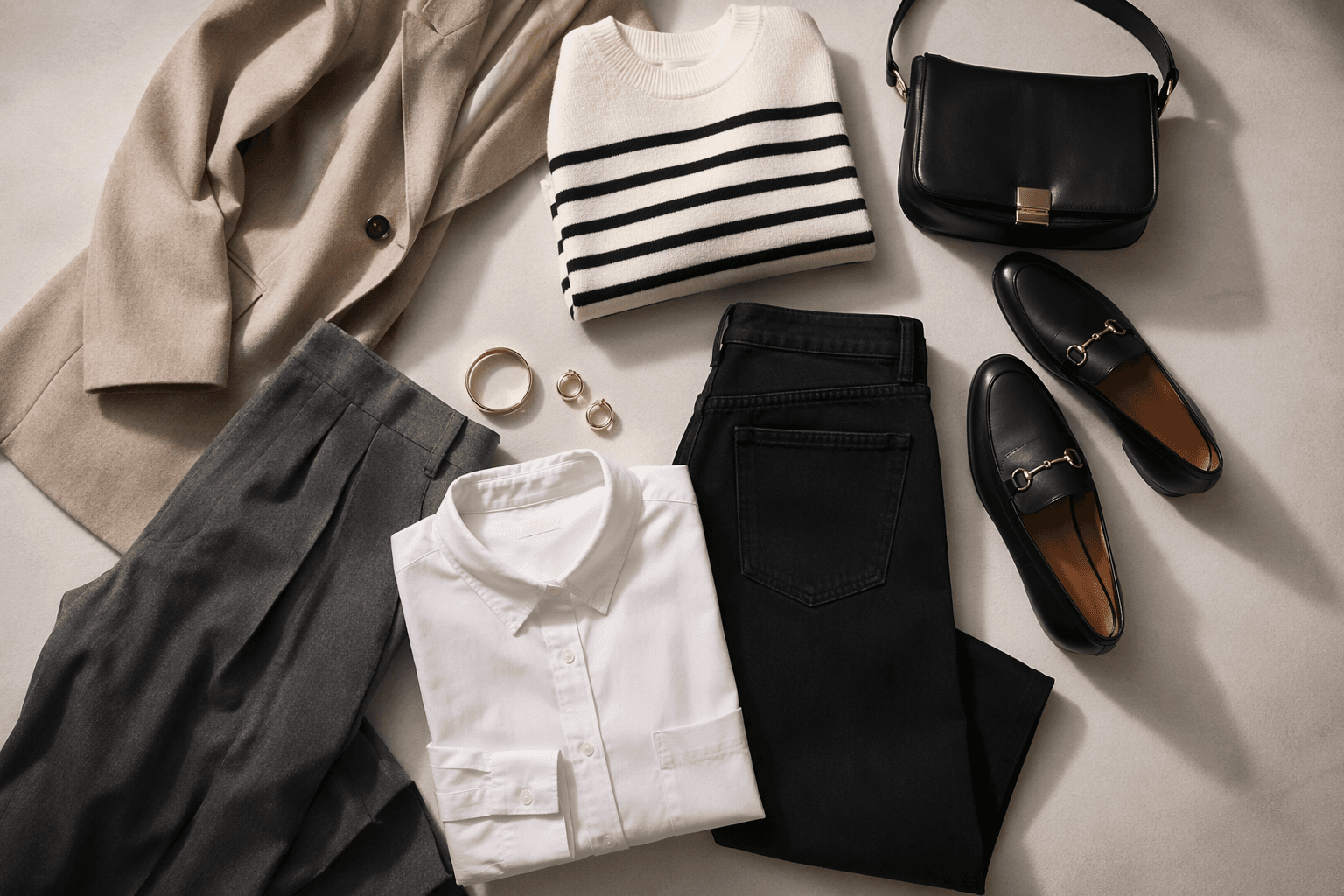
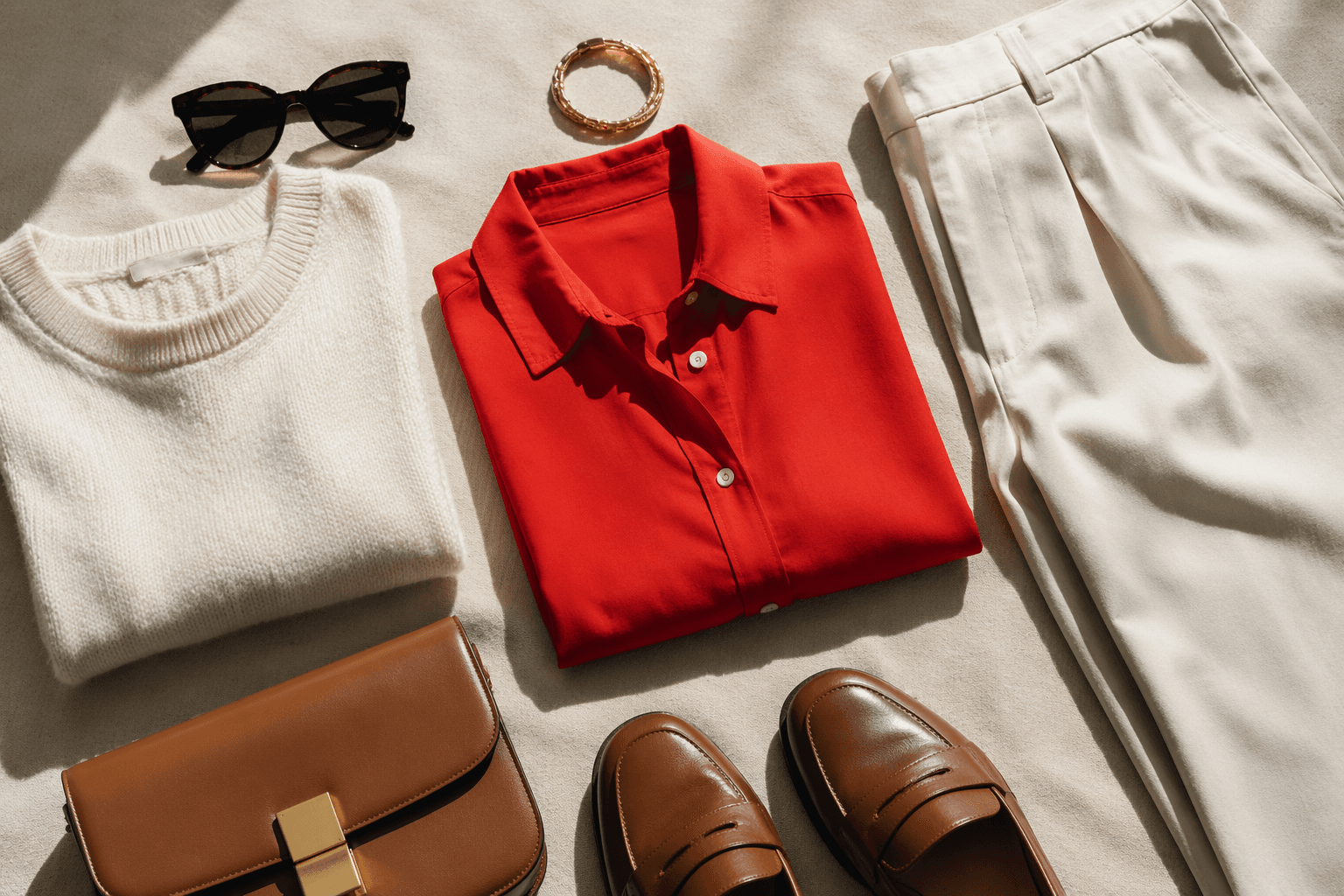
Build the wardrobe backbone first: dense white tees, relaxed trousers, airy shirting, denim, linen, and clean sandals that work hard and wear better with age.
Start with the pieces that do the heavy lifting
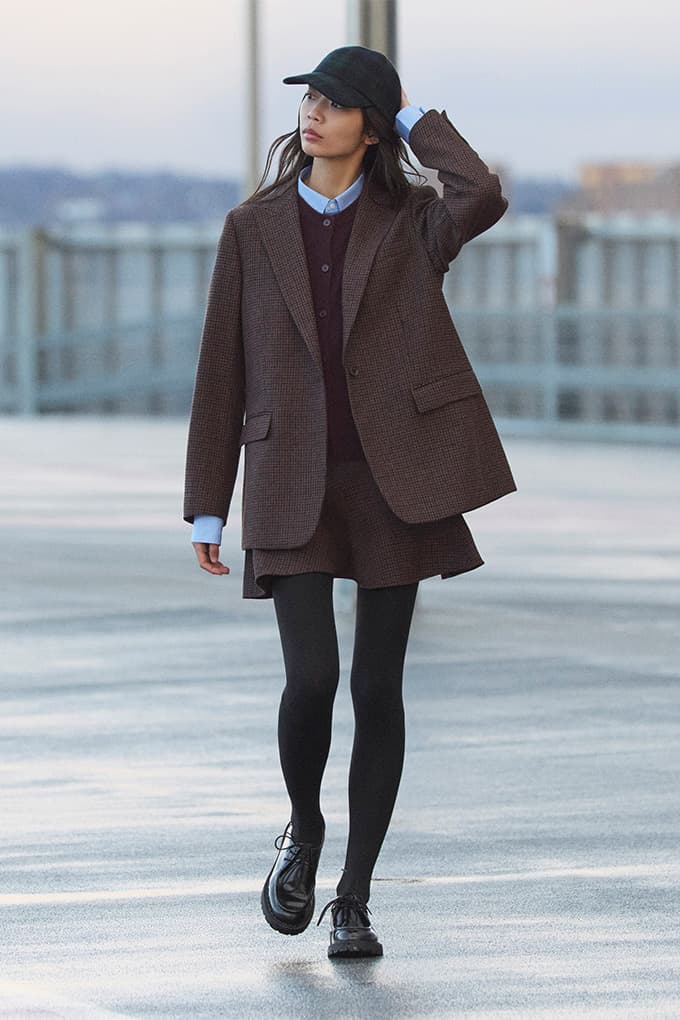
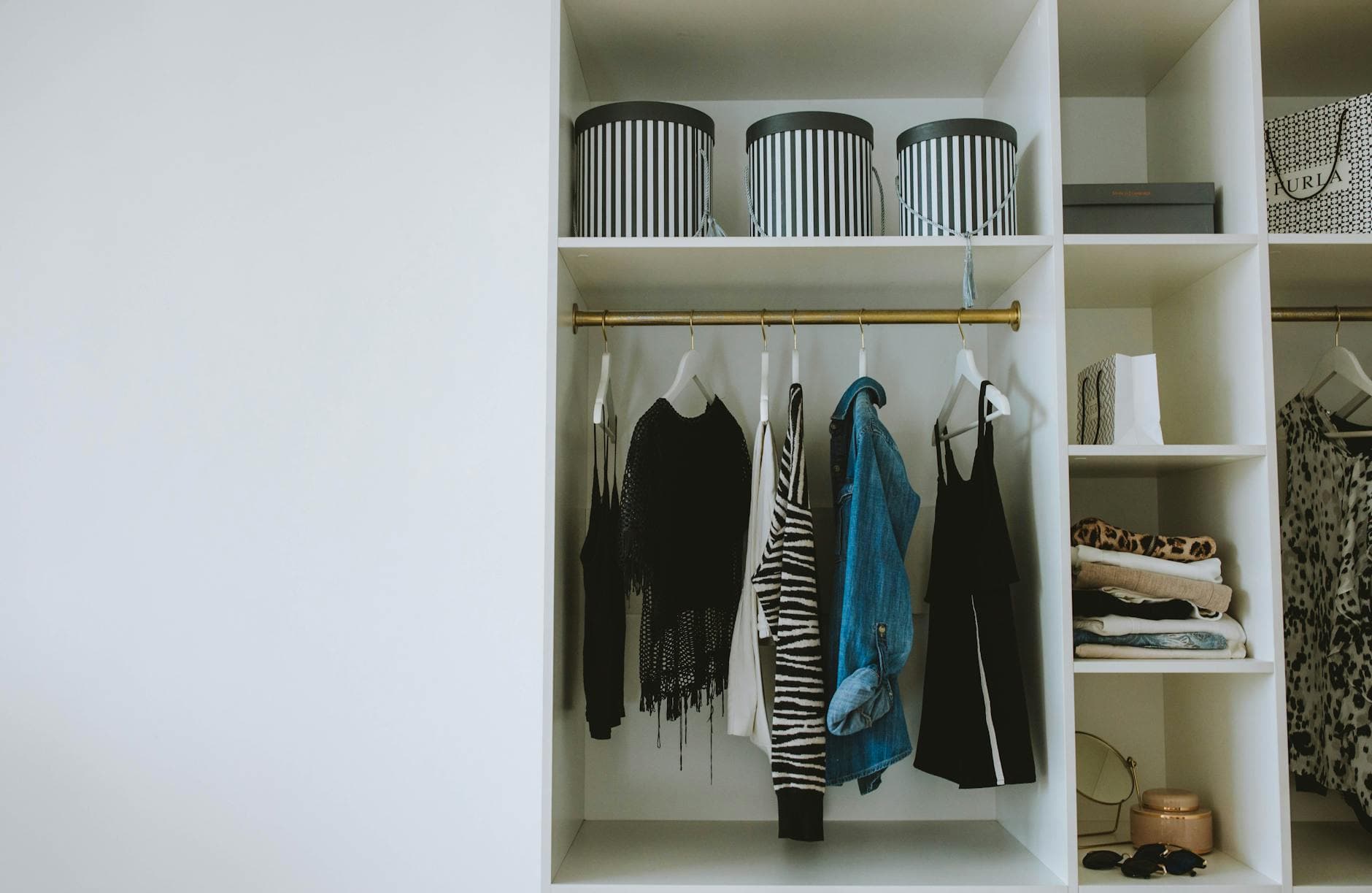
A capsule wardrobe only works when the clothes do more than sit there looking polite. The real trick is building around casual staples with enough shape, weight, and polish to survive repeat wear: a white tee that holds its line, trousers that skim instead of squeeze, shirting that breathes, denim that gets better with scuff, and sandals so clean they make everything else look intentional. That is the whole game. Fit, fabric, and proportion do the expensive-looking work, not a logo or a trend cycle that expires before the season does.
This is why the most useful capsule thinking keeps coming back. Susie Faux revived the idea in the 1970s through her London boutique, and Donna Karan gave it a bigger cultural footprint in 1985 with Seven Easy Pieces. The appeal has not changed much since then: fewer choices, better combinations, less morning chaos. What has changed is the level of scrutiny from shoppers who want clothes that fit real life, not just a mood board.
Why the capsule formula still wins now
The fashion conversation heading into 2026 keeps circling the same truth: people want clothing that lives well. The Business of Fashion points to consumer behavior shifts that will challenge the industry, while Marie Claire’s trend coverage keeps emphasizing pieces that actually fit into daily wardrobes rather than disappearing into fantasy dressing. That lines up with the larger appetite for comfort, flexibility, and fewer regrets at checkout.
There is also a very practical upside. Forbes frames the capsule wardrobe as a way to reduce decision fatigue, save time, and save money, and that tracks with how people really dress. A smaller lineup of better basics means more combinations from fewer pieces, which is exactly why classic casual staples keep outperforming louder, more specific trend buys. When your closet is built correctly, getting dressed stops feeling like a negotiation.
The foundation: white tees, relaxed trousers, and jeans that know their job
If you want the most mileage, start with the pieces that can swing across the widest range of outfits. A white tee should not look flimsy or oversized just for the sake of being easy. The best ones have a little body to the cotton, a neckline that sits cleanly, and a cut that can be tucked, half-tucked, or worn loose without collapsing.
Relaxed trousers are the other pillar. The point is ease, not sloppiness. You want a leg that falls with air around it, a rise that feels natural, and fabric that holds a crease or drape without turning rigid. Denim should do the same job, only with a little more attitude. A straight or relaxed jean in a solid mid- or dark-wash can anchor everything from a tee to a linen shirt, and it is usually the fastest way to make a basic outfit feel finished.
The fabric story matters more than the label story
Spring 2026 fabric direction makes the case for this wardrobe almost embarrassingly easy. WWD’s textile coverage points to ultralight materials, breathable construction, and a heavy use of linen and cotton blends, all in muted, earthy tones. That means the season is already favoring the exact textures that make casual staples feel expensive: dry handfeel, easy movement, and a surface that looks considered even when the silhouette is simple.
Linen shirting is the clearest example. It gives you that slightly rumpled, lived-in polish that looks better the more it moves through the day. The best versions do not cling, shine, or read too precious. They skim the body, catch the air, and pair with everything from trousers to denim to sandals without demanding styling gymnastics. That is the point of a capsule piece: it works in the real rotation, not just in a styled rack shot.
Build around the pieces that fit life, not just a fantasy closet
A strong capsule has a backbone and a few support acts. The backbone here is easy: white tees, relaxed trousers, denim, linen shirting, and understated sandals. Everything else should earn its place by doing a specific job. A crisp overshirt can bridge warm mornings and cool nights. A slightly boxy cotton button-up can replace a blazer when the dress code is vague. But the filler is where closets get bloated fast, so be ruthless.
Keep the yes-list tight:
- White tees in a fabric that feels substantial, not paper-thin
- Relaxed trousers with a clean fall and enough structure to look intentional
- Denim in a dependable wash that goes with black, brown, cream, and navy
- Linen shirts that breathe and soften with wear
- Understated sandals that do not fight the rest of the outfit
Everything on that list should mix across multiple looks. If a piece only works once or needs a whole styling diagram to survive, it is not a staple. It is decoration.
The color palette should stay quiet and do the heavy lifting
Muted, earthy colors are not boring when the shapes are right. In fact, they are the reason a capsule reads expensive instead of overworked. Soft white, stone, sand, faded indigo, olive, tobacco, and washed black all let texture do the talking, and texture is where casual clothes earn their credibility. Linen looks richer when it is paired with cotton that has depth. Denim looks sharper next to a clean tee with a dense knit. Sandals look more deliberate when the rest of the look is not shouting for attention.
This is also where proportions matter. A slightly cropped shirt can open up a fuller trouser leg. A tee that sits just off the body keeps relaxed pants from feeling oversized. Flat sandals need clothes with enough drape and shape to keep the whole silhouette from going limp. The wardrobe looks expensive when nothing is fighting for air.
A capsule is not minimalism for its own sake
The best capsule wardrobes are not ascetic. They are efficient. Susie Faux’s original idea and Donna Karan’s Seven Easy Pieces both understood that people need options, just not too many bad ones. That is still the smartest way to shop now: keep the pieces that solve the most outfits, and skip the ones that only look good in theory.
If you build around the right casual staples, you get a closet that feels calmer and looks sharper. The tees are easy, the trousers do the balancing, the denim keeps things grounded, the linen brings in movement, and the sandals finish the job without trying too hard. That is the formula that survives trend churn, because it was never built to chase it in the first place.
This article was produced by Prism’s automated news system from verified source data, official records, and press releases, then run through automated quality and moderation checks before publishing. The system is built and supervised by the people who set the standards it runs under. Read our full AI policy.
Did this article answer your question?