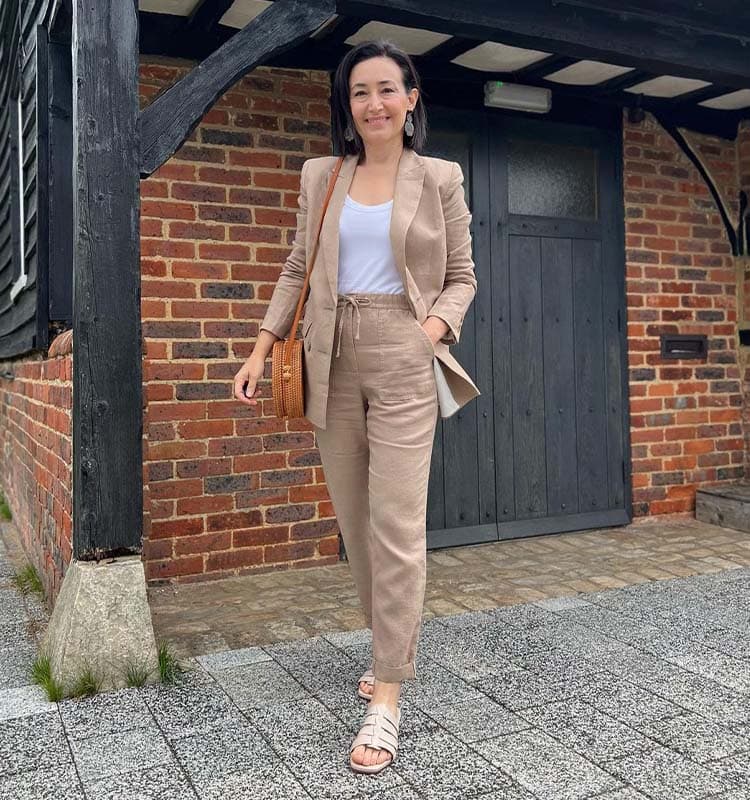
How to build a polished capsule wardrobe for long-haul travel
Five travel formulas turn a carry-on capsule into polished armor for six-hour cabins, security lines, and road trips that end with a real arrival.
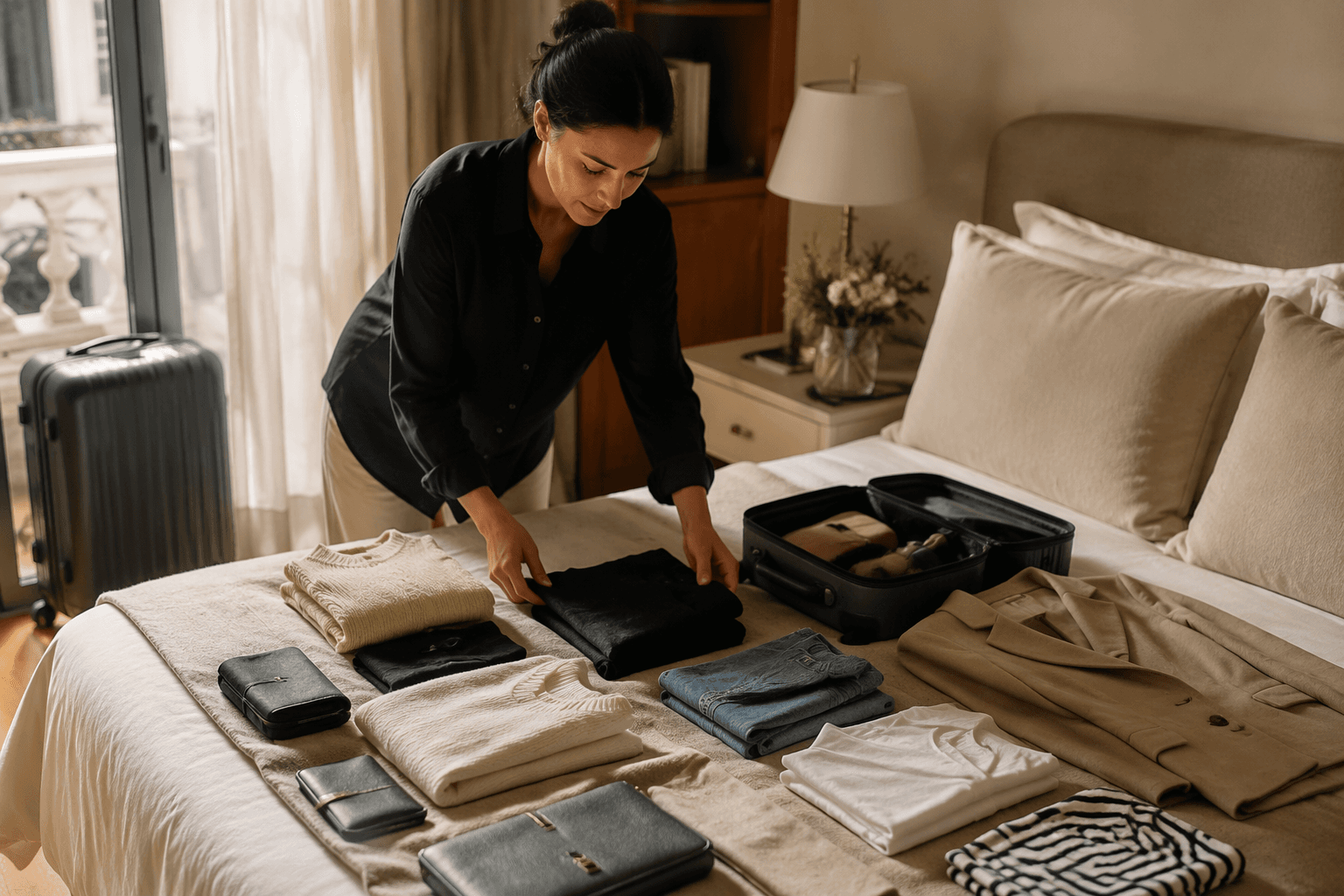
The smartest travel capsule is not a purge or a shopping binge. It is a small, deliberate system built from pieces that earn their place twice, once in transit and again at your destination. Long-haul flights can mean spending six or more hours in a cramped cabin, sometimes overnight and sometimes across multiple time zones in a single day, so the clothes need to do more than simply look tidy at the gate.
The travel capsule starts with the route, not the mood
The best airport dressing has moved well past the old sweatpants-and-hoodie reflex. Condé Nast Traveler keeps returning to the same tension in its travel-style coverage: you need comfort, destination weather, and airport security to work together, while still looking like you have not surrendered to the journey. That is why the magazine has pieces like “What to Wear on a Plane, According to Our Editors” and a shopping edit on “11 Most Comfortable Travel Sets for Long Flights, Road Trips, and Lazy Vacation Days.”
Women’s Health reaches the same conclusion from another angle. In “Best Travel Clothes for Women, Tested by a Style Writer,” Shannen Zitz says she spent over 70 hours on flights last year, and the pieces she tested “earn their keep.” Christian Gollayan reviewed the piece, which matters because the clothes are being treated as functional tools, not costume changes. Vogue, meanwhile, has folded road-trip packing, travel-capsule wardrobe, and outfit-formula stories into the same conversation, which is exactly where long-haul dressing belongs.
Five outfit equations that solve real transit problems
1. The temperature-swing uniform
Start with relaxed trousers, a knit tee, and one light layer you can peel off or pull back on without fuss. This is the simplest answer to the cabin-cold-versus-terminal-heat problem that travel editors keep flagging, especially when the journey begins in security and ends in an air-conditioned gate area. A soft trouser with a clean drape looks intentional, while a knit tee holds its shape better than a slouchy jersey top and keeps the outfit from tipping into sleepwear.
This formula also works because it photographs well without trying too hard. The silhouette reads polished from a distance, but the hand-feel stays easy, which is exactly what you want when you have hours before landing.
2. The six-hour-seat uniform
When you know you will be parked for half a day or more, build around pieces that flex rather than cling. A coordinated travel set, one of the categories Condé Nast Traveler spotlights for long flights, road trips, and lazy vacation days, makes that math easier because the top and bottom are already speaking the same language. The effect is calm, not corporate, and the set can be broken apart later so it keeps working across the rest of the trip.
This is where capsule logic pays off most clearly. One set becomes two outfits, and the fabric needs to carry the weight, holding its shape after sitting, standing, and reboarding. You want the ease of loungewear without the visual slump of loungewear.
3. The security-line uniform
Security asks for clothes that move quickly, stack neatly, and do not require a costume change at the checkpoint. That is why the polished-but-practical look keeps winning over the default hoodie formula. Try trousers with a straight or relaxed leg, a smooth top underneath, and a jacket or overshirt that comes off and on cleanly when bins and scanners demand it.
The point here is not minimalism for its own sake. It is removing friction from the exact moments that make travel feel awkward, while still looking composed enough to walk straight from the conveyor belt into a café or car service. If a piece needs constant adjusting, it does not belong in the travel capsule.
4. The arrival-ready uniform
Condé Nast Traveler has a useful line in its travel-style coverage: the outfit should carry you from check-in to baggage claim without making it look like you have given up on style. That is the standard to aim for, because the arrival moment is where a travel wardrobe either pays off or collapses into compromise. The trick is to keep the bones simple, then sharpen them with one structured element, such as a tailored trouser, a cleaner neckline, or a more deliberate outer layer.
This is where a capsule wardrobe earns its name. The same knit tee and relaxed trouser from the flight can still look right at dinner if the proportions are good and the fabric does not wrinkle into submission. Travel should not force you into a second outfit panic the minute the wheels hit the runway.
5. The road-trip uniform
Road trips need the same polish, but with even less tolerance for stiffness. Vogue’s separate road-trip packing coverage says enough about the category: a car day is its own style problem, with long stretches of sitting, temperature changes between stops, and the need to look pulled together when you finally get out of the vehicle. The answer is a soft, streamlined formula, often the same relaxed trousers, knit tee, and comfortable pieces that travel editors keep recommending for flights.
This is where lazy-vacation-day dressing and serious travel dressing meet. A road-trip outfit should not feel improvised from the back seat; it should feel like it was built to survive the drive and still look credible at the gas station, the hotel lobby, or the first lunch stop.
How to edit the capsule without overpacking
- Keep one reliable trouser shape, preferably relaxed enough for sitting but clean enough to read polished.
- Keep one knit tee or close-fitting top that can sit under layers without wrinkling into a mess.
- Add one coordinated set for the days when you want the easiest possible outfit with the fewest decisions.
- Add one light layer, because the same trip can swing from overheated security to freezing cabin air conditioning.
- Leave room for pieces that pass the Women’s Health test of “earn their keep,” the kind of clothes that still make sense after multiple flights and a road segment in the same week.
The larger shift in travel dressing is simple: polish is no longer the opposite of comfort. The best capsule pieces now do both jobs at once, and the strongest travel wardrobes are the ones built from repeatable equations rather than one-off outfits. That is what makes them feel modern, and why they keep showing up in Condé Nast Traveler, Women’s Health, and Vogue as the default answer for people who want to arrive looking composed, not reconstructed.
This article was produced by Prism’s automated news system from verified source data, official records, and press releases, then run through automated quality and moderation checks before publishing. The system is built and supervised by the people who set the standards it runs under. Read our full AI policy.
Did this article answer your question?