How to keep a capsule wardrobe looking current year-round
Keep a capsule wardrobe current by refreshing the weak links, not rebuilding the closet. One modern shoe, sharper fit, and new accessories do most of the work.

The quickest way to make a capsule wardrobe feel current is to stop treating it like a static uniform. Forbes frames the capsule as a small collection of versatile pieces that reduces decision fatigue, saves time, and protects your wallet from buying something you will not wear a year later. That is the whole advantage: keep the system intact, then make surgical updates.
Start with the audit, not the checkout page
Before you buy anything new, look at what has lost its line. The pieces that have stretched, faded, gone soft, or stopped sitting cleanly are the ones that age a capsule fastest, because they are the clothes you reach for most. Refresh those basics first, and the whole wardrobe starts breathing again without forcing you to replace the pieces that still work.
A useful audit is brutally simple:
- Keep what still holds shape, color, and polish.
- Replace what looks tired before you replace what looks boring.
- Add only one or two current elements once the foundation is steady.
That order matters because a capsule wardrobe is built to mix and match, not to be rebuilt every season. If the base is strong, one sharper shoe or a fresher accessory can do more visual work than a whole new pile of clothes.
The capsule idea was built for restraint
The concept predates the social-media churn around microtrends. Susie Faux is widely credited with popularizing the capsule wardrobe in 1970s London, where the idea was a streamlined wardrobe of essential, interchangeable items. That origin still explains why the best capsule wardrobes feel deliberate rather than sparse: every piece earns its place by working with the others.
That history also gives the capsule a different rhythm from trend dressing. Instead of chasing novelty in every category, you keep the backbone classic and let a few details carry the mood of the moment. The result is less about owning more clothes and more about choosing the right ones to keep in circulation.
Let one or two modern pieces reset the whole look
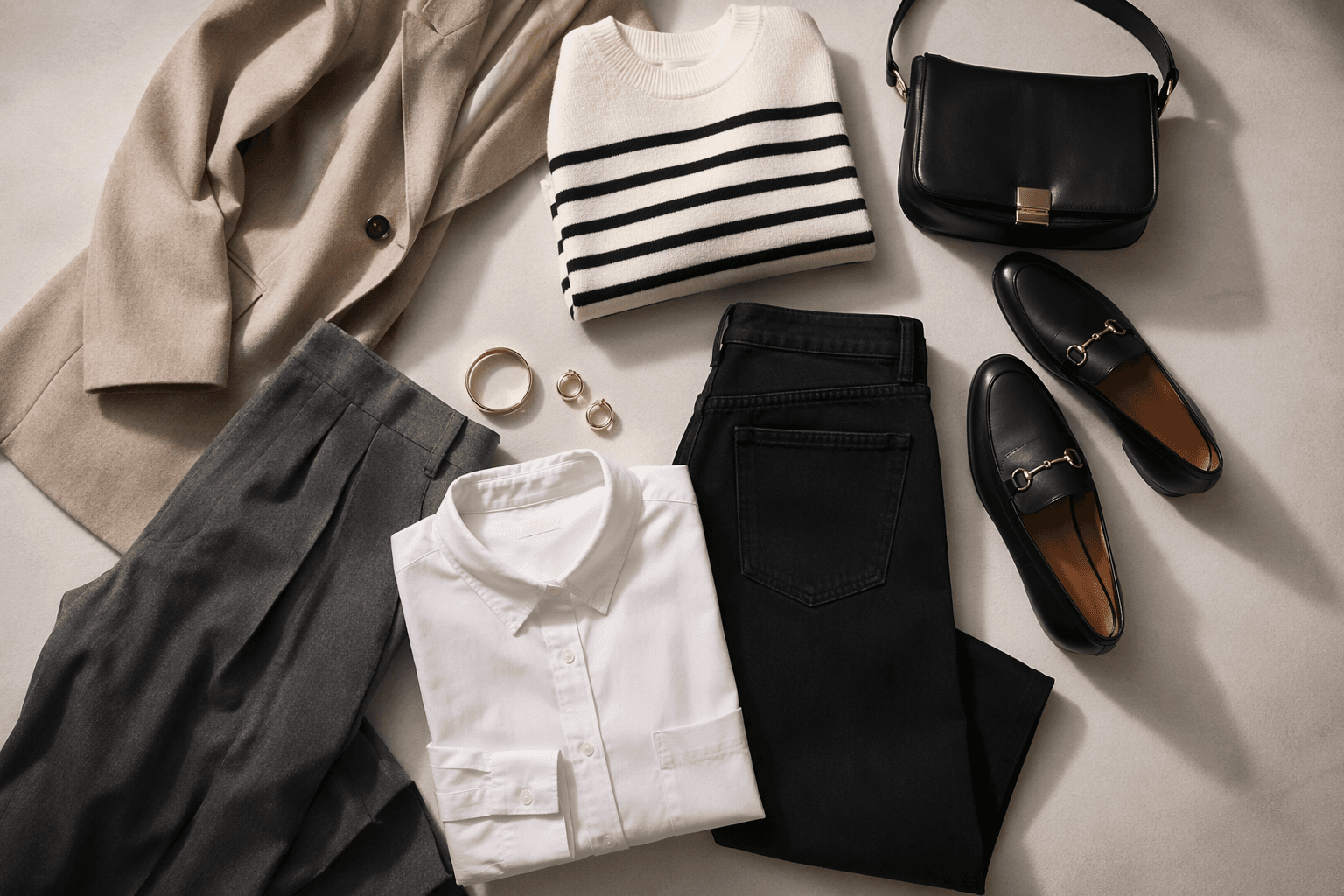
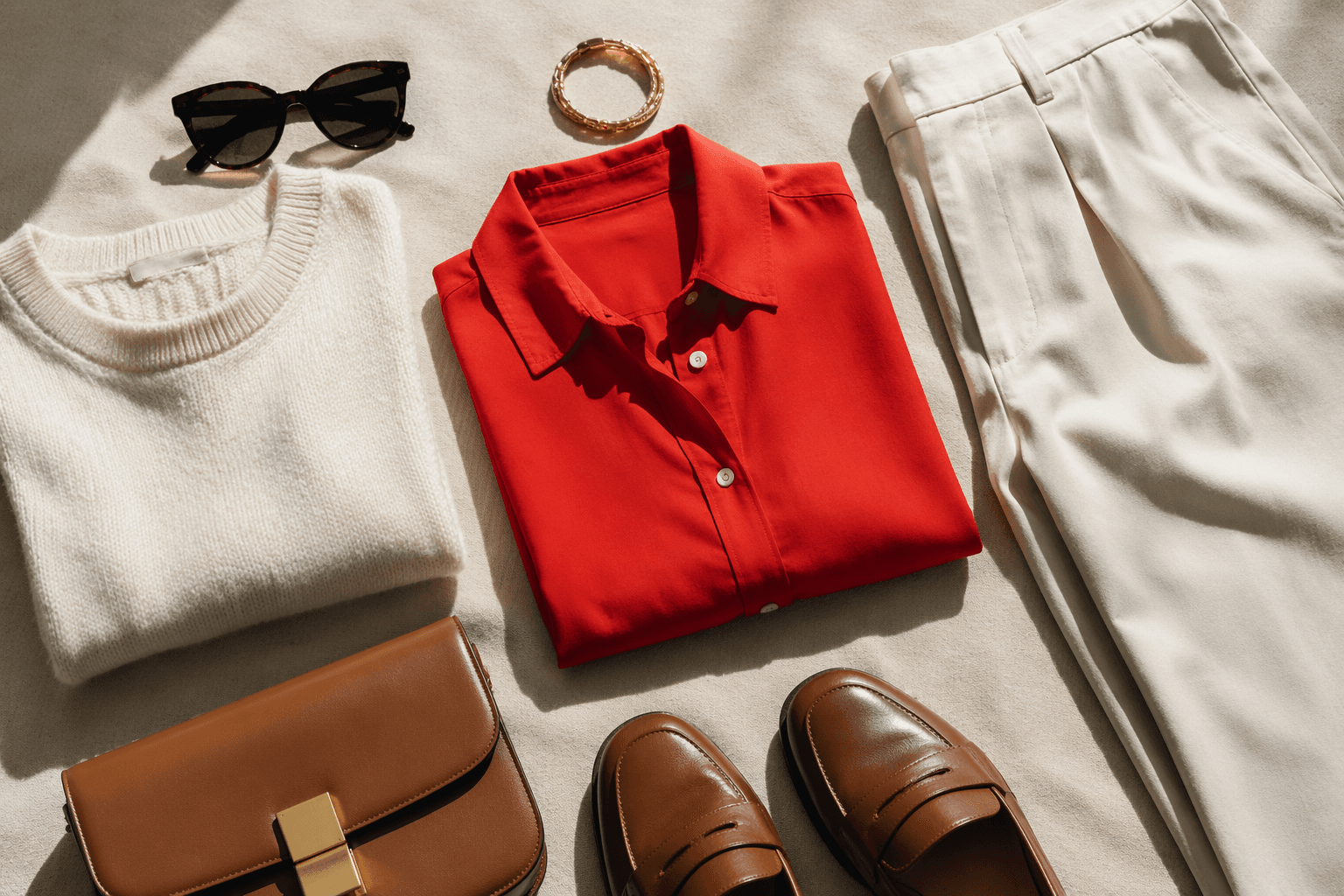
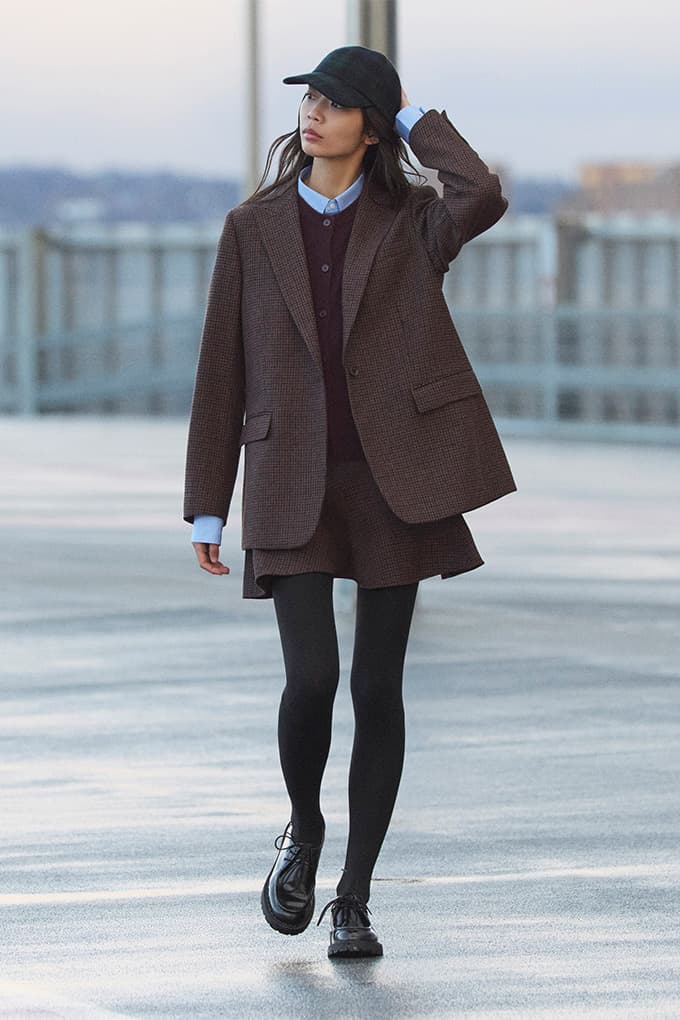
The easiest update is not a full reset but a small interruption. A modern shoe, a cleaner cut, or a fresh accessory can pull a classic capsule into the present while the rest of the wardrobe stays quietly in place. Fit does as much work as color or trend: when the proportions are right, even a familiar piece looks sharper.
This is where a capsule wardrobe becomes practical rather than precious. If your tailoring is clean and your shoes are current, you can wear the same core trousers, knits, and outerwear without looking like you are repeating yourself. The trick is to let one element speak louder than the rest, instead of trying to update everything at once.
The simplest way to keep the look alive
The most effective capsule wardrobes usually follow the same logic:
- Refresh the worn-out basics first.
- Keep the classics as the anchor.
- Use one or two modern pieces to shift the mood.
- Let footwear and accessories do the visual heavy lifting.
That approach is why the capsule still works for people who shop intentionally. It gives you room to wear the same core pieces across a week, a season, and a year, while making the outfit feel different through a change in shoe shape, bag, belt, or other finishing detail. You are not rebuilding the wardrobe; you are adjusting the tempo.
Why the capsule still makes sense
Forbes’ case for capsule dressing is not just aesthetic. It is about reducing decision fatigue, freeing up time, and steering you away from overly trendy purchases that will feel stale in a year. The logic is persuasive because it speaks to how most people actually dress: with repetition, not constant reinvention.
That idea lines up with a bigger shift in how clothes are consumed. A 2019 UNEP and UN Alliance for Sustainable Fashion release said consumers were buying 60% more clothing than 15 years earlier, while each item was kept for half as long. In that context, a tighter wardrobe is not a deprivation tactic; it is a way to slow the churn.
The bigger fashion cost sits outside the closet
The environmental case is just as blunt. UNEP says the textile industry produces 2% to 8% of global greenhouse-gas emissions and uses 86 million Olympic-sized swimming pools of water each year. In 2025, António Guterres warned that the equivalent of one garbage truck full of clothing is incinerated or landfilled every second.
The Ellen MacArthur Foundation’s answer is straightforward: today’s fashion system is linear, and it should be circular. Clothes should stay in use longer, not move quickly from purchase to disposal. A capsule wardrobe, when it is maintained well, fits that logic exactly because it favors longevity, repetition, and careful renewal over constant replacement.
Keep the wardrobe edited, not exhausted
A capsule wardrobe looks current year-round when you treat it like a living system. Keep the foundation stable, fix the pieces that have gone tired, and let a modern shoe, a sharper fit, or a fresh accessory carry the update. That is how a small wardrobe stays agile, polished, and still recognizably yours.
This article was produced by Prism’s automated news system from verified source data, official records, and press releases, then run through automated quality and moderation checks before publishing. The system is built and supervised by the people who set the standards it runs under. Read our full AI policy.
Did this article answer your question?