Stylish UPF Clothing Makes Sun Protection Part of Warm-Weather Dressing
Sun protection is becoming a style choice, not a compromise. The smartest warm-weather pieces now do double duty, from beach cover-ups to commute-ready layers.

The new summer uniform is built for shade
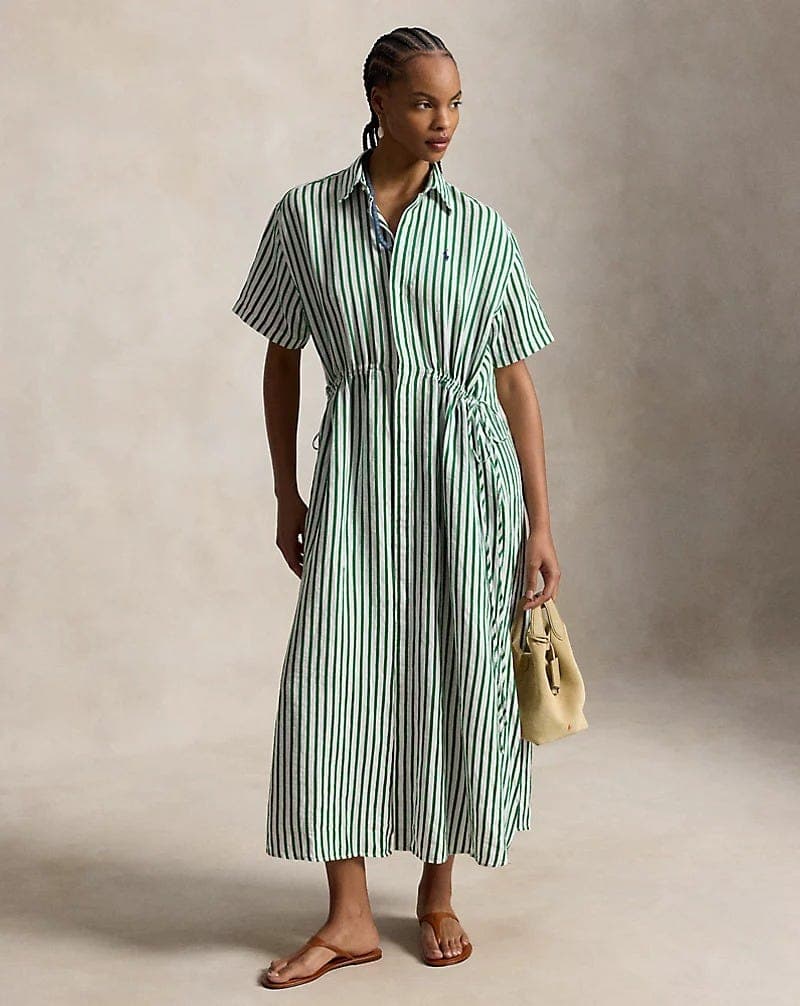
The sharpest UPF pieces do not look like gear, and that is exactly the point. The best ones fold sun protection into the language of a real wardrobe, with lightweight shirts, polished jackets, easy pants, chic hats, and swim pieces that can move from beach to errands without breaking the mood. That shift matters because the goal is no longer to dress around the sun, but to dress well while staying covered.
What makes this story feel so current is the public-health reality underneath the style. Skin cancer is the most common cancer in the United States, and the scale is hard to ignore: one in five Americans will develop skin cancer by age 70, and about 9,500 people in the U.S. are diagnosed every day. Sunscreen still matters, but clothing has become the quieter, more dependable layer in the equation.
Why UPF belongs in a capsule wardrobe
UPF, or Ultraviolet Protection Factor, measures how much UVA and UVB radiation can pass through fabric and reach skin. That makes it different from SPF, which refers to sunscreen, and it is the reason a good UPF shirt or jacket can earn permanent space in a summer closet. The Skin Cancer Foundation says clothing is one of the most effective forms of sun protection because it absorbs or blocks UV radiation and does not need reapplication.
The numbers are useful when you are trying to edit rather than overbuy. UPF 30 to 49 offers very good protection, while UPF 50+ is considered excellent. A UPF 50 fabric blocks about 98 percent of the sun’s rays, which is the kind of practical reassurance that turns an item from nice-to-have into daily armor.
How to read the labels without getting fooled
Not every garment marketed as sun-protective performs the same once it is worn, washed, stretched, or wet. That is why the testing standard matters as much as the fabric itself. ASTM publishes textile standards used for fabric testing, and UV Standard 801 is designed to test garments under more realistic conditions, including wetness and stretch, rather than only pristine dry fabric.
That detail is especially important for summer dressing, when clothes spend time in salt water, pool water, sweat, and direct heat. Consumer dermatology guidance also points to tightly woven, darker fabrics as stronger barriers, while looser fits can help preserve protection because stretched fabric can let in more UV. In other words, a relaxed shirt that skims the body can sometimes be a smarter buy than a clingy one that looks sporty but works harder than it should.
The pieces that deserve the most wardrobe space
The American Academy of Dermatology recommends lightweight long-sleeved shirts, pants, wide-brimmed hats, and sunglasses with UV protection, and those are exactly the categories that make UPF dressing feel wearable rather than clinical. The smartest version of the trend does not chase performance styling. It borrows from the best summer staples and simply makes them safer.

Editors’ favorites in this space lean toward pieces that can be worn repeatedly without looking repetitive. A sun-smart shirt can replace a standard overshirt, a UPF jacket can stand in for the throw-on layer you reach for on cool mornings, and a wide-brimmed hat can do the visual work of an accessory while covering more skin than a baseball cap ever will. Swimwear and rashguards bring the same logic to the shoreline, where one piece can protect, cover, and still look considered.
What a smarter warm-weather capsule looks like
- A lightweight long-sleeved shirt that can be worn open over a tank, buttoned with trousers, or thrown over a swimsuit
- A pair of breathable pants that read polished enough for a commute but stay practical in heat
- A UPF jacket for air-conditioned offices, breezy evenings, and long travel days
- A wide-brimmed hat that feels styled, not touristy
- UV-protective sunglasses that finish the outfit and protect the face’s most exposed area
- A swimsuit or rashguard that can double as part of the day’s outfit rather than something hidden until the water appears
The beauty of this formula is that each piece solves more than one problem. A long-sleeved shirt protects shoulders and arms while still looking intentional in the city. A light jacket adds coverage in transit and becomes the easiest layer to keep on hand when the sun is strongest. The result is less scrambling, fewer throwaway purchases, and a closet that works harder in the exact months when dressing usually gets least efficient.
Why the editor-approved approach feels less technical
The appeal of the recent wave of UPF styling is not that it looks athletic. It is that it looks edited. The pieces highlighted by Refinery29’s editors, including Alexis Bennett Parker, Victoria Montalti, Jacqueline Kilikita, Melissa Kanchanapoomi Levin, and Valencia Thomas, center on items they actually wear through the summer, from lightweight jackets to chic hats and sun-smart accessories. That framing matters because it turns UPF from a niche category into something closer to a modern basics strategy.
This is where the fashion argument gets stronger than the science alone. A garment that blocks UV rays, fits into a beach-to-commute rotation, and still looks good with sandals or sneakers has more staying power than a one-off trend item. It also has a better chance of being worn enough to matter, which is the whole point of a capsule wardrobe in the first place.
The lasting case for sun-protective style
The broader message is simple: the summer wardrobe does not have to choose between looking polished and behaving intelligently. With UPF pieces, the most useful clothes are also the most considerate ones, doing the work of protection without asking you to think like you are dressing for a lab test. In a season built on sunlight, that is a rare kind of luxury, and it is one that fits easily into real life.
This article was produced by Prism’s automated news system from verified source data, official records, and press releases, then run through automated quality and moderation checks before publishing. The system is built and supervised by the people who set the standards it runs under. Read our full AI policy.
Did this article answer your question?