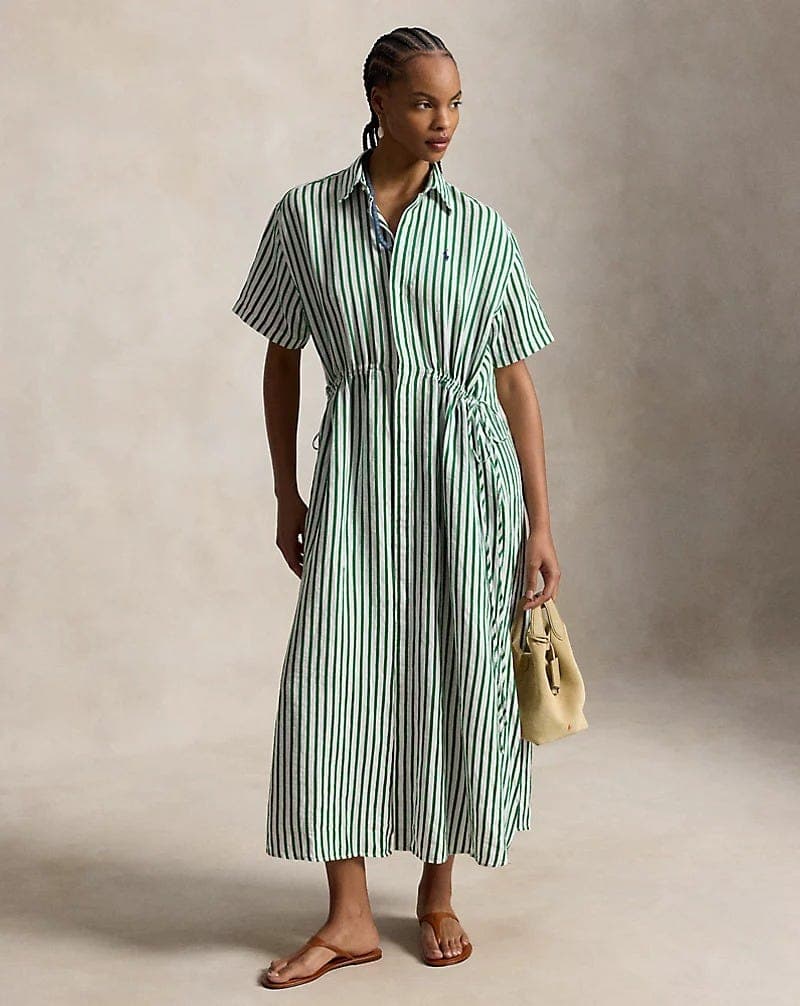
The Airport Capsule Wardrobe, 5 Travel Formulas That Pack Light
Five repeatable airport formulas turn packing into a uniform, so a carry-on does the work of a full wardrobe.
The smartest airport capsule has less to do with looking dressed up than with removing friction. A good travel uniform is built the way a capsule wardrobe always should be: a small set of versatile pieces that mix and match cleanly, pack easily, and keep working once you land. That logic has long echoed through aviation itself, where airline uniforms evolved from function-first dress into designer-led fashion moments, from Oleg Cassini’s TWA work to the decades of collaborations that followed.
Travel style also has a practical backbone. The Transportation Security Administration says to wear easily removable shoes, empty your pockets, avoid clothes, shoes and jewelry with a high metal content, and pack items in neat layers so officers can screen bags more efficiently. TSA PreCheck streamlines that process further by letting eligible travelers keep on shoes, light outerwear and belts, while the U.S. Department of Homeland Security’s July 8, 2025 policy change allowed domestic passengers to keep their shoes on at TSA checkpoints altogether.
The leggings formula
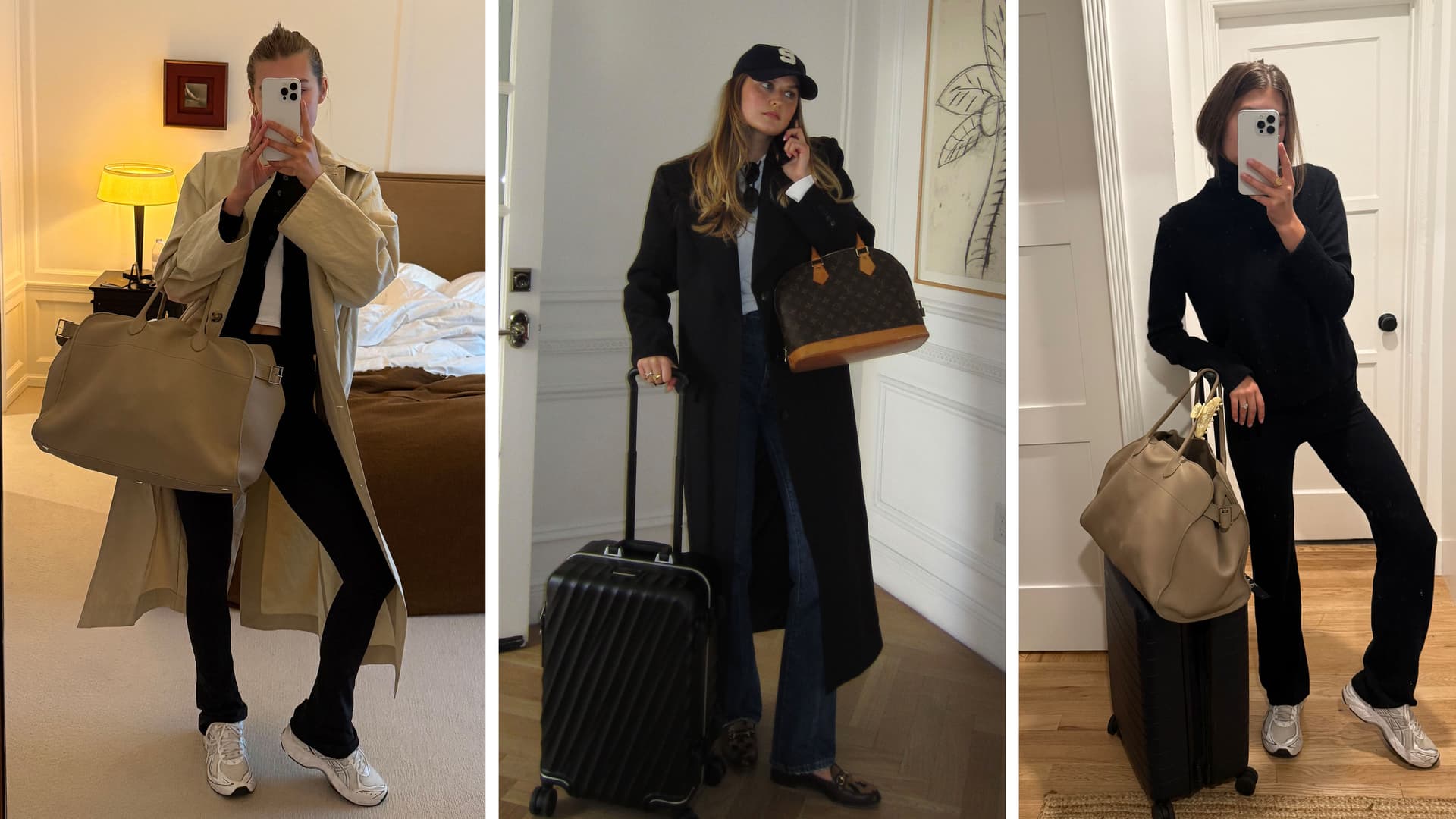
Leggings are the foundation when the day starts before sunrise and ends in a different time zone. They work because they disappear into the background, letting the rest of the outfit do the polishing, and that is exactly why travel editors keep coming back to athleisure for flying: it is comfortable without looking like you have surrendered entirely to the seatback. Pair them with a lightweight trench, a tee in white or black, and a V-neck sweater, the exact combination Sara Walker says she keeps returning to, and the look reads intentional instead of purely functional.
What makes this formula worth repeating is the proportion. Leggings stay close to the body, the sweater adds warmth without bulk, and the trench creates the long line that makes the outfit feel finished in a terminal and not just tolerable on a plane. If you are building one airport uniform from pieces you already own, this is the easiest place to start because every item can live outside travel days too.
The black-pants formula
Black pants are the capsule wardrobe’s quiet luxury move, especially when the goal is to move from boarding gate to dinner without a costume change. They sharpen the same tee-and-sweater formula, but with more structure than leggings and less fuss than denim, which makes them ideal for readers who want to look put together the second they step off the plane. In a carry-on, they also earn their space because they can anchor half a dozen combinations instead of one.
This is the formula that benefits most from TSA’s neat-layer guidance. Pack the tee flat, fold the sweater over it, and let the pants sit on top or beside them so the bag opens like a wardrobe, not a jumble, and security screening stays easier to navigate. If you are wearing a belt, PreCheck lets many travelers keep it on, which is one more small reason black pants feel even more efficient than they look.
The denim formula
Denim is the formula that keeps airport dressing from feeling too precious. Sara Walker’s rotation includes vintage jeans, and that detail matters because jeans carry enough structure to look deliberate while still feeling like something you would wear on a normal day. Add the same white or black tee and the trench, and the result is classic, but not stiff, which is precisely the kind of balance travel clothes should strike.
Denim also handles the post-landing portion of the trip better than most people give it credit for. You can wear it to a museum, a lunch reservation or a hotel lobby check-in without feeling underdone, and that is the real capsule-wardrobe payoff: one pair of jeans that does duty in transit and then keeps working after arrival. In the broader travel-fashion conversation, that kind of polished comfort is why editors keep describing athleisure, denim and other relaxed staples as the most useful middle ground.
The layered tee-sweater-trench formula
If there is one airport outfit equation that deserves repeat status across seasons, it is the simple tee under a V-neck sweater under a trench. That three-part layering system answers the biggest travel variable, which is not style but temperature: airport gates are cold, cabins fluctuate, and arrival weather rarely matches departure weather. The trench pulls the whole look into focus while staying light enough to wear over your arm, across your lap, or on your shoulders once you land.
This is also the most capsule-friendly formula because each piece does double duty on the ground. The tee works under blazers, the sweater works with tailored trousers, and the trench behaves like outerwear, rain protection and styling device in one. That kind of utility is exactly what separates a true travel capsule from a pile of cute clothes that only make sense once a year.
The finishing kit: shoes, bags and a baseball hat
The final formula is less about a single garment than about the pieces that make the whole system travel-ready. TSA still prefers easily removable shoes for smoother screening, even as DHS has now made shoe removal unnecessary for domestic checkpoint travel, and that shift only reinforces the value of choosing pairs you can live in for a long day of standing, walking and waiting. A compact bag that packs neatly, plus a baseball hat for hair that has been flattened by a red-eye, turns the outfit into something that works in real life rather than only in a mirror.
This is where the airport capsule feels most modern: not aspirational, but repeatable. The right shoe, the right bag and a hat you actually wear on the ground make the entire uniform more versatile, and the result is a travel wardrobe that can handle security lines, long flights and the first hour after landing without demanding a second thought. In an era when even Chrissy Teigen has said flying still deserves a little intention, that small discipline is what makes airport style feel relevant again.
This article was produced by Prism’s automated news system from verified source data, official records, and press releases, then run through automated quality and moderation checks before publishing. The system is built and supervised by the people who set the standards it runs under. Read our full AI policy.
Did this article answer your question?