Affordable Sustainable Brands for 2026, Ranked for Effortless Style
Sustainable fashion finally has an affordable answer — these ranked brands prove ethical dressing doesn't require a luxury budget.
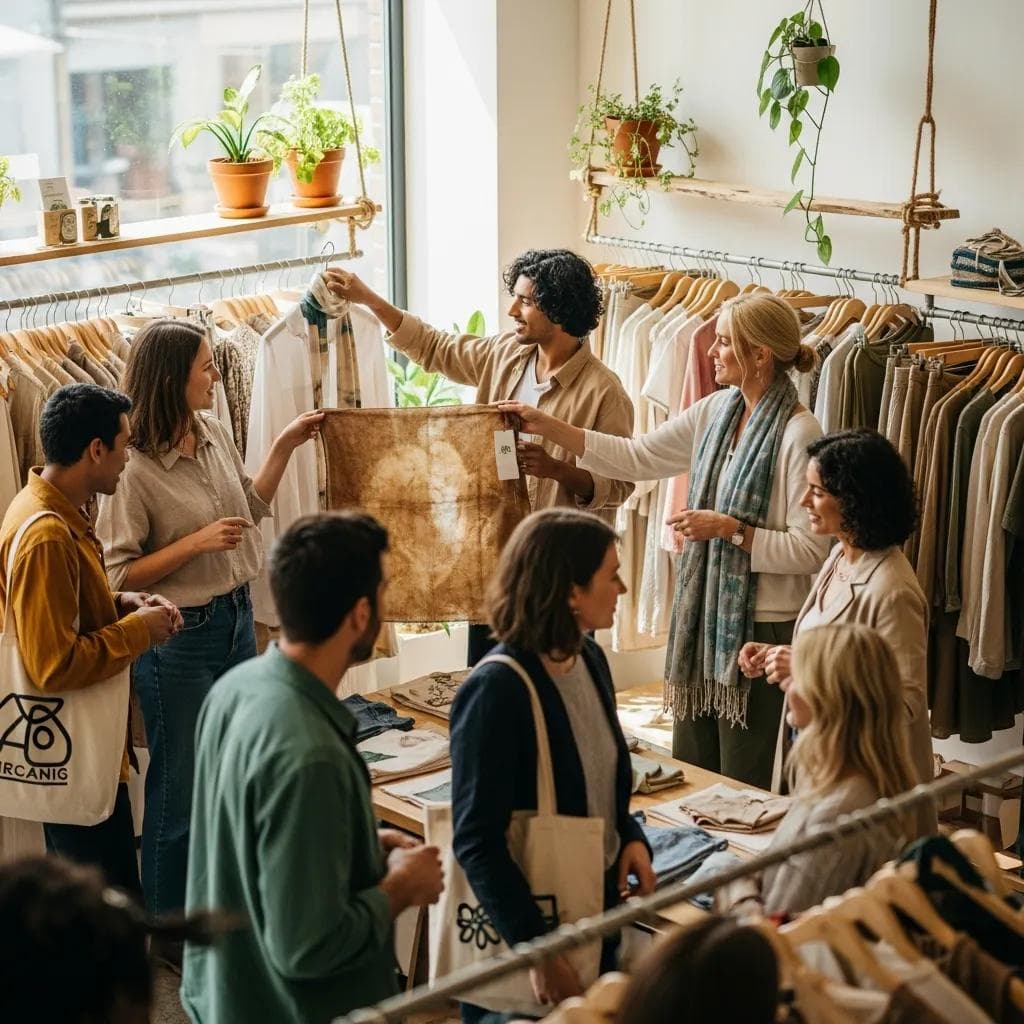
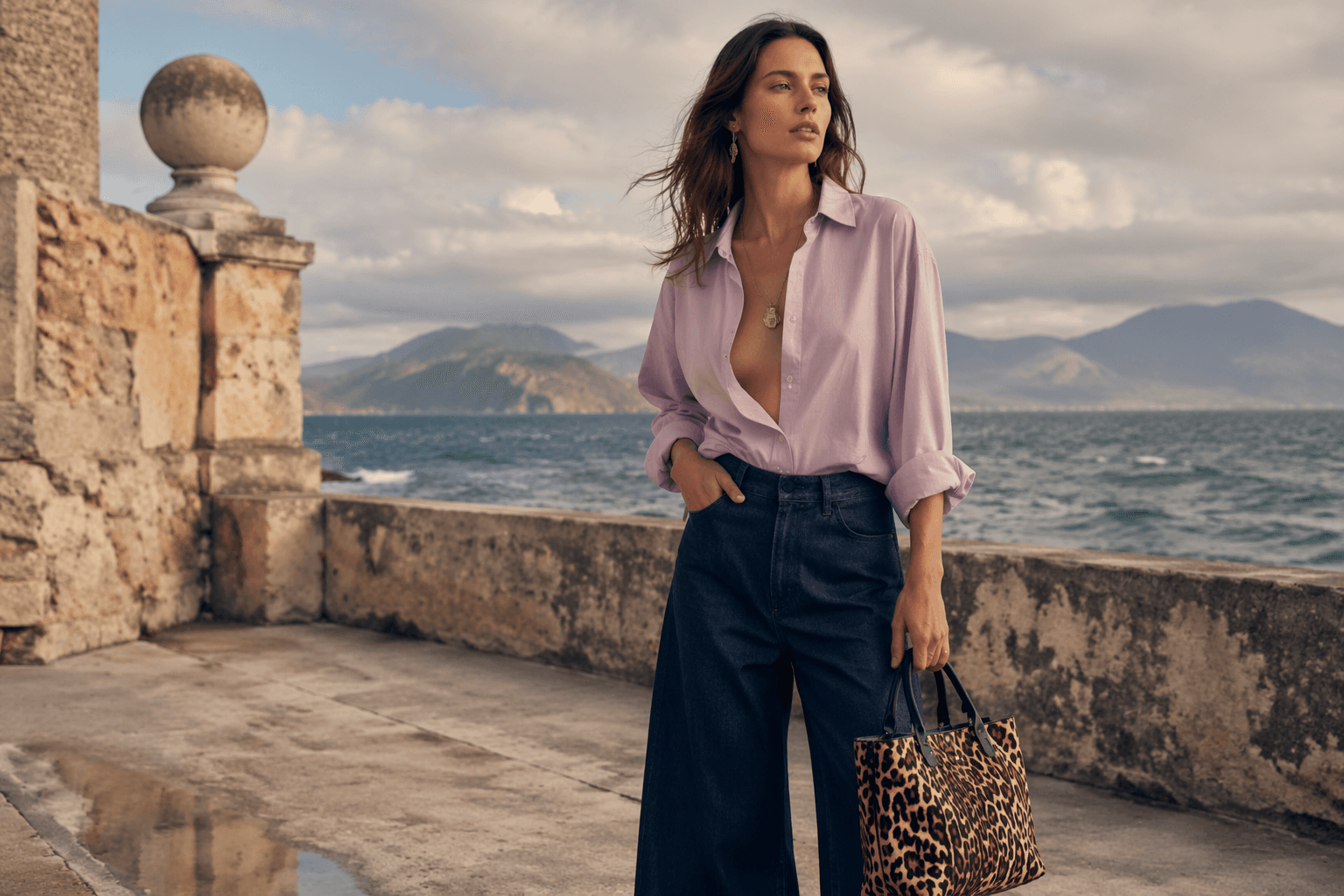
The sustainable fashion conversation has spent years trapped in a luxury bubble, where doing right by the planet meant spending $400 on a linen shirt. That framing is finally breaking down. The brands worth building a wardrobe around in 2026 are the ones that treat durability as a design principle, not a marketing claim. As one useful framework puts it: "Instead of trend-driven collections, sustainable brands design clothing meant to last for years, not seasons. Durability is sustainability." That's the lens for this list. Every brand here earned its ranking through a combination of verified sustainable practices, accessible pricing, and the kind of effortless, wear-everywhere style that makes getting dressed feel easy rather than exhausting.
1. Omnes
If there's one brand that dismantles the myth that sustainable fashion is inherently expensive, it's Omnes. The brand proves that sustainable fashion does not have to be expensive by responsibly sourcing materials and optimizing production to offer genuine alternatives to fast fashion at prices that don't require a second mortgage. Budget-friendly pricing, ethical factories, and stylish everyday designs make this the most accessible entry point on the list. It ranks first precisely because it removes the financial barrier that keeps so many consumers stuck in the fast-fashion cycle.
2. Organic Basics
Copenhagen-based Organic Basics has built its entire identity around the pieces you reach for first: underwear, T-shirts, and activewear made from organic cotton, TENCEL, and recycled materials. Pricing is genuinely accessible, with T-shirts and tops running $25 to $50, underwear from $10 to $45, and activewear between $20 and $50. Their focus on ethical production and minimalist design makes them a practical choice for anyone starting a more considered wardrobe from the inside out, literally.
3. Everlane
Radical transparency was Everlane's founding promise, and it remains the brand's sharpest differentiator. Transparent pricing and ethical production practices mean you know exactly where your money goes on every purchase, from the factory to the final cost breakdown. The brand appears on virtually every credible sustainable fashion list for a reason: that level of openness is still rare in an industry that prefers opacity. Entry-level pricing and clean, minimal silhouettes make it easy to build a foundational wardrobe here.
4. Patagonia
Patagonia's environmental activism and use of recycled materials have set the benchmark for what a truly mission-driven brand looks like at scale. This is the company that has sued the U.S. government over public land protections and built repair programs into its core business model. The outdoor-to-everyday crossover has only gotten stronger: heavyweight fleeces, technical shells, and utility pants that move from trail to city without apology. It ranks high because the brand's commitments are structural, not seasonal.
5. Ninety Percent
The name is the business model. Ninety Percent donates 90% of its profits to garment workers and charitable causes, a profit-distribution model that reorients the entire company around people rather than margins. Transparent profit distribution, sustainable fabrics, and capsule-friendly silhouettes make this brand as practical as it is principled. Clean, understated knitwear and easy separates mean the clothes work hard without asking for much attention.
6. Reformation
Reformation blends chic, feminine silhouettes with sustainable fashion in a way that rarely feels like a compromise. From flowy dresses to structured outerwear, the brand offsets its carbon footprint while using eco-friendly fabrics and ensuring ethical production throughout its supply chain. Pricing reflects the quality: tops run $80 to $250, jeans from $130 to $180, and dresses from $200 to $600. The Cary Slouchy High-Rise Jean and the Brooks Oversized Denim Jacket are exactly the kind of investment pieces this list is built around.
7. E.L.V Denim
E.L.V Denim has made 100% upcycled materials the foundation of every single garment it produces, turning discarded denim into high-end, tailored pieces through zero-waste production and local manufacturing. The result is fashion waste reimagined as desirable luxury: sharp, structured denim that looks intentional rather than repurposed. Timeless, statement designs mean nothing here reads as trend-chasing, which is precisely the point for a slow-fashion wardrobe.
8. Buck Mason
Buck Mason builds American-inspired wardrobe staples with durability and timeless design at the center of every decision. The clothing is classic, high-quality, and built to get better with age, prioritizing sustainable fabrics and ethical manufacturing throughout. T-shirts range from $45 to $65, tops from $100 to $150, and bottoms from $100 to $200, which positions it as a mid-range investment in pieces you'll stop replacing every season. This is the brand for someone who wants to buy fewer, better things.
9. Stella McCartney
Stella McCartney rejected leather and fur long before sustainability became a trend, investing instead in regenerative materials and next-generation textile innovation. The brand remains one of the most influential sustainable designers operating in 2026, maintaining high-fashion aesthetics without compromise while continuing to push into experimental materials. The price point is high, but the brand's decade-long track record of structural commitment separates it from newer labels still building their credentials.
10. Nudie Jeans
Nudie Jeans runs repair and recycling programs as core business operations, not add-ons. Bring in a worn pair and they'll fix it; when a pair is truly done, the circular system takes it back. The denim itself is built with sustainable credentials from the start, but the repair culture Nudie has created is what makes it genuinely slow fashion. A well-maintained pair of Nudies can last years longer than the average jean.
11. MUD Jeans
MUD Jeans takes circularity further than almost anyone else on this list with a leasing model for jeans: you pay a monthly fee, wear the jeans, and return them at the end of the lease to be recycled into new denim. It's a fundamentally different relationship with clothing ownership, and it works because the jeans are good enough that you'd want to keep wearing them anyway. For anyone skeptical about whether circular fashion can feel normal, MUD Jeans is the most convincing proof of concept available.
12. Re/Done
Re/Done upcycles vintage denim into modern styles, which means every pair has a history before it reaches you. The results are lived-in without being worn-out: the kind of broken-in softness that new denim spends years chasing. It's a smart entry point for consumers who want the upcycling credentials of E.L.V Denim at a slightly different aesthetic register.
13. Pact
Pact focuses on organic cotton and fair trade practices, producing basics that don't shout about their sustainability credentials but wear them quietly in every seam. Soft organic cotton T-shirts, leggings, and underwear at approachable prices make this a reliable source for everyday essentials that align with a considered wardrobe philosophy.
14. Tentree
Tentree plants ten trees for every item sold, a straightforward impact model that scales directly with purchases. The brand uses sustainable materials and produces the kind of relaxed, outdoorsy basics that work year-round. The tree-planting commitment gives every purchase a tangible, trackable environmental outcome beyond the garment itself.
15. Amour Vert
Amour Vert plants a tree for every T-shirt sold and builds its collections around sustainable fabrics designed to hold up across years of wear. The brand sits in the mid-range sweet spot between Pact's basics pricing and Reformation's premium positioning, offering elevated everyday pieces without the elevated footprint.
16. Brother Vellies
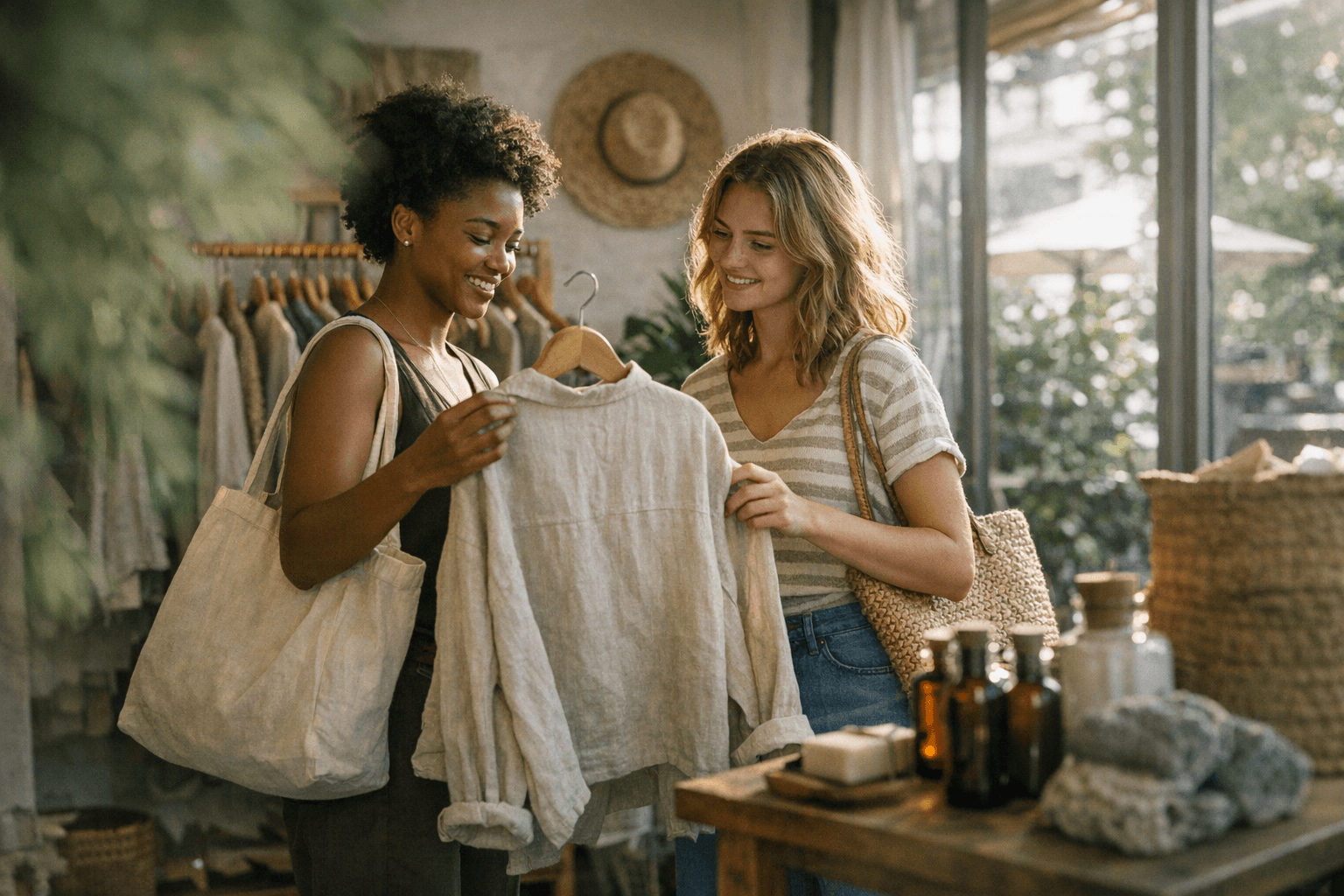
Brother Vellies treats sustainability as cultural preservation as much as environmental responsibility, producing handcrafted footwear and accessories while supporting global artisans and sourcing materials responsibly. Each piece carries the weight of a traditional craft technique, which makes the brand genuinely irreplaceable in this category. There's no algorithmic shortcut to what Brother Vellies makes.
17. Allbirds
Allbirds built its reputation on merino wool and eucalyptus fiber sneakers that feel almost implausibly light on foot. The brand's eco-friendly footwear has expanded beyond its original silhouettes while maintaining the material philosophy that made it notable. For a sustainable footwear entry point that doesn't ask you to sacrifice comfort, it remains the most accessible option.
18. Veja
Veja produces sneakers from organic cotton and natural rubber, combining supply chain transparency with the kind of clean, Parisian-adjacent aesthetic that has made it a fixture in wardrobes that prioritize both ethics and style. The brand has managed to be genuinely desirable rather than merely virtuous, which is harder than it looks.
19. Eileen Fisher
Eileen Fisher prioritizes organic materials and fair labor practices across a collection of fluid, minimal separates that have defined a certain kind of effortless dressing for decades. The brand's take-back program for worn garments adds a circular dimension to an already considered label. Linen shirts, wide-leg trousers, and draped knits that ask nothing of you except to wear them well.
20. People Tree
People Tree is a pioneer in sustainable and fair trade fashion, with a long track record that predates the current wave of sustainability marketing. Easy prints, relaxed cuts, and a commitment to fair wages throughout the supply chain make it a reliable source for everyday pieces with verified ethical credentials.
21. Mara Hoffman
Mara Hoffman combines bold designs with eco-friendly materials, offering one of the more visually distinctive options on this list. Where many sustainable brands default to earth tones and minimal silhouettes, Mara Hoffman brings color and print to the conversation without abandoning its environmental commitments.
22. Outerknown
Founded by professional surfer Kelly Slater, Outerknown focuses on sustainable materials across a range of relaxed, California-inflected basics and outerwear. The brand's surfing DNA translates into practical, durable clothing built for actual wear rather than shelf display.
23. Oliver Logan
Oliver Logan specializes in sustainably made everyday denim that blends comfort with classic style, crafting jeans from eco-friendly materials designed for effortless, all-day wear. It occupies a similar space to Buck Mason but with a tighter focus on denim as the core category.
24. Na-kd
Swedish brand Na-kd offers affordable minimalist fashion without sacrificing style, with modern, trend-conscious designs that make it easy to build a simple yet updated wardrobe. It's the entry-level option for someone who wants sustainability credentials alongside something that feels current rather than deliberately timeless.
25. Girlfriend Collective
Girlfriend Collective produces activewear from recycled materials, turning post-consumer waste into leggings, sports bras, and sets that hold up through genuine use. The size range is broad and the color palette is considered, making this the sustainable activewear option that doesn't feel like a compromise.
26. Thought
Thought offers stylish clothing made from natural and sustainable fibers, producing relaxed knitwear, dresses, and separates with a natural-fiber sensibility that wears well across seasons. The brand is quieter than some others on this list, which suits the slow-fashion ethos it's built around.
27. SIR the Label
SIR the Label combines luxury aesthetics with sustainable practices, producing elevated separates and occasion-wear with the kind of considered tailoring that justifies a higher price point. For the dressy end of a slow-fashion wardrobe, this is where to look.
28. Frank And Oak
Frank And Oak offers eco-friendly clothing with a broad focus on sustainability across casualwear and workwear basics. The brand covers the mid-range everyday territory that often gets overlooked in favor of more headline-grabbing sustainable labels.
29. Kuyichi
Kuyichi is a pioneer in sustainable denim production, predating most of the brands currently competing in the ethical denim space. The heritage matters: Kuyichi has been working out the supply-chain challenges of sustainable denim since before it was a selling point.
30. H&M Conscious, Zara Join Life, and ASOS Eco Edit
These three high-street sustainable lines deserve mention as accessible entry points for consumers whose budgets don't yet stretch to dedicated sustainable brands. H&M Conscious and Zara Join Life both use organic and recycled materials within their respective collections, while ASOS Eco Edit curates sustainable options across multiple brands in one place. The trade-off is that these are collections within fast-fashion parent companies, which adds complexity to the sustainability calculus. They're useful bridges, not destinations.
The practical reality of building a sustainable wardrobe in 2026 is that you don't have to start at the expensive end. Organic Basics underwear at $10 to $45, Pact cotton basics, and Omnes everyday pieces give you the foundation. From there, the investment brands, Reformation, Buck Mason, E.L.V Denim, earn their price points through quality and longevity that the fast-fashion model structurally cannot deliver. Buy less, buy better, and stop treating your wardrobe as a subscription service you never asked for.
This article was produced by Prism’s automated news system from verified source data, official records, and press releases, then run through automated quality and moderation checks before publishing. The system is built and supervised by the people who set the standards it runs under. Read our full AI policy.
Did this article answer your question?