Bomber Jackets Bring Easy Outfits Into Sharp Focus
Bomber jackets do the cleanest kind of work: they square off slip skirts, tame lace, and sharpen tailored trousers without trying too hard.

Why the bomber still beats the cardigan
The bomber has never needed a comeback storyline. It already knows its job: add shape, a little attitude, and enough structure to keep soft spring dressing from drifting into mush. That is why it works so well over satin slips, sheer lace, and crisp trousers, where the jacket’s compact volume and ribbed finish do the heavy lifting.
This is not about nostalgia for nostalgia’s sake. It is about a silhouette that makes easy clothes look finished, fast. When the rest of the outfit is fluid, the bomber supplies the hard edge, the clean line, the bit of tension that makes the whole thing look intentional.
From flight deck to closet staple
The silhouette comes straight out of military flight jackets. In 1931, the U.S. Air Corps updated the Type A-1 into the Type A-2, and the MA-1, the version most modern bombers reference, became standard U.S. Air Force issue in the 1950s. Alpha Industries traces the MA-1 to predecessor Dobbs Industries in 1948 and says the company itself was founded in 1959 in Knoxville, Tennessee, where it helped push the jacket into civilian life.
The details were always practical, which is why they still read clean today. A zipper front, ribbed cuffs and hem, and a low-profile shape made sense in a cockpit, where movement mattered and insulation had to stay close to the body. Some later versions added a bright orange lining for emergency visibility, a detail that still gives the jacket a jolt when it swings open.
Why it still feels current
The bomber keeps resurfacing because it sits at the intersection of utility, streetwear, and easy layering. The Metropolitan Museum of Art holds a Kansai Yamamoto bomber jacket from the early 1980s, made in Japanese cotton and leather, which tells you how far the shape traveled once it left the military and entered designer fashion. It is one of those rare pieces that can look archival, subcultural, and completely ordinary, all in the same week.
Refinery29’s jacket-trends coverage makes the mood shift clear: jackets are being treated as the outfit, not just the finishing layer. That favors pieces that feel thoughtful without looking overworked, and the bomber slots into that idea almost too well. It gives you one hard edge in an outfit that would otherwise lean too soft, and it does it without the preciousness of a blazer or the bulk of a puffer.
Over a slip skirt: the easiest kind of tension
A slip skirt brings sheen and movement; the bomber brings weight and stop-and-start structure. Put the two together and the outfit stops reading like lingerie-in-the-daytime and starts reading like intention. The cropped hem of the jacket lands where the skirt floats, so the silhouette feels balanced instead of swamped.
This is the formula that makes a bomber look smartest with almost no effort. A satin or silk slip in a muted tone, with a little shine, gets grounded the moment the bomber hits the shoulders. The jacket’s matte shell, ribbed edges, and blunt shape keep the skirt from going too sweet, which is exactly the contrast play Savoir Flair leans on.
With lace: keep the romance, add a frame
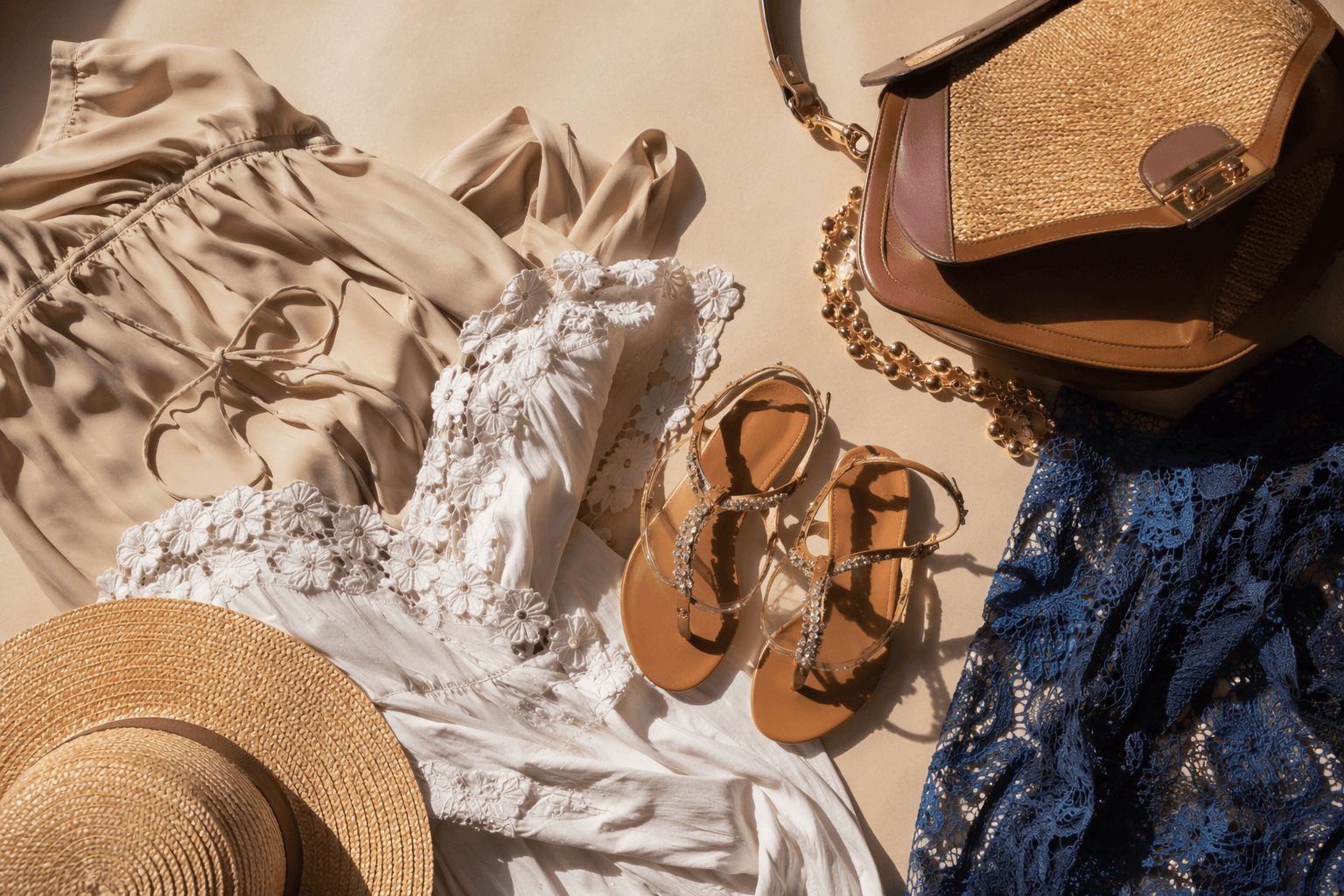
Lace can tip fragile fast, especially in spring when everyone is tempted by translucence and ruffles. The bomber is the cleanest answer because it keeps the texture story interesting without making the outfit feel fussy. The jacket’s utilitarian lines cut through all that delicacy and turn lace into a deliberate texture rather than a costume cue.
Think of it as a frame around the softness. A lace top or dress under a bomber gets a more urban read, less bridal cloud, more downtown polish. The contrast is the point: the jacket says it knows exactly what it is doing, while the lace keeps the look from becoming severe.
With tailored trousers: the outfit gets instant shorthand
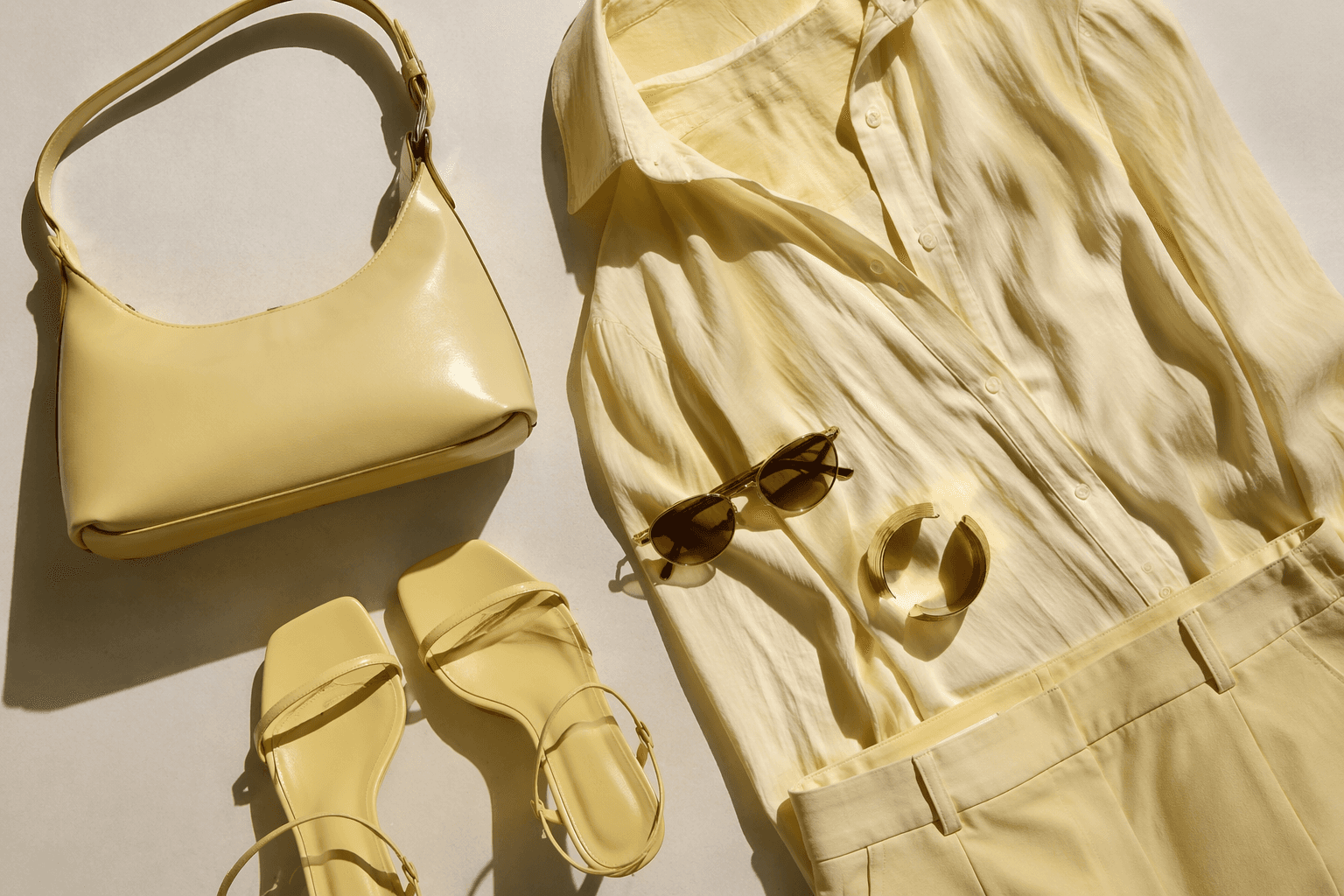
Tailored trousers and a bomber make sense because they share discipline but not attitude. Trousers bring polish, the bomber breaks it up, and suddenly the whole outfit feels cooler than a blazer without losing structure. That mix is especially useful when you want sharp lines but do not want to look like you are headed into a boardroom.
This pairing also plays well with the bomber’s low-profile shape. Where a longer coat can drown a straight trouser leg, the bomber keeps the proportions tight and crisp. The result feels modern because it is all contrast: tailored underneath, casual on top, with enough edge to keep the look from becoming too neat.
What to look for when you want the right one
The best bombers still echo the original flight jacket DNA. Look for a zipper front, ribbed cuffs and hem, and a shape that sits close to the body rather than ballooning out. If the lining flashes orange when you open it, that is not nostalgia fluff, it is a direct nod to the functional version that made the silhouette famous in the first place.
Fabric matters too. Nylon leans closest to the utilitarian originals, while cotton or leather versions tilt more fashion-forward, like the Kansai Yamamoto example in The Met collection. The right choice depends on how much polish you want to bring to the rest of your wardrobe, but the logic stays the same: the bomber is there to sharpen, not overpower.
The bottom line
What keeps the bomber relevant is not novelty, it is range. It can cool down a slip skirt, toughen up lace, and pull tailored trousers into the same orbit without losing its own shape. That is rare outerwear, and the reason it keeps earning a spot in closets that want ease with a little bite.
This article was produced by Prism’s automated news system from verified source data, official records, and press releases, then run through automated quality and moderation checks before publishing. The system is built and supervised by the people who set the standards it runs under. Read our full AI policy.
Did this article answer your question?