Build a 20-Piece Sustainable Capsule Wardrobe with 45 Outfits in 2026
20 pieces, 45 outfits, zero closet guilt. Here's the exact system for building a sustainable wardrobe that actually works in 2026.
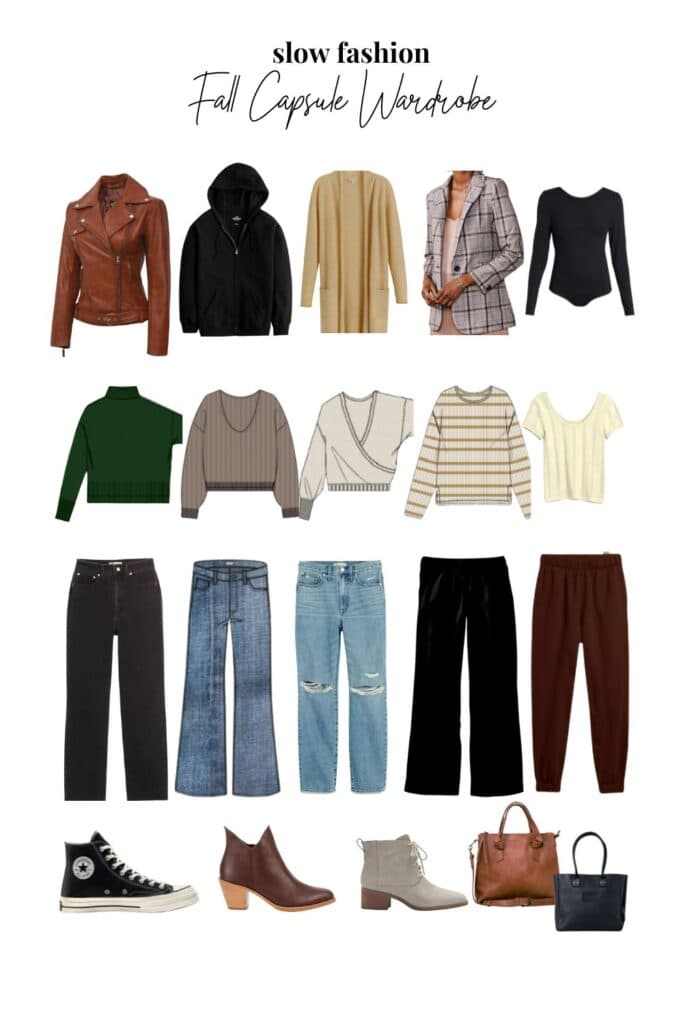
20 pieces. That's the number standing between you and a closet that works every single morning, one that pulls 45 distinct outfits without a single piece of virgin polyester in sight. The math sounds aggressive until you're actually living it, and the methodology is more rigorous than anything a seasonal haul can offer.
The concept of the capsule wardrobe has been floating around fashion circles for decades, but 2026 has sharpened it into something genuinely useful. As Lemontrend puts it, "a capsule wardrobe is a strategic, intentional closet where every piece has a purpose." That's the operating principle here: not minimalism as aesthetic, but intentionality as practice. "This is not about restriction, it is about freedom."
What a Capsule Wardrobe Actually Means in 2026
The capsule wardrobe has evolved well past the beige-everything, five-item monk fantasy. Today's version is soft, elegant, and built for people with real lives: jobs, travel, dinners, weekends, all of it. The 2026 definition clusters around five attributes: elevated basics, soft tailoring, neutral and mixable colors, seasonless silhouettes, and high-quality sustainable fabrics. You dress for longevity and confidence rather than for whatever trend just landed on the algorithm.
There's an honest debate about how many pieces the ideal capsule actually contains. The more expansive approach lands at 30 to 40 items, counting clothing, shoes, and outerwear together, with accessories like bags, scarves, and jewelry explicitly excluded from that tally. At that count, you're looking at enough range to cover work, travel, and leisure while keeping the closet genuinely clutter-free. The tighter, more challenging approach argues for 20 pieces, with the payoff of 45-plus outfit combinations, and that constraint is what forces the real curation decisions.
Both positions agree on the core logic: buy fewer pieces, invest in quality, avoid trend waste, and wear everything more. "This reduces environmental impact while increasing personal style."
Step 1: Audit Your Closet First
Before you buy a single thing, you need a hard look at what you already have. Block out one to two hours and pull everything out. The keep criteria are specific: items you've worn in the last 90 days that spark joy and actually fit your lifestyle. Everything else goes. ThredUp and Depop are the named platforms for selling or donating what doesn't make the cut, both accessible and well-trafficked enough that your cast-offs will actually move.
This step is non-negotiable. Building a capsule on top of an unexamined closet just adds layers to the problem.
Step 2: Lock In Your Color Palette
The 2026 capsule runs on a 70/30 split: 70% neutrals, 1 to 2 accent colors. The specific neutrals are ivory, soft black, warm beige, and olive. The accents are fringe-friendly terracotta or deep green. That combination creates what the framework calls "instant cohesion," meaning you can reach for anything in the closet and it will work with everything else. This is the structural reason a 20-piece wardrobe can generate 45 outfits: every piece is already in conversation with every other piece before you even get dressed.
Terracotta and deep green are not arbitrary choices. Both read as grounded and elevated rather than trend-chasing, and both sit warmly against the ivory-beige-olive neutral base without fighting it.
Step 3: Choose Fabrics With Intention
Fabric selection is where the sustainability claim either holds or collapses. The approved list is specific: organic cotton, Tencel and lyocell, recycled polyester and recycled denim, hemp, and regenerative wool. The explicit avoidance list is equally specific: virgin polyester and conventional cotton. Both of those materials carry significant environmental cost in production, and neither improves with wear the way the better alternatives do.
Tencel and lyocell have a soft, slightly fluid hand that works beautifully in seasonless silhouettes. Recycled denim, showing up in pieces like barrel jeans, retains the structure of conventional denim without the resource-heavy production cycle. Regenerative wool is a step beyond standard sustainable wool, associated with farming practices that actively restore soil health rather than simply reducing harm.

Step 4: Build in the Right Order
The shopping sequence matters. Start with five to seven hero pieces, wear them for two weeks, and identify the actual gaps before filling them. This is the discipline that prevents over-buying. The 20-piece list, which includes named pieces like fringe midi dresses and recycled barrel jeans alongside the staple categories, gets assembled in stages rather than all at once.
If you're working toward a slightly more expansive 30 to 40 piece structure, Lemontrend's checklist suggests starting with tops, recommending 10 to 12 as the foundation of the wardrobe's layering range. The logic is the same: anchor in the high-frequency pieces first, then build outward toward outerwear and occasion-specific items.
Most people complete the full build in four to six weeks. That timeline accounts for the two-week wear-testing period, decision time, and the practical reality of shopping ethically, which sometimes means waiting for the right piece rather than settling.
Step 5: Test, Photograph, and Refine
The testing protocol is concrete: photograph 10 outfits. If something isn't getting worn across those 10 combinations, swap it out. This step closes the loop between what you thought you'd wear and what you actually reach for, and it's the difference between a theoretical capsule and a functional one.
The photograph method is useful precisely because it forces commitment. You're not mentally cataloguing outfits, you're documenting them, which surfaces the pieces that look good in theory but don't actually integrate with the rest of the wardrobe.
Why This Works as a Sustainability Strategy
The environmental case for the capsule wardrobe isn't complicated but it is consistent. Buying fewer pieces, investing in quality construction and ethical materials, and wearing each item significantly more all point in the same direction: less production pressure, less waste, less churn. "A sustainable fashion wardrobe is not about perfection, it is about intention."
The fabric choices reinforce this. Organic cotton and hemp require fewer chemical inputs than conventional production. Recycled polyester and recycled denim divert material from waste streams. Regenerative wool connects the wardrobe to land stewardship. None of these are marketing abstractions when you're choosing a specific garment at the point of purchase.
The capsule wardrobe also resists the mechanics of trend fatigue. When your 20 pieces are already seasonless in silhouette and neutral in palette, the pressure to respond to each new micro-trend dissolves. As Lemontrend frames it: "The capsule wardrobe is not a trend, it is a response to modern life."
The Bigger Picture
The 20-piece approach is the more demanding version of this idea, but it's also the most clarifying. The constraint is the point. When you're working with 20 pieces and a 70/30 color ratio, every purchase decision becomes legible: does this work with the ivory, the soft black, the warm beige, and the olive? Does it come in Tencel or organic cotton? Will it still make sense in two years?
"In 2026, true luxury is not excess. It is clarity." That line lands differently when you're standing in front of a closet where everything fits, everything works together, and getting dressed takes three minutes instead of thirty.
This article was produced by Prism’s automated news system from verified source data, official records, and press releases, then run through automated quality and moderation checks before publishing. The system is built and supervised by the people who set the standards it runs under. Read our full AI policy.
Did this article answer your question?