Build a Rich-Girl Minimal Capsule Without the Luxury Price Tag
Ten pieces, one neutral palette, zero luxury spend: here's exactly how rich-girl minimalism works as a technique, not a trend.

Ten pieces. That is the entire skeleton of rich-girl minimalism, and once you see the framework, you can't unsee it. The aesthetic that racks up millions of views isn't about owning The Row or Loro Piana; it's about understanding why those pieces look the way they do and then reverse-engineering the effect with Arket, COS, Uniqlo, and a well-placed trip to a local tailor. The formula is replicable. The price tag doesn't have to follow.
What "Rich-Girl Minimal" Actually Is
Strip the aspirational branding away and what you have is a three-part discipline: quality of fabrication over quantity of items, severe restraint in color, and a near-obsessive attention to fit. That's it. The aesthetic isn't a mood board of creamy interiors and gold hardware; it's a technical approach to dressing where every piece earns its place by doing heavy lifting across multiple outfits.
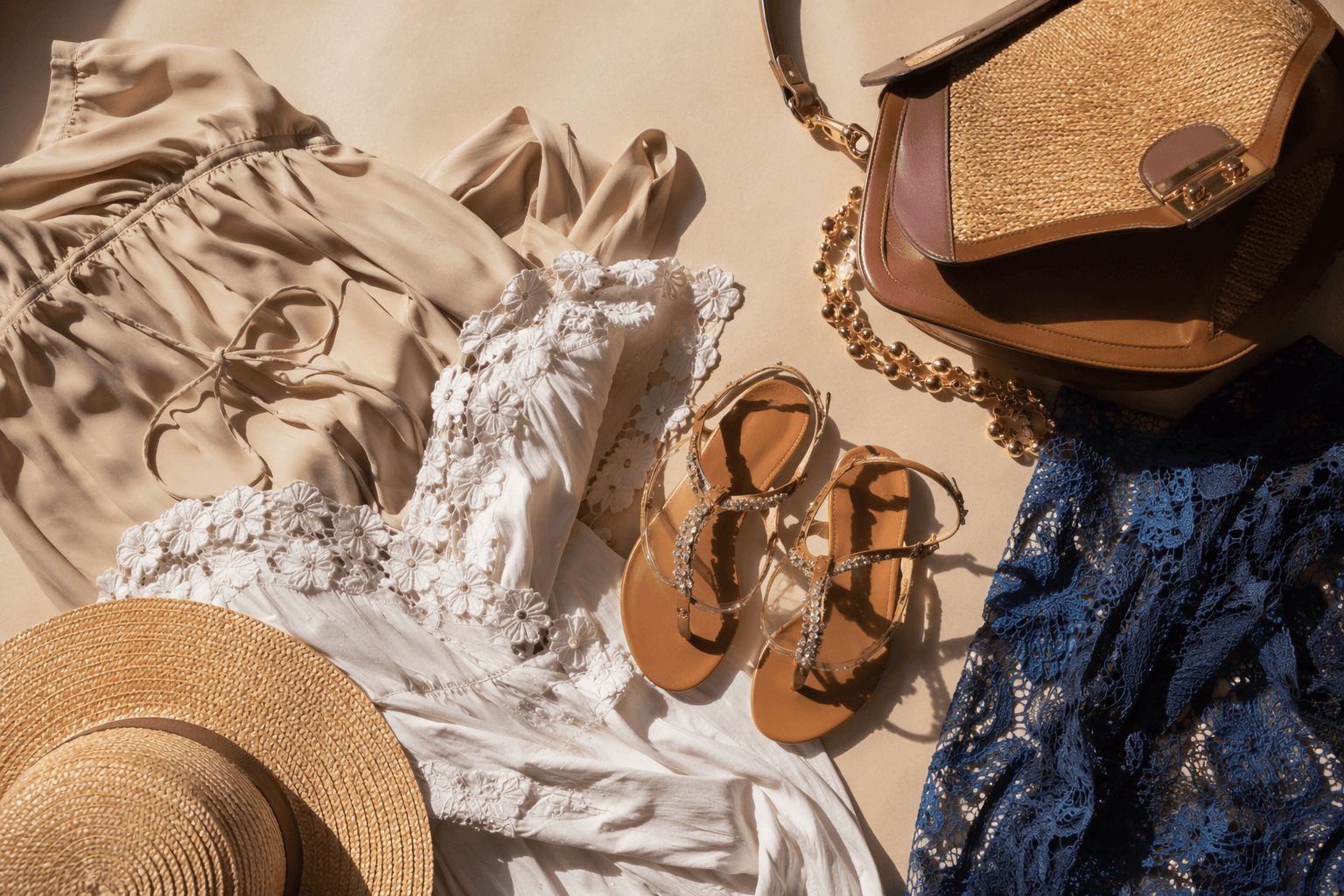
The color palette runs on a tight axis: ivory, cream, camel, sand, stone, and a single anchor of black or chocolate brown. Two neutrals per outfit maximum, with one muted accent (a dusty sage trouser, a warm terracotta slip) allowed in small doses. The moment you add a third distinct color, the visual compression that makes a look feel "expensive" dissolves. Restraint is the entire point.
Fabric is where the technique lives. Cashmere, silk, crisp cotton, and structured linen drape in ways that polyester simply cannot replicate, and drape is what creates that effortless, un-fussy quality that reads as money. A $40 linen blazer from Uniqlo will look sharper on a body than a $200 structured polyester blazer from a fast-fashion premium line, because the linen breathes, moves, and falls with weight. Whenever budget allows, swap synthetic for natural fibre, even at the basics level.
The Capsule Checklist
The core wardrobe is built on ten pieces that rotate across every occasion. These aren't starter suggestions; they are the architecture:
- One relaxed-fit linen or cotton blazer in ivory or camel
- One pair of high-rise straight-leg denim in a clean mid-blue or ecru rinse
- One pair of tailored wide-leg trousers in stone, cream, or chocolate
- One crisp white cotton shirt, oversized, with a structured collar
- One fine-knit crew-neck sweater in camel or oatmeal
- One sleek slip dress in ivory or sand, midi length
- One fitted ribbed tank or camisole in neutral (the workhorse layering piece)
- One minimal leather or structured fabric tote in tan, black, or ivory
- One pair of clean white or bone leather sneakers
- One pair of pointed or almond-toe flats or kitten heels in a tonal neutral
Three shoe styles should cover virtually every context in this edit: the clean sneaker for errands and travel, the flat or kitten heel for brunch and workdays, and one barely-there sandal or low-heeled loafer for evening. Anything beyond that starts to fragment the visual language.
Where to Spend, Where to Save
Rich-girl minimalism runs on a deliberate high-low map. The principle: invest where the body interacts most directly with structure and fabric quality, save where the piece is either background architecture or easily upgraded with tailoring.
*Invest here:*
- Outerwear. A single great coat or blazer in a natural fibre (wool, cashmere blend, linen) is the piece every other item is seen through. Brands like Arket and & Other Stories consistently deliver at the $150 to $250 range without the luxury markup.
- Trousers. Fit through the hips and a clean break at the ankle is the difference between "expensive" and "bargain-bin adjacent." Mango Premium and Everlane offer structured cuts with proper fabric weight at under $100.
- One leather bag. Not a logo bag, a clean structured silhouette. Brands like DeMellier, Cuyana, and Polène sit in the $200 to $400 range and deliver the drape and hardware quality that communicates the aesthetic correctly.
*Save here:*
- Basics and layering pieces. Ribbed tanks, cotton tees, and camisoles from Uniqlo or Zara are indistinguishable from luxury versions under a blazer. Nobody's reading the label on your tank.
- Denim. The straight-leg cut doing the work in 2026 wardrobes is widely available at high street; AGOLDE sits at the premium end but Zara and COS consistently produce clean high-rise straight cuts under $60.
- Knitwear. Quince has made this argument for years: a Mongolian cashmere crewneck for $50 wears identically to a $450 version from a heritage brand when cared for properly.
How Tailoring Changes Everything
No single investment delivers more return than a local tailor, and most people skip it entirely. If a blazer fits correctly at the shoulders, a tailor can pull the waist in and shorten the sleeves for under $40, and the result looks like a piece made to measure. For trousers, fit through the hips is the priority at point of purchase; hems are the cheapest and easiest adjustment a tailor makes. The shoulder seam should sit exactly at the edge of the shoulder bone, the waist should skim without pulling, and trousers should drape cleanly from the hip with no diagonal tension lines across the thigh.
That attention to fit is what separates a well-assembled high-street outfit from one that reads as expensive without a single luxury label in sight. The fabric does half the work; the fit does the other half.
Styling Permutations
The ten pieces above generate a surprising number of distinct looks once you understand the outfit architecture.
*Errands:* Straight-leg denim plus the oversized white shirt, half-tucked, with clean white sneakers and the structured tote. Add the fine-knit sweater layered underneath in cooler months. One thin gold chain, no other jewelry.
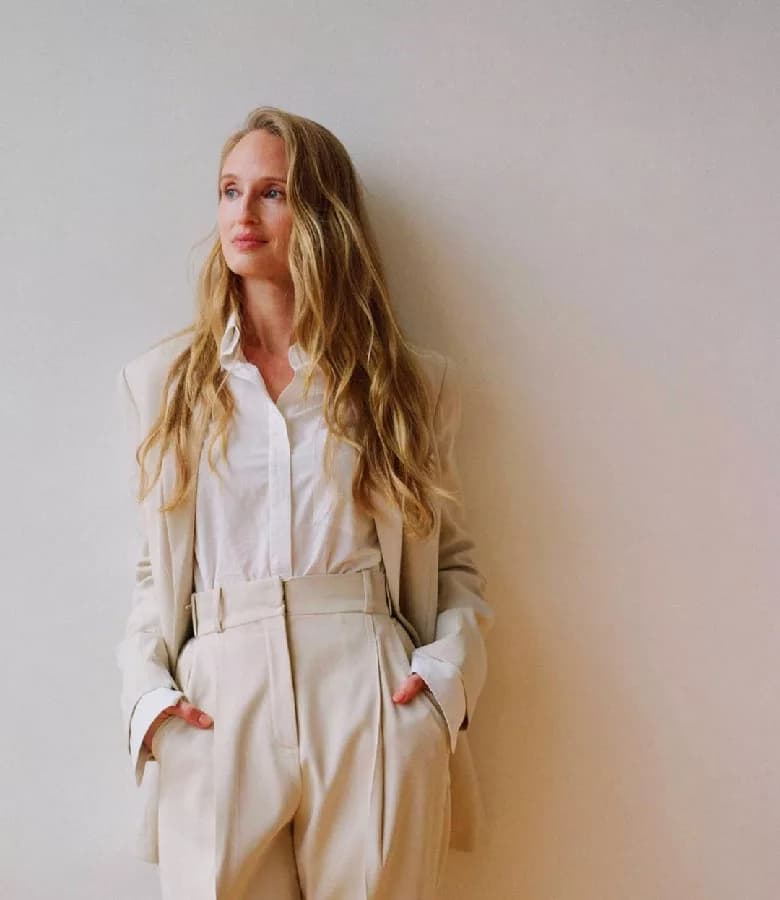
*Brunch:* Slip dress over the ribbed tank, the linen blazer thrown on top, kitten-heel flats in a matching neutral. This is the tonal-dressing formula: three pieces in the same color family, differentiated by texture rather than hue. It photographs exceptionally well and requires almost no effort to execute.
*Travel:* Wide-leg trousers plus the ribbed tank plus the blazer as a jacket layer. This combination moves through airports without wrinkling, looks polished enough to walk into a hotel lobby, and converts to a dinner look by swapping the sneakers for flats and adding one earring.
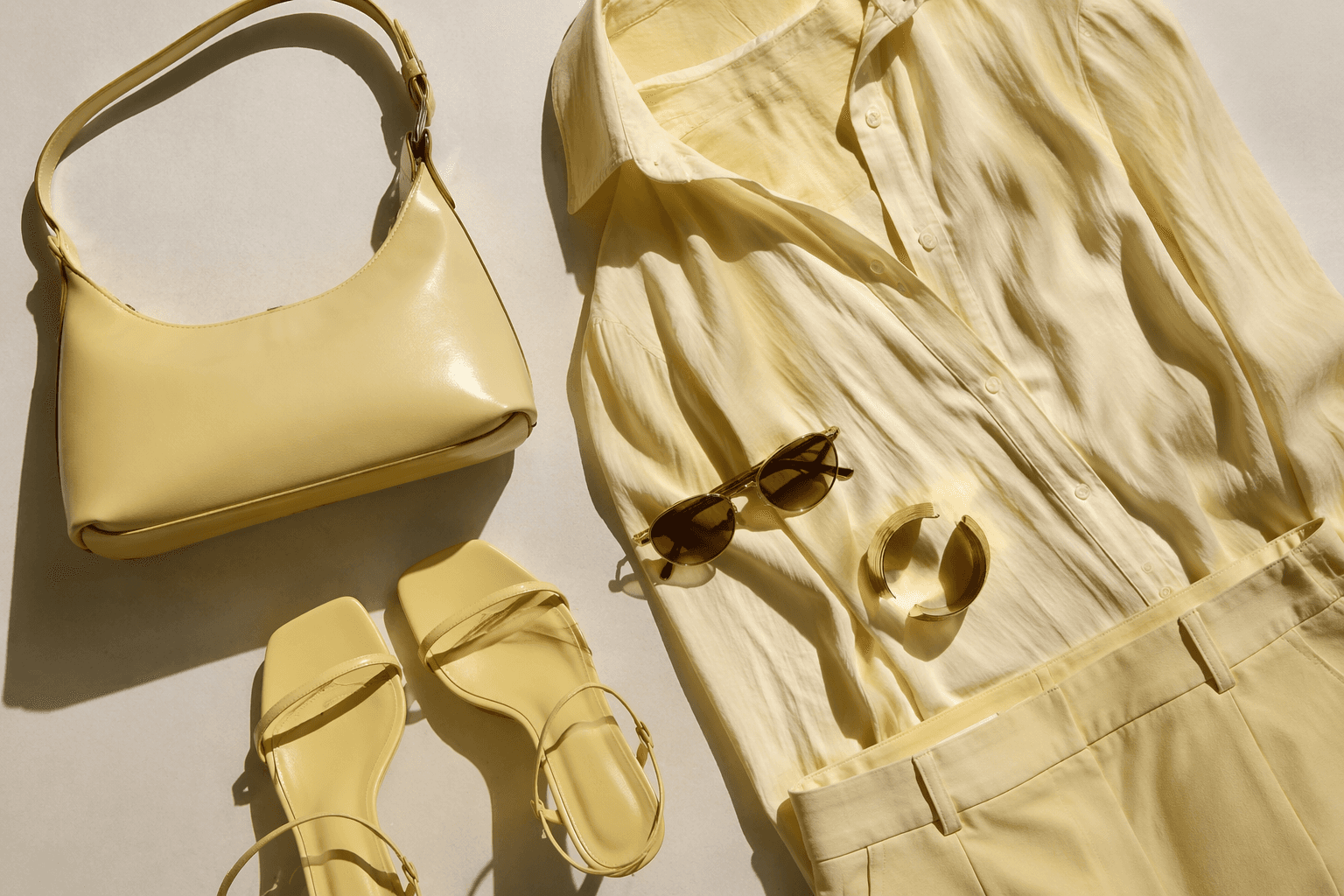
*Low-effort evening:* The slip dress alone, belted at the natural waist with a thin leather belt, with the loafer or barely-there sandal. The single statement accessory rule is most important here: one sculptural earring or one clean cuff, not both.
The 60-Second Outfit Upgrade
When a neutral look feels flat or unfinished, run through this checklist before leaving:
1. Steam. Wrinkled linen and cotton read as careless, not casual. A handheld steamer takes 90 seconds and transforms the drape of any natural-fibre piece.
2. Tuck. A deliberate half-tuck or full tuck at the waist creates a visual anchor and signals intention. An untucked shirt on wide-leg trousers without a belt reads as accidental; tucked or half-tucked reads as styled.
3. Belt. In 2026, when silhouettes are pared back and palettes are neutral, a clean leather belt is the detail that makes even the most basic separates feel finished. It adds structure to relaxed tailoring and creates a focal point that says "I thought about this."
4. Jewelry scale. If the outfit is quiet, the earring can do some work. One oversized hoop, one architectural cuff, or one long chain creates the necessary contrast without noise.
5. Shoe shape. Swap the sneaker for a pointed flat or kitten heel and the same top-and-trouser combination shifts from casual to polished instantly. Shoe silhouette is the fastest outfit gear-change you have.
The One Accessory Rule
The single most common mistake in building this look is accessory overcrowding. Rich-girl minimalism runs on one statement piece per outfit: one bag, one earring style, one belt, one interesting shoe. The rule of two neutrals plus one accent applies to the whole outfit, accessories included. A sculptural gold earring against a cream linen outfit needs nothing else; add a stack of bracelets and a printed scarf and the quiet luxury signal disappears entirely. Editing is the skill. The chicest version of this aesthetic is always the one where someone removed a piece before walking out.
The entire premise of this capsule is that expensive dressing is a set of decisions, not a bank account. Fit, fabric, restraint, and a single tailor visit do the same work as a $3,000 wardrobe refresh. The technique is learnable, the pieces are available at every high street, and the result is the same: a wardrobe that looks like it cost twice what it did.
This article was produced by Prism’s automated news system from verified source data, official records, and press releases, then run through automated quality and moderation checks before publishing. The system is built and supervised by the people who set the standards it runs under. Read our full AI policy.
Did this article answer your question?