Cannes red carpet gets strategic under new dress-code rules
Cannes did not lose glamour to the new rules. It forced the smartest looks to become cleaner, sharper, and far more deliberate.
The new calculus of glamour
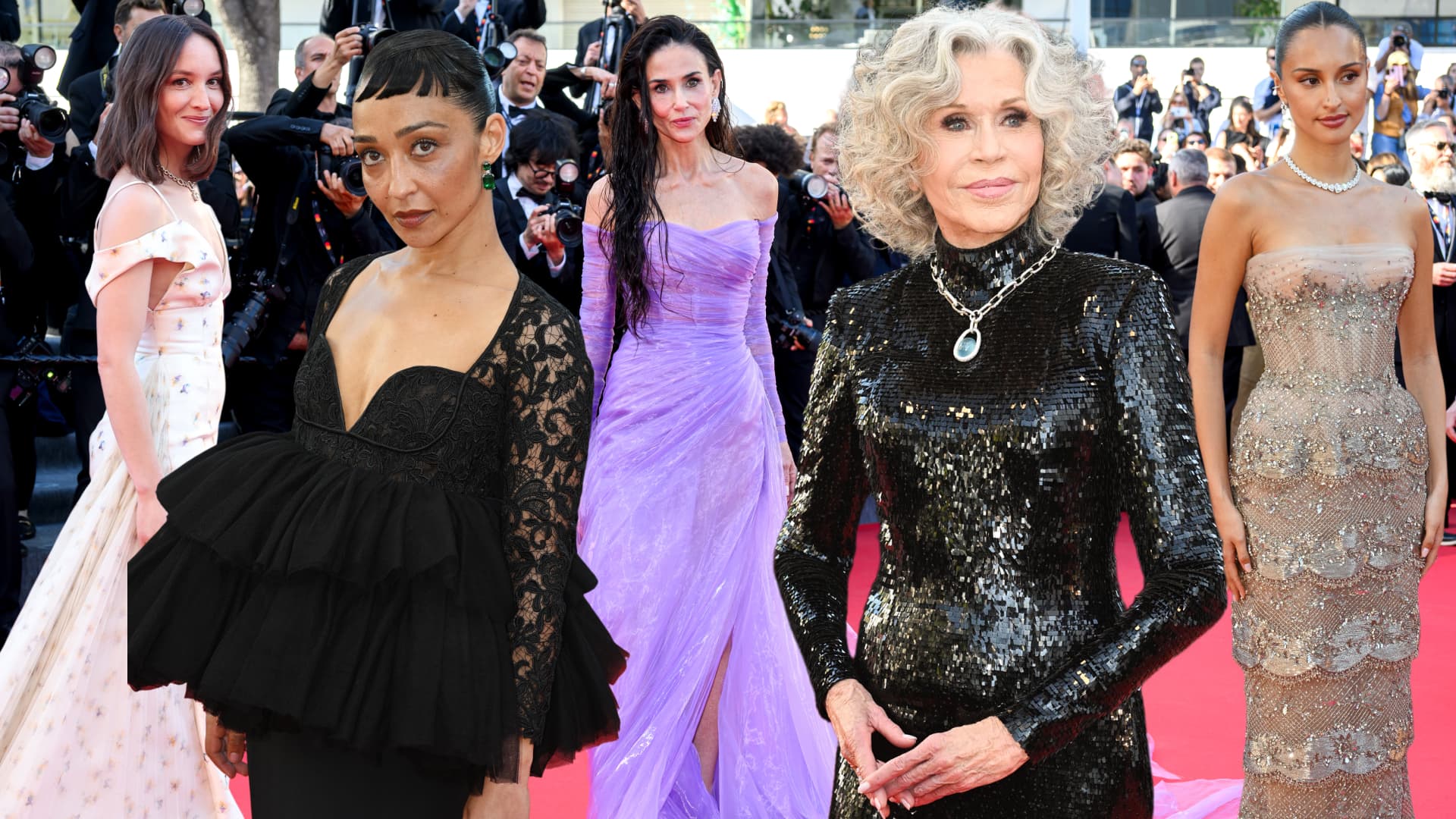
Cannes has always loved drama, but this year the smartest drama is control. The festival’s tighter dress code has stripped away some of the old red-carpet excess and replaced it with a more exacting kind of Riviera glamour, where silhouette, tailoring, and finish have to do the work that volume once did. The result is not less impact, but better impact, the kind that reads instantly from the steps of the Grand Théâtre Lumière to the last camera flash.

That shift is what makes the 79th Cannes Film Festival feel so interesting right now. Marie Claire’s early red-carpet roundup captures a mood that is already unmistakable: the standout looks are still opulent, but they are being chosen with a strategist’s eye. The winners are not hiding behind embellishment. They are using precision, and that is usually where the strongest fashion lives.
What the new rules actually changed
The official Cannes dress code for gala screenings at the Grand Théâtre Lumière is still formal to its core. Tuxedos or evening gowns are the baseline, and the acceptable alternatives are carefully specified: cocktail dresses, dark trouser suits, dressy tops with black trousers, little black dresses, or black or midnight-blue suits with bow ties. Elegant shoes are required, with or without heels, and sneakers are not allowed. Backpacks, tote bags, and large bags are also supposed to stay away from the carpet.
Those rules matter because Cannes is not a loose, celebrity-first event. It is a film festival with controlled access, and the logistics are tight enough that more than 18,000 spectators used last-minute queues for screenings in 2025. When a venue is that managed, every look has to work harder and faster. There is no room for fashion that needs explaining later; it has to land in the first glance.
The 2025 charter update, which banned nudity for decency reasons and restricted oversize garments, pushed the festival even further toward disciplined dressing. That change startled stylists and stars, and it drew criticism for policing fashion more aggressively. But it also made Cannes more revealing, because once the obvious shock tactics are removed, only the truly considered looks remain.
Why less excess can look more luxurious
The best Cannes dressing has never been about quantity of fabric or density of decoration. It is about line, movement, and the moment a dress turns a corner and catches light. Under the new restrictions, that old truth feels newly relevant. A column gown with exacting structure, a tuxedo with pitch-perfect proportion, or a sleek black suit with the right shirt can feel more expensive than a heavily worked surface ever could.
That is the quiet lesson of this moment: restraint is not the opposite of glamour, it is often the most direct route to it. The festival’s new limits have pushed stylists to sharpen every decision, from neckline to hem to shoe. Even a simple gown now has to carry its own voltage, and that usually comes from cut, fabric, and confidence rather than from spectacle for its own sake.
There is a very Cannes lineage behind this. Edith Head understood that a costume can become iconography when the shape is right. In a different register, the clean authority associated with Barbra Streisand or the spare cool of Inger Stevens reminds us that presence does not require excess. Cannes has simply made that lesson unavoidable again.
What still delivers on the red carpet
The looks that win under these rules are the ones that look deliberate, not crowded. A gown with a strong shoulder, a clean column, or a disciplined train still reads beautifully because the eye has somewhere to rest. A tuxedo or black suit works when it is impeccably cut, and when the shirt, bow tie, or neckline feels considered rather than merely formal.
The real challenge is texture. Without oversize volume or obvious provocation, fabric has to do the storytelling. Satin, crepe, and structured silks can look arresting when the surface catches the Riviera light, while anything too fussy risks disappearing into the carpet noise. Cannes has always been a place where evening wear should move like cinema, and this year that means editing, not adding.
The other change is emotional. The most compelling looks no longer feel as if they are trying to dominate the festival. They feel as if they belong to it. That distinction matters, because Cannes still rewards grandeur, but it now rewards a more disciplined kind, the sort that suggests taste, not panic.
Which names are best positioned to win this moment
Brands and celebrities that know how to build authority without clutter are the ones with the advantage. Houses fluent in immaculate tailoring, exacting corsetry, and polished evening surfaces can make a stronger case here than labels dependent on theatrics. The same is true for stars who understand that a single controlled gesture, a slit placed with precision, a shoulder line that frames the face, a jewel worn with restraint, can be more memorable than a look overloaded with details.
That is why this Cannes feels so strategic. The festival’s rules do not punish glamour, they punish laziness. The celebrities and brands that will stand out are the ones willing to edit hard, trust proportion, and let construction speak. Under those conditions, a sharp tuxedo can feel as arresting as a gown, and a minimal silhouette can carry more authority than a dress built to shout.
How to read the new Cannes code as a style guide
For anyone watching from the fashion side, Cannes now offers a useful template for evening dressing more broadly. The message is not to go smaller, but to go cleaner.
- Choose one focal point, whether it is a neckline, a waist, a shoulder line, or a train.
- Keep accessories disciplined so the clothes keep their shape in photographs.
- Let fabric and fit carry the mood, especially when the dress code already supplies the formality.
- Treat black, midnight blue, and tuxedo dressing as opportunities for precision, not default safety.
That is the real story of Cannes under pressure. The festival has not become less glamorous, only more exacting, and exacting glamour is often the most memorable kind.
This article was produced by Prism’s automated news system from verified source data, official records, and press releases, then run through automated quality and moderation checks before publishing. The system is built and supervised by the people who set the standards it runs under. Read our full AI policy.
Did this article answer your question?