Classic, Bold, or Leopard: How to Choose the Most Effortless Trainers of 2026
Three trainer categories are dominating 2026: classic muted silhouettes, bold-color pairs, and leopard print. Here's how to pick the right one.
Trainers have always been the connective tissue of a great outfit, but 2026 is the year the stakes got higher. The options are sharper, the silhouettes more deliberate, and the wrong pair can undercut even the most considered look. The question isn't whether trainers belong in your wardrobe. It's which kind of trainer belongs in yours.
The Telegraph's buying guide, published earlier this month, cuts through the noise with a framework that actually makes sense for how people dress now: three distinct categories, each with its own logic, its own styling DNA, and its own type of wearer. Classic muted silhouettes, bold-color pairs, and leopard print. Sounds simple. The execution is where most people get it wrong.
The Case for Classic Muted Silhouettes
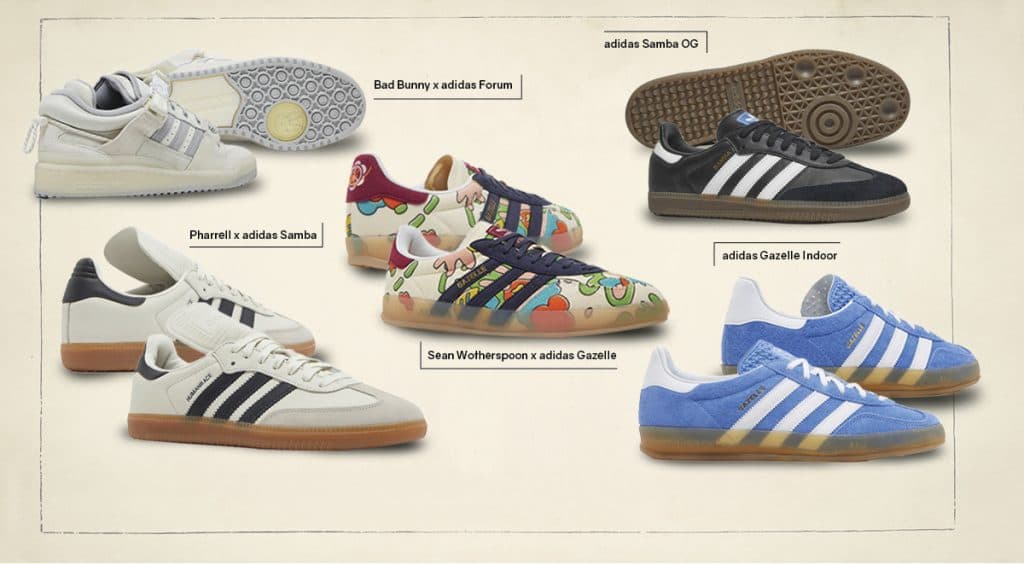
If you're the kind of person who builds outfits from the ground up, starting with shape and proportion before color even enters the conversation, a classic muted trainer is your foundation piece. These are the pairs that don't fight anything. Off-whites, bone, stone, grey, the occasional warm tan. Low-profile soles. Clean toe boxes. Minimal branding or branding that reads as texture rather than logo.
The logic here is about versatility without compromise. A well-chosen muted trainer doesn't read as a default or a fallback. It reads as intentional restraint. Stylists consistently point to this category as the highest-utility purchase in the trainer market because the cost-per-wear math is undeniable: one pair that works with tailored trousers, wide-leg denim, a midi skirt, and a tracksuit is worth three trend-specific pairs combined.
The trap in this category is confusing "muted" with "boring" and overcorrecting into something so minimal it has no character at all. The best classic trainers have a specific point of view, whether that's an interesting last shape, a subtle material mix, or a sole that has some visual weight. Look for construction details that reward close attention.
Going Bold: The Color Trainer Done Right
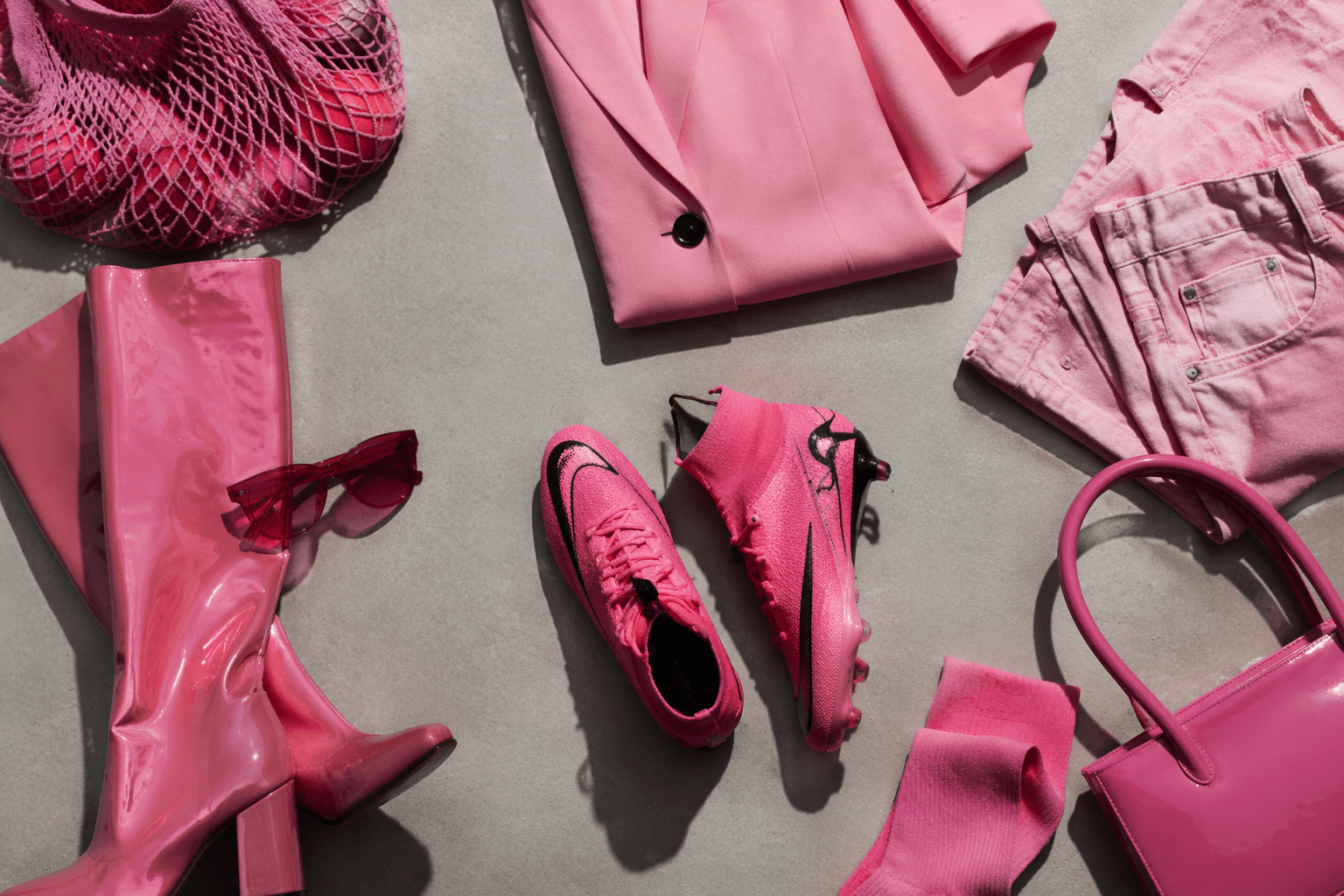
Bold-color trainers are having a specific kind of moment right now, and it's not the maximalist riot you might expect. The pairs generating real traction on streets in 2026 are saturated but disciplined: one hero color, clean execution, no competing graphics or chunky hardware pulling focus. Think a single cobalt or a deep cherry red on a low-profile runner silhouette, not a gradient explosion on a platform.
The buyer perspective in The Telegraph's guide is instructive here: the most wearable bold trainer is one where the color is doing all the heavy lifting, which means the silhouette needs to be relatively quiet. A streamlined profile in a vivid hue has a sophistication that a technically complex shoe in the same color never achieves. It's counterintuitive, but restraint in design actually amplifies color impact.
Styling a bold-color trainer requires a clear visual hierarchy. Either you're building a tonal outfit and letting the trainer be the payoff, or you're going deliberately neutral everywhere else and using the shoe as a single statement. Both approaches work. What doesn't work is competing color elsewhere in the look, which fragments the eye and reads as chaotic rather than confident.
Leopard Print: The Third Option That Changes Everything
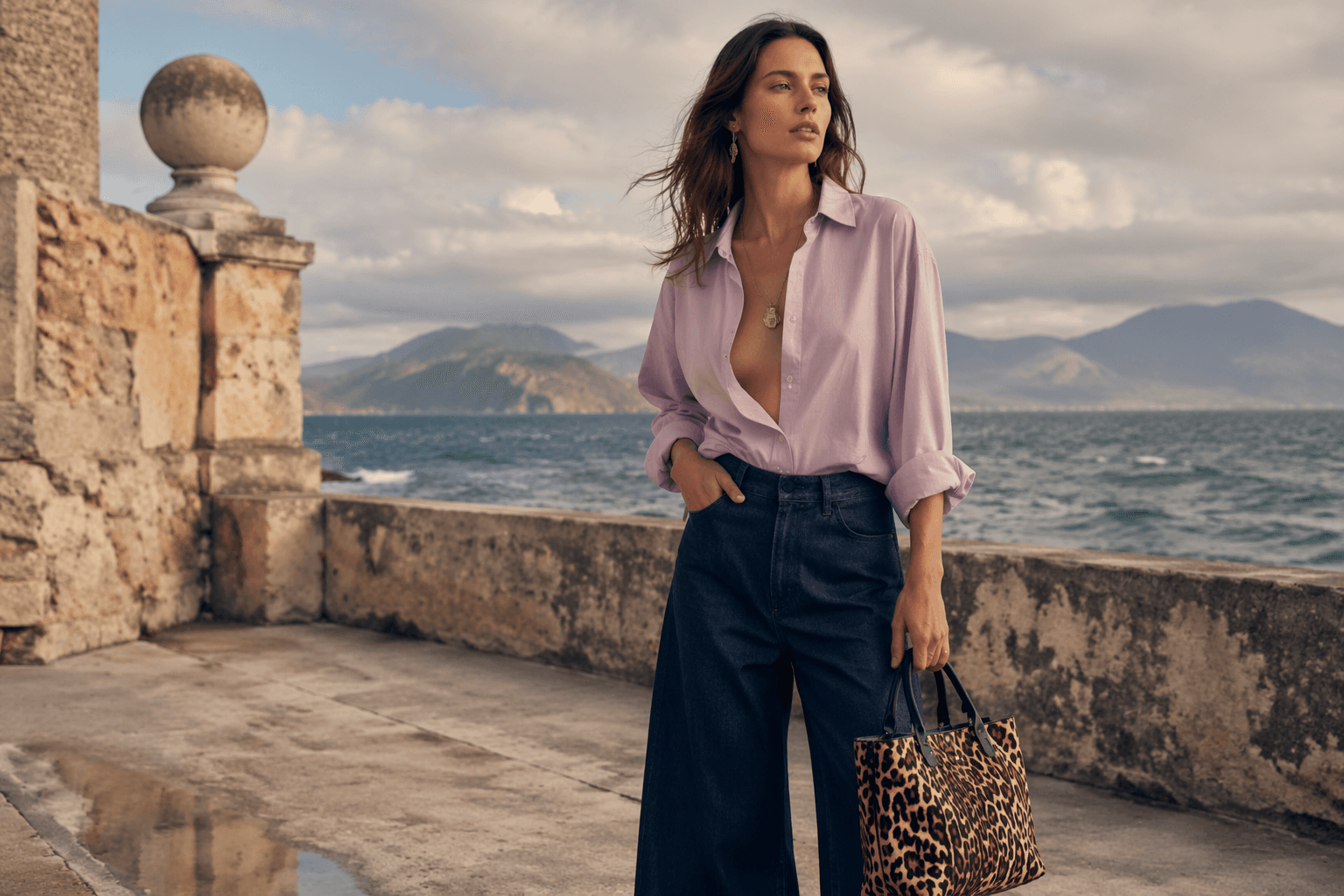
Leopard print trainers occupy a genuinely different category from either of the above, and understanding why matters if you're going to wear them well. They're not a neutral in the traditional sense, but they function like one in a sophisticated wardrobe because they're inherently pattern, and pattern has a neutralizing effect on solid colors. A leopard trainer can go with burgundy, forest green, camel, black, navy, and most earth tones without clashing, which makes them more versatile than most bold-color options and more interesting than a classic white.
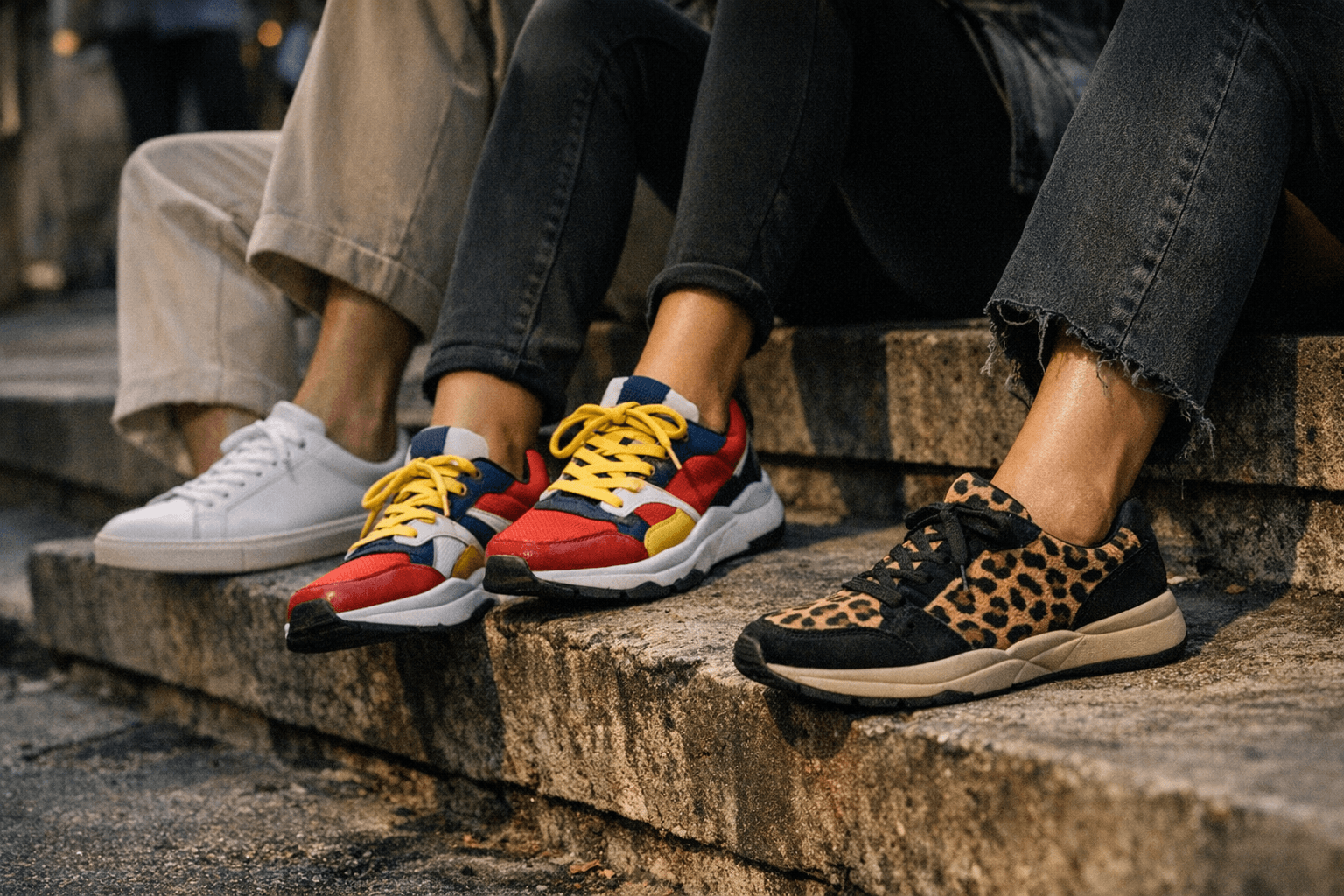
The key to the leopard trainer is proportion and scale. A tightly rendered print on a low-profile silhouette reads as polished, even refined. A large, high-contrast print on a maximalist platform reads as costume. The former works with almost everything. The latter requires a very specific, very committed outfit strategy to carry off. Most stylists advising on this category lean toward the more compressed print, particularly for buyers who want a print option that integrates across a range of looks.
Leopard also has a specific relationship with texture elsewhere in an outfit. It plays well against smooth fabrics like satin, silk, and fine wool because the contrast is interesting. It can fight with heavily textured materials like chunky knits or distressed denim if the print scale isn't calibrated right. That's not a reason to avoid it; it's just a consideration that separates wearers who understand the category from those who are guessing.
How to Actually Choose
The practical framework from The Telegraph's guide comes down to a few honest questions worth asking before you commit.
- What does the rest of your wardrobe look like? If your closet skews monochromatic and restrained, a bold or leopard trainer is going to get more use than you'd expect, because contrast is where those pairs shine. If your wardrobe is already busy with print and color, a muted classic is going to do more work for you.
- What silhouettes are you actually wearing right now? A low-profile runner in any category reads differently from a chunky retro runner. Matching the trainer's profile to the proportions you're already working with matters more than most people account for.
- Are you buying for one outfit or for a wardrobe? A very specific, very editorial choice might be perfect for a particular look but stranded when you try to extend it. The most effortless trainers are the ones you reach for without thinking, which usually means they work across at least three different outfit contexts without requiring significant reconfiguration.
One Last Thing on Fit
None of the category decisions above matter if the fit is wrong. Trainers that are half a size too big break silhouettes from the ground up and make even the cleanest look read as sloppy. The fit conversation in 2026 has also shifted toward toe box shape, with a flatter, more squared-off toe reading as modern and a very rounded or bulbous toe carrying significant dated associations. It's a small detail that lands with outsized visual impact.
The effortless trainer of 2026 is the one that disappears into your look while somehow making the whole thing better. Classic, bold, or leopard, that quality comes down to choosing deliberately rather than defaulting. The category framework is the starting point. What you do with it is the style.
This article was produced by Prism’s automated news system from verified source data, official records, and press releases, then run through automated quality and moderation checks before publishing. The system is built and supervised by the people who set the standards it runs under. Read our full AI policy.
Did this article answer your question?