Clogs Are Spring’s Most Wearable Ugly-Shoe Comeback, From Runway to Street
Clogs are spring's smartest ugly shoe: polished on the runway, worn by Zendaya and Julianne Moore, and easy to style with cropped denim or sharp tailoring.

The clog is back, and this time it looks edited
Clogs have finally found their sweet spot: enough comfort to wear all day, enough polish to look deliberate. WWD makes the case that this spring’s version is the most wearable comeback in fashion’s long ugly-shoe cycle, and that is exactly why it feels so fresh. The silhouette still has heft, but the new versions from Bottega Veneta, Zimmermann, and Simone Rocha have been refined into something closer to a wardrobe move than a gimmick.
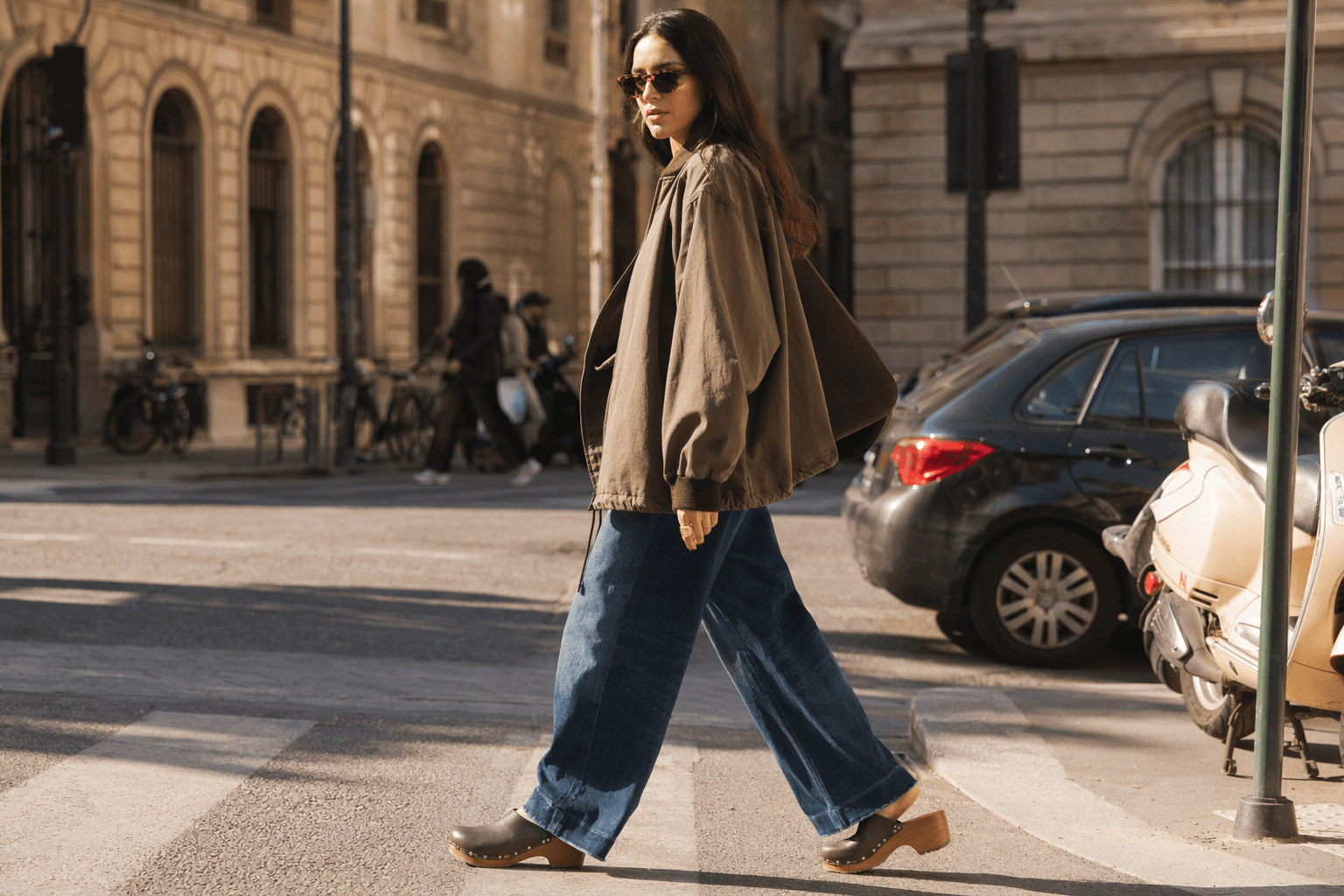
That distinction matters. The current clog is not asking you to dress down your outfit into submission. It wants contrast, a little structure, and a strong hemline, so the shoe reads as intentional rather than orthopedic. In other words, this is the season’s easiest way to look considered without looking fussy.
Why clogs suddenly feel right now
Fashion has been flirting with utilitarian, awkwardly beautiful shoes for years, from Crocs to Margiela’s Tabis and glove-like toe sneakers. What changed is the finish. The spring 2026 clog has more texture, more craftsmanship, and less novelty for novelty’s sake, which is why it lands as a real closet piece instead of a one-off runway provocation.
Coveteur traces the silhouette back to 13th-century Dutch farmers, when clogs served as work shoes, and Britannica places sabots in the broader European tradition of heavy peasant footwear, especially in France and the Low Countries. Britannica also notes that wooden-soled versions topped with leather or suede became popular again in the second half of the 20th century. That long history is part of the appeal now: the shoe has always lived at the intersection of utility and style, and this season simply sharpens the proportions.
The runway made them look luxurious, not clunky
The strongest argument for clogs this spring comes from the runway itself. Bottega Veneta showed woven leather and colorful rubber clogs with ’70s-style studs, a combination that gives the shoe movement, color, and a little edge. Zimmermann went in a retro direction with wooden platforms, while Simone Rocha pushed the silhouette into something more ornamental with PVC mule styles finished with crystal embellishments.
That variety is the key to the clog revival. One version leans tactile and artisanal, another goes all-in on vintage platform energy, and another turns the shoe into something glossy and decorative. None of them feel like a throwback in the costume sense. Instead, they look like modern clothes built around a familiar shape.
Miu Miu helped set the stage last year with low open-toe clogs in suede and patent leather from its Spring/Summer 2025 collection, which helped push the silhouette back into the trend cycle before spring 2026 really took hold. The message is clear: the clog is no longer on the fringe of fashion. It is moving through the center.
Celebrity styling has made the shoe feel normal again
If the runway showed the idea, celebrity dressing made it believable. Julianne Moore wore Bottega Veneta’s woven leather Gondola clogs at the house’s February show, which gave the shoe immediate front-row credibility. Zendaya later wore $140 Dansko clogs on the press tour for The Drama, and that low-key price point did something useful: it reminded everyone that the silhouette does not have to live only in luxury territory to look current.
Anne Hathaway was seen in Chloé’s Jeannette clogs in Milan, while Halle Berry stepped out in black studded clogs in Paris. Marie Claire reported that Berry wore Ancient Greek Sandals closed-toe clogs there on March 29, and that detail matters because it shows how quickly the style moved from runway curiosity into street-style rotation. When the same silhouette can travel from a fashion house show, to a movie press tour, to Paris sidewalks, it has clearly escaped trend-watch territory.
WWD also links the clog’s momentum to a celebrity range that stretches from Zendaya to Meryl Streep. That spread is its own kind of proof. This is not a shoe for one age group, one city, or one fashion tribe. It has crossed over.
How to wear clogs so they look intentional
The easiest way to make clogs feel chic is to let them be the statement and keep everything else clean. They work best with clothes that reveal the shoe’s shape instead of burying it. Think cropped straight-leg jeans, ankle-grazing trousers, midi skirts with movement, or tailored shorts that leave the top of the foot visible.
A few combinations make the silhouette especially strong:
- Cropped denim and a crisp shirt for an off-duty look that still feels edited.
- Wide-leg tailoring with a clean hem so the clog peeks out with purpose.
- A slip skirt or fluid midi to soften the shoe’s weight and keep the outfit from feeling heavy.
- A sharp blazer or structured knit to make the shoe read as a design choice, not a comfort default.
What to skip is just as important. Avoid puddling hems that swallow the shoe, overly slouchy sweats that turn the look into loungewear, and anything so sporty that the clog starts to look like a substitute for a sneaker. The silhouette thrives on contrast. When the rest of the outfit is too casual, the shoe loses its polish and starts to feel clinical.
The new clog formula
The reason clogs are resonating now is simple: they solve a real style problem. They give you height without a stiletto, personality without a loud print, and comfort without the blandness of a basic flat. That is a rare combination in fashion, and it explains why the trend is moving so quickly from runway novelty to everyday rotation.
For spring, the smartest ugly shoe is the one that looks like you meant it. Clogs do exactly that when they’re paired with precise proportions, a strong silhouette, and just enough contrast to keep the whole look alive.
This article was produced by Prism’s automated news system from verified source data, official records, and press releases, then run through automated quality and moderation checks before publishing. The system is built and supervised by the people who set the standards it runs under. Read our full AI policy.
Did this article answer your question?