Create a Scandinavian Capsule Wardrobe with Effortless Tonal Layers
Build a lean Scandi capsule around tonal neutrals, anchor it with a shape‑holding coat, layered textured knits, and a few considered pieces that mix endlessly.
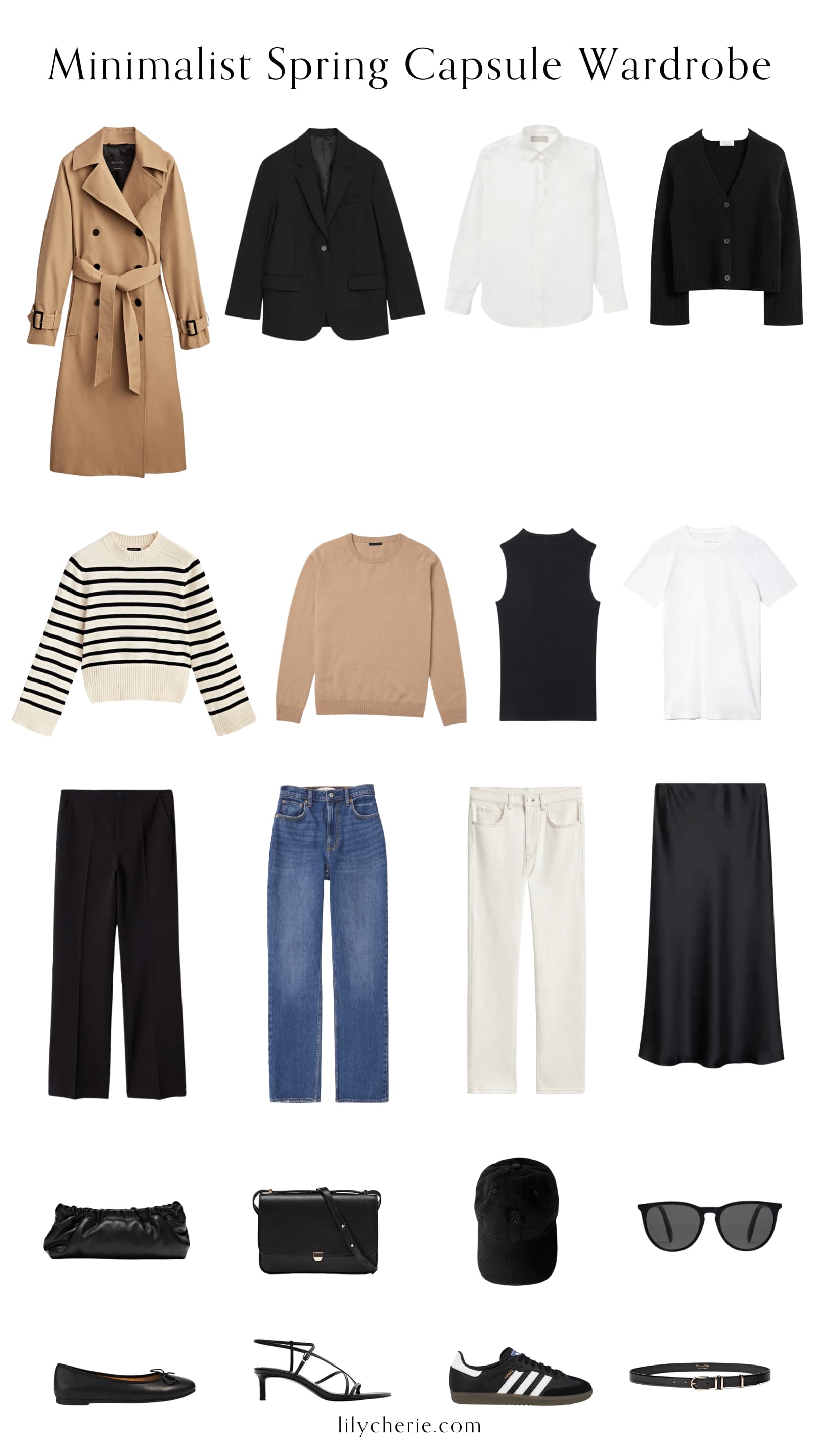
Scandinavian minimalism is deceptively curated: at first glance it reads as ease, but it’s actually architecture, clean lines, careful textures and tonal restraint. Prism News’ style guide highlights the structural elements that make a Scandi capsule read as effortlessness: a long, shape‑holding coat as an outerwear anchor; knitwear chosen for weight and texture; crisp, slightly oversized shirts; and trousers or denim that sit comfortably within the silhouette. Below is a practical, piece‑by‑piece guide to building that wardrobe and using tonal layers to make it work in every season.
1. Long, shape‑holding coat (the outerwear anchor)
A coat is the spine of the Scandi wardrobe, think a long, structured wool or wool‑blend that holds its shape and leaves room for layers underneath. Prism News specifically names “a long, shape‑holding coat as an outerwear anchor,” and Fashally likewise prescribes “coats with room for layering.” Choose a coat in camel, charcoal or cream with clean lapels and an unobtrusive closure; the silhouette should read architectural from a distance and button up without pulling when you’ve got a chunky knit beneath it. Thelist’s visuals, layering “a long coat over a crew neck tee and jeans”, show how one coat instantly turns casual into composed.
2. Knitwear chosen for weight and texture
Knitwear is the emotional center of Scandi dressing; Prism News calls out “knitwear chosen for weight and texture,” and Fashally recommends knits that “drape rather than cling.” Invest in two weights: a lightweight merino or silk‑blend crew for sleek layering, and a heavier textured piece, fisherman’s rib or chunky cashmere, for contrast. Thelist’s styling nods to wearing a “chunky knit sweater over a silk dress,” demonstrating how a tactile, heavy knit can both warm and modernize softer fabrics.
3. Crisp, slightly oversized shirts
Crisp shirts give Scandi outfits their ease; Prism News calls for “crisp, slightly oversized shirts,” and Fashally suggests keeping “1–2 shirts (button‑up or simple blouse) for smart casual options.” A white broadcloth or a soft cotton poplin in off‑white or pale blue is indispensable, let it peek from beneath knits or sit neatly under a structured blazer. Styling is simple: half‑tuck for nonchalance, buttoned and tucked for meetings, or layered under a heavy cardigan as Bistrochic suggests with its example of “a crisp white shirt under a chunky knit cardigan.”
4. Straight‑leg trousers and relaxed denim
Scandi tailoring favors proportions that read unfussy: Fashally lists “straight‑leg trousers, relaxed denim,” and includes “1 straight‑leg or relaxed trouser and 1 denim option” in its baseline capsule. Opt for a mid‑rise straight trouser in wool‑blend for work and a relaxed, dark‑wash jean for weekends. These shapes sit well under long coats and balance oversized tops; the truncated note in Prism News about trousers or denim reinforces their necessity as a grounding garment in the capsule.
5. Neutral tops as the layering base
Fashally’s baseline calls for “2–3 neutral tops (tees or long‑sleeves) as everyday base layers,” and Thelist’s examples frequently use a simple crew neck tee as the starting point. Choose breathable cotton and modal blends in black, white and cream, they’re the tonal glue that lets you swap textures and shapes without visual friction. Keep cuts boxy or slightly fitted depending on whether you want contrast with oversized outerwear or a streamlined inner silhouette.
6. A lightweight jacket for transitional days
Alongside the long coat, Fashally recommends “1 lightweight jacket,” a necessary transitional layer for unpredictable weather. This could be a cropped quilted jacket, a single‑breasted blazer in soft wool, or a puffer vest for casual days, Bistrochic even pairs “a long‑sleeve wool shirt paired with a puffer vest” as a practical layering move. A lightweight jacket expands outfit options and offers proportion play beneath a shape‑holding overcoat.
7. One versatile dress or skirt
Fashally lists “1 versatile dress or skirt (optional, depending on lifestyle),” and Thelist’s pairing advice, “Try pairing a chunky knit sweater over a silk dress”, shows why a simple dress is worth the space in your capsule. Choose a midi slip in silk‑finish viscose or a jersey dress that can be belted, layered with knits or worn alone under a long coat. A skirt in wool crepe offers the same versatility if dresses aren’t your go‑to.

8. Minimalist shoes and a structured bag
Fashally advises “1–2 pairs minimalist shoes (one everyday, one slightly dressier)” plus “1 structured bag and a small set of minimal accessories.” Scandinavian accessorizing is quiet: a leather low heel or clean white sneaker, a simple ankle boot, and a medium structured tote or crossbody. Bistrochic recommends “delicate gold jewelry, sleek leather bags, and classic timepieces” to finish looks, small details that read refined without fuss.
9. A disciplined neutral palette and material choices
“A neutral wardrobe is the backbone of Nordic minimalism,” Fashally writes, and Bistrochic echoes with “Neutral Tones – Scandinavian wardrobes are built around neutral color palettes. Think beige, gray, black, white, and soft earthy tones like camel or sage.” Embrace tonal dressing, camel with cream, gray with black, for a monochrome effect that appears considered rather than repetitive. Bistrochic’s personal note lands the feel: “I personally love the camel or cream monochrome look and always receive compliments when I wear it.”
10. Layering tactics and concrete outfit formulas
Layering in Scandi style is deliberate: Bistrochic insists “If there’s one thing Scandinavians know how to do well, it’s layering,” and Thelist gives direct formulas, “Try pairing a chunky knit sweater over a silk dress, or layering a long coat over a crew neck tee and jeans.” Follow the rule of proportion: keep inner layers streamlined and let outer pieces add volume; swap textures, silk with knit, cotton with wool, to create visual depth without clutter. Use a long shirt under a lightweight knit for a neat collar detail, or throw a puffer vest over a wool shirt for casual warmth.
11. Quality, sustainability and maintenance
“Quality is key in Scandinavian fashion,” Bistrochic states, and Thelist repeats the ethos of “Quality over Quantity.” Fashally’s guide includes “maintenance tips that support the durability and timelessness at the heart of Scandinavian fashion,” so approach purchases as investments: choose natural fibers, get knits professionally de‑pilled, store coats on wide hangers, and rotate footwear to extend life. The point is practical, care and restraint amplify the wardrobe’s longevity and its low‑effort polish.
12. Inspirations, resources and the editorial voice
To translate the capsule into a personal language, study visual cues: Thelist recommends influencers such as Freja Wewer, Pernille Teisbaek, and Sofia Grau for reference, and its pages often present product suggestions via a “[product‑carousel]” interface. Independent voices like Jennifer at Bistrochic close with a candid sign‑off, “Enjoy! Jennifer”, and include social sharing affordances such as “Click to share on X (Opens in new window) X” or “Click to share on Pinterest (Opens in new window) Pinterest,” which is a reminder that much of Scandi inspiration lives in curated micro‑edits and real‑world photos rather than trend cycles.
A Scandi capsule isn’t a uniform; it’s a toolkit. Start with Fashally’s baseline counts, 2–3 neutral tops, 1–2 shirts, 1–2 knits, a straight trouser and a denim option, an optional dress or skirt, a lightweight jacket plus a long coat, 1–2 pairs of shoes, a structured bag and a few minimal accessories, and build outward using the layering rules above. When you choose weight, texture and proportion with the same care you give fit, tonal dressing becomes effortless: every piece works in at least three outfits, and the overall silhouette reads calm, collected and quietly modern. That is the true payoff of Scandinavian minimalism.
This article was produced by Prism’s automated news system from verified source data, official records, and press releases, then run through automated quality and moderation checks before publishing. The system is built and supervised by the people who set the standards it runs under. Read our full AI policy.
Did this article answer your question?