Create Effortless Outfits with Textural Contrasts, Proportion and One Elevated Piece
Use texture, proportion and one elevated piece to make everyday outfits read effortless, intentional and quietly luxurious.
A clear styling vision drives effortless dressing: emphasize textural contrasts, balance your proportions, and let one elevated piece do the heavy lifting. That’s the trio showcased in a short-form editorial/YouTube explainer published Feb 24, 2026, a compact lesson in making simple wardrobes feel considered without fuss. Read like a front-row note from someone who watches fabric move, this guide expands those three techniques into practical steps you can wear tomorrow.
1. Pair textural contrasts
Texture is the fastest route from "I threw this on" to "I meant to wear this." The Feb 24, 2026 video opens on tactile pairings for a reason: juxtaposing matte and sheen, crisp and fuzzy, or smooth and nubby creates visual interest without pattern or color drama. Practically, pair a slubby cashmere sweater with a bias-cut silk skirt so the sweater’s fuzz meets the skirt’s satin sheen at the waist, or wear a heavyweight wool coat over a silk slip dress so the outerwear’s structure highlights the slip’s drape. Textural contrast also controls the eye: a rougher fabric grounded at the top adds weight and a satin or linen piece below adds movement, which reads instantly deliberate.
- Tip: keep colors simple when experimenting with texture; neutrals let hand, sheen and weight do the work.
- Tip: mix scales of texture, micro-rib knits with polished leather, or chiffon with chunky crochet, to avoid muddiness.
2. Balance proportions
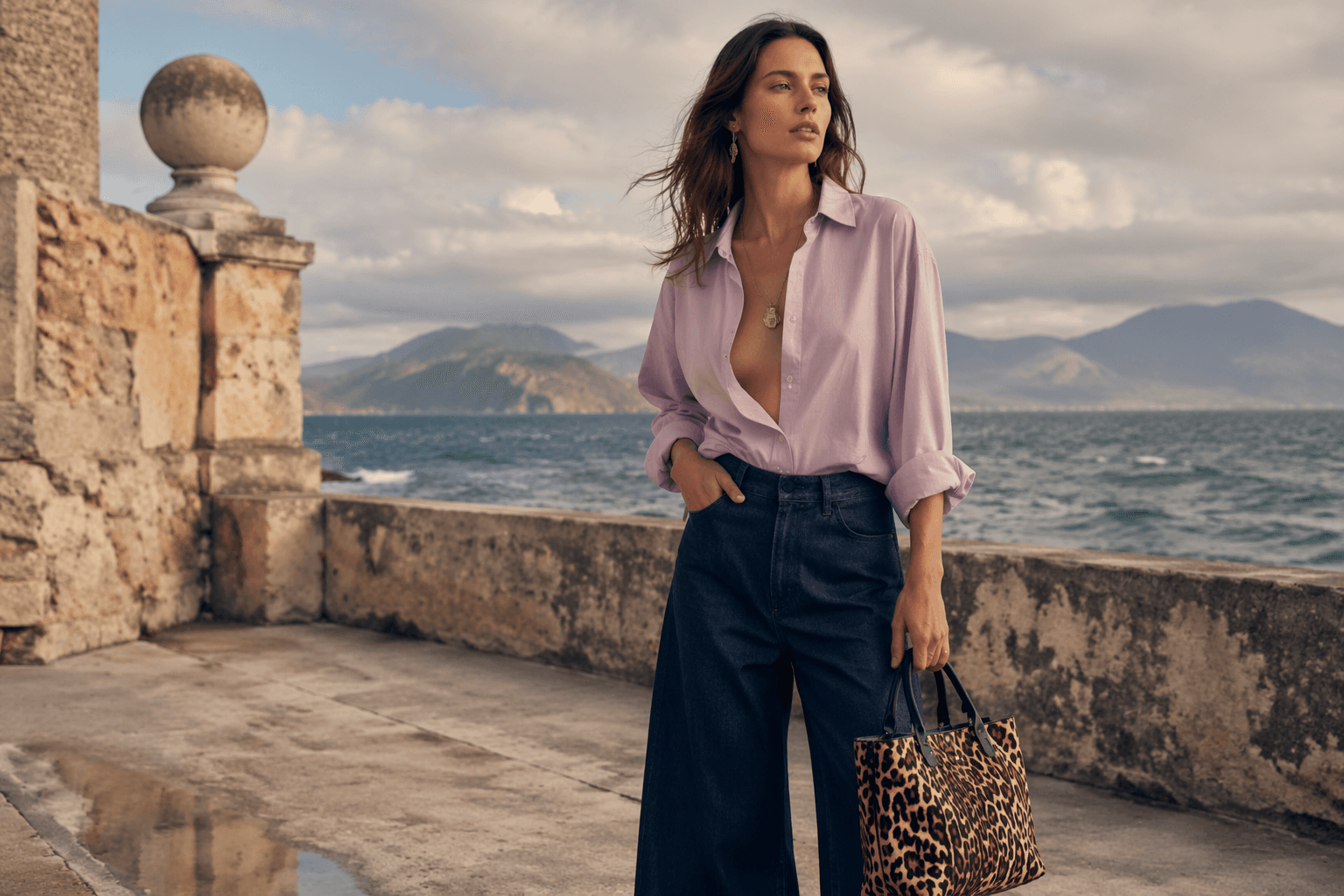
Proportion is less about rules and more about choreography: how one silhouette moves against another. The video from Feb 24, 2026 demonstrates pairing an oversized top with a cropped or tapered bottom to avoid overwhelm, and conversely pairing a fitted top with wide-legged trousers to create an elegant silhouette. When you wear a voluminous coat, cinch the waist underneath with a belt or leave the bottom slimmer to keep the line intentional; when you choose full trousers, anchor them with a close-fitting sweater or a cropped blazer to maintain clarity. These adjustments are tactile as well as visual, they control how fabric gathers and where the eye rests, which is why proportion is a practical tool for making outfits feel effortless rather than accidental.
- Tip: use one hard line (belt, seam, hem) to define where volume starts and stops.
- Tip: if you’re between proportions, favor the longer hem on bottom with a cropped or tucked top to elongate the body.
3. Use one elevated piece to lift an outfit
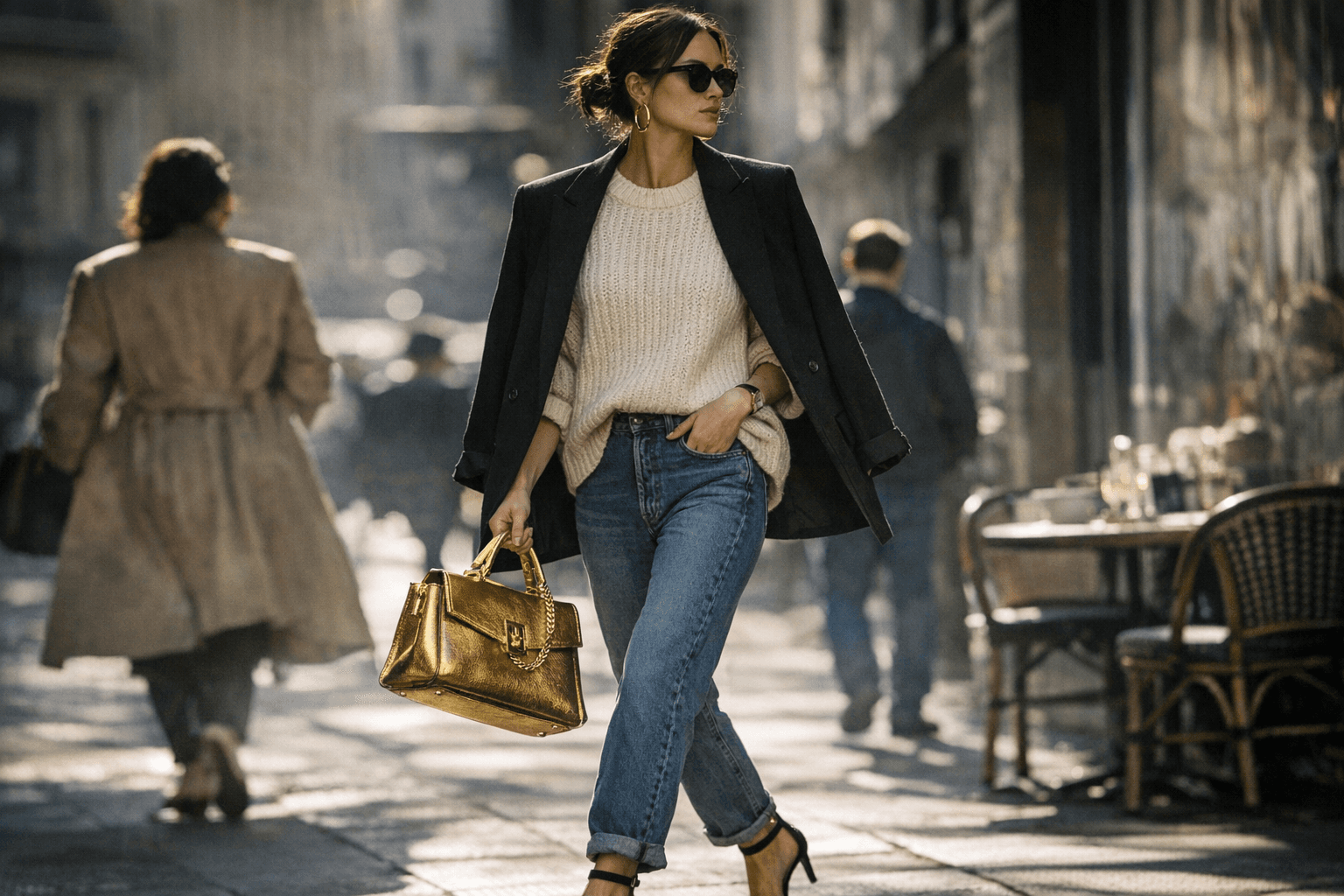
The most persuasive trick in the Feb 24, 2026 explainer is the single elevated piece: an investment jacket, a sculptural shoe, or a statement bag that turns a basic outfit into something clearly curated. The strategy is simple: build a quiet base, tee, jeans, simple skirt, then introduce a single object that has distinct craft, materiality or silhouette. A structured leather jacket with polished hardware will sharpen a cotton tee and linen pant; a pair of handcrafted loafers with a bold heel will make a monochrome slip dress read tailored. The elevated piece should contrast the base in finish or form so it reads as intentional rather than decorative.
- Tip: choose an elevated piece that complements your lifestyle, you’ll wear it more, and repetition is what makes an elevated look feel natural.
- Tip: keep accessories minimal when you rely on one standout item; let that piece have the last word.
Putting the three techniques into action
Think of these three approaches, textural contrast, proportion, and one elevated piece, as a recipe you can repeat. The Feb 24, 2026 video is an editorial primer: it demonstrates quick swaps and combinations so you can immediately test what works with your own wardrobe. Try these practical combos inspired by that lesson:
- Weekend edit: chunky rib knit + satin midi skirt (textural contrast), cropped denim jacket to define the waist (proportion), and an elevated leather crossbody with metal hardware (one elevated piece).
- Office edit: silk blouse tucked into high-waisted tailored trousers (proportion), wool-blend blazer draped over shoulders (texture + layering), and a sculptural ankle boot (one elevated piece).
- Evening edit: matte crepe slip dress (clean base) paired with an embroidered or beaded cropped jacket for surface interest (texture), keep hemlines slim (proportion), and finish with a distinctive heel or minaudière (one elevated piece).
Small habits that make the look effortless
The difference between practiced and put-on is in the details. The editorial explainer published Feb 24, 2026 shows how small adjustments, half-tucks, rolled cuffs, one-button blazers, a belt threaded through the coat loops, reinforce the three rules every time.
- Care for materials: polished leather, silk and knits read their best when fabric is maintained; a brief routine of steaming and conditioning rewards the elevated-piece strategy.
- Limit color shifts: the video favors subtle palettes so texture and proportion read cleanly; lean into this when you want an intentional, everyday refinement.
- Repeat favorites: investing in one elevated piece that you love and can rotate across outfits makes effortless dressing sustainable and immediate.
Why this approach matters now
Effortless style isn’t about hiding effort; it’s about directing it. The Feb 24, 2026 short-form editorial/YouTube explainer condenses that notion into three teachable moves, texture, proportion and a single elevated item, that scale from campus to appointment book. As someone who watches fabric hush across seats at fashion week, I can say this: the most convincing outfits are those where one detail is so considered it makes the rest feel inevitable.
Conclusion
Make texture your conversation starter, use proportion to compose the frame, and let one elevated piece be your signature. The Feb 24, 2026 explainer sketches the method; your wardrobe supplies the materials. When you practice these principles, simple pieces stop looking like they were chosen at random and begin to read as a quiet, unmistakable language of style.
This article was produced by Prism’s automated news system from verified source data, official records, and press releases, then run through automated quality and moderation checks before publishing. The system is built and supervised by the people who set the standards it runs under. Read our full AI policy.
Did this article answer your question?