Eight French Wardrobe Staples That Make Outfits Look Expensive
The Paris formula is less about labels than line, texture, and restraint. These eight staples do the quiet work of making everything else look sharper.
French style looks expensive because it refuses to try too hard. The good pieces do the heavy lifting in the cut, the fabric, and the proportions, then leave the rest alone. That is why this wardrobe always comes back to the same sharp, easy shapes.
Satin pants
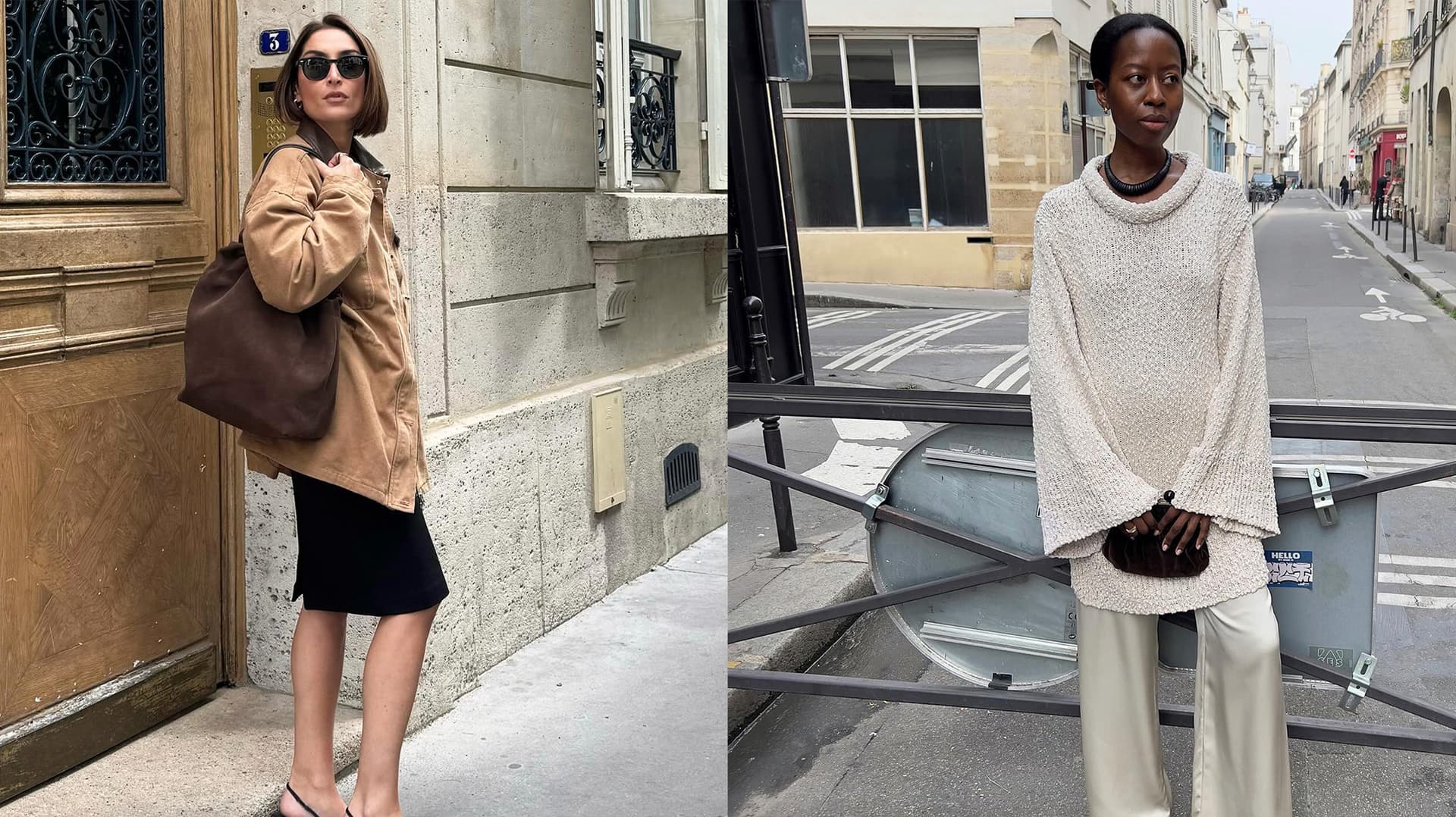
Satin pants are the kind of thing that make a simple sweater or tank look like you planned the whole outfit. The shine is doing the work, but only if the fabric drapes cleanly and skims the body instead of sticking to it. If you want the expensive effect on a real-world budget, look for a fluid leg, a decent weight, and a finish that catches light without turning glossy.
The French way to wear them is not precious. Ballet flats and loafers keep the mood grounded, which is exactly why the pants feel prettier instead of fancier in a try-hard way. The point is ease: one luxe surface, one easy shoe, and nothing else fighting for attention.
Knee-length black skirts
A knee-length black skirt can look sharper than a mini or more current than a full midi because the hem lands in that just-right zone. It gives off that effortless 90s energy that keeps showing up in Paris dressing, but it only works if the shape is clean and the fabric has enough body to hold its line. Think straight, slightly flared, or softly tailored rather than clingy.
This is also the silhouette that feels poised without feeling stiff. The best versions sit flat at the waist, skim the hip, and stop at a length that lets the shoe matter. If you are shopping on a budget, ignore anything with fussy seams, shiny hardware, or a thin fabric that collapses the second you move.
Silky slip dresses
A silky slip dress reads expensive when it moves like liquid and does not need styling gymnastics to feel finished. The cut should follow the body, not squeeze it, and the neckline should feel intentional rather than flimsy. The best ones look as good under a jacket as they do on their own, which is the whole appeal.
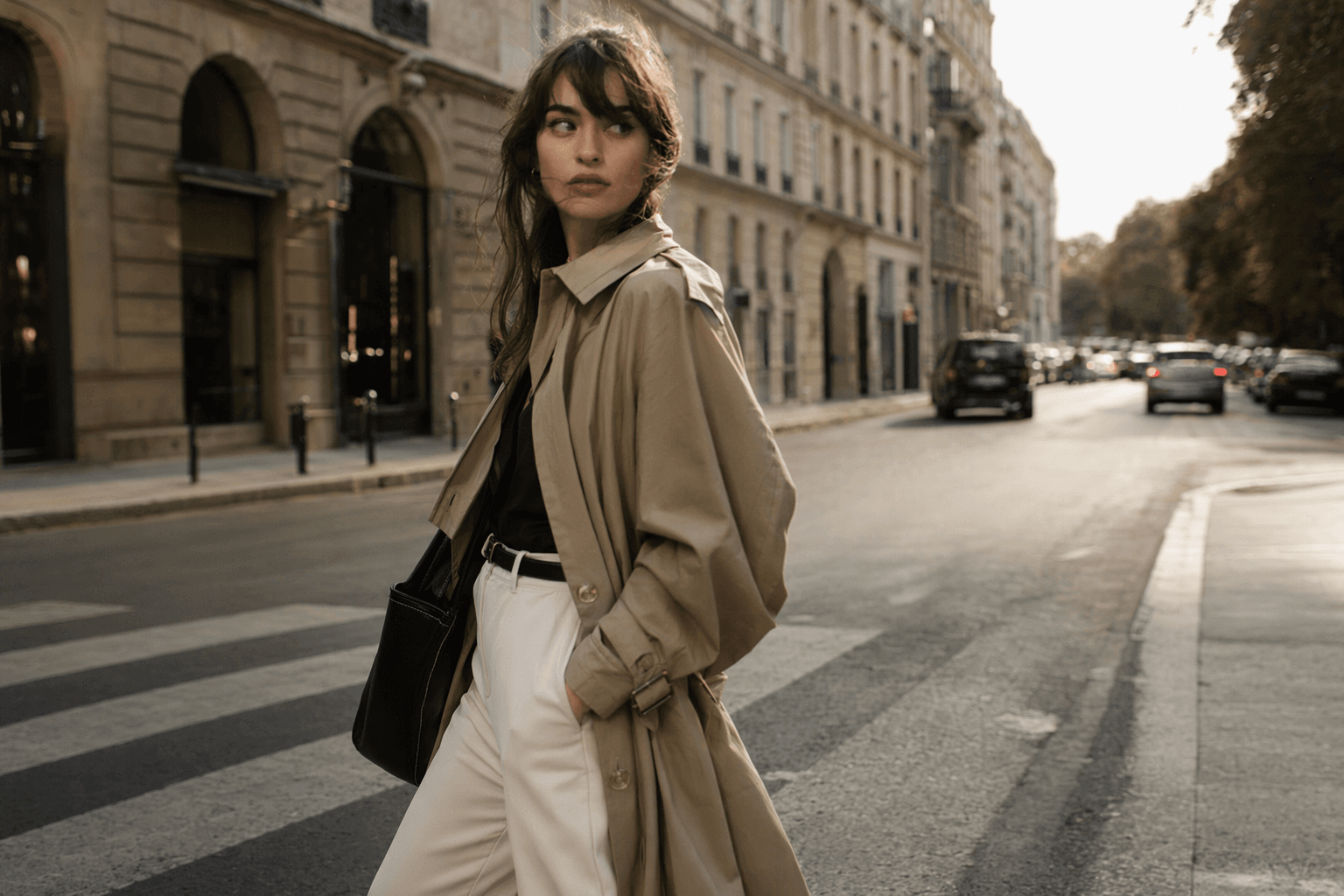
What makes this piece work in a French wardrobe is restraint. Keep the color palette narrow, the fabric soft, and the lines uncluttered, then let the sheen do the talking. A good slip dress looks like you got dressed in five minutes, which is exactly the flex.
Striped button-down shirts
The striped shirt has pedigree, which is why it never feels like a trend in the first place. The Breton stripe started in Brittany, was formalized for the French Navy in a decree on March 27, 1858, then moved from sailor uniform to civilian staple with serious cultural momentum. Coco Chanel, Pablo Picasso, Brigitte Bardot, Jean Seberg, and later Jean-Paul Gaultier all helped turn it into shorthand for French cool.
That history matters because it explains why the shirt still reads as classic, not costume. A crisp cotton version with balanced stripe width, a neat collar, and a shoulder that sits correctly will always look more expensive than a loud print or a slouchy version with no shape. If the knit or weave feels substantial, even better. The shirt should feel like a uniform, not a gimmick.
Kitten-heel mules
Kitten-heel mules are the shortcut to polish when you do not want the commitment of a full heel. The low lift gives posture, the open back keeps the shoe relaxed, and the streamlined shape makes everything from trousers to skirts feel more considered. They are one of those pieces that quietly sharpen an outfit without announcing themselves.
For the expensive look, the details matter more than the heel height. A narrow toe, smooth leather, and a slim strap or vamp will always read richer than a chunky, overworked pair. If you are buying smart, check the heel for stability and the upper for softness, because a shoe that pinches or flops never looks chic for long.
Suede jackets
Suede is one of those materials that makes even a simple outfit look like it was built with intention. The surface has that velvety depth that catches light differently from denim or leather, which is why a suede jacket instantly feels more refined. The trick is finding one with a sturdy shape so the texture feels luxurious instead of fuzzy.
Color helps here too. Camel, tobacco, deep brown, and muted taupe all look expensive because they let the material do the work without screaming for attention. The best budget versions have clean seaming, a good shoulder, and enough structure to sit away from the body instead of collapsing into it.
Woven-leather bags
Woven-leather bags telegraph craft immediately, and that is a big part of why they look expensive. The weave adds texture without clutter, and the best versions feel architectural even when they are soft. This is the kind of accessory that makes jeans and a T-shirt look edited rather than basic.
If you are shopping for one, inspect the weave, the edge finishing, and the hardware. Tight, even strips and minimal metal usually look more polished than anything overly embellished. The bag should feel tactile and intentional, like it belongs in a wardrobe that values restraint over logo noise.
White jeans
White jeans are the quiet rebellion in this whole lineup, because they keep replacing blue and black pairs even when the weather turns colder. That swap matters: white denim reads cleaner, fresher, and more deliberate, especially when the wash is crisp rather than stark. It is the easiest way to make a familiar outfit look newly considered.
The fit is everything. Look for denim with enough weight to avoid transparency, a leg shape that stays straight or slightly relaxed, and a hem that lands with purpose instead of bunching. White jeans work because they sharpen everything around them, and in a wardrobe built on restraint, that is often the most expensive-looking move of all.
This article was produced by Prism’s automated news system from verified source data, official records, and press releases, then run through automated quality and moderation checks before publishing. The system is built and supervised by the people who set the standards it runs under. Read our full AI policy.
Did this article answer your question?