Ferragamo doubles down on sustainability, rooted in heritage and innovation
Ferragamo is turning sustainability into a design language, with bio-based materials, tighter emissions targets and a heritage story that actually has receipts.

Heritage, not hype
Ferragamo’s latest sustainability push feels less like a branding pivot than a long-overdue sharpening of what the house already knows how to do best: make craftsmanship and resourcefulness look inseparable. James Ferragamo has been speaking about bio-based materials, lower emissions and the family’s continuing commitment to the business, and that matters because this is not a young label trying to retrofit virtue onto its product. Ferragamo was founded in 1927 in Florence, Italy, and the company is still framing responsibility as part of its inherited design code, not as a side campaign.
That distinction is the whole story. For a heritage house, sustainability only becomes credible when it changes the product and the operating model at the same time. Ferragamo’s case rests on exactly that overlap: materials are being rethought, emissions are being measured, and the work is being folded into formal reporting rather than left in the realm of mood boards and good intentions.
What “doubling down” means in practice
The most useful way to read Ferragamo’s sustainability language is through its five-part framework: Net Zero Emissions, Materials Innovation, Responsible Value Chain, People Empowerment and Global Communities. Those pillars give the brand a structure that goes well beyond the usual all-purpose green gloss. They also make clear where the changes should show up for a customer: in what the pieces are made from, how they are produced, and how the house talks about accountability.
The clearest product signal is the Back To Earth capsule collection, which Ferragamo says features organic, bio-based and innovative materials. That is the sort of wording that actually gives fashion people something to look at: not just softer language, but a tangible shift in fiber choices and material sourcing. If the capsule succeeds, the customer should notice less about a slogan and more about a different hand, texture and material logic in the clothes and accessories themselves.
The emissions targets are the real test
Ferragamo’s science-based targets, approved by the Science Based Targets initiative, put hard numbers behind the rhetoric. The company says it is aiming for net-zero greenhouse gas emissions by 2050. By 2030, it says it will cut absolute Scope 1 and 2 emissions by 42 percent from a 2023 base year, and reduce absolute Scope 3 emissions by the same 42 percent from that base year.

There is more embedded ambition in the details. Ferragamo also says it is targeting a 30.3 percent reduction in Scope 3 FLAG emissions by 2030, again from a 2023 base year, and has committed to no deforestation across its primary deforestation-linked commodities by December 31, 2025. Those are the kinds of targets that separate a polished sustainability story from an operational one: they deal with supply chains, land-use risk and the emissions that sit beyond a company’s direct control.
Why the material story matters to shoppers
For readers, the most relevant question is not whether Ferragamo can say “sustainable” with more confidence. It is whether that effort changes the wardrobe in ways you can actually feel, wear and justify. Bio-based and organic materials suggest a move toward a more disciplined material palette, one that could alter the weight, finish and tactile quality of the final product without sacrificing the precision expected from a house with Ferragamo’s reputation.
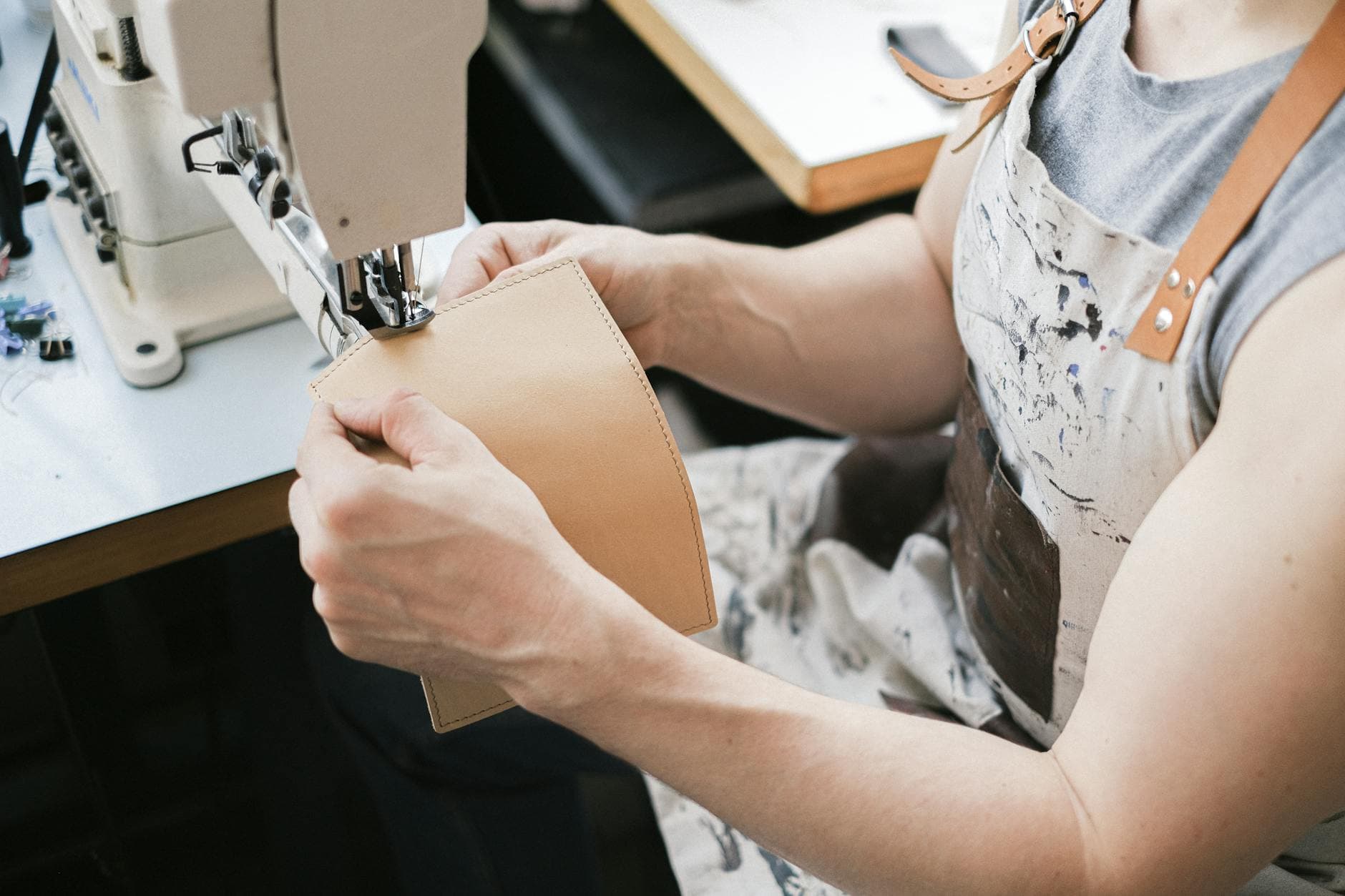
This is where heritage becomes an asset rather than a talking point. A brand known for construction, leatherwork and exacting finishing has more credibility than most when it argues that resourcefulness is part of good design. Sustainability feels more convincing when it looks like an extension of craftsmanship, not a trade-off against it.
The institutional proof points are piling up
Ferragamo is also giving the sustainability story institutional weight. The company says it ranked among the top 10 Italian companies, and first in the textile sector, in Europe’s Climate Leaders List by Financial Times and Statista. It also points to earlier and often overlooked markers of continuity, including adherence to the Ellen MacArthur Foundation’s Make Fashion Circular initiative and participation in the Italian Alliance for Circular Economy.
Then there are the built-environment details, which tell you a lot about how seriously a luxury house takes its own claims. Ferragamo says the Q Building at its Florence headquarters earned LEED Platinum certification, and that the Salvatore Ferragamo Museum became the first Italian Green Company Museum under ISO 14064. Those are not decorative facts. They show the brand has been extending environmental thinking into its real estate, cultural footprint and institutional identity.
Why the annual reports matter now
Ferragamo’s sustainability push looks more credible because it is now being tracked in formal reporting. The company says it published its 2024 Annual Report on April 16, 2025, and its 2025 Annual Report on March 31, 2026. That matters because reporting cadence is where a luxury promise either hardens into governance or dissolves into campaign language.
The timing also suggests a house treating sustainability as part of the business calendar, not an occasional communications flourish. When environmental targets are tied to annual reporting, they become visible to investors, analysts and customers who increasingly know the difference between polished messaging and measurable progress.
The bigger style read
Ferragamo’s advantage is that it does not have to invent a sustainability narrative from scratch. Its history in Florence, its roots in 1927 and its long association with Italian craft give it a foundation that can support a more exacting version of responsible luxury. The brand’s challenge is to keep proving that its environmental language changes the product, not just the press materials.
If the Back To Earth capsule is the first visible sign, the emissions targets are the harder evidence. Together, they suggest a house trying to make sustainability feel like better design: cleaner material choices, a more disciplined supply chain and a stronger case that luxury and responsibility do not have to live in separate drawers.
Know something we missed? Have a correction or additional information?
Submit a Tip

