Gen Z Embraces Korean Minimalism This Spring 2026 for Effortless Chic
Gen Z reframes Korean minimalism as soft pastels, satin slips, and precise tailoring, an accessible, wearable "effortless chic."
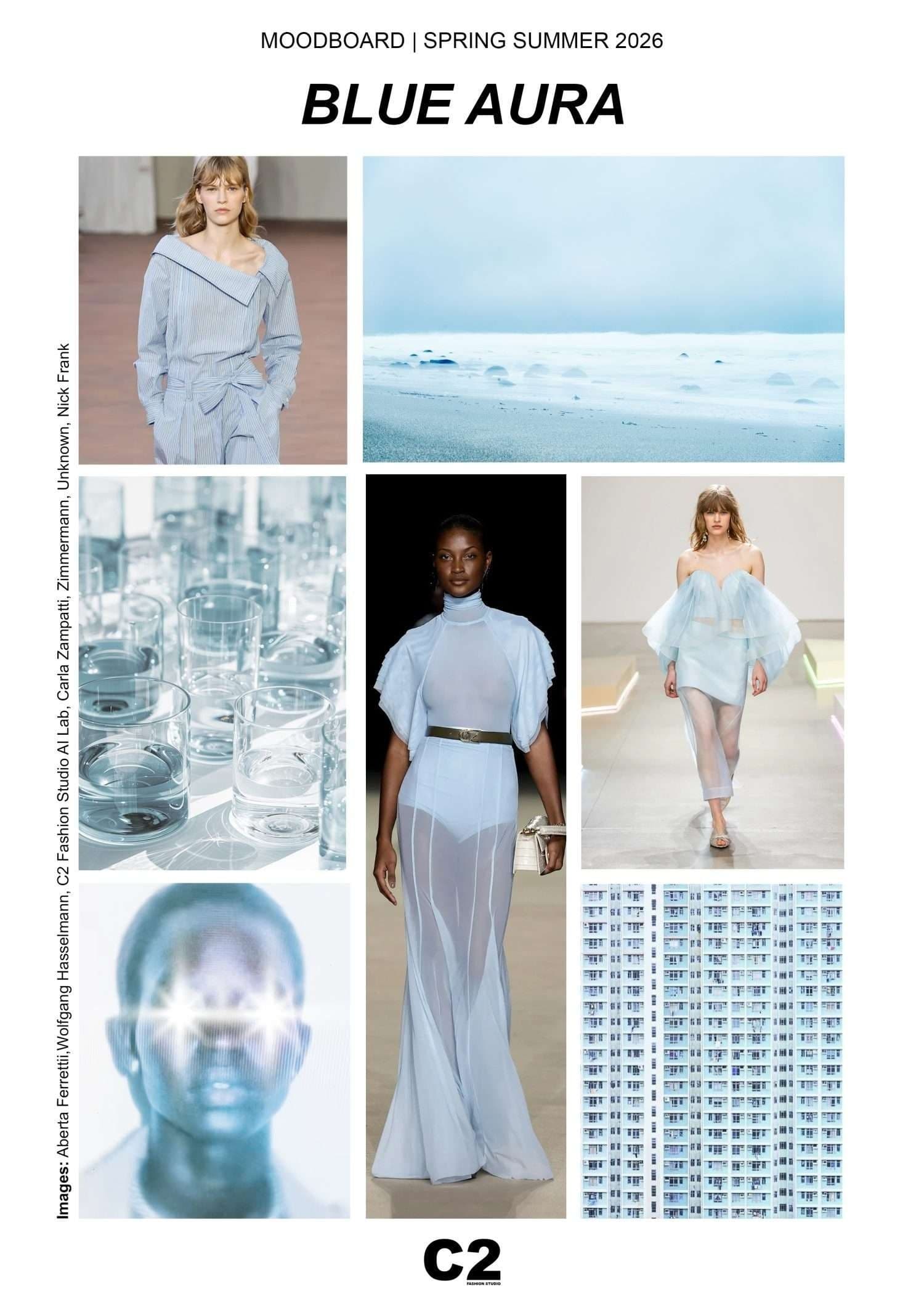
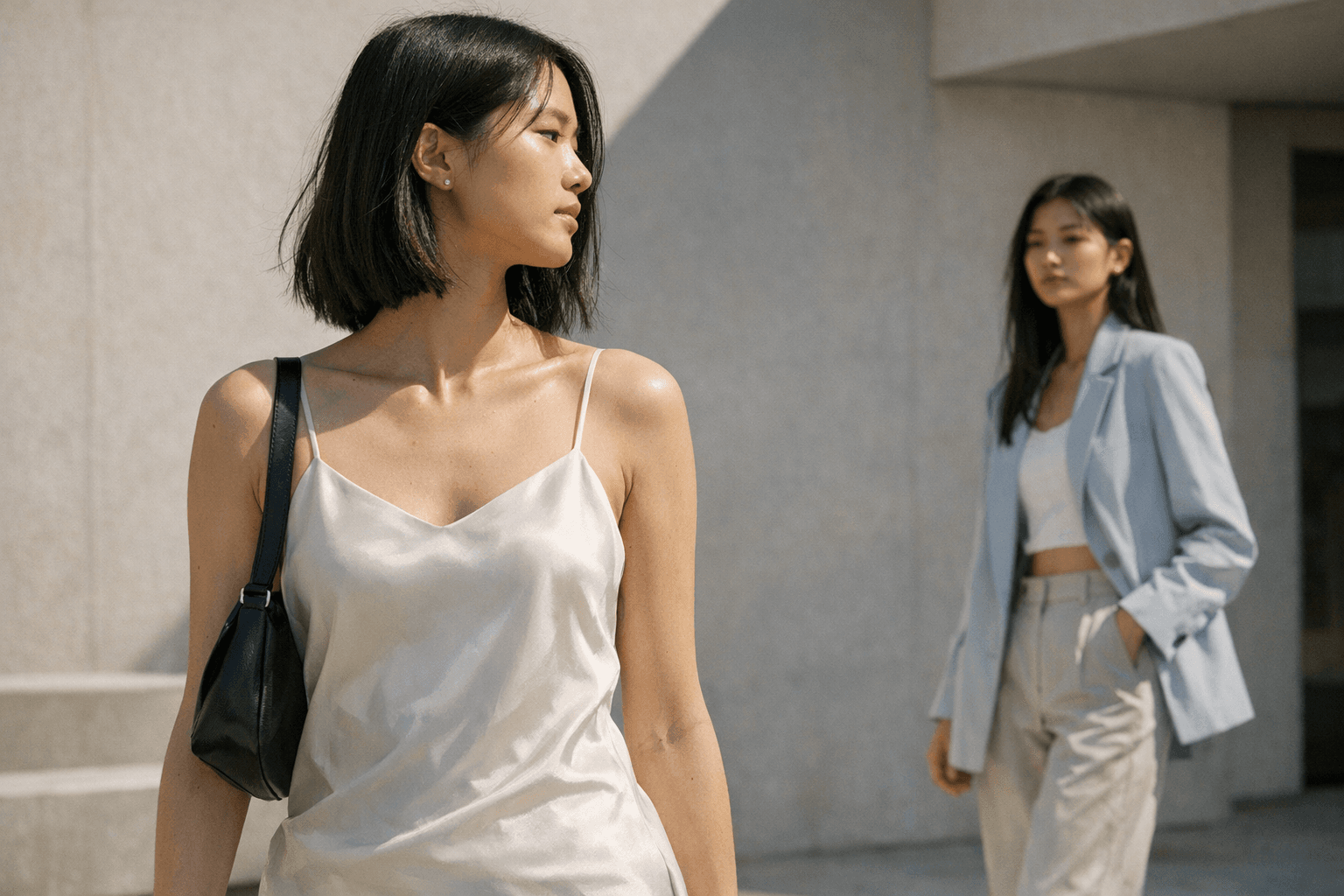
Contemporary Korean minimalism has been quietly retooled by Gen Z into an approachable, wearable shorthand of "effortless chic." Walkable silhouettes, muted pastels, and careful tailoring combine with a whisper of romance to create a spring wardrobe that reads calm, curated, and quietly confident.
1. Signature minimalist components
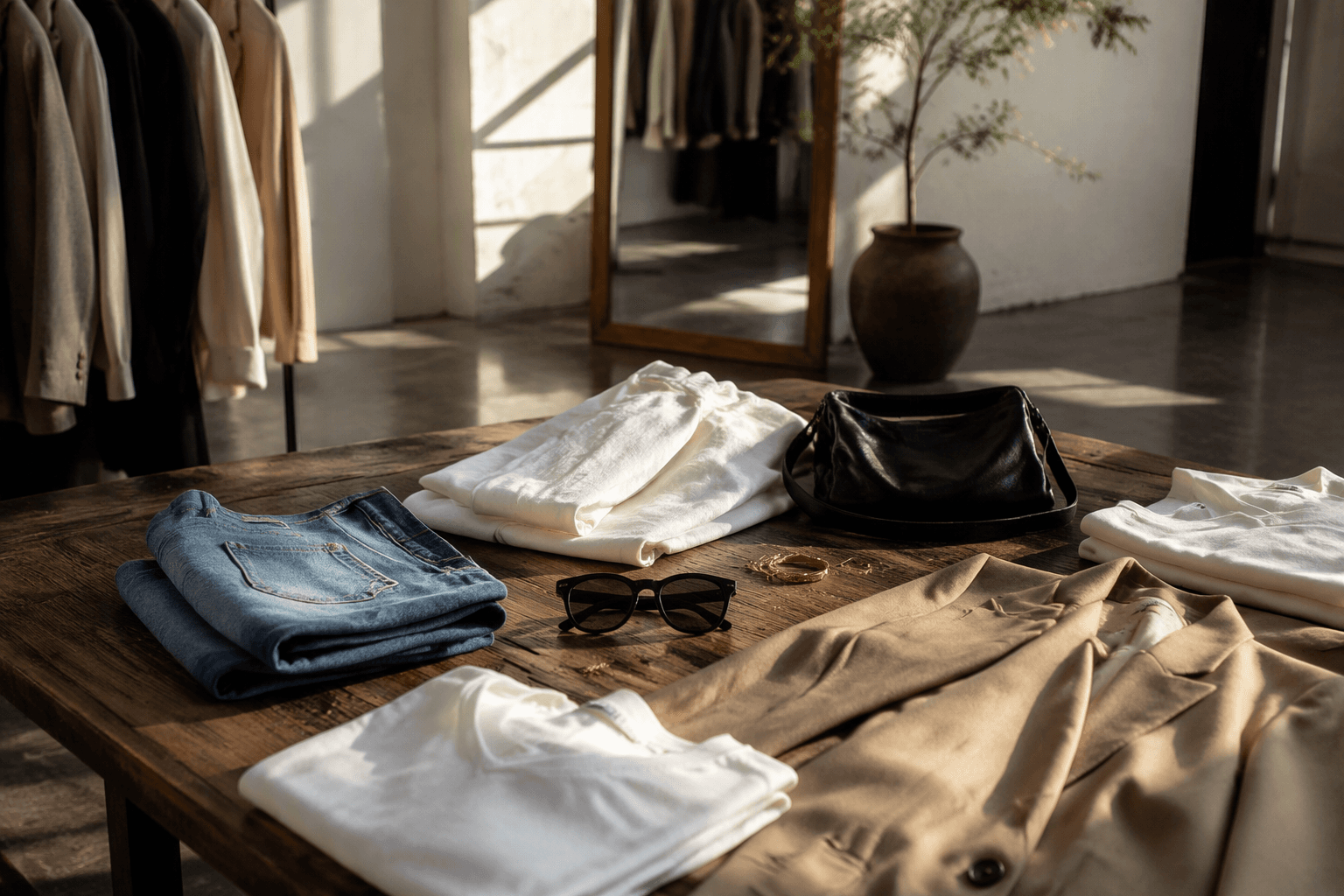
Contemporary Korean minimalism centers on clean silhouettes, muted palettes, and what the reporting frames as precise tailoring, this is the architecture of the trend. Minimal slip dresses, described explicitly as simple silhouettes in satin with clean lines, are the wardrobe’s backbone, offering a satin sheen that reads polished without fuss. The look intentionally avoids bright neons; the repeated guidance is to "stick to soft tones" for cohesion.
2. Modern hanbok and the new language of tradition
Modern hanbok appears as a soft, wearable rework of ceremony into everyday elegance: "Unlike the heavy ceremonial hanbok, modern versions are wearable for parties, cultural events, and even casual photoshoots." Designers and stylists favor pastel palettes, lavender, mint, baby pink, and cream, so the silhouette reads contemporary rather than costume. Styling stays low-key: "Pair with delicate flats or low heels and minimal jewelry to keep the look elegant and graceful," which preserves the hanbok’s grace while making it practical for spring social calendars.
3. Romantic minimal: puff sleeves, lace and slip dresses
"Puff sleeves remain one of the strongest Korean fashion trends." Puff-sleeve mini dresses are trending in cotton, satin, and chiffon, creating a youthful, slightly princess-like silhouette that still plays within a minimalist color story. Romantic lace and sheer dresses, with sheer sleeves, delicate embroidery, and layered skirts, are earmarked for parties, formal dinners, and engagement events; soft tones such as blush pink, ivory, and champagne are explicitly favored. Minimal slip dresses, again, serve the pared-back counterpoint: their satin textures and simple lines let fabric and cut do the talking.
4. A practical styling playbook Gen Z can actually wear
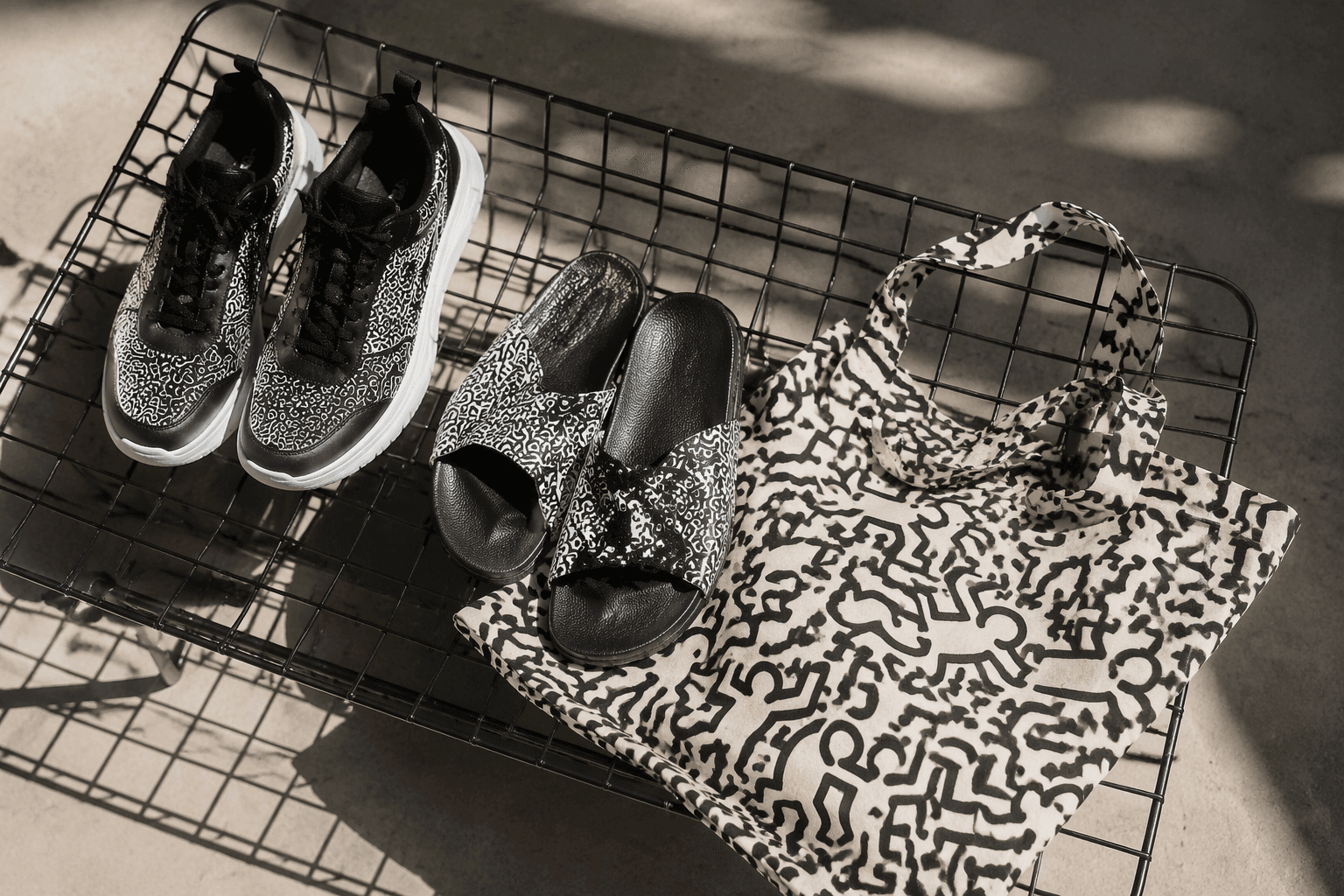
Across trend notes the styling commandments repeat: "Keep accessories minimal" and "Prioritize Fit and Comfort." Practical guidance includes layering with cardigans, blazers, or lightweight jackets and pairing a crossbody bag with simple sneakers for everyday dressing. For puff sleeves, lace, or hanbok-inspired looks the repeated advice is to choose neutral or pastel colors, keep jewelry small, and prioritize breathable fabrics and good tailoring so pieces feel intentional rather than costume-like.
5. The parallel universe: K-pop’s "Refined Maximalism"
Alongside the minimalist current sits a bold K-pop-led register: "K-Pop fashion in 2026 has officially entered the era of 'Refined Maximalism.'" That movement lists Liquid Metallics, Modular Tech-wear, and the sculptural Balloon Silhouette as dominant runway and stage signals, while calling out a broader shift toward Eco-Futurism and gender-fluid tailoring. The coverage is explicit: "In 2026, the binary in fashion has completely dissolved within the K-Pop industry," with male idols frequently seen in lace, pearls, and cropped blazers and female idols leading the trend for "Power Suits" and masculine silhouettes. Theapparelfactory’s analysis concludes that K-pop’s moment is about individuality and balance: mix the futuristic with the sustainable, the bold with the functional.
6. Where Gen Z looks and shops: community, apps, and department stores
A snapshot of youth behavior comes through the r/seoul community UI: primary sources of fashion inspiration are listed as K-pop idols/celebrities, social media (Instagram, TikTok), fashion magazines, and street observation. Monthly spending bands are explicit, Under $100; $100–$300; $300–$500; Over $500, while the platforms Gen Z uses most for shopping include Musinsa, ZigZag, Ably, Lotte and Hyundai department stores, offline local shops, and global brands such as Zara, H&M, and Uniqlo. Those options map a hybrid shopping habit: aspirational visuals on social, purchases across local apps and department stores, and the occasional global high-street buy.
7. Visual signals: runways, celebs, and Pinterest mood cues
Runway and celebrity imagery anchor the aesthetic: Whowhatwear stitches a Gen Z celebs collage, Lily-Rose Depp, Emma Chamberlain, PinkPantheress, Alex Consani, paired with items like Reformation Inez Pumps and Zara’s Multi-Positional Plaid Shirt. A spring/summer 2026 capri blue showed up on runways at Tory Burch, Versace, Chloé, Ashlyn, and Victoria Beckham, giving minimal palettes a bright, editorial counterpoint. Pinterest metadata amplifies the mood, tags such as Librarian Core Outfit, Kdrama Fashion Outfits, Neat Casual Outfits, Modest Girly Outfits, and Chic Beige Formal Skirt point to a sustained appetite for modest, elegant, and K-drama-inflected looks that blend vintage references with office-ready tailoring.
8. Fabrics, fit, and production: why quality matters now
Fabrics and texture choices read like practical signposts: cotton, satin, and chiffon for puff sleeves; satin for slip dresses; romantic lace and delicate embroidery for evening. The emphasis to "Prioritize Fit and Comfort" dovetails with industry signals that "fast fashion is fading as 2026 consumers look for quality over quantity." There’s a measurable shift toward private-label quality and small-batch production as shoppers gravitate to pieces with high-quality stitching and materials that last, an economic behavior that reconciles minimalist wardrobe thinking with longer-term investment pieces.
9. The commerce clutter: promos and product prompts to expect
As Gen Z moves between inspiration and purchase, expect the usual e-commerce calls-to-action to appear in editorial contexts, phrases like "You Want This Product: CLICK HERE" crop up in lifestyle pages. Promotional fragments also pepper trade coverage: one site even offers "Get 10% OFF on your favorite brands... Use Code: TAF10." and lists a support contact at +1-800-316-9833. These commercial touches are reminders that editorial clarity and curated shopping experiences matter when a minimalist capsule is your goal.
10. How to translate this into an effortless capsule for spring
Start with these practical building blocks: a satin slip dress in cream or blush; a cotton puff-sleeve mini in pastel or neutral; a delicate lace dress for reserved occasions; a modern hanbok piece in mint or lavender for dressier weekends; and a sharply tailored blazer dress or structured outer layer in beige or camel. Add one pair of simple sneakers, a crossbody bag, and two pairs of minimal shoes, delicate flats and low heels, to cover flats-to-dinner transitions. Keep accessories small; let tailoring and fabric speak.
Conclusion Gen Z’s turn to Korean minimalism for spring 2026 is less about a rigid formula and more about the discipline of restraint: soft palettes, satin and lace textures handled with precise tailoring, and styling that privileges comfort and refinement. Against the louder spectacle of K-pop’s "Refined Maximalism," minimalism offers a quiet, versatile alternative, one built to be lived in, layered, and loved beyond a single season.
This article was produced by Prism’s automated news system from verified source data, official records, and press releases, then run through automated quality and moderation checks before publishing. The system is built and supervised by the people who set the standards it runs under. Read our full AI policy.
Did this article answer your question?