Harris Tapper elevates minimalist basics for work, travel and evening
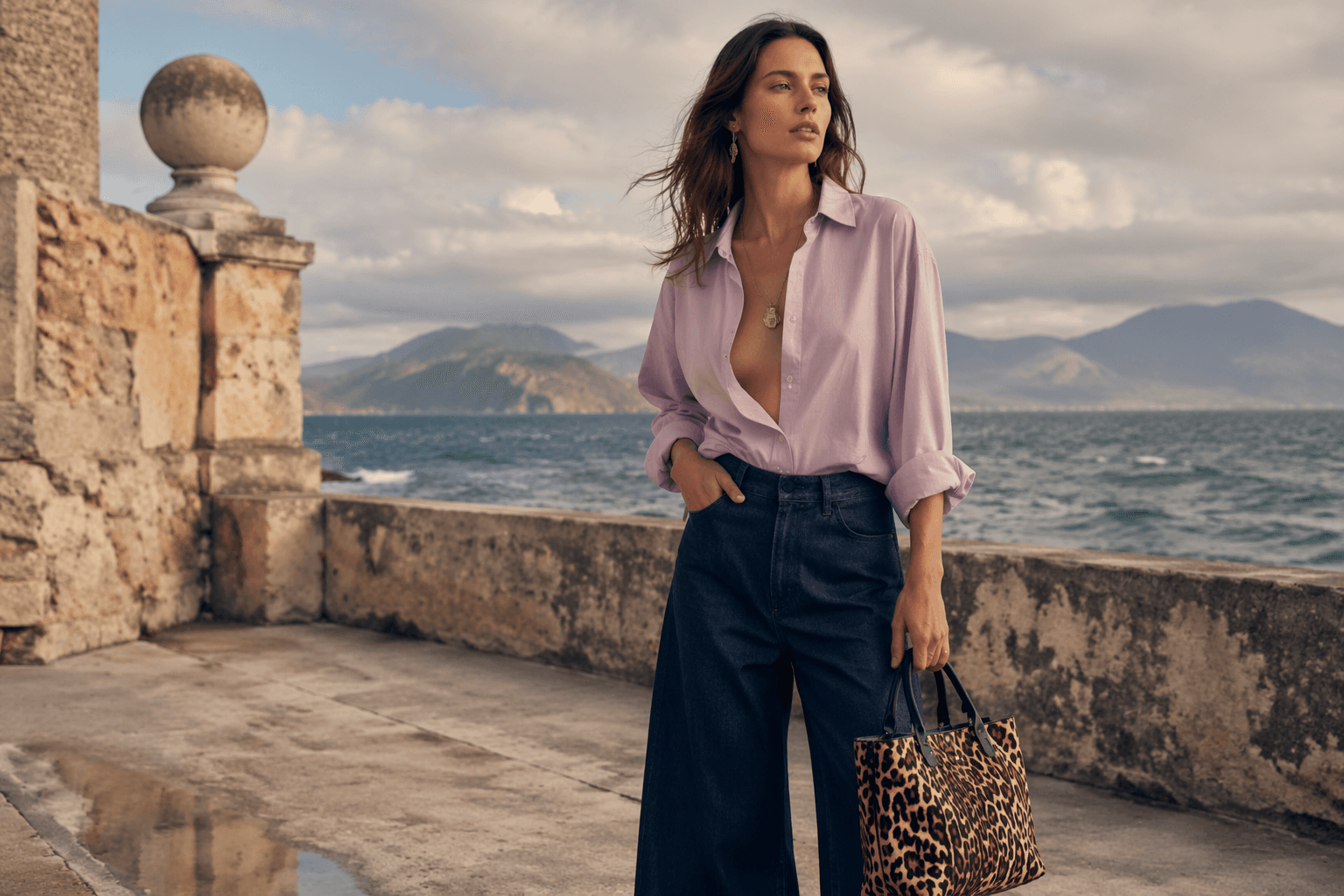
Harris Tapper sits in fashion’s sweet spot, turning minimalist shirting, sharp trousers and a Jennifer Lawrence-approved citrus set into a wardrobe that moves from desk to dinner.

Between disposable fast fashion and four-figure luxury, Harris Tapper has built the middle tier that shoppers actually keep wearing. The brand’s pre-fall 2026 collection, now live, uses Victorian mourning-era dressing as its moodboard, turning austerity into polished shirting, tailored trousers and evening-ready separates. That combination is the point: the clothes look considered, but they still behave like a wardrobe.
Why the middle tier is suddenly the smartest place to shop
The strongest argument for Harris Tapper is not that it is minimal. It is that it understands what modern polish actually costs and what it is worth. The label is often framed as a minimalist lover’s dream with under-$200 entry pieces, yet its current collection page shows prices ranging from about $239 AUD to $889 AUD, with the Gibson Long Sleeve T-Shirt at $239 AUD and trousers and jackets climbing to $889 AUD. That puts it in a useful zone, above disposable basics and well below the kind of luxury pricing that can make a clean shirt feel like an event.
That positioning matters because so many women now want one wardrobe that can survive work, travel and evening without a change of personality. Harris Tapper answers that brief with refined trousers, elevated basics and sharp outer layers that read as professional without feeling severe. Even the naming has a quiet character to it, with pieces such as Harry, Ophelia, Ezra and Dalton giving the line a sense of cast rather than clutter.
From a 12-piece shirt capsule to a full wardrobe
Harris Tapper began in 2017 when Sarah Harris Gould and Lauren Tapper, who met while working together for a global clothing brand in New Zealand, launched a 12-piece capsule of tailored shirts. They saw a gap for high-quality, directional women’s shirting at an accessible price point, and that original focus still shapes the brand’s logic. The expansion into other categories came only as demand grew, which explains why the line still feels anchored in shirting discipline even when it moves into trousers, jackets and softer everyday pieces.
That origin story also explains the brand’s appeal to shoppers who want clothes with a little authority. Harris Tapper is built for modern professional life, and its best pieces carry the clean, self-possessed energy of someone who knows exactly what she is wearing and why. FashioNZ has long treated the label as a go-to for women who prefer that quiet kind of confidence, and the brand’s growth has been steady rather than noisy.
A 2020 conversation on the brand site is revealing because it shows the founders still publicly building the story several years after launch. By then, the label was already beyond the one-note startup phase, but it was still close enough to its beginnings to make the brand feel personally authored rather than manufactured by a corporate marketing machine. That same intimacy gives Harris Tapper an edge over bigger labels that can produce a similar silhouette but not the same sense of conviction.
What Victorian mourning dressing looks like when it is made wearable
Pre-fall 2026 is where Harris Tapper sharpens its point of view. The collection’s Victorian mourning-era reference could easily veer theatrical, but here it serves as a tightening device, giving the clothes more discipline, more darkness and a little more drama around the edges. Instead of costume, the result is restraint with texture, the sort of mood that makes a plain shirt or tailored trouser feel newly charged.
That is what distinguishes the collection from the bland minimalism that floods the market every season. Harris Tapper does not rely on neutrality alone; it uses silhouette and tone to give the clothes some atmosphere. The brand’s site presentation for pre-fall 2026 shows how the label is thinking about clothes as a sequence of functions, not a pile of trend-led buys, which is why the same wardrobe can plausibly carry you from a morning meeting to a late dinner.
The pieces work because they are specific. A long-sleeved T-shirt at $239 AUD is not cheap in the fast-fashion sense, but it is inexpensive enough to function as an entry point into a designer-coded wardrobe. A jacket or trouser at $889 AUD asks for a more serious purchase, yet the cost makes sense if the cut earns repetition across a work week, a flight and an evening out.
The celebrity moment that made the brand easier to read
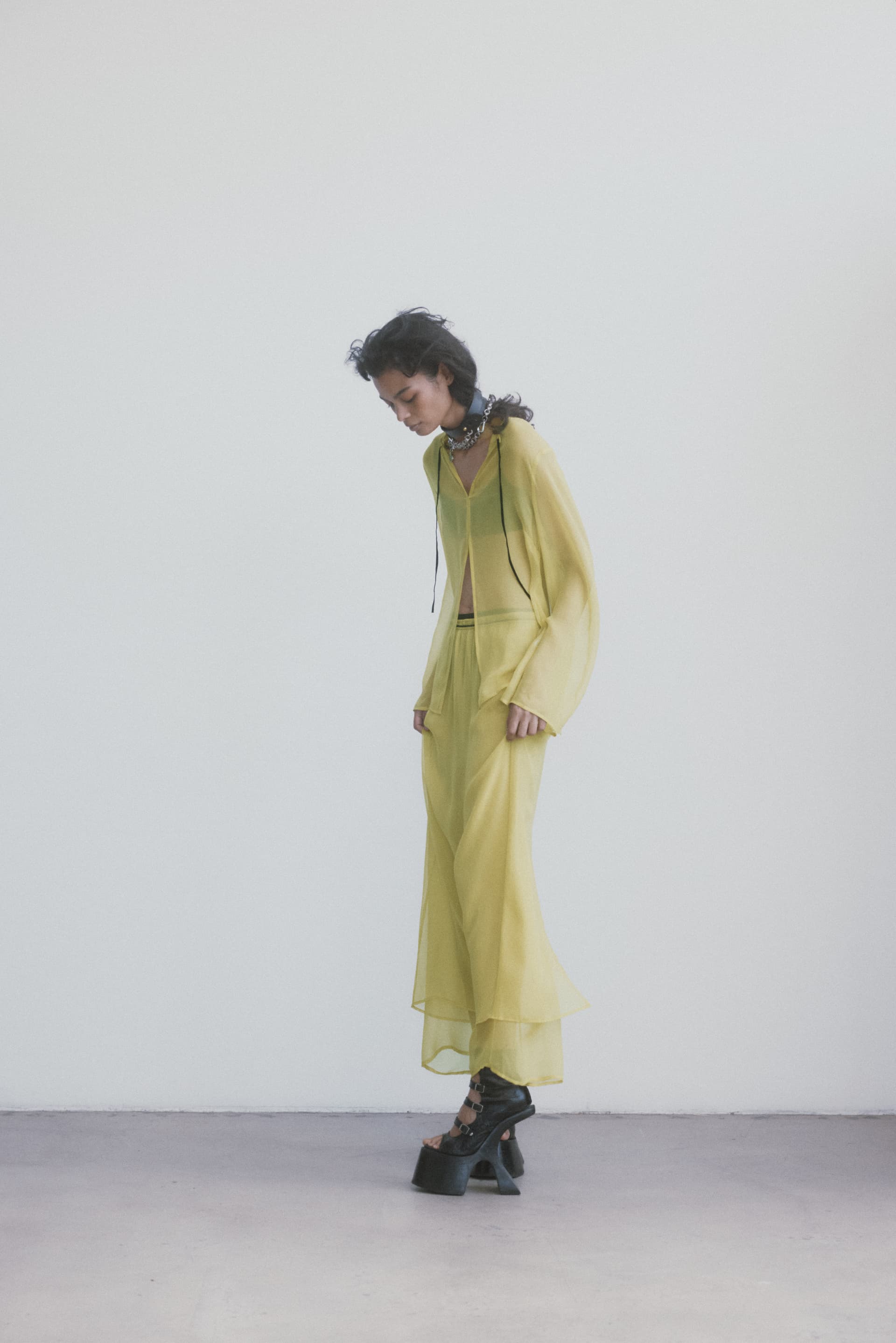
Jennifer Lawrence helped turn that aesthetic into something instantly legible in May 2026, when she wore a sheer citrus set from Harris Tapper. The look did what the best fashion placements do: it made the brand’s minimalism feel less abstract and more visual. A citrus tone, cut through sheer fabric, gives the label a little electricity without abandoning its polish, which is exactly why the image travels well.
That public moment matters because Harris Tapper has always needed to be understood as more than a label for neutral shirts. Its appeal lies in the way it can pivot from tailored to sensual, from office-friendly to after-hours, without losing coherence. Jennifer Lawrence in that citrus set showed the brand can hold color, transparency and celebrity visibility while still reading as controlled.
The label’s next milestone reinforces that trajectory. Its inaugural runway show at New Zealand Fashion Week 2025 marked a major step for a brand that built its reputation through product first, then widened the frame once the clothes had already done the talking. Harris Tapper now looks less like a niche New Zealand success story and more like a case study in how affordable polish wins: by giving shoppers something better than throwaway basics, and more grounded than luxury theater.
This article was produced by Prism’s automated news system from verified source data, official records, and press releases, then run through automated quality and moderation checks before publishing. The system is built and supervised by the people who set the standards it runs under. Read our full AI policy.
Did this article answer your question?