How Postwar Workwear Tailoring and Rigid Editing Shape Parisian Effortless Style
Postwar workwear tailoring and the discipline of wardrobe editing converge in a Parisian code: navy cashmere crewnecks, one tailored piece per look, and buying about five pieces a season.
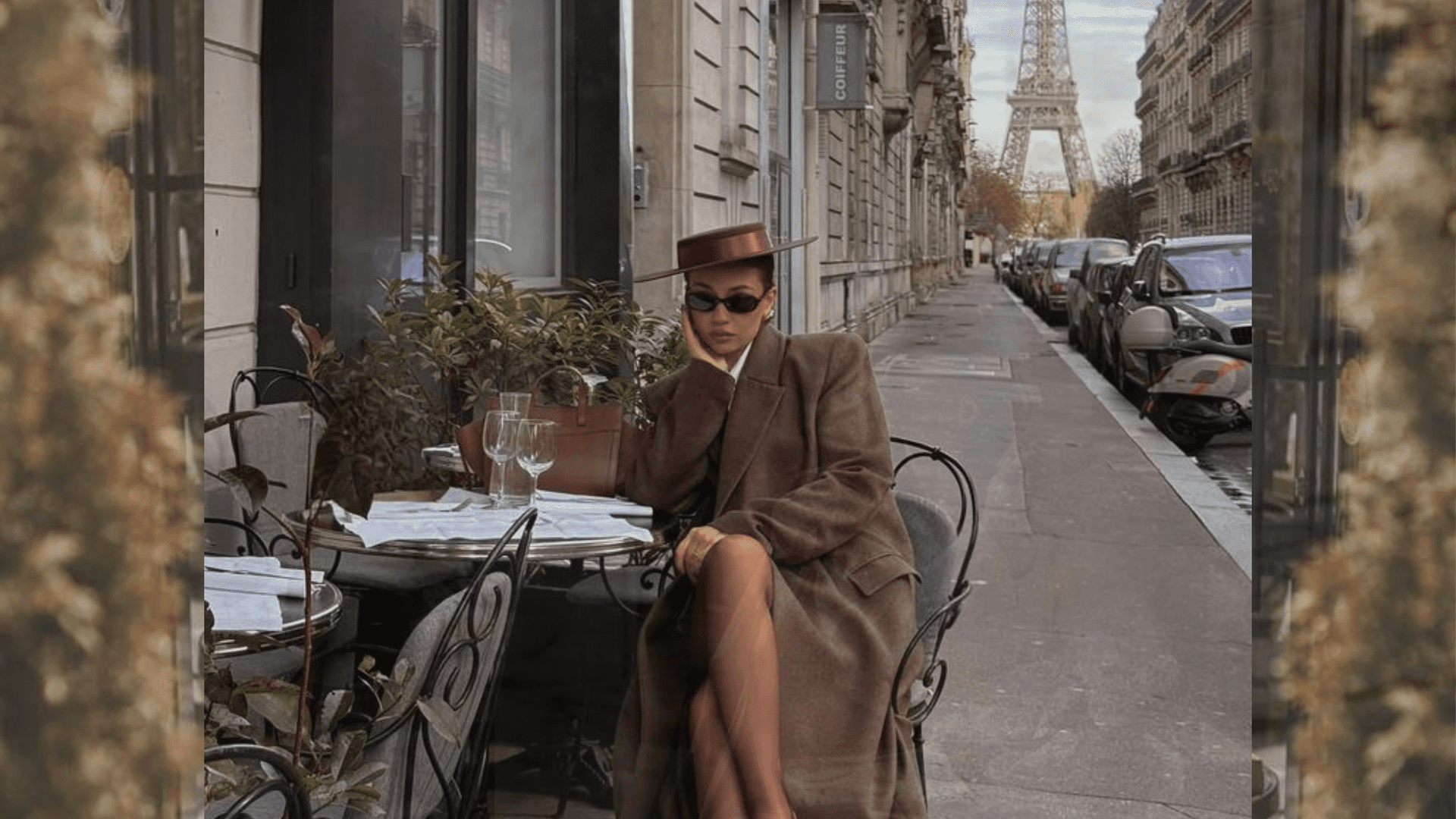
Workwear tailoring and postwar Parisian ateliers form the structural backbone of what has been called the 'French' approach to effortless dressing, a conversation that also invokes the contemporary practice of "rigid editing" as part of its logic. That pairing of construction and constraint explains why French dressing feels simultaneously lived-in and exacting: heritage cuts inform silhouette, while ruthless curation prevents clutter.
The aesthetic is, as one source put it, "centered on simplicity" and built around an "effortless nature, it’s never too fussy or overly styled but always looks polished and well-put-together." Classicsixny's framing, minimalism married to quality, reappears everywhere: layering, mixing structured and relaxed pieces, keeping accessories minimal, and prioritizing high-quality fabrics rather than flashy detail.
Precision hides behind the guise of nonchalance. Gabriellearruda reminds readers that "there are no rules or right ways" while insisting "there is precision behind this 'effortless' style." Practical instructions recur: "9. Focus on cut and fit– French girls always have impeccably fitting clothes" and "10. Always have one tailored piece in your look, this keeps you from looking too 'undone' or sloppy." Even essentials are matter-of-fact, "1. Plain, simple t-shirt" sits beside the directive to include a tailored blazer or coat to anchor an outfit.
That anchoring extends to how wardrobes are built. Online communities condense the practice into frameworks: "The heart of the French wardrobe philosophy, I feel, is the idea of curating the direction of your wardrobe," a Reddit thread explains, urging a core of solid basics and the rule of "buying five pieces a season", a rule later softened with the note "(edit: less isn't a problem, actually)." Gabrielledubois describes the same impulse in her own voice: "Their wardrobes aren’t overflowing ... but everything they own fits well, feels good, and pairs effortlessly," and she confesses she is "in the process of editing it."
Material honesty and context awareness complete the code. A video excerpt counsels to "choose honesty in fabrics and finishes" and to "avoid shiny synthetic fabrics, stiff pieces that don't move naturally, exaggerated details that scream for attention." Practicality follows: "You choose shoes that you can actually walk in. You wear layers that work with the weather." The same clip argues against performative dressing: "A big French habit is not having the need to look cool 247."
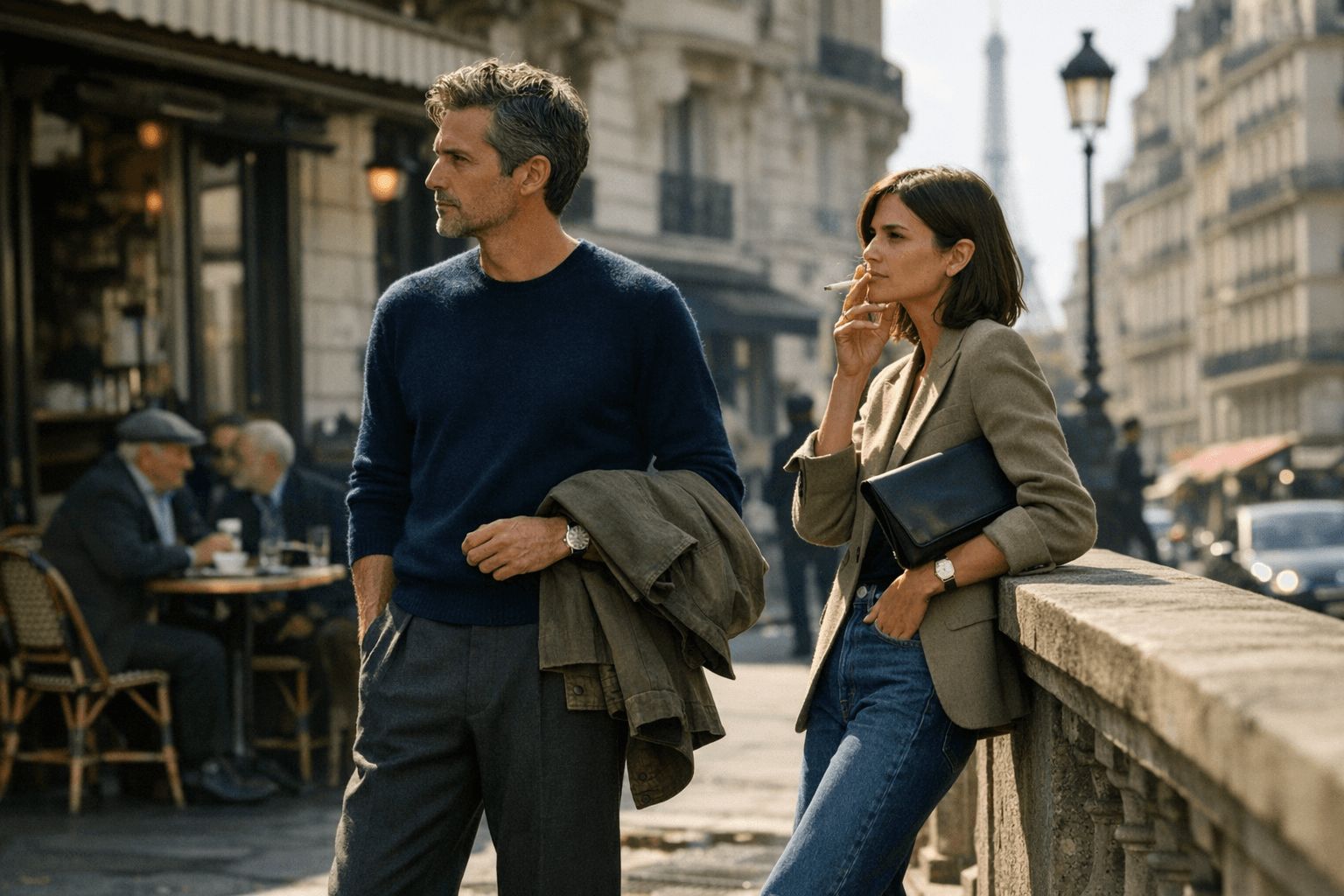
Concrete images make the system readable on the street: a navy cashmere crewneck with "perfectly tailored, medium-wash jeans," leggings reserved for a "mid-morning reformer pilates class" elevated by "a structured oversized waistcoat and a delicate silk scarf," and the habitual injunction to "put the sweatsuit down." When historical craft from postwar ateliers meets contemporary editing habits, whether rigid or pragmatic, the result is a wardrobe that reads effortless because every choice has been edited, fitted, and materially honest. That is Parisian ease: not a performance but a practiced economy of means that favors a few never-fail pieces over a closetful of noise.
This article was produced by Prism’s automated news system from verified source data, official records, and press releases, then run through automated quality and moderation checks before publishing. The system is built and supervised by the people who set the standards it runs under. Read our full AI policy.
Did this article answer your question?