Lakmé Fashion Week 2026 Brings Runway Trends Down to Earth for Real Wear
Mumbai's 26th Lakmé Fashion Week sent a clear message: the most exciting Indian fashion right now is the kind you'd actually wear.
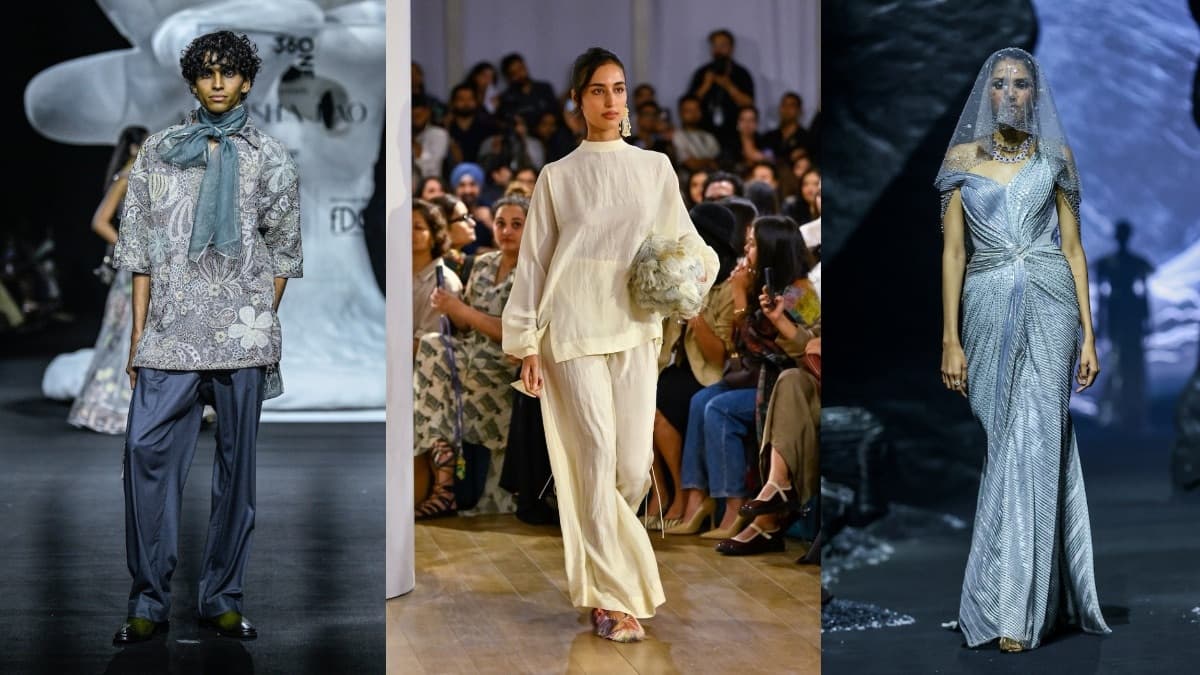
Wearable fashion is having a moment in India, and the 26th edition of Lakmé Fashion Week made that impossible to ignore. Held in partnership with the Fashion Design Council of India, the event returned to Mumbai from March 19 to 22, 2026, at the Jio World Convention Centre. The newest edition brought together some of the country's most influential designers alongside a new generation of creative voices, with presentations that reflected a compelling balance between heritage craftsmanship and forward-thinking design. More than 30 designers showcased across four days, and the collective message was consistent: the season leaned in a more focused manner towards ready-to-wear, a direction that offered a genuine reflection of where Indian fashion is going in the coming year.
As Harper's Bazaar India put it, the week "felt like a season grounded in practicality without sacrificing creativity," with clothes that are "becoming more wearable, thoughtful, and perhaps a little experimental." Printed co-ords, breezy dresses, kaftans, and relaxed tailoring dominated the runways, translating into wardrobes designed for real life rather than purely for the spectacle of a catwalk.
Menswear opens the week with a statement
The first indication that things were going to be different at this year's edition came immediately: the season started with a show called Boys' Club, a menswear-focused opener that signalled the season to come, where an overwhelming number of designers offered clothing for men. The opening day balanced emerging design voices with established names, creating a runway that reflected the evolving language of Indian fashion.
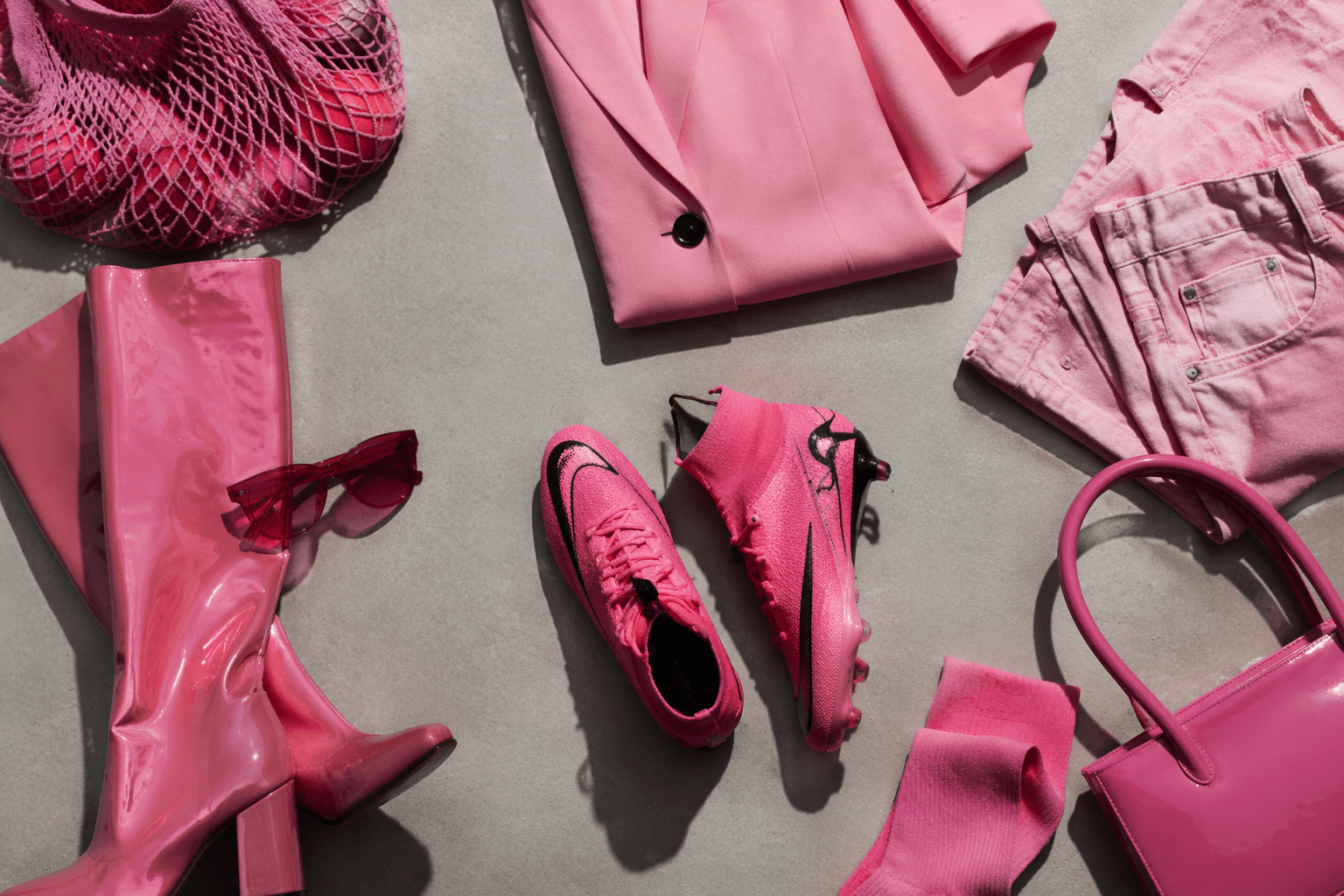
FDCI's The Boy's Club brought four distinct voices into focus. Countrymade stood out for its deep commitment to indigenous textiles and slow fashion practices, leaning into earthy tones and relaxed silhouettes with garments that felt organic and lived-in. Dhruv Vaish leaned into utility with leather bags, long shorts, and chunky boots, while Sahil Aneja closed the runway with colour-led accents through socks, bags, sunglasses, and a deliberate flash of pink. Vivek Karunakaran added a layer of refinement to the lineup, with a focus on precision and clean tailoring, delivering a collection that emphasised sharp silhouettes and well-constructed separates that were understated yet impactful. Together, they used raw silks, kantha, appliqué, and textural techniques that spoke to how expressive modern Indian menswear is becoming.
Menswear is no longer waiting for its turn to shine at Indian fashion weeks. At this year's edition, menswear labels not only opened the season but claimed a space witnessing growing interest from designers across the board.
Chola takes the runway beyond the runway
Day 1 also delivered one of the week's most visually striking concepts. Chola's Echoes in Monochrome shifted the focus entirely to movement and performance, using a monochromatic theme to explore contrast, layering, and human expression, with models stepping beyond the traditional runway format. The show was less a clothes presentation and more a meditation on how fashion can function as embodied art.
Kartik Research: a homecoming five years in the making
The week's most emotionally resonant debut belonged to New Delhi-based label Kartik Research. Founded in 2021 by designer Kartik Kumra, the label presented its first-ever runway presentation in India, rooted in the idea of restoring humanness to clothing, with wovens produced on handlooms and embroideries executed entirely by hand.
Kartik Research highlighted its "Indian Future Vintage" aesthetic through a focus on handmade textiles, including handspun khadi from Bhujodi and intricate Rabari embroidery from Kutch. Handspun khadi from Bhujodi, Rabari embroidery from Kutch, and hand knitting from the women's cooperative in Almora were key elements of the collection; revisiting them felt less like repetition and more like returning to something familiar and continuing an evolving conversation with craft.
Notably, the brand chose to forgo a celebrity showstopper, emphasising substance over spectacle and placing the spotlight firmly on the artisans behind the hand-knit and embroidered creations. Kartik Research, the LVMH prize semifinalist and recipient of the Fashion Trust Arabia India Guest Country Award, staged its first ever show in India. Kartik Kumra described the moment as "a meaningful homecoming," one that allowed the label to "celebrate the artisans we collaborate with while placing their work within a larger global dialogue."
Effortless yet refined: the season's defining register
Away from the debuts and performance-driven shows, several designers crystallised the season's dominant aesthetic with quiet precision. Abraham & Thakore, Verandah by Anjali Patel Mehta, Satya Paul, and Péro all leaned into clothing that Harper's Bazaar India described as "effortless yet refined," a phrase that captures exactly why their work felt so relevant this week.
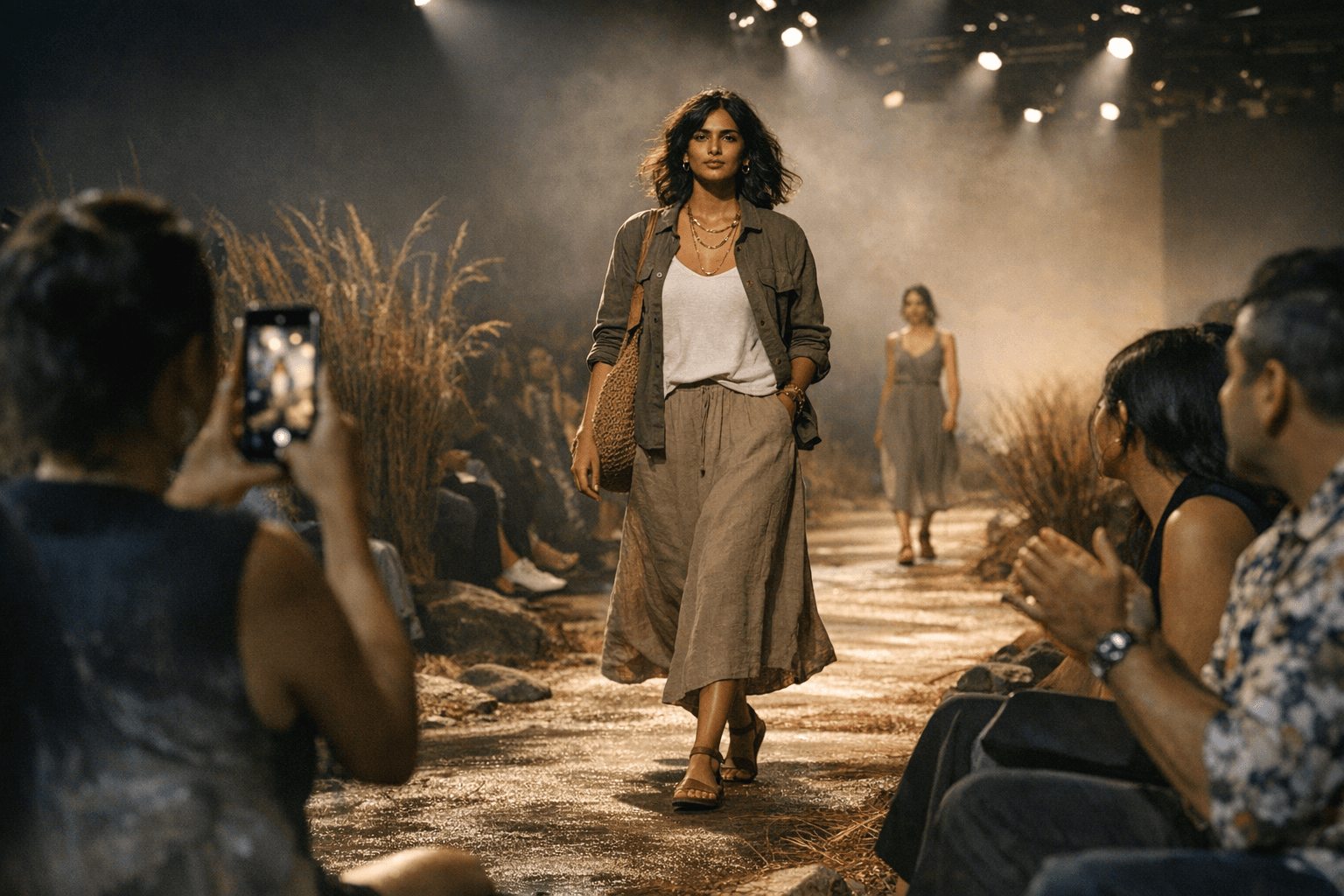
Anjali Patel Mehta at Verandah transported her audience with printed cotton co-ords and a collection that updates bestselling colour combinations and patterns season after season with assured ease. Satya Paul, under the creative direction of Aditi Rao Hydari, leaned into fluid drapes and contemporary silhouettes, reinforcing its legacy of marrying print with modern femininity. There were vibrant, summer-ready kaftans and flowy dresses alongside printed saris and separates made for destination weddings.
The season concluded with the Lakmé Grand Finale in collaboration with Péro, where designer Aneeth Arora presented the Fall Winter 2026 collection titled 'Out of Office,' reimagining the everyday office as a metaphor for routine and escape, translating the quiet desire to step away from fluorescent desks and toward distant horizons. Inspired by the French Riviera, it was desk-to-drift dressing: soft textures, handcrafted details, and understated silhouettes that created a calm yet expressive aesthetic.
Craft and cross-cultural exchange
One of the week's most commercially interesting stories was the collaboration between Abraham & Thakore and L'Atelier 1664. The partnership combined French lifestyle influences with Indian craftsmanship to present, as Femina In described it, "a cross-cultural perspective, with structured, versatile pieces rooted in everyday wear." It was a precise articulation of where aspirational Indian fashion is heading: pieces that move between cultures as fluidly as the people who wear them.
Abraham & Thakore's The Sari'torial in association with L'Atelier 1664, and AK|OK by Anamika Khanna introducing a reusable bottle initiative, illustrated how collaborations at fashion week do more than bring in funds: they make the process more inclusive and align very different brands with a shared cultural agenda.
Across the week, sustainability was never presented as a separate module or a marketing add-on. Harper's Bazaar India noted that "designers embedded it directly into their design processes," a distinction that matters. Artisanal excellence and sustainability emerged as defining themes, with many designers incorporating handwoven fabrics, recycled materials, and heritage embroidery techniques. The result was craft that felt integral rather than performative.
| **AK | OK closes with direction** | |
|---|---|---|
| As the evening unfolded on opening night, Anamika Khanna took over the runway with her label AK | OK, presenting ensembles that blurred the lines between traditional and contemporary dressing. Her "fluid drapes and relaxed tailoring that prioritised comfort over rigid structure" set a tone that echoed throughout the week. Femina In described it perfectly: AK | OK delivered "a showcase of fluid silhouettes and detailed work, seamlessly balancing comfort with statement dressing and setting a clear direction for the season ahead." |
| AK | OK by Anamika Khanna used fringe to bring a kind of raw, unfinished element to her polished separates, a texture choice that felt deliberate rather than decorative. Much like the week itself, it was refined enough to turn heads and relaxed enough to actually live in. |
Gender fluidity woven through the week
Running through almost every collection was the quiet dissolution of hard lines between menswear and womenswear. Tailoring, relaxed silhouettes, and adaptable separates suggested a future where the two continue to intersect more fluidly. Wearability took centre stage, with many designers bringing looks that could translate off the runway, where silhouettes in traditional wear were practical, comfortable, and stylishly relaxed without losing their forward edge. Streetwear elements like oversized fits and relaxed tailoring were fused with couture craftsmanship for a hybrid aesthetic that felt neither costume nor compromise.
The 26th edition of Lakmé Fashion Week arrived at a moment when Indian fashion's most interesting conversation is no longer about spectacle. It is about what endures after the show lights go down: the piece you reach for on a Tuesday, the kaftan you pack for every trip, the tailored separate that works harder than anything else in the wardrobe. That is the direction this week pointed, confidently and without apology.
This article was produced by Prism’s automated news system from verified source data, official records, and press releases, then run through automated quality and moderation checks before publishing. The system is built and supervised by the people who set the standards it runs under. Read our full AI policy.
Did this article answer your question?