Long Pixie Cuts Surge, Red-Carpet Looks Fuel Effortless Edge
Long pixies are back because they sharpen the face, cut styling time and still read polished enough for the red carpet.
Why the long pixie suddenly feels right
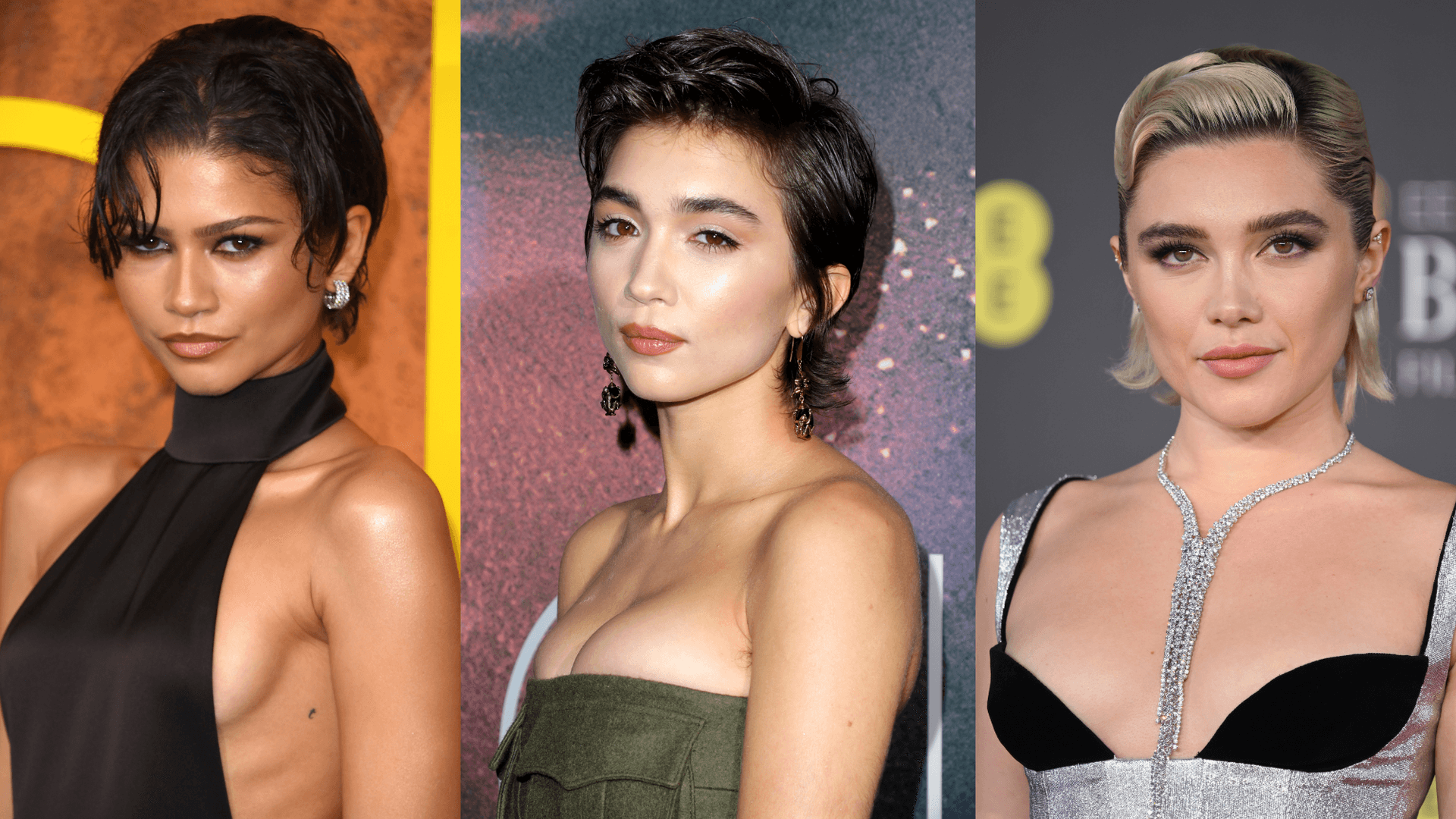
The long pixie is having a moment because it solves a very modern style problem: it looks deliberate without demanding a complicated routine. Who What Wear’s roundup ties the rise to recent red-carpet sightings and to a broader appetite for cuts that feel a touch sharper, with celebrity hairstylist Mia Santiago saying people are “leaning into slightly edgier and more intentional styles.” Brendnetta Ashley puts the appeal in simpler terms, calling a pixie “bold, chic, flirty” and saying it can work for anyone when the cut is tailored.
The bigger shift behind the haircut
This is not happening in isolation. WWD’s 2026 beauty forecast says bobs gained momentum in late 2025 thanks to Julianne Hough and Demi Lovato, then set the stage for hybrid shapes in 2026, including French bobs and layered shag variations. The long pixie belongs to the same family of cropped cuts: polished, but not rigid, with enough length on top to soften the edge and enough shape around the face to feel intentional.
WWD’s summer hair report pushes that idea further with the bixie, the cut that is “a little bit of bob, a little bit of pixie,” and the version that feels most aligned with Hollywood right now. Owen Gould calls it “polished but still feels lived-in,” while Bridget Brager says the season’s motto is “less is more,” with texture that feels natural rather than overworked. Zendaya, Jessie Buckley, Rama Duwaji and Gracie Abrams are among the names fronting that look, and WWD’s earlier January piece on Duwaji’s viral haircut says the so-called “Rama” works best a little undone and usually needs trims every six to eight weeks.
What the 25-look roundup actually gives you
The appeal of Who What Wear’s long-pixie roundup is that it does not treat the cut as one narrow thing. Its 25 ideas move from The Wet Look and Face-Framing Strands to Soft Glam, Shaggy Bangs, The Slick-Back, Deep Side Part, Statement Curls and Retro Glam, which is exactly why the style feels current instead of one-note. Some versions are glossy and sculpted; others are soft, tousled and a little rebellious. All of them share the same useful promise: a cropped outline that still leaves room to shape the mood.
How to decide whether it works for your routine
- Face-framing effect: This is the long pixie’s strongest argument. Santiago says the shape highlights bone structure and creates a cleaner look, so if you want your cheekbones, eyes and jawline to read more clearly, this cut does the job fast.
- Styling time: If you want the least-fussy morning routine, the wetter finishes and slick-back versions are the easiest reads. If you prefer a little movement, the statement waves, soft glam and classic waves versions let the cut feel styled without looking overdone.
- Grow-out ease: The bixie’s six-to-eight-week trim rhythm is the clearest clue that cropped styles still need upkeep if you want the shape to stay sharp. The long pixie is the friendlier cousin, in my view, because the extra length on top and around the face should blur the grow-out more gracefully than a severe, blunt crop. That is an editorial read on the trend, but the hybrid-crop logic is all over the current short-hair shift.
- Texture compatibility: Ashley’s point matters here: with a tailored cut, a pixie can be worn by anyone. WWD’s summer report also makes natural texture central to the mood, which means waves, curls and a bit of bend do not fight the cut, they help sell it.
Why the cut feels fashionable, not fussy
There is a long history behind this kind of haircut, and that history is part of the appeal. Britannica notes that hairdressing has existed across human history, and its bob entry explains that after World War I the short women’s bob was once considered scandalous before its practicality made it popular; flapper culture in the 1920s linked bobbed hair to changing gender norms. The long pixie carries that same tension between polish and practicality, only now the message is less defiant and more edited: you look like you meant it, and you did not have to spend an hour proving it.
What to ask for at the salon
If you want the trend at its best, ask for a tailored cut with length left through the top, enough fringe or side movement to frame the face, and a finish that can go from soft to slick. If you like drama, the roundup’s buzzed sides, shaggy bangs and mullet pixie references show how far you can push it; if you want something softer, the face-framing, subtle layers and deep side part versions keep the silhouette polished without flattening the personality. That is the real reason the long pixie is winning now: it gives you shape, attitude and ease in one clean line.
This article was produced by Prism’s automated news system from verified source data, official records, and press releases, then run through automated quality and moderation checks before publishing. The system is built and supervised by the people who set the standards it runs under. Read our full AI policy.
Did this article answer your question?