Louis Vuitton Refreshes City Guides with New Spring 2026 Editions
Louis Vuitton’s City Guides are now glossy collector objects, not just trip planners. The spring 2026 refresh turns eight cities into a flex for design-minded travelers and fashion fans.
A travel book with fashion authority
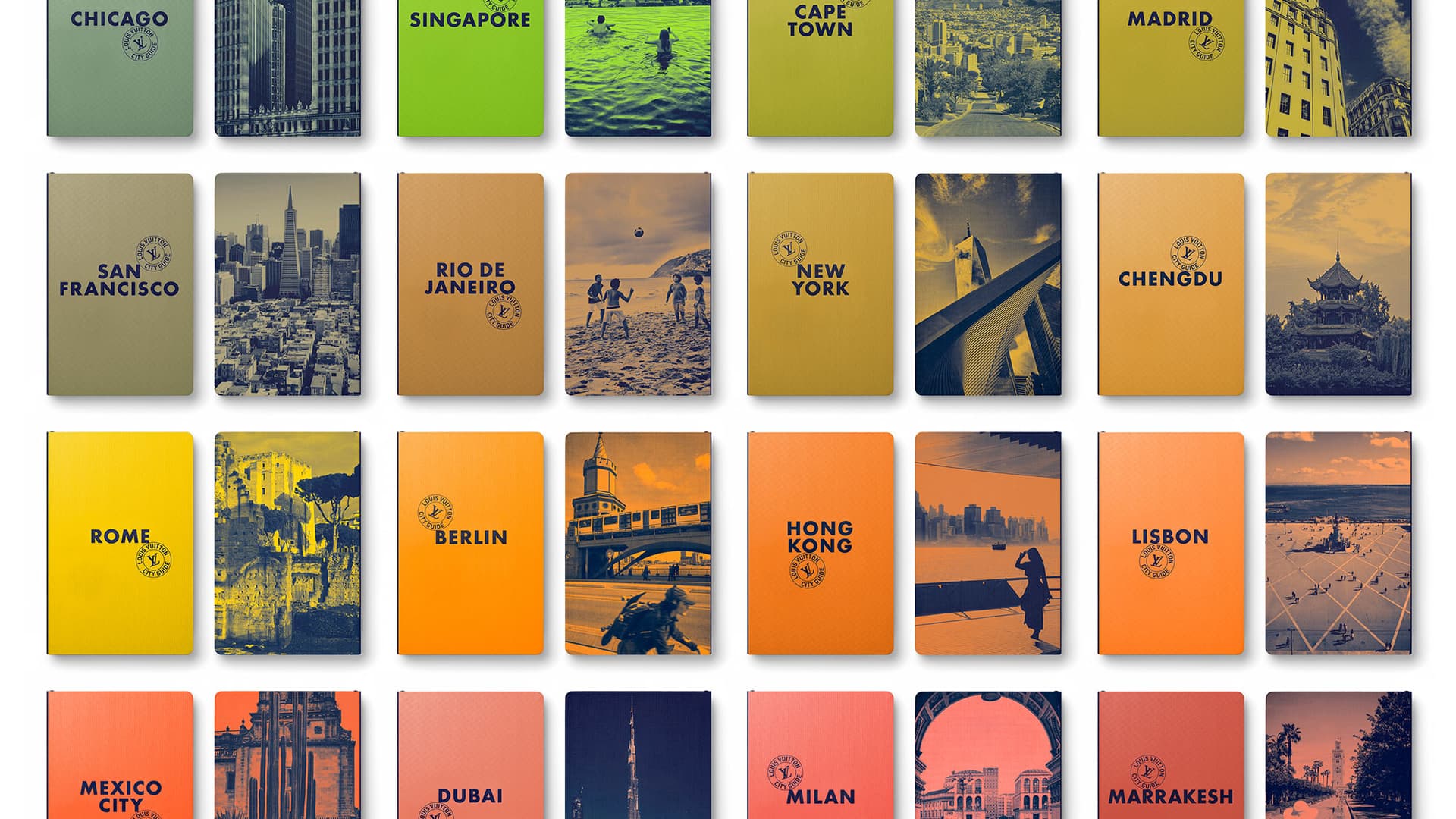
Louis Vuitton has turned its City Guides into something bigger than destination advice. The spring 2026 refresh for Bangkok, London, Los Angeles, Miami, New York, Paris, Rome, and Tokyo reads like a proof point that the house understands how luxury now works: not just as clothing or bags, but as culture you can shelve, stack, gift, and display.
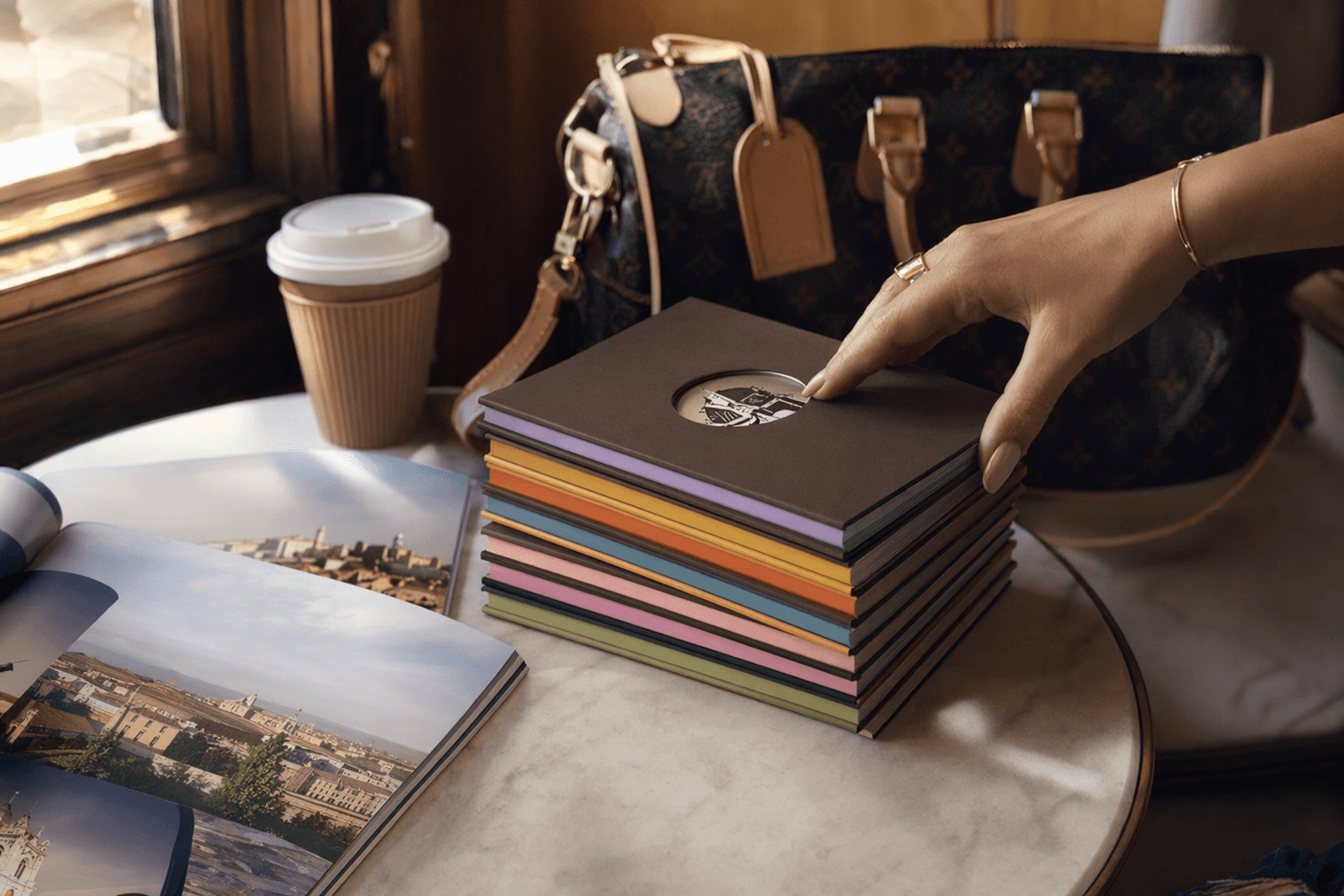
That matters because the guides are not built like standard travel manuals. They mix illustrated city history with curated recommendations for hotels, shops, dining, and experiences, then package the whole thing as a collectible object in both print and digital form. The result feels less like a tourist brochure and more like a stylish archive of how to move through a city with taste.
Why the city lineup hits harder than generic travel advice
The choice of cities is the first sign that these books are about point of view, not just logistics. Bangkok, London, Los Angeles, Miami, New York, Paris, Rome, and Tokyo are not random postcard stops. They are cities with deeply defined style identities, from Bangkok’s layered food and design energy to New York’s relentless cultural churn and Paris’s permanent role as a fashion capital.
That’s what makes the lineup smarter than a standard “best places to eat” cheat sheet. Louis Vuitton is selling a way of seeing each city, and the art direction matters as much as the addresses inside. The illustrations, the pacing, and the curated mix of restaurants, shops, hotels, and experiences turn each guide into a mood object, something that looks as good on a coffee table as it does in a carry-on.
A publishing empire with real scale
The City Guides are not a side project. Louis Vuitton says its publishing legacy now reaches nearly 100 titles across three travel-and-culture series: City Guide, Travel Book, and Fashion Eye. That scale changes the meaning of the release. This is not a one-off branding exercise, but a long-running publishing program that the house has been building since 1998.
Louis Vuitton also says the City Guide collection dates to 1998, and that history gives the books their authority. They have had enough time to become recognizable objects in their own right, which is why the refresh lands as a continuation of a very specific Louis Vuitton language. The brand has long leaned into nomadic fantasy, but here it is sharpening that fantasy into something editorial, collectible, and unmistakably premium.
Who actually makes these guides feel worth keeping
Louis Vuitton says the guides are shaped through independent authors, with contributions from journalists, writers, major figures in art and letters, and creative talents across art, business, and culture. That mix is the difference between a house-branded souvenir and an object with actual cultural texture. It also explains why the series feels more like a curated viewpoint than a standard city listing.
The spring 2026 editions reportedly bring in previously unpublished content, which is the right move for a series that already lives in the intersection of publishing and luxury. Fresh material keeps the books from feeling archival in the stale sense. Instead, they stay alive as living references, the kind you reach for when you want a sharper read on a city than a search algorithm can give you.
The names that give the series a little more bite
The contributor list is where the refresh gets especially interesting. Chef Chalee Kader appears in the Bangkok edition, Matthew Yokobosky is tied to New York, and artist Eva Jospin contributes to Paris. Those names matter because they signal that the guides are not trying to outdo mainstream travel media with volume. They are trying to filter each city through a distinct creative eye.
That is a stronger strategy than generic advice ever could be. A chef changes the temperature of a city guide in Bangkok, a fashion and cultural insider like Yokobosky gives New York more editorial precision, and Jospin brings a Paris lens that feels closer to craft and atmosphere than checklist tourism. The guides work because the contributors are part of the city’s aesthetic bloodstream, not just observers passing through.
Who these guides are for now
These books are for three kinds of people, and the overlap is the point. First, design-minded travelers who want their itineraries to feel edited, not improvised. Second, coffee-table collectors who treat books as décor, conversation pieces, and signifiers of taste. Third, fashion fans who already understand that Louis Vuitton is selling a way of moving through the world, not just a logo.
The business-and-leisure framing on Louis Vuitton’s official product pages makes sense here, too. These are companions for people who travel with laptops and luggage, but also for people who want the trip itself to feel composed. A guide like this does not replace local knowledge; it reframes it through luxury, art, and a very specific kind of polish.
Why the artwork matters as much as the itinerary
The visual identity of the guides is doing a lot of work. In a market flooded with travel content, illustration gives these books a permanence that screens cannot match. It slows the pace down. It makes a city feel collected rather than consumed, and that is exactly the kind of luxury move Louis Vuitton is good at.
That is also why the city lineup matters more than standard travel advice. You are not buying these guides to find the fastest path from one dinner reservation to the next. You are buying into a point of view where a city becomes an object of desire, with design, fashion, art, gastronomy, sport, and culture all folded into the same elegant frame. Since 1998, that has been the real sell.
The bigger message behind the refresh
Louis Vuitton’s broader City Guides library still extends far beyond these eight spring 2026 editions, which is the clearest sign that the series is built to keep expanding. That continuity gives the house more than publishing credibility. It gives it cultural range.
The sharpest thing about this refresh is how quietly strategic it feels. Louis Vuitton is not just updating travel guides. It is extending fashion authority into publishing, turning cities into collectible mood boards, and proving that the brand’s influence can travel just as well on paper as it does on a runway.
Know something we missed? Have a correction or additional information?
Submit a Tip