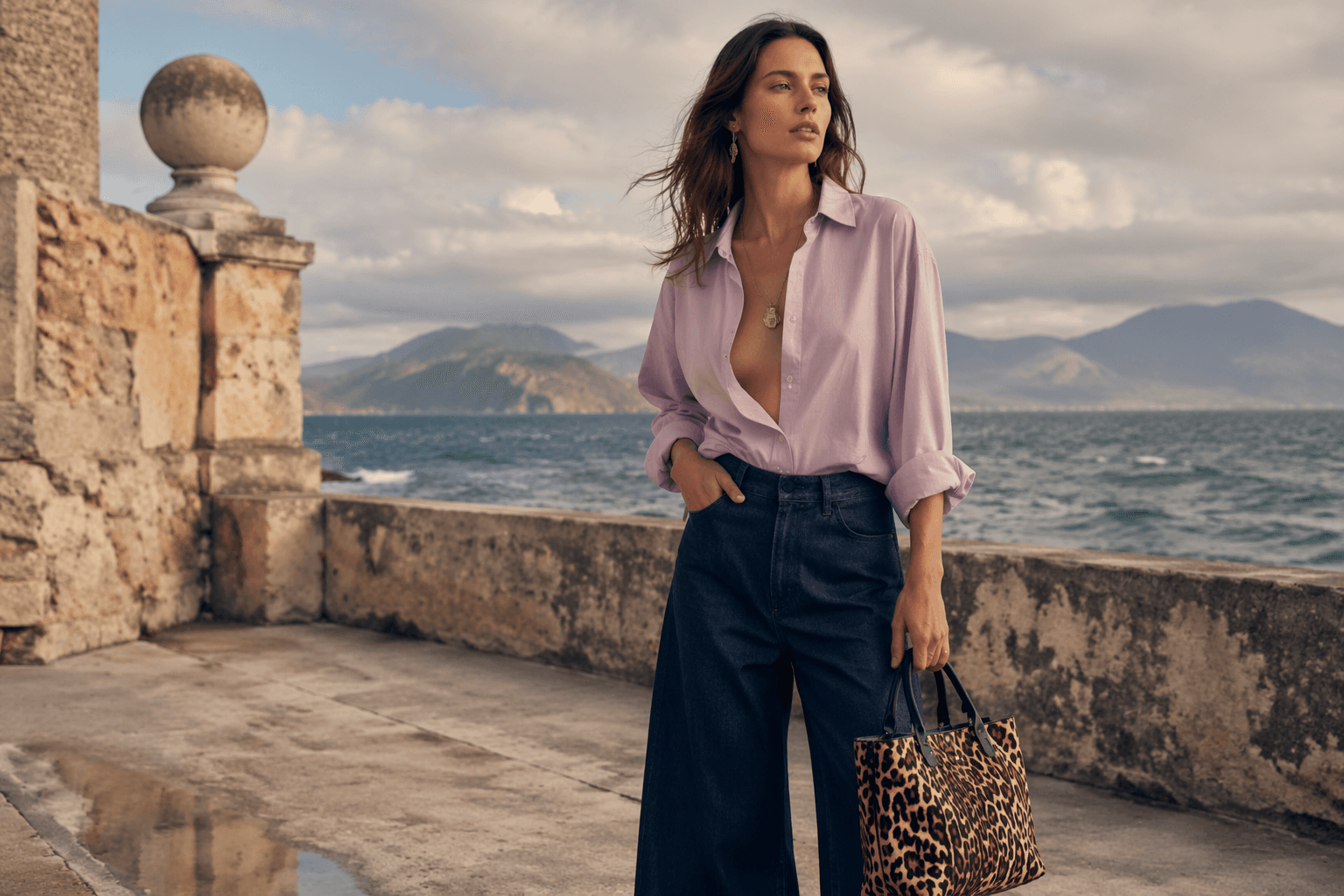
LSpace’s Heatwave collection channels effortless summer style
LSpace’s Heatwave collection turns a swim drop into a vacation wardrobe, from $92 suits to sequin sets and sundresses built for warm nights.

LSpace’s Heatwave collection is less a standard swim launch than a full vacation wardrobe, built to carry a customer from poolside to brunch and then into warm, late-night hours. The mix of one-pieces, two-piece sets, sequin-embellished pieces, breezy loungewear and sundresses gives the line a sharper commercial edge than the usual bikini-only rollout, especially at a moment when brands are competing for more than just a beach bag purchase.
A swim launch with a broader spend in mind
Heatwave is available now on LSpace’s official website, priced from $92 to $189 in sizes XS to XL. That price band is smartly calibrated: it keeps entry points accessible while leaving room for more elaborate pieces, like the sequin-embellished styles, to signal occasion without drifting into luxury territory. In practical terms, the collection is positioned to do what the best resort wardrobes do, which is to stretch a single trip’s shopping into several moments of wear.
The color story helps reinforce that logic. Sun-washed reds, whites and pinks are easy to photograph and easy to pair, which matters for a collection that is clearly designed to live on the body and on social feeds. LSpace is selling an atmosphere as much as a garment here: warm air, soft movement, and the kind of easy glamour that feels polished without tipping into overworked.
Why Heatwave feels different from a typical one-piece-or-bikini drop
What makes Heatwave commercially distinct is the way it widens the category. Instead of isolating swimwear from the rest of a vacation wardrobe, LSpace folds apparel into the same mood board, so the customer sees a full packing list rather than a single purchase. That strategy matters because the most desirable resort brands rarely sell just one thing; they sell the idea that dressing for heat can be cohesive from sunrise to dinner.
The one-pieces and two-piece sets provide the expected backbone, but the addition of loungewear and sundresses is what changes the business proposition. A customer who might have bought a suit elsewhere can now build around it with cover-up-adjacent clothing that feels styled rather than improvised. The sequin pieces sharpen the offer further, giving the collection a sunset-ready note that reads like a deliberate attempt to own the space between daywear and evening dressing.
There is also a subtle but important fit story in the sizing. XS to XL keeps the collection broadly accessible, and that range helps support the brand’s emphasis on versatility rather than exclusivity. In a market crowded with interchangeable swim sets, Heatwave’s strength is that it looks like a wardrobe with movement, not a single product push.
The brand’s beach DNA still does the heavy lifting
The collection makes more sense when placed in the context of LSpace itself. Founded by Monica Wise in 1999, the brand has long described itself as a California beach lifestyle label built around fit, quality and versatility. That positioning is not just heritage language. It explains why the brand keeps returning to launches that blur the line between swim and apparel, because the selling point is ease of use as much as visual appeal.

LSpace’s core promise has always been that its pieces move well in real life, and Heatwave leans hard into that idea. The collection is built for people who want clothes that can handle heat, travel, and a little last-minute spontaneity without feeling too precious. That is a commercial advantage in a market where the best resort pieces are increasingly expected to do more than sit beside the pool.
A collaboration strategy built around feeling, not just product
Heatwave also sits inside a broader run of releases that show how intentionally LSpace is shaping its calendar. The brand has already rolled out the Icons capsule, the April 2025 Sea Sirens collection and a May 2025 partnership with Rails. More recently, it launched a 23-piece The Salty Blonde x LSPACE collection on May 28, 2026, inspired by the saturated landscapes and vibrant rhythm of coastal Mexico.
That collaboration came in sizes XS to XL and was priced from $99 to $194, a range that places it just above Heatwave while still keeping it in the same attainable resort bracket. The fact that it was 23 pieces is telling: that is not a tiny capsule built for novelty alone, but a substantial offer that signals LSpace is using partnerships to build a fuller seasonal wardrobe architecture.

Alissa Bristow, LSpace’s VP of Creative & Design, summed up the brand’s approach to the collaboration world with unusual clarity: “This isn’t about trend, it’s about feeling,” she said, pointing to warm air, bright color and “endless summer energy.” That line matters because it captures the through-line across LSpace’s recent work. The brand is not chasing isolated fashion moments; it is packaging a consistent coastal mood across swim, apparel and collaboration-led storytelling.
The bigger picture for vacation dressing
That strategy is where Heatwave becomes especially interesting. Plenty of brands can launch a bikini set and call it seasonal, but fewer can extend the conversation into sundresses, loungewear and embellished evening pieces without losing their identity. LSpace’s advantage is that it already owns a recognizable beach-lifestyle lane, so every new drop can build on a consumer understanding that the brand is not just about what you swim in, but how you live around the swim.
For shoppers, that means one collection can cover more of the vacation itinerary. For the brand, it means a better shot at a larger share of the trip budget, from the first pool day to the last dinner reservation. Heatwave succeeds because it treats summer style as a system, not a single silhouette, and that is exactly what makes it feel commercially sharp in a crowded market.
This article was produced by Prism’s automated news system from verified source data, official records, and press releases, then run through automated quality and moderation checks before publishing. The system is built and supervised by the people who set the standards it runs under. Read our full AI policy.
Did this article answer your question?