Mango x Eckhaus Latta and Reformation fuel summer capsule drops
Mango’s Eckhaus Latta capsule has the week’s clearest upside: cult credibility, wearable prices, and a sharper summer wardrobe. Reformation and J.Crew keep the mood easy.

The new capsule economy
The smartest summer drops are no longer trying to be everything at once. They are chasing a very specific kind of heat: a recognizable creative point of view, a limited run, and just enough urgency to make the clothes feel current the moment they land. Mango’s Eckhaus Latta collaboration understands that formula best, because it pairs broad retail reach with a label whose name still signals downtown credibility, and it does so without sanding off the edge.
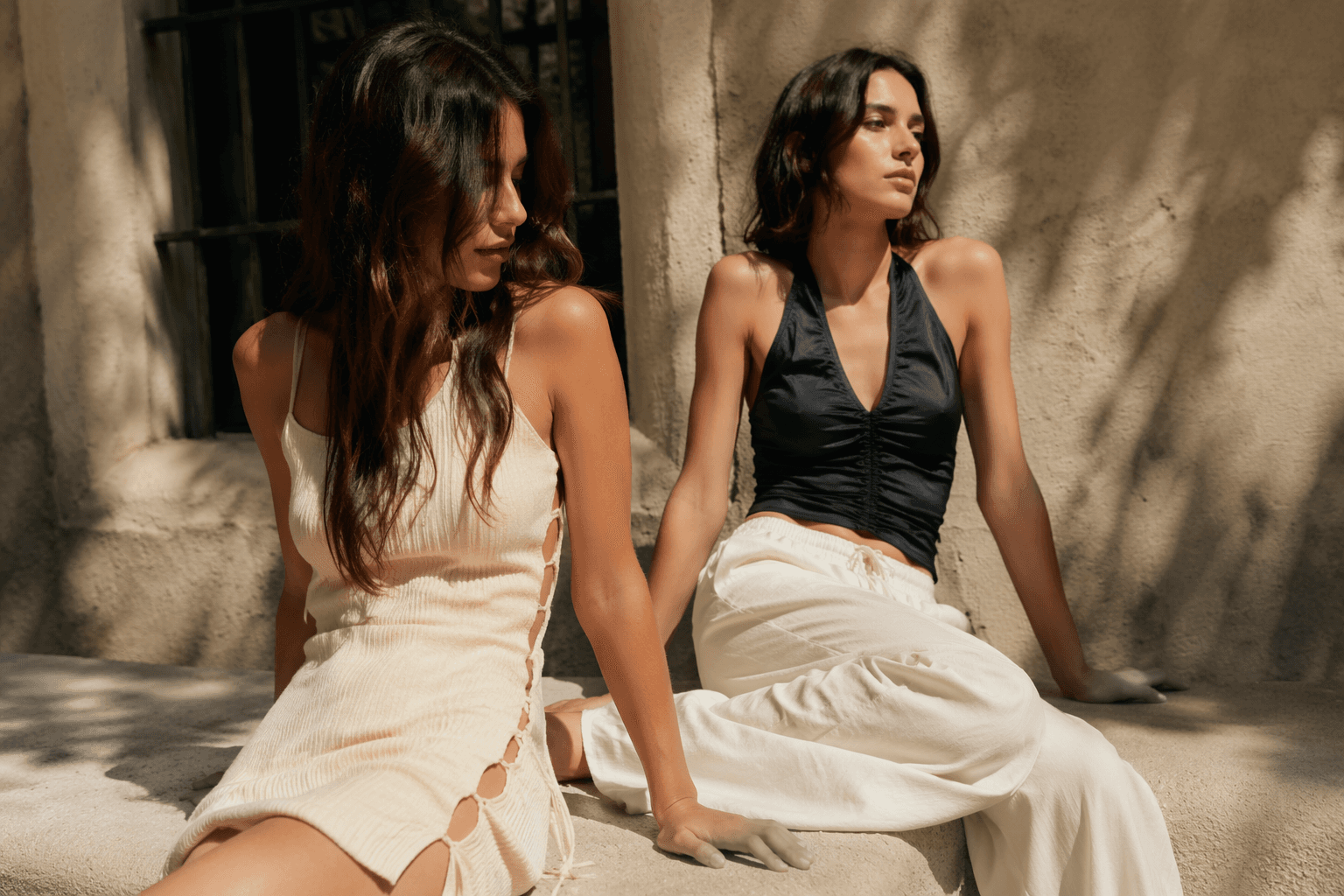
Mango says the collection, part of its Mango Collective concept, was designed by both brands and moves between the conceptual, the functional and an urban sensibility. That is exactly the sweet spot for a capsule that wants to feel directional but not precious. Mike Eckhaus and Zoe Latta, who said they have worked together for 15 years, described the project in the kind of language that tends to travel well beyond the front row: “flirty,” “pretty sexy,” and grounded in high-quality materials.
Mango x Eckhaus Latta: the strongest strategic play
What makes the Mango x Eckhaus Latta drop distinctive is not just the name pairing, but the range it creates. The capsule was described as 43 pieces, with lightweight knits, asymmetric silhouettes and prices from $89.99 to $699.99. That spread matters: it gives Mango a ladder from entry-level fashion buy to statement piece, while letting Eckhaus Latta’s design language show up in a way that feels more nuanced than a logo swap.
This is the collaboration with the clearest strategic upside because it reaches both sides of the equation. Mango gets an injection of cult fashion authority and a sharper design conversation around its summer assortment, while Eckhaus Latta gains scale without losing the oddball polish that made the brand matter in the first place. It is also the most convincing answer to the current capsule glut, because the pieces sound built to be worn, not merely posted.
The staying power here looks real. Lightweight knits and asymmetric cuts have enough wardrobe utility to move beyond the launch window, and the brand’s own framing suggests a collection that understands tension rather than trend-chasing. The result is a drop that can live on a checkout page and still feel believable on a city sidewalk.
Reformation x Courtney Grow: summer ease with editorial polish
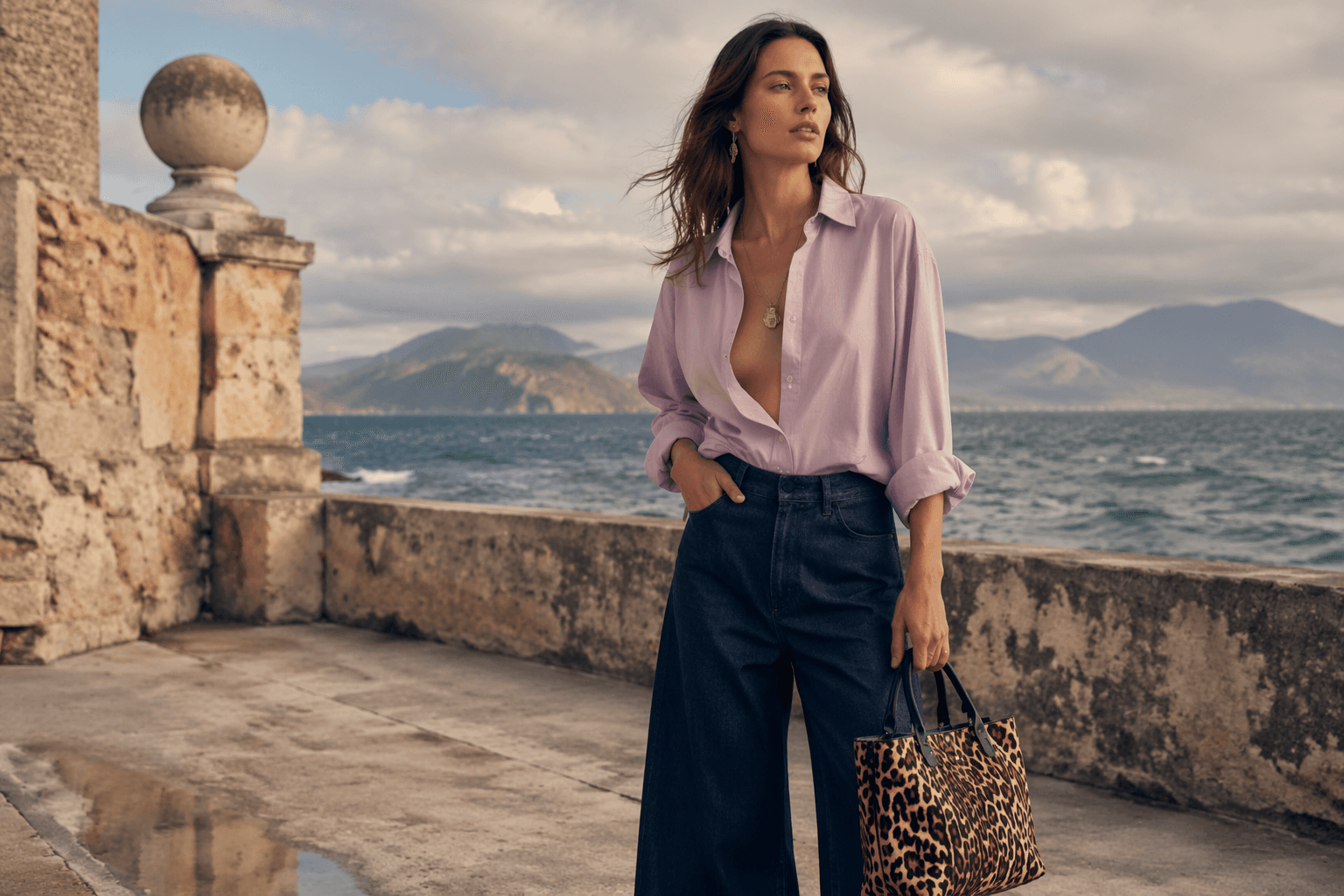
If Mango is playing for fashion credibility, Reformation is playing for lifestyle fluency. The Courtney Grow capsule is an 18-piece collection built around fluid silhouettes, bold prints, relaxed denim and responsibly sourced materials, and Reformation says the pieces are designed to be worn together or apart. That modularity is the point: it turns one drop into multiple outfits without requiring much effort from the wearer.
The collection, which launched June 1 as the fourth installment of Reformation’s Ref-in-Residence series, feels calibrated for the customer who wants ease but still wants a point of view. Courtney Grow’s presence gives the line a named creative anchor, and the reported launch trip to Sicily adds a little Mediterranean gloss to the story without overcomplicating it. In practical terms, the denim and mix-and-match separates are the most durable part of the package, while the bold prints will probably do the loudest work in the short term.
Strategically, Reformation is less about shock and more about sharpening identity. The brand has learned that residency-style collaborations work best when they feel like a dressed-up extension of its own code, not a total departure from it. That is why this drop reads as a summer styling tool rather than a one-off event.
Under Armour x Marine Serre: high concept, narrower runway
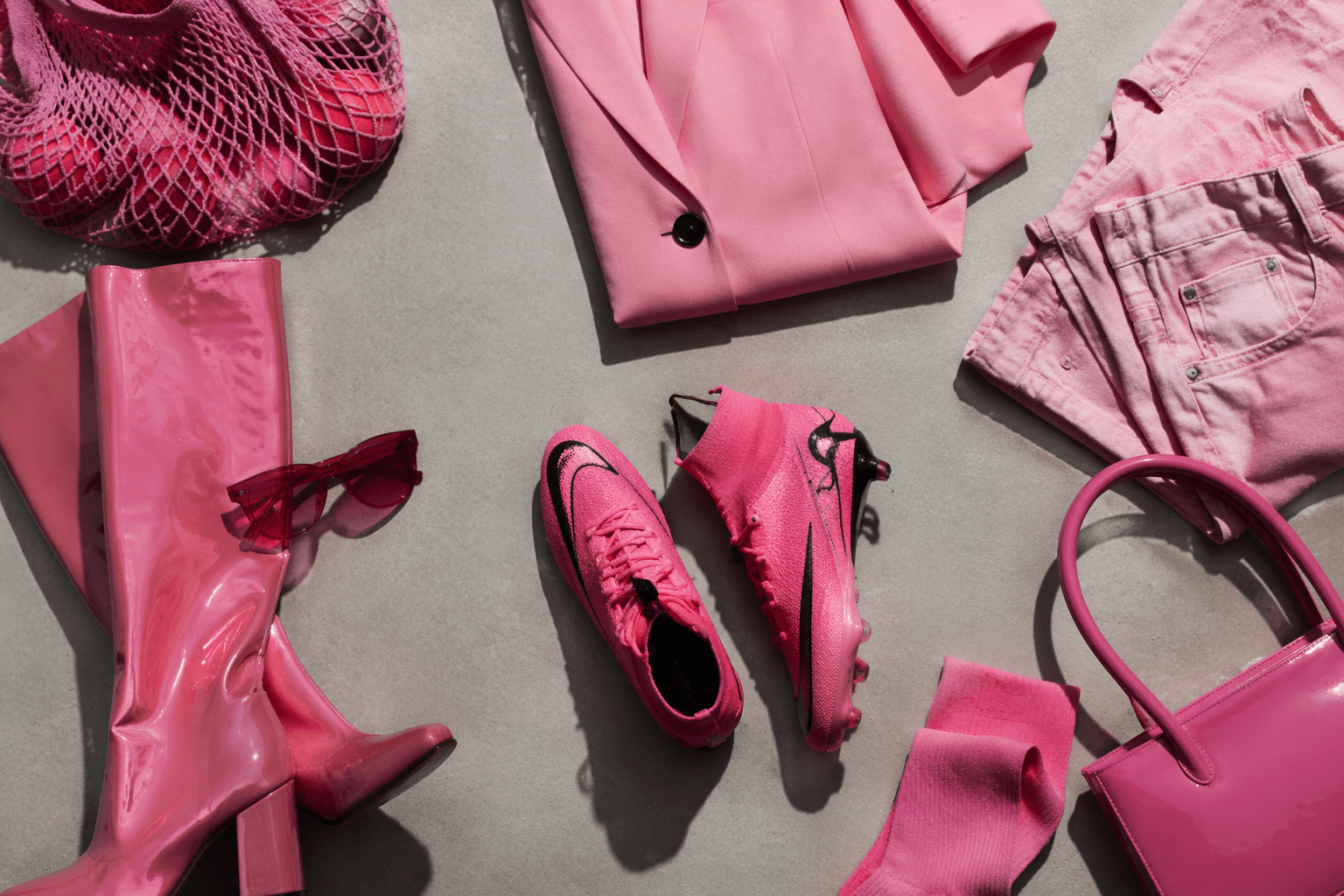
The most fashion-forward capsule in the group is also the most specific in its audience. Under Armour introduced its Marine Serre collaboration as a debut capsule inspired by Under Armour’s 2000s sportswear archive and its baselayer innovation, then launched it June 5 exclusively on marineserre.com and at select Marine Serre retail locations. A Paris pop-up running June 5 through 7 extends the sense of spectacle, while a global rollout later in the summer on UA.com opens the door to wider reach.
This is the drop built for cultural proof as much as product performance. Marine Serre brings an unmistakable design vocabulary, and Under Armour brings technical legitimacy, so the collaboration reads like an exchange of codes rather than a simple co-branding exercise. But because it is more concept-driven than the Mango or Reformation capsules, its staying power will depend on whether the pieces translate outside the fashion moment and into real athletic or everyday use.
That said, the archive angle is smart. The 2000s sportswear reference gives the capsule a recognizable hook, and baselayer innovation suggests utility beneath the styling. In a market flooded with polished athletic fashion, that combination gives Under Armour a way to feel relevant without pretending to be something it is not.
J.Crew and Alex Mill: the quiet rebuilders of summer identity
J.Crew’s Camp Crew collection and Alex Mill’s linen-heavy Summer 2026 Part 2 are not trying to create the same kind of spike. They are doing something quieter and, in the long run, often more valuable: tightening the seasonal story around clothes people can imagine actually living in. J.Crew’s camp-themed summer apparel, supported by a campaign that reunited Jasmine Tookes, Josephine Skriver, Martha Hunt, Sara Sampaio and Taylor Hill, leans into nostalgia with swimwear, knits, camp tees and lighter-weight versions of the brand’s signatures.
That casting does a lot of work. Five supermodels give the campaign a polished, almost preppy fantasy, but the actual product direction keeps returning to warm-weather staples and lighter fabrics, which is where J.Crew’s strongest lane still lives. It is less about a headline-grabbing collaboration and more about refining the brand’s own summer grammar.
Alex Mill, meanwhile, is the most understated name in the mix, and that is precisely why its linen-heavy Summer 2026 Part 2 matters. Linen does not need a gimmick when the silhouette is right and the hand of the fabric does the talking. Compared with the louder collaboration machine around it, Alex Mill looks like the brand most focused on wardrobe endurance rather than momentary buzz.
What will last, and what is pure ignition
Mango x Eckhaus Latta is the launch that gains the most strategically because it converts cool into scale without flattening the original point of view. Reformation x Courtney Grow has the best built-in wardrobe logic, especially through its mix-and-match structure and responsible material story. Under Armour x Marine Serre delivers the highest fashion voltage, but its reach will likely remain more niche, and J.Crew plus Alex Mill are making the calmest case for long-term relevance by improving how summer staples actually feel.
That is the real story behind this week’s drops: the brands winning right now are not merely selling clothes. They are using collaborations to borrow credibility, clarify identity and make summer dressing feel immediate, which is exactly how capsule culture keeps finding a way to look new.
This article was produced by Prism’s automated news system from verified source data, official records, and press releases, then run through automated quality and moderation checks before publishing. The system is built and supervised by the people who set the standards it runs under. Read our full AI policy.
Did this article answer your question?