Master the 3-to-1 Top Rule for Effortless, Versatile Outfits
One ratio, three tops per bottom, is all you need to multiply your outfit count and never stare blankly at a full wardrobe again.
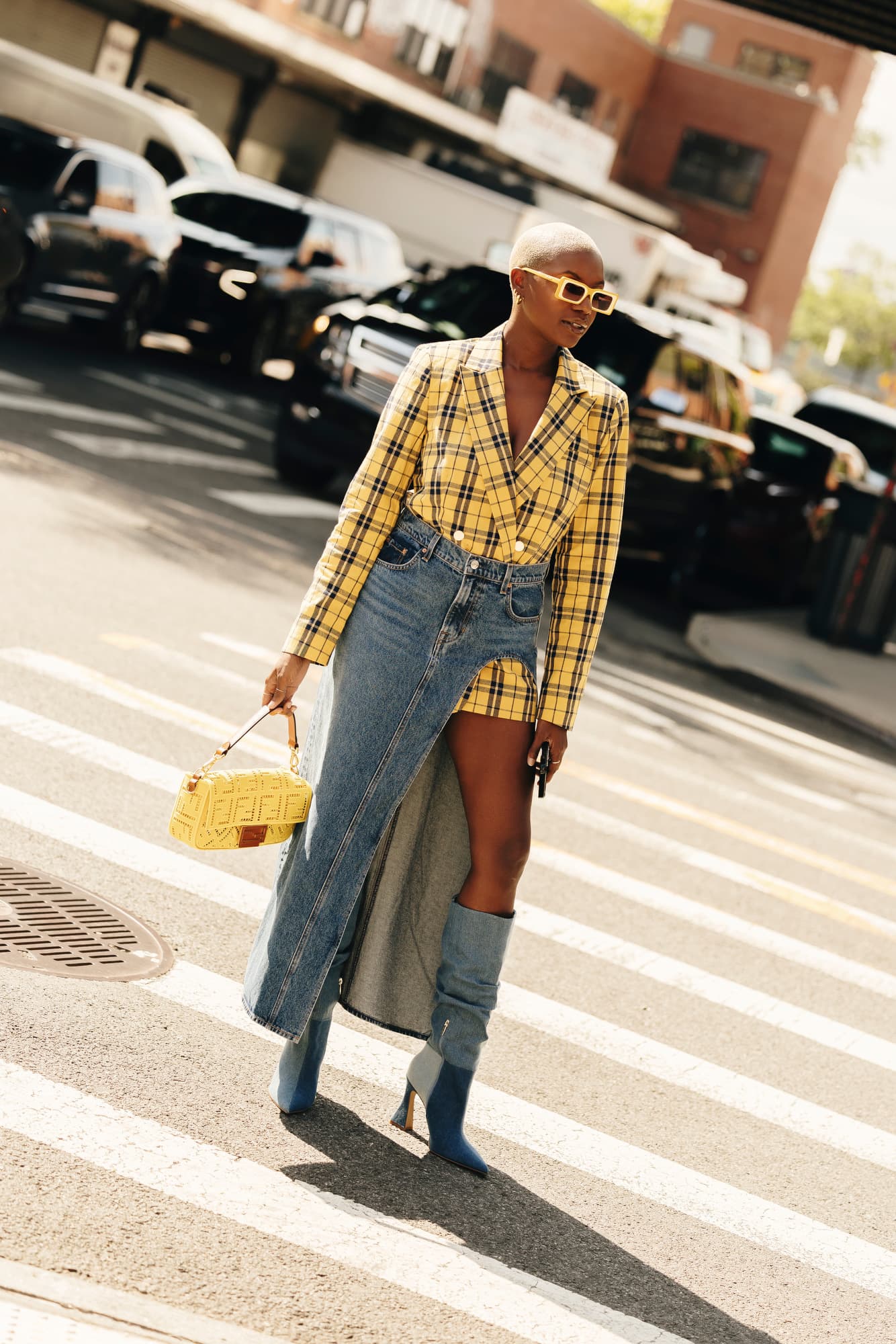
There is a particular kind of wardrobe paralysis that strikes even the most intentional dressers: a closet packed with clothes and nothing that feels right. Lisa Armstrong's 3-to-1 top rule cuts through that noise with the kind of clarity that makes you wonder why you ever approached getting dressed any other way. The formula is disarmingly simple. For every bottom you own, whether that's a tailored trouser, a midi skirt, or a pair of straight-leg jeans, you should have three tops that work with it. That ratio is the engine behind a wardrobe that generates outfits almost automatically.
Why the ratio works
The math is more powerful than it first appears. Three tops paired with a single bottom gives you three distinct outfits before you've even introduced layering, proportion shifts, or accessories. Extend that across five or six bottoms and you're looking at fifteen to eighteen combinations from what might feel like a modest wardrobe. The practical appeal is obvious when you're packing for a trip and trying to fit a week's worth of looks into a carry-on, but the logic applies just as forcefully to your everyday closet. Armstrong's framework treats each bottom as a foundation rather than a statement, which means the investment thinking shifts: bottoms earn their place through versatility, and tops carry the personality.
The ratio also quietly exposes the wardrobe mistakes most people repeat without realising it. Buying bottoms because they're beautiful, then struggling to style them, is almost always a symptom of the wrong ratio in reverse: too many bottoms relative to the tops that could activate them. Flipping that relationship reorients how you shop and how you edit.
Proportion fixes that change everything
One of the most practical dimensions of Armstrong's approach is the attention to proportion. Not every top works with every bottom simply because they're in the same colour family or the same aesthetic register. The silhouette relationship matters. A voluminous blouse needs a slim or straight bottom to avoid swallowing your frame entirely. A cropped top, on the other hand, can handle a wider-leg trouser or a full skirt because the visual weight is distributed rather than concentrated.
The rule of thumb to internalise: one piece in an outfit can have volume, but not both simultaneously. This sounds obvious in theory and is routinely ignored in practice. Armstrong's proportion guidance brings it back to basics without being prescriptive about what you should own. Instead it gives you the eye to assess what you're already working with.
Tucking, half-tucking, and the front tuck are all proportion tools rather than mere styling flourishes. A straight-cut shirt half-tucked into a wide-leg trouser breaks the vertical line in a way that creates shape without restriction. The same shirt worn fully out over the same trouser reads entirely differently, more relaxed, more proportionally challenging. Understanding that the same top can generate two distinct silhouettes with a single gesture doubles the practical value of each piece in your wardrobe.
Layering as a multiplier
If the 3-to-1 ratio is the foundation, layering is where the outfit count genuinely compounds. Armstrong's framework treats layering not as an afterthought for cold weather but as a structural tool that transforms one combination into several. A fitted white T-shirt worn alone with a straight-leg jean is one outfit. Add an open overshirt and it's another. Swap the overshirt for a lightweight blazer and you've crossed into a third register entirely, without changing either of the two original pieces.
The key discipline in layering is keeping the base layer tight enough that adding something over it doesn't create bulk. A chunky knit over a loose cotton shirt reads as volume upon volume; the same knit over a thin ribbed top reads as considered and intentional. The base layer is doing most of the structural work even when it's nearly invisible.
Transitional pieces earn their cost-per-wear credentials here. A well-cut blazer, a longline cardigan, a denim jacket with enough structure to hold its shape: these are the pieces that sit across multiple outfit combinations, connecting your three tops to your bottoms in configurations that feel fresh rather than repetitive.

Building your three tops for each bottom
When you apply Armstrong's ratio deliberately rather than retrospectively, the approach to acquiring tops shifts. For any given bottom, aim for variety across three specific axes:
- Weight: one lightweight or fine-knit top, one medium-weight option, one with enough structure to stand alone
- Formality register: one top that reads casually, one that can move into a smart-casual context, one that works in a polished setting
- Silhouette: one fitted, one relaxed, one that introduces either a design detail (a gathered sleeve, an interesting neckline) or a layering function
This isn't about buying three tops at once. It's about auditing what you already own against each bottom and identifying the specific gap. If your best tailored trouser has two excellent smart tops but nothing relaxed, you already know what to look for next.
Applying the rule when packing
The packing application is where Armstrong's heuristic originally shines as a standalone piece of advice. Three tops for every bottom is a packing ratio that produces a week of distinct outfits from a remarkably compact case. Two bottoms and six tops cover seven days with combinations to spare, and the weight distribution favours tops, which are almost invariably lighter and more compressible than trousers or skirts.
The discipline the rule imposes is also a useful edit. If you're reaching for a fourth top to go with a particular bottom, it's a signal either that you haven't found the right three yet, or that the bottom itself isn't as versatile as it needs to be to justify its place in a curated case.
The editorial logic behind the formula
What makes Armstrong's approach land where so much wardrobe advice doesn't is that it operates on a structural level rather than a prescriptive one. She isn't telling you which three tops to own. She's giving you a ratio that makes your existing wardrobe legible and your shopping more purposeful. The 3-to-1 rule doesn't care whether your aesthetic is minimal or maximalist, tailored or relaxed. It functions regardless, because it's built on outfit mechanics rather than trend allegiance.
The result is a wardrobe that works with you rather than against you: one where getting dressed in the morning is a matter of application rather than invention, and where the options feel inexhaustible because the logic behind them is sound.
This article was produced by Prism’s automated news system from verified source data, official records, and press releases, then run through automated quality and moderation checks before publishing. The system is built and supervised by the people who set the standards it runs under. Read our full AI policy.
Did this article answer your question?