Messy Girl Aesthetic Proves Imperfect, Undone Style Is Always Chic
The messy girl aesthetic is fashion's most calculated act of nonchalance, and it's everywhere in 2026.
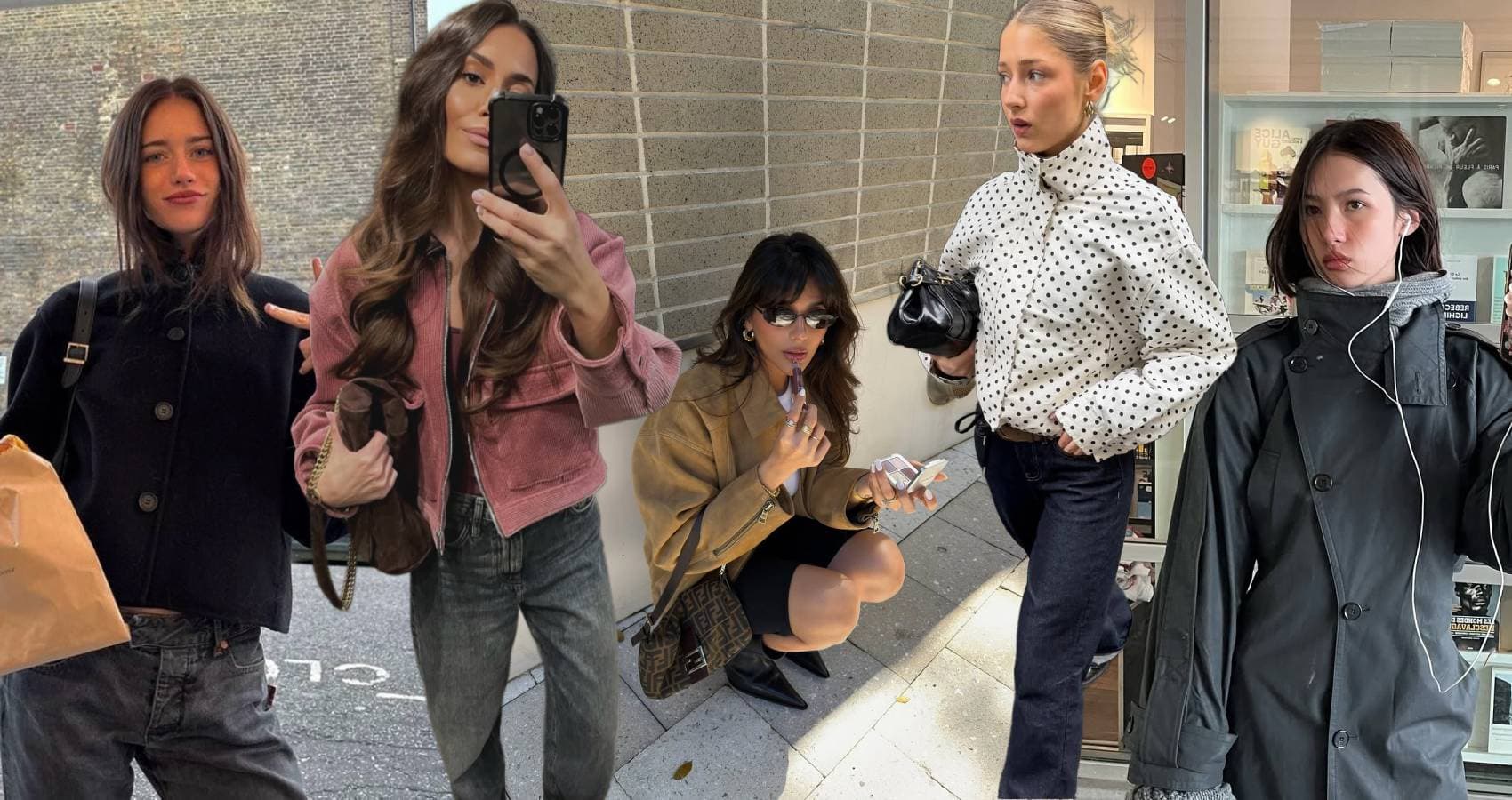
Four words have been quietly dismantling a years-long reign of dewy skin, slicked buns, and gold hoops: say goodbye to clean girl. Since at least September 2025, when style writer Erin Eagle flagged the shift on her Substack A Style Set, the messy girl aesthetic has been consolidating into something more than a passing mood. By March 2026, it has the attention of Newsweek cultural analysts, trend outlets, and a growing corner of TikTok that is actively celebrating wired headphones, oversized bags, and hair that looks like it survived something.
The premise is simple and the execution is anything but accidental. As A Style Set put it in its original September 22, 2025 post: "The Messy Girl may not be perfect, but she always finds a way to still look chic with her effortlessly edgy outfits, even when it may look like she just got out of bed." That tension between dishevelment and chicness is the whole point. This is not a style for people who forgot to get dressed. It is a style for people who know exactly what they are doing and would prefer you think they don't.
Why now, and why this
The Clean Girl aesthetic, which dominated Instagram through the early 2020s, was built on aspirational minimalism: glazed skin, quiet luxury basics, an almost clinical tidiness that aligned neatly, as Newsweek observed, "with minimalist tech aesthetics and the aspirational self-branding of a generation raised on Instagram." For a while, it worked. Then, predictably, its uniformity began to chafe.
"We live in an age where visibility is currency, and image can make or break your chances of it," a source identified in Newsweek as Ashcraft said. "On the surface, the clean girl might have symbolized simplicity and polish, but it has just become another symbol of pressure to keep up, look perfect, stay relevant, and be seen."
Angie Meltsner, founder of cultural research studio Tomato Baby, offered the broader cultural diagnosis to Newsweek: "The move away from clean girl comes at a time of major uncertainty in the world, and a way of coping with that uncertainty can be embracing a kind of chaotic, subversive energy, which is being channeled into these bold, maximalist, playful looks." She went further in connecting the dots between fashion and digital culture: "We're also living in the age of algorithmic-driven cultural flattening, and a way of rejecting that is by embracing personal taste and expression, leaning into the quirks that show that we're unique and human. We're seeing this through more analogue and DIY-inspired looks like wired headphones or 1990s and Y2K aesthetics, and even intentional typos to signify non-AI writing."
The Indie Sleaze revival, which A Style Set cited as a direct catalyst for the messy girl's emergence, feeds into this same current. There is a generation that grew up watching their older siblings' poorly lit party photographs and now wants to dress like those photographs felt: lived-in, unselfconscious, obliquely cool. The 1990s and Y2K touchstones Meltsner references are not nostalgic cosplay so much as a deliberate rejection of algorithmic polish in favor of something with texture and human error built in.
What the messy girl actually wears
Newsweek was precise on this point: "The aesthetics of the messy girl are not sloppy, they are intentional, playful and referential." That intentionality shows up in a specific wardrobe and accessory language. Oversized blazers are a foundational piece, the kind that swamps a shoulder and creates a silhouette that reads powerful and undone at once. The button-down shirt, layered open or half-tucked, carries the same energy. On the accessory front, wired headphones have become one of the aesthetic's most recognizable signals, a deliberately analogue choice in an era of invisible earbuds that reads simultaneously retro and indifferent to current tech trends. Oversized bags, the kind that look like they are carrying an entire life rather than a curated selection of essentials, complete the picture.
Hair and beauty follow the same logic. The messy girl's hair is, as Newsweek described it, "deliberately scruffy yet still effortlessly chic," which is to say: the chaos is controlled. On the beauty side, the adjacent Dirty Girl aesthetic, which shares considerable DNA with the messy girl, offers the clearest visual shorthand. As writer Nicoline Carlsen described it, the Dirty Girl leans into "smudged eyeliner, tousled hair, vintage band tees, worn-in denim, and a 'just rolled out of bed but make it fashion' energy," built on "messiness, authenticity, and raw confidence." Where the Clean Girl says polished, Carlsen noted, the Dirty Girl says "perfectly imperfect." The Messy Girl occupies that same territory, though with more stylistic range: her wardrobe can pull in blazers and volume where the Dirty Girl defaults to grunge.
The full styling vocabulary, assembled from multiple sources, includes:

- Oversized blazers
- Button-down shirts, worn open or loosely layered
- Vintage band tees
- Worn-in denim
- Oversized bags
- Wired headphones
- Deliberately tousled, undone hair
- Smudged or lived-in eye makeup
The faces driving the aesthetic
Newsweek identified the celebrity axis as clearly as any style piece could: "This pivot from polished to unfiltered, driven by stars like Addison Rae and Olivia Rodrigo, is gaining traction across TikTok and beyond." Addison Rae in particular earned her own subheader in Newsweek's coverage, positioned as "today's messy cool girl," while Olivia Rodrigo's studied dishevelment has made her a reliable reference point for anyone trying to understand how the aesthetic translates in practice. Alexa Chung and Hailey Bieber are also mentioned in the same cultural breath, as women whose public styling has historically navigated the space between undone and considered.
What Ashcraft pointed out in Newsweek is worth holding onto here: "the messy girl's so-called dismissal of trends is what makes her cool, captivating and a source of intrigue in the first place." There is a useful paradox in that observation. The moment the aesthetic becomes too codified, too trend-reportable, it risks becoming exactly what it is pushing against. The messy girl's power is partly in her refusal to be categorized, which is perhaps why she is so difficult to pin down and so easy to recognize in person.
Knowing your neighbors: Dirty Girl, Soft Girl, and the clean girl they replaced
The aesthetic landscape surrounding the messy girl is worth mapping briefly, because these tendencies bleed into each other and the distinctions matter. The Soft Girl, as Carlsen defined it, is "sweet, pastel, and ultra-feminine": blush pinks, flowy skirts, oversized cardigans, heart-shaped hair clips, glossy lips, and fluttery lashes. It is dreamy where the messy girl is edgy, expressive where she is unbothered. If the Clean Girl is polished chic and the Soft Girl is dreamy and sweet, the messy girl is the one who walked into the party without checking the mirror and became the most interesting person in the room.
The Dirty Girl, as noted, is closer kin: grunge-inspired, slightly undone, a "rebellious twin of the Clean Girl vibe," in Carlsen's words. The Messy Girl borrows freely from that sensibility but is not limited to it. She might reach for an oversized blazer rather than a band tee, opt for an oversized bag over a chain wallet, but the underlying ethos, authenticity over aspiration, personal taste over algorithmic approval, is shared.
The messy girl's actual philosophy
"In contrast to the clean girl, the messy girl is disheveled, unplugged, and unbothered," Newsweek wrote. "She opts out of the algorithm, and she does not subscribe to trends; she does not dress or buy for posts, likes, or to be seen." That framing matters because it positions the messy girl not simply as a style category but as a stance. Getting dressed becomes an act of self-determination rather than social media strategy.
That is the harder thing to replicate, and the reason the aesthetic has staying power beyond a single viral moment. Anyone can buy wired headphones. Not everyone can carry the internal permission to be deliberately, cheerfully imperfect and still walk out the door looking like themselves. The messy girl's real chicness has always lived in that gap.
Know something we missed? Have a correction or additional information?
Submit a Tip